
A Travel Guide to Luanda (2026)
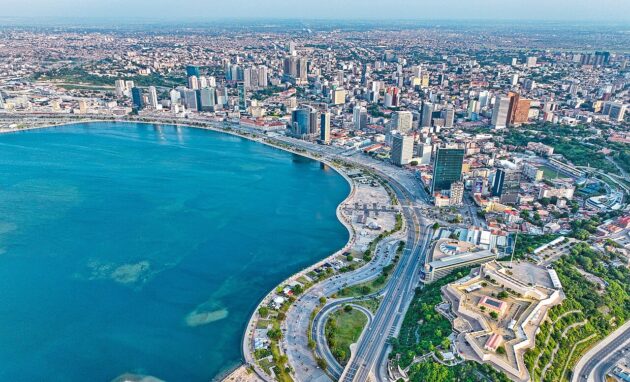
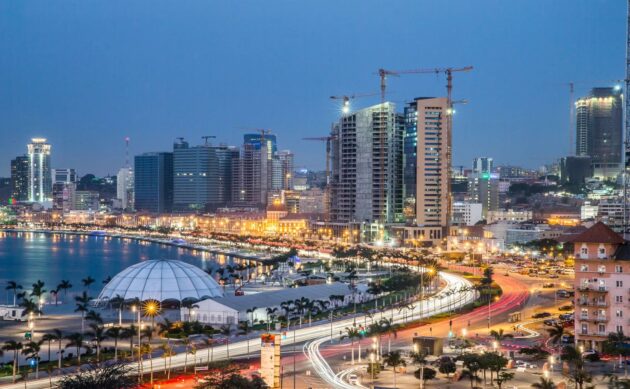
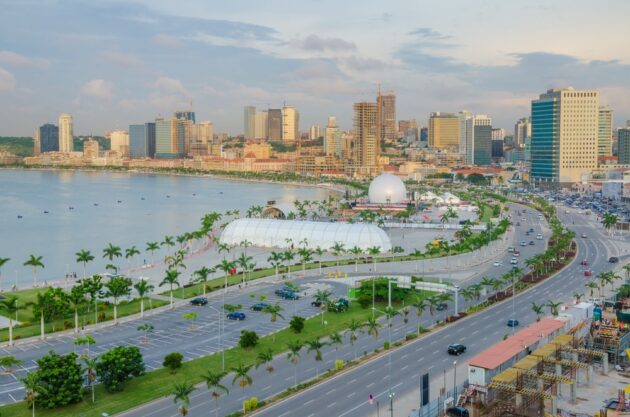
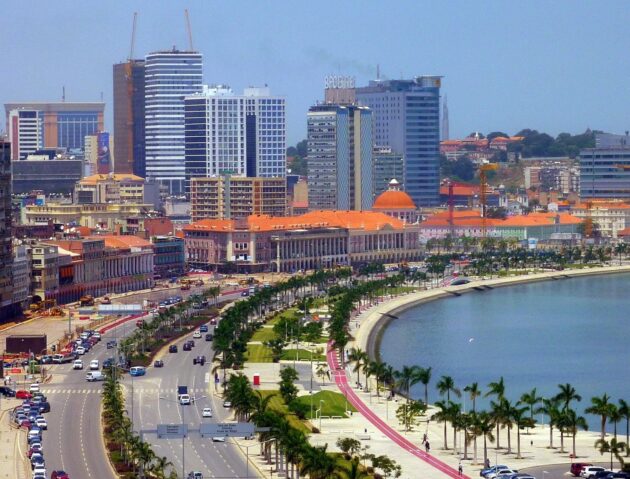
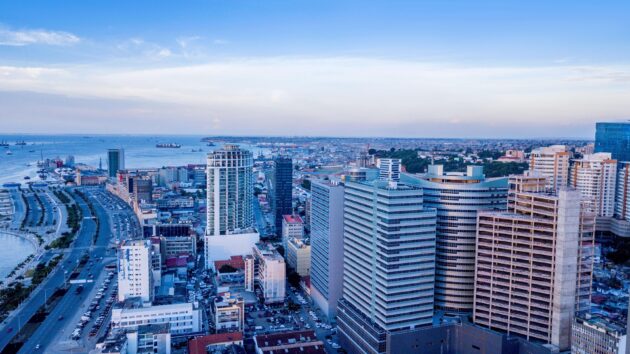
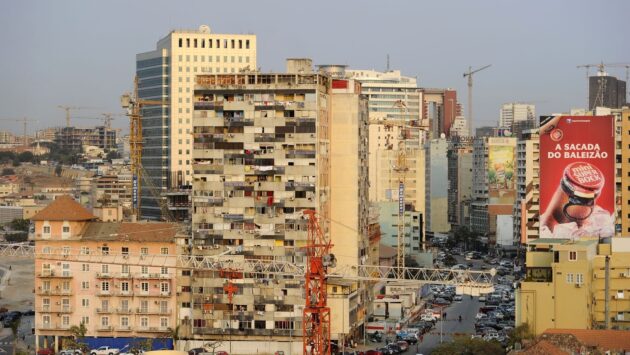
Luanda, the vibrant capital of Angola, is a bustling coastal city where colonial history meets modern skyscrapers, golden beaches, and rich African culture. As one of Africa’s fastest-growing cities, it offers a unique blend of Portuguese heritage, lively markets, stunning Atlantic views, and emerging tourism. While Luanda can feel expensive and requires caution due to crime, it’s an rewarding destination for adventurous travelers seeking an off-the-beaten-path experience.
Why Visit Luanda?
Luanda combines urban energy with natural beauty—stroll along the scenic waterfront, explore historic forts, relax on palm-fringed beaches, and taste fresh seafood. It’s a gateway to Angola’s wonders, including nearby national parks and dramatic landscapes. The city’s resilience after years of conflict shines through in its lively street life and friendly locals.
How to Get There
By Air: Luanda is served by Quatro de Fevereiro International Airport (LAD), with flights from Europe (Lisbon, Paris), Africa (Johannesburg, Addis Ababa), and some U.S. connections via Europe. Major airlines include TAAG Angola Airlines, TAP Portugal, and Ethiopian Airlines.
From the Airport: Pre-book a private transfer or use ride-hailing apps (see Transportation below). Avoid unofficial taxis.
Best Time to Visit
The dry season from June to October is ideal—mild temperatures (around 22–26°C/72–79°F), sunny days, and low rainfall. July and August are the coolest and clearest for beach time and day trips. Avoid the rainy season (November–May) when heavy downpours and humidity make travel challenging.
Top Things to Do in Luanda
Fortaleza de São Miguel: The oldest building in Luanda (built 1576), this hilltop fortress offers panoramic city views and houses the Museum of the Armed Forces with colonial artifacts.
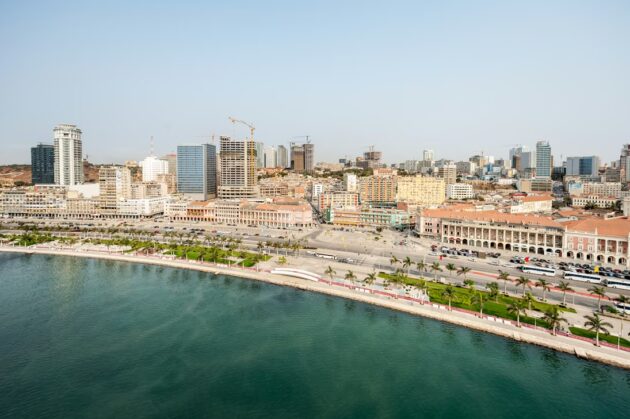
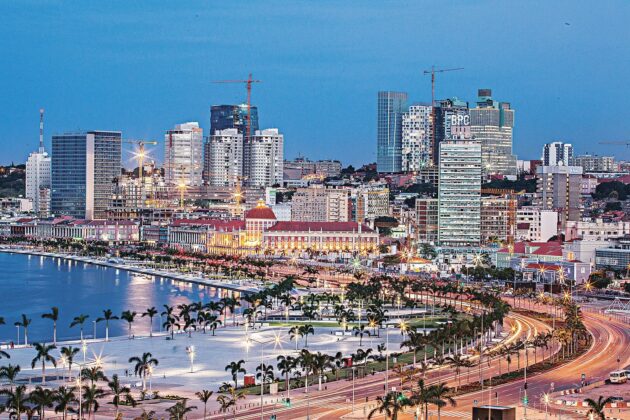
Marginal (Avenida 4 de Fevereiro): Walk or jog along this beautiful waterfront promenade with ocean views, palm trees, and street vendors—perfect for sunset watching.
Ilha de Luanda (Ilha do Cabo): A sandy peninsula with beaches, fresh seafood restaurants, and lively bars. Relax on the beach or enjoy grilled fish at local spots.
Miradouro da Lua (Moon Viewpoint): Just 40 km south of the city, this surreal lunar-like rock formation is one of Angola’s most photographed natural wonders.
National Museum of Anthropology: Discover Angola’s diverse cultures through masks, traditional tools, and artifacts in a fascinating collection.
Kissama (Quiçama) National Park: A short drive south, enjoy a safari with elephants, giraffes, and birds in a beautiful savanna setting.
Agostinho Neto Mausoleum: A striking modern monument honoring Angola’s first president, with great views from the top.
Benfica Market: Dive into local life at this bustling market—bargain for crafts, spices, and fresh produce.
Cabo Ledo Beach: A day trip for pristine white sands, clear waters, and snorkeling.
Museum of Slavery: Learn about Angola’s role in the Atlantic slave trade at this poignant site south of the city.
Day Trips & Excursions
Kissama National Park Safari (half-day or full-day) – Wildlife spotting close to the city.
Miradouro da Lua & Cabo Ledo – Combine lunar rocks and beach time.
Kwanza River Boat Trip – Scenic cruise with fishing and nature views.
Book guided tours through reputable operators for safety and convenience.
Where to Stay
Luanda is pricey—expect higher rates due to oil wealth. Best areas: Miramar / Downtown – Upscale with bay views. Ilha de Luanda – Beachy and relaxed. Talatona – Modern and quieter.
Top recommendations: InterContinental Luanda Miramar – Luxury with stunning views. EPIC SANA Luanda – Modern 5-star with pool and spa. Protea Hotel Luanda – Comfortable mid-range option. Palmeiras Suite Hotel – Good value near the airport.
For budget travelers, guesthouses or Airbnbs start around $50–80/night.
Getting Around
Ride-Hailing Apps → Use Bolt, Heetch, Yango, or Allo Taxi (similar to Uber)—safe, affordable, and widely available.
Taxis → Agree on fares in advance; avoid unofficial ones at night.
Public Transport → Candongueiros (blue/white minibuses) are cheap but crowded and less safe for tourists.
Walking → Safe in tourist areas like the Marginal during daylight.
Traffic can be heavy—plan extra time.
Food & Dining
Angolan cuisine features fresh seafood, stews, and cassava-based dishes. Must-try:
Muamba de Galinha → Chicken stew with palm oil and spices. Mufete → Grilled fish with plantains and beans. Funge → Cassava or corn dough, eaten with stews. Calulu → Dried fish or meat stew. Grilled prawns → Fresh from the coast.
Best spots: Ilha restaurants for beachside seafood. Local eateries for affordable muamba. Upscale places like Lookal Mar or Café del Mar for international fusion.
Street food and markets offer great value.
Travel Tips & Safety
Safety → Exercise increased caution—violent crime (robbery, carjacking) occurs, especially at night. Avoid walking alone after dark, use ride apps, and keep valuables hidden. Stay in well-lit tourist areas.
Health → Drink bottled water; malaria is present—take prophylaxis. Cholera outbreaks occur—practice good hygiene.
Currency → Angolan Kwanza (AOA). ATMs are available but cash is king. Exchange on the black market for better rates (check local apps).
Budget → Luanda is expensive: $80–150/day mid-range (accommodation, food, transport). Save by eating local and using apps.
Language → Portuguese is official—basic phrases help. English is limited but growing in tourist spots.
Respect → Dress modestly, ask before photographing people, and support local businesses.
Final Thoughts
Luanda offers a raw, authentic African experience with stunning contrasts—colonial forts against modern skyline, chaotic markets beside serene beaches. With careful planning, it’s a fascinating and rewarding destination. Embrace the adventure, stay vigilant, and discover one of Africa’s most dynamic capitals!
Safe travels!