
A Travel Guide to Kissama National Park (2026)
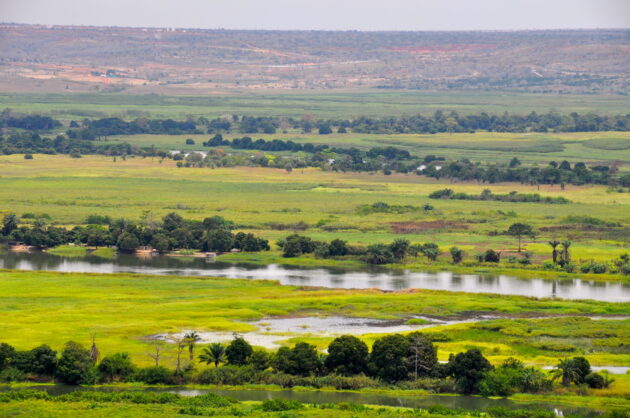
Kissama National Park, also known as Quiçama or Quicama National Park, is Angola’s most accessible and popular wildlife destination. Located just 70–100 km south of Luanda, the capital, it offers a genuine safari experience with savannah landscapes, baobab trees, riverine forests, mangroves, and coastal dunes. The park spans approximately 9,960 km² and is bounded by the Kwanza (Cuanza) River to the north and the Longa River to the south.
After years of recovery from civil war and poaching, Kissama has seen successful wildlife reintroduction programs, making it an exciting spot to see animals in a relatively uncrowded setting compared to more famous African safari parks.
Why Visit Kissama National Park?
Closest safari destination to Luanda (ideal for day trips or short overnights)
Diverse ecosystems: open savannah, dense woodlands, riverine areas, and coastal features
Boat safaris on the Kwanza River offer unique views of hippos, crocodiles, and birds
A growing wildlife population including reintroduced species
Far fewer visitors than parks in South Africa, Kenya, or Botswana → more authentic and peaceful experience
How to Get There
From Luanda, the journey takes 1.5–3 hours depending on traffic and road conditions.
Private vehicle / rented car (recommended): Self-drive is popular; roads are mostly paved until near the park entrance, then become dirt/gravel tracks inside. A 4×4 is strongly advised for the park interior.
Guided tours (most common for international visitors): Day trips and overnight tours from Luanda are widely available through local operators. They handle transport, park fees, guides, boat rides, and often lunch.
Public transport: Limited and not recommended for tourists due to comfort and safety concerns.
Best Time to Visit
Dry season (May–October): Best overall: Lower rainfall → better road conditions and easier wildlife spotting; Animals concentrate around water sources; Clearer skies and comfortable temperatures.
Peak months: June–September (dry and sunny)
Wet season (November–April): Avoid if possible; Heavy rains make roads muddy and impassable in places; Wildlife disperses, and birdwatching is better but access is harder.
Early morning safaris (starting around sunrise) give the best animal activity.
Wildlife You Can See
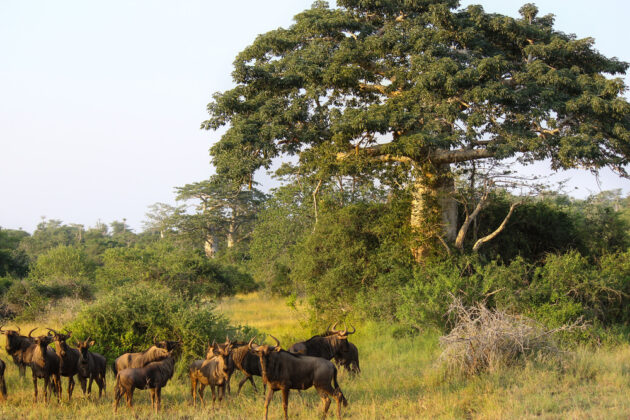
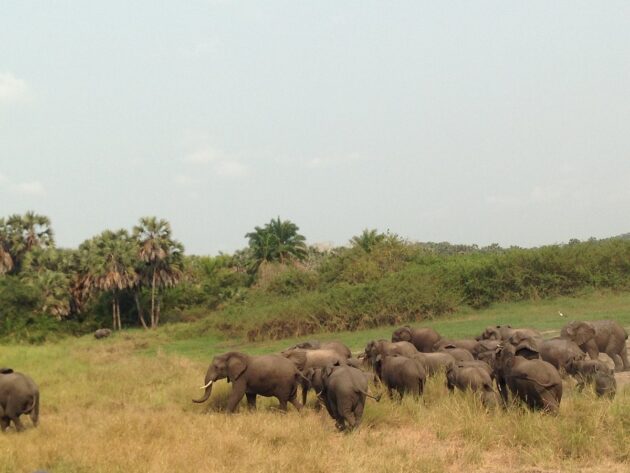
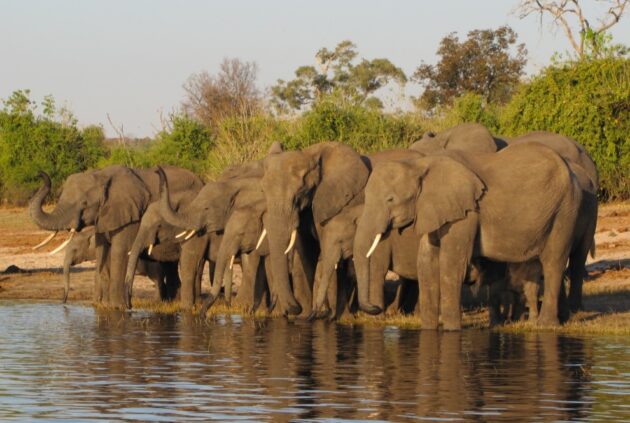
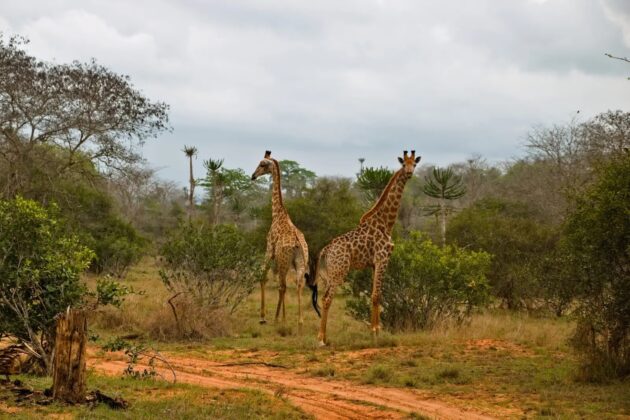
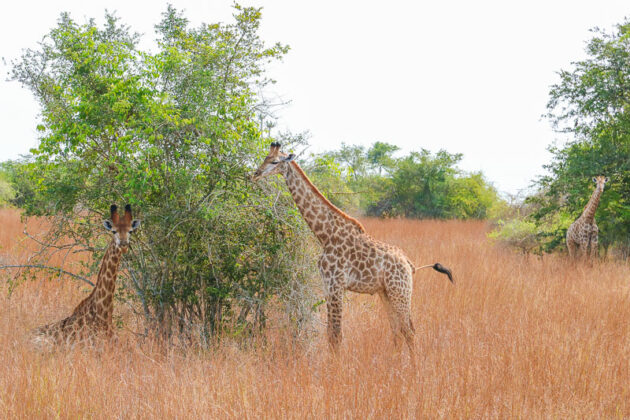
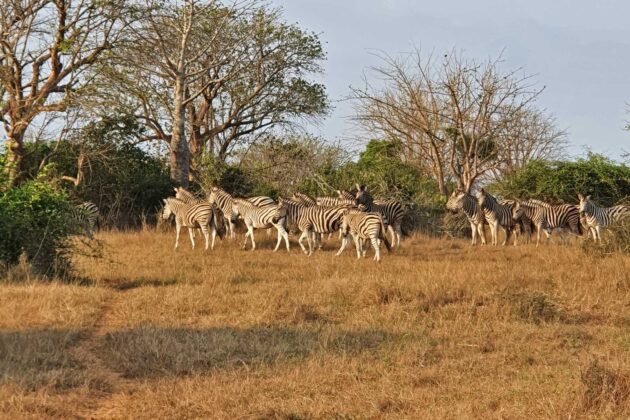
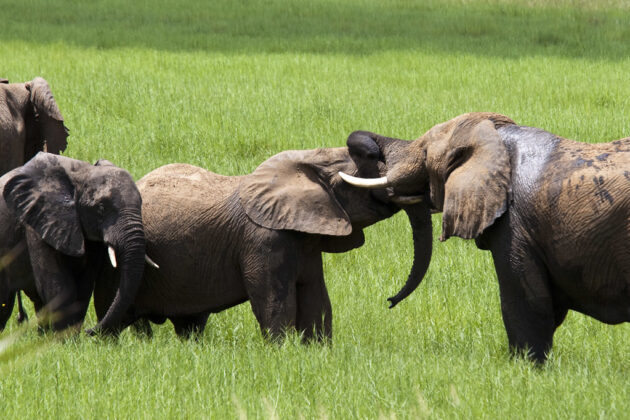
Kissama’s animal populations are recovering but sightings are not guaranteed like in East Africa. Common and possible sightings include: Giraffes; Zebras; Wildebeest; Various antelopes (including sable antelope); Elephants (with luck); Buffaloes; Warthogs; Monkeys and baboons; Hippos and crocodiles (especially on boat trips); Rich birdlife (over 400 species recorded).
The park also protects sea turtles along the coast and manatees in some river areas.
Main Activities
Game drives / safari drives: Most popular activity. Guided 4×4 drives through savannah and woodland areas.
Kwanza River boat safari: Scenic boat trips along the river boundary. Excellent for birdwatching, hippos, crocodiles, and sunset views among baobab trees.
Birdwatching: Especially rewarding along rivers and in diverse habitats.
Cultural stops: Many tours include visits to traditional villages or viewpoints (e.g., Miradouro with dramatic landscapes).
Overnight camping / lodging: Stay inside or near the park for a more immersive experience (limited options).
Tours & Operators
Most visitors book organized tours from Luanda. Popular options include: Full-day safari (8–10 hours): game drive + boat trip + lunch; Overnight tours (1 or 2 nights): more relaxed pace and better chances for wildlife.
Look for reputable operators via: Tripadvisor, Viator, or local agencies in Luanda; Hotels in Luanda often arrange tours; English-speaking guides are usually available.
What to Bring
Sunscreen, hat, and sunglasses; Insect repellent (malaria risk in Angola); Binoculars (very useful for birds and distant animals); Camera with zoom lens; Light, long-sleeved clothing (protection from sun and insects); Water bottle and snacks; Passport/ID (required at park entrance).
Practical Tips
Currency: Bring USD cash (widely accepted); ATMs are unreliable outside Luanda.
Language: Portuguese is official; many guides speak English.
Health: Malaria prophylaxis recommended. Drink bottled water. Cholera outbreaks have occurred in recent years—practice good hygiene.
Safety: Angola has a high degree of caution advisory due to crime (mainly in cities) and landmines in remote areas. Stick to guided tours in Kissama and follow local advice. The park itself is generally safe for organized tourism.
Expectations: Wildlife densities are lower than in top African safari countries. Focus on the scenery, river experience, and the sense of discovery.
Final Thoughts
Kissama National Park offers an authentic, off-the-beaten-path safari experience close to Luanda. While it’s not yet a world-class Big Five destination, its combination of game drives, river boating, diverse landscapes, and low tourist numbers make it a rewarding stop for adventurous travelers interested in Angola’s emerging ecotourism scene.
Whether as a day trip from the capital or part of a longer Angola itinerary, Kissama provides a genuine taste of African wilderness in one of the continent’s least-visited countries.
Safe travels!