
Travel Guide to Tundavala Gap (2026)
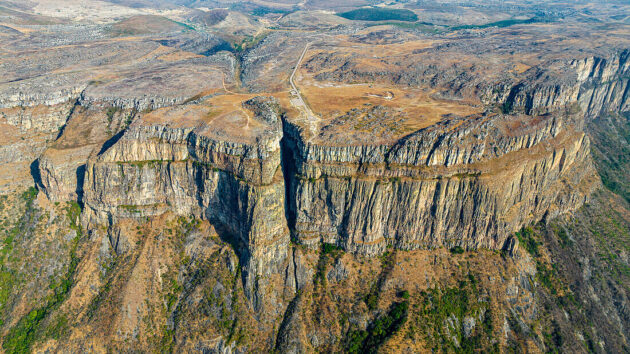
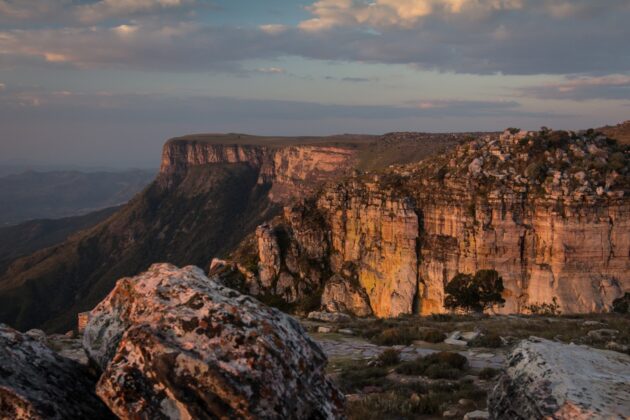
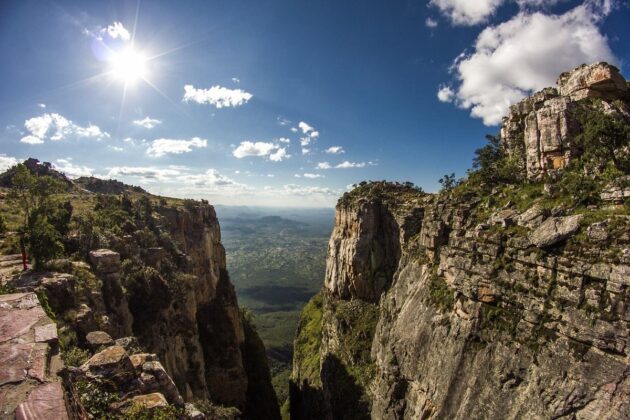
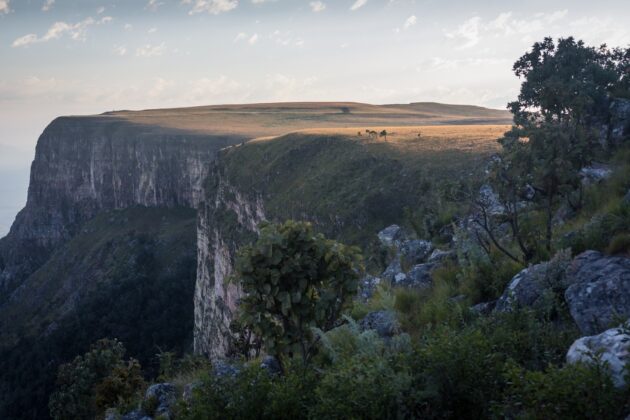
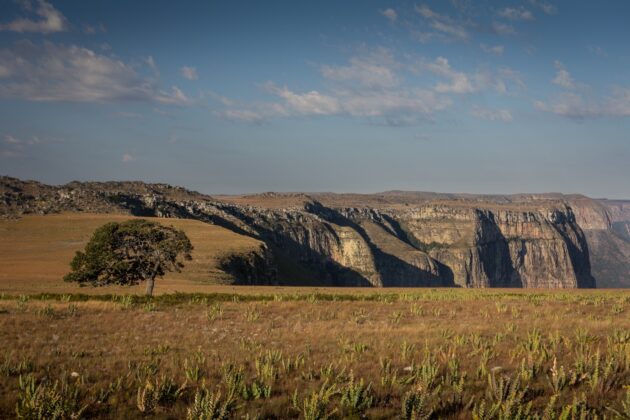
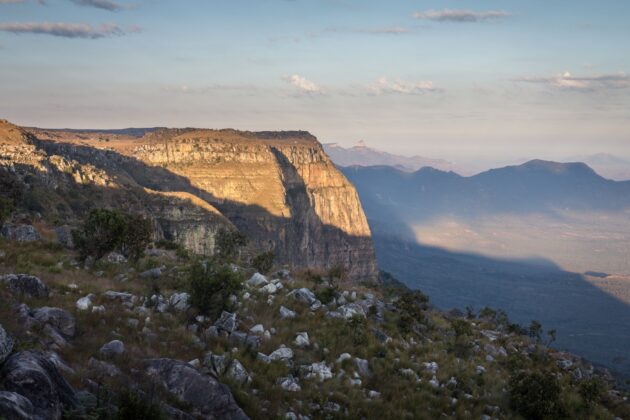
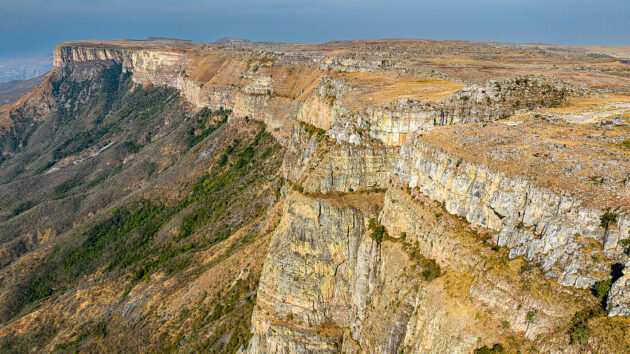
Tundavala Gap (also known as Fenda da Tundavala) is one of Angola’s most breathtaking natural wonders. Located in the Huíla Province near the city of Lubango, this dramatic escarpment features sheer cliffs that plunge over 1,000 meters (approximately 3,300 feet) from the Humpata Plateau down to the plains below. At an elevation exceeding 2,200 meters (7,200 feet), the viewpoint offers panoramic vistas of vast valleys, lush greenery, distant mountains, and endless horizons stretching toward the Namibe Province and the Namib Desert. Often described as a “geological marvel” and one of Angola’s hidden gems, Tundavala Gap combines vertigo-inducing drops with serene, almost untouched beauty — making it a must-visit for nature lovers, photographers, and adventure travelers.
Why Visit Tundavala Gap?
Spectacular Views: The sudden drop creates an awe-inspiring abyss with sweeping 180°+ panoramas — often compared to standing on the edge of the world.
Sunrise & Sunset Magic: The light during golden hours transforms the landscape into dramatic shades of gold, orange, and purple.
Minimal Development: No entrance fee (as of recent reports), limited crowds, and a sense of raw, pristine nature.
Proximity to Lubango: Easily accessible as a half-day trip from the regional capital.
How to Get There
Tundavala Gap is about 18–20 km northwest of Lubango, making it one of the most convenient natural attractions in southern Angola.
Reach Lubango First: Fly into Lubango Airport (SDD) with domestic flights from Luanda (TAAG Angola Airlines is the main carrier). Overland travel from Luanda or Namibe is possible but long (10+ hours by bus or private vehicle).
From Lubango to Tundavala:
By Private Vehicle / Rental Car: The easiest option. The road is paved and in good condition for most of the way.
By Taxi or Shared Taxi (Candongueiro): Affordable — negotiate a round-trip fare (expect to pay for waiting time). Many drivers know the spot well.
Guided Tour: Several local operators in Lubango offer day trips combining Tundavala with nearby sights (e.g., Cristo Rei statue or Serra da Leba pass).
No direct public bus — plan for private transport.
The drive takes 30–45 minutes depending on traffic and stops.
Best Time to Visit
Dry Season (May to October): Ideal conditions — clear skies, firm trails, pleasant temperatures (cooler at altitude), and lower chance of rain. Late dry season (September–October) often features stable weather and fewer visitors.
Avoid Rainy Season (November–April): Heavy rains can make roads slippery, reduce visibility, and increase haze.
Time of Day: Early morning for sunrise (stunning light and cooler air) or late afternoon for sunset (very popular with locals). Midday can be hazy.
What to Do at Tundavala Gap
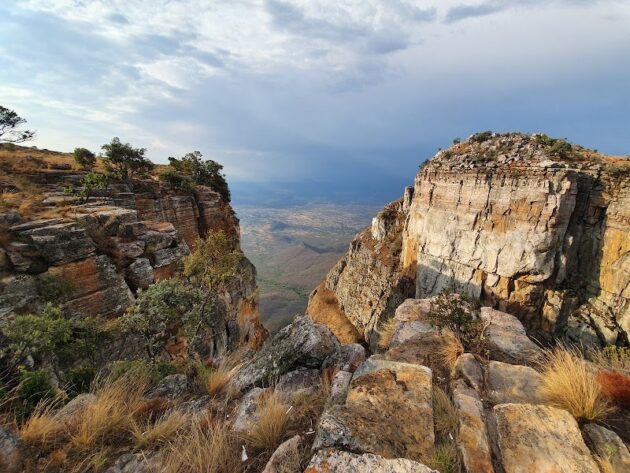
Viewpoint Experience — Walk to the edge for the classic vertigo-inducing photos. Stay behind natural barriers and be extremely cautious — there are no railings.
Short Hikes & Exploration — Several informal paths along the rim offer different angles. For more adventure, moderate trails lead down parts of the escarpment (experienced hikers only; loose rocks and exposure).
Photography & Stargazing — The clear highland air is excellent for photos. On clear nights, the lack of light pollution makes it great for stargazing.
Picnic & Relax — Bring food and enjoy the peaceful setting. Locals often visit for sunset gatherings.
Combine with Nearby Attractions — Pair with Serra da Leba scenic drive, the giant Cristo Rei statue overlooking Lubango, or the Humpata Plateau.
Note: Swimming or extreme activities like base jumping are not organized here. Rock climbing routes exist but require experience and local knowledge.
Practical Tips
No Entrance Fee: Currently free (though always check locally as policies can change).
Facilities: Very basic — no visitor center, toilets, or shops at the viewpoint. Bring water, snacks, and any supplies you need.
Safety: Stay well back from unfenced edges — strong winds can occur. Travel with others, especially at dusk. Lubango and the surrounding area are generally considered safe for tourists, with low crime risk in this region. Carry ID and inform your accommodation of your plans.
What to Bring: Warm layers (high altitude can be chilly, especially mornings/evenings); Sunscreen, hat, sunglasses; Plenty of water (at least 2 liters per person); Sturdy shoes (rocky terrain); Camera / binoculars; Insect repellent; Trash bag — leave no trace.
Where to Stay
Lubango (recommended base): Hotels range from budget to mid-range (e.g., Hotel Chik-Chik Namibe, Pestana Lubango). Many guesthouses and Airbnbs are available.
Camping: Informal camping is possible near the gap (some mention a “Tundavala Camp” area being upgraded). Bring your own gear and follow leave-no-trace principles.
Final Thoughts
Tundavala Gap offers one of Angola’s most unforgettable natural experiences — raw, dramatic, and surprisingly accessible. Whether you’re chasing epic sunsets, hiking the rim, or simply soaking in the vast silence, this escarpment viewpoint delivers a powerful sense of awe. Combine it with other southern Angola highlights like Serra da Leba and the Namibe coast for a truly rewarding trip.
Angola remains an off-the-beaten-path destination — plan ahead, respect local customs, and embrace the adventure. Safe travels!