
A Travel Guide to South Luangwa National Park (2026)
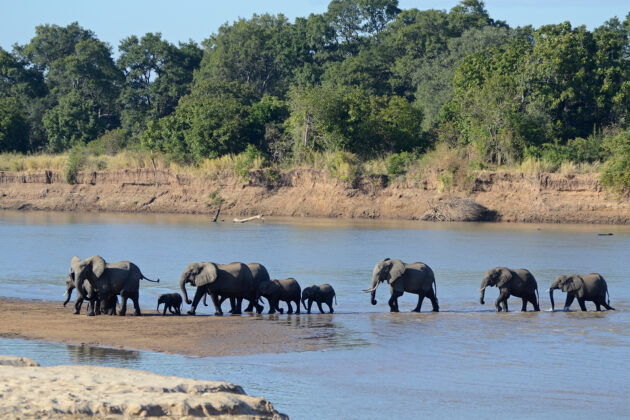
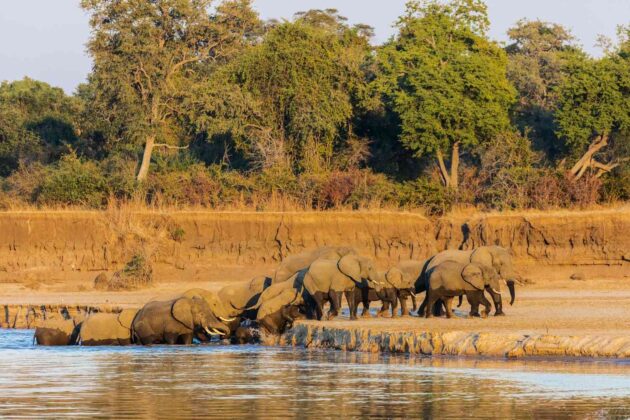
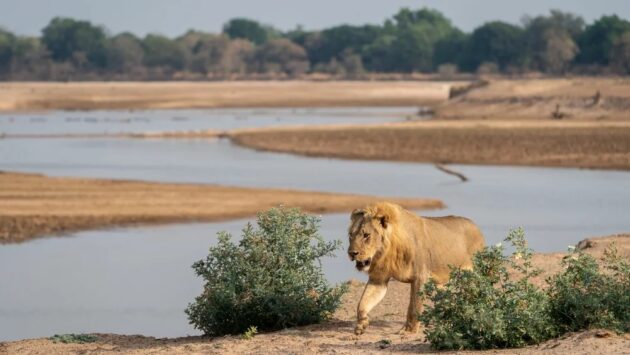
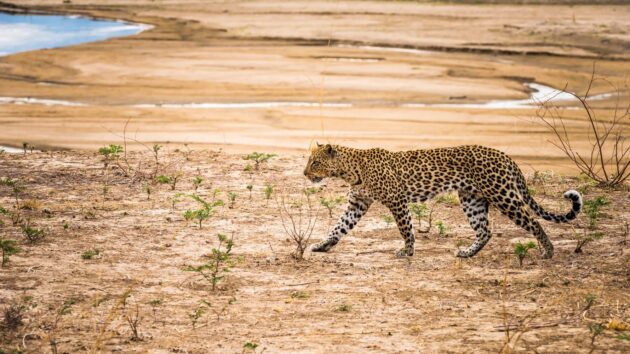
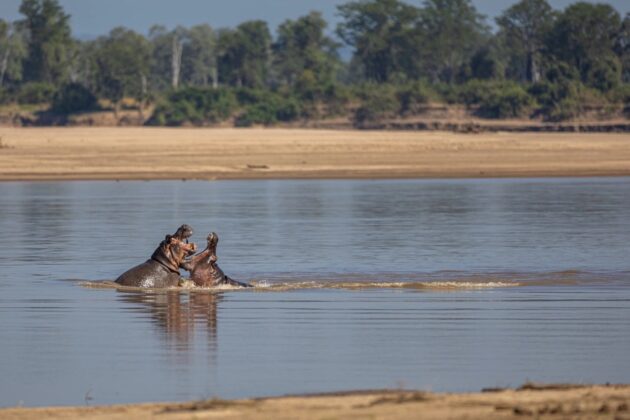
South Luangwa National Park is widely regarded as one of Africa’s premier wildlife destinations and the birthplace of the walking safari. Located in eastern Zambia along the Luangwa River, this unfenced 9,050 km² wilderness offers exceptional game viewing, particularly for leopards (earning it the nickname “Valley of the Leopard”), lions, elephants, buffalo, giraffes, Thornicroft’s giraffe (a rare subspecies), Crawshay’s zebra, wild dogs, and massive hippo and crocodile concentrations. The park’s diverse landscapes—from riverine forests and oxbow lagoons to open savannahs—combined with low tourist density in many areas, make it an authentic and thrilling safari experience.
Why Visit South Luangwa?
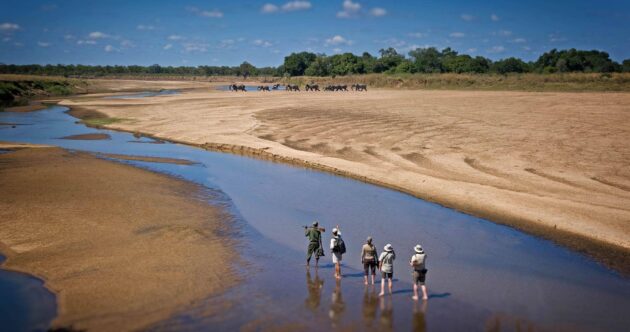
Famous for walking safaris that bring you close to nature and wildlife in ways vehicles cannot.
High density of predators and big game, especially leopards.
Night drives allowed (many lodges stay out until 20:00), offering chances to see nocturnal animals.
Excellent birdwatching (over 400 species).
A more intimate and less crowded alternative to parks like the Serengeti or Kruger.
Best Time to Visit
Dry Season (July–October) — Best overall time: Vegetation thins, animals concentrate around the river and waterholes, making game viewing outstanding. Walking safaris are excellent in August–September (cooler and drier). October is hottest (often 35°C+) but offers peak wildlife density.
Shoulder Seasons: May–June: Pleasant temperatures, good walking conditions, fewer crowds. November: Still good wildlife, but rains may begin.
Green/Wet Season (December–April): Lush landscapes, baby animals, lower rates, and fewer visitors. Some roads become inaccessible, and many camps close (especially Jan–Feb). Walking can be challenging due to long grass and mud.
Tip: For the ultimate experience, aim for July–October. Book well in advance for peak season.
How to Get There
Fly into Lusaka (LUN) — Zambia’s capital and main international gateway.
Domestic flight to Mfuwe Airport (MFU) — The closest airport, located right next to the park’s main gate. Flights take about 1 hour 15 minutes from Lusaka and are operated by Proflight Zambia or similar carriers. Many lodges arrange private transfers from the airport (often included in packages).
Overland options — Possible from Lusaka or Malawi by bus/public transport, but long (10–12+ hours) and not recommended for most visitors due to time and comfort.
Most visitors fly Lusaka → Mfuwe → lodge transfer (usually 15–60 minutes depending on camp location).
Activities & Experiences
Walking Safaris — The park’s signature activity. Led by highly trained guides and armed rangers, these allow you to track animals on foot, learn about tracks, plants, and smaller creatures. Multi-day mobile walking safaris (camp-to-camp) offer the most immersive experience.
Game Drives — Morning, afternoon, and night drives in open 4×4 vehicles.
Night Drives — Spotlighting for leopards, hyenas, civets, and more.
Other options — Some camps offer hides, canoeing (seasonal), or cultural village visits.
Note: Self-driving is not recommended—roads are rough, and expert guiding is essential for safety and spotting wildlife.
Where to Stay
Accommodation ranges from budget-friendly to ultra-luxury, mostly in small, eco-friendly camps/lodges:
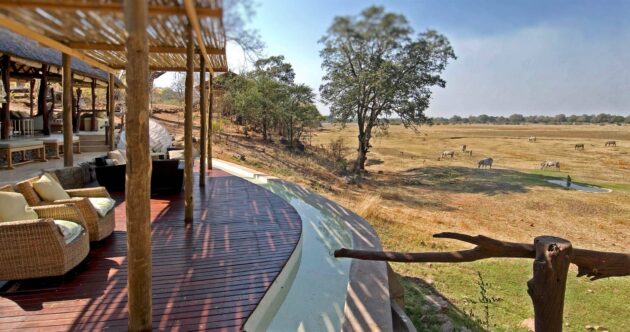
Luxury: Time + Tide camps (e.g., Nsefu, Mwamba); Robin Pope Safaris (Tena Tena, Nkwali); Lion Camp (remote northern sector).
Mid-Range / Excellent Value: Flatdogs Camp (family-friendly, outside the gate with pool); Bilimungwe; Mfuwe Lodge (famous for habituated elephants wandering through)
Mobile / Walking-Focused: Multi-day walking safaris with temporary bush camps (Robin Pope, Norman Carr Safaris, etc.)
Many lodges are seasonal (May–November), so check availability. All-inclusive packages typically cover meals, game drives, walking safaris, and transfers.
What to Pack
Neutral-colored clothing (khaki, green, beige — no bright colors like white/red)
Lightweight long-sleeve shirts and pants (for sun/insect protection)
Sturdy walking shoes/boots
Hat, sunglasses, high-SPF sunscreen
Binoculars (essential!)
Insect repellent (DEET-based), malaria prophylaxis (consult a doctor)
Camera with zoom lens + extra batteries
Small daypack, reusable water bottle
Light jacket/sweater for early mornings and evenings
Practical Tips
Health & Safety — Malaria is present; take prophylaxis. Drink bottled/boiled water. Zambia is generally safe, but follow lodge guidance.
Currency — Zambian Kwacha (ZMW); USD widely accepted at lodges.
What to Expect — Authentic wilderness experience — no fences, animals roam freely. Respect nature: quiet during walks, no off-path wandering.
Combine Your Trip — Pair with Lower Zambezi (river safaris) or Victoria Falls for a full Zambia itinerary.
Final Thoughts
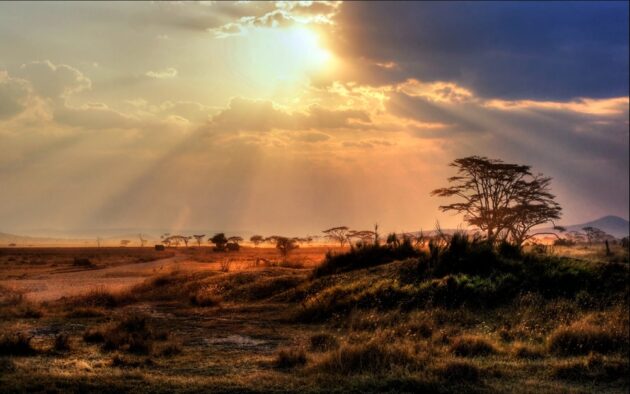
South Luangwa delivers one of Africa’s most authentic and rewarding safari experiences, especially for those who love walking safaris and close wildlife encounters. Whether you’re tracking leopards on foot or watching elephants at a lagoon during golden hour, the park’s raw beauty and abundant wildlife will leave a lasting impression.
Plan ahead, choose a reputable operator, and prepare to be immersed in one of the continent’s greatest wilderness areas. Safe travels!