
A Travel Guide to Lower Zambezi National Park (2026)
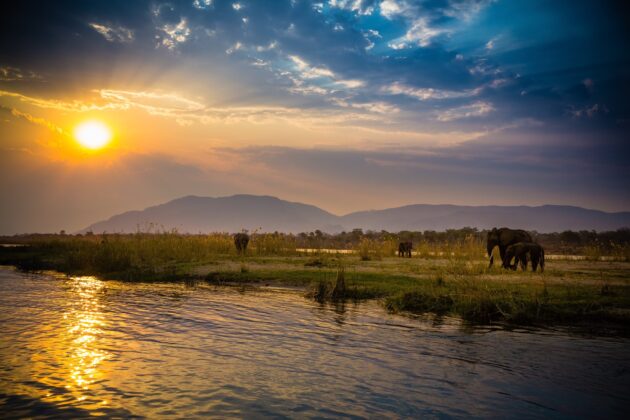
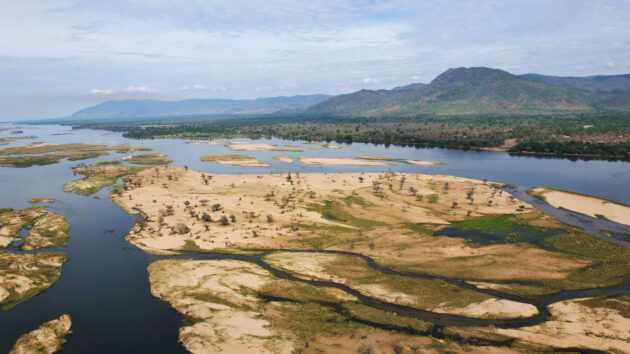
Lower Zambezi National Park is one of Zambia’s most pristine and underrated safari destinations. Located in southeastern Zambia along the northern bank of the mighty Zambezi River, the park covers approximately 4,092 km² (1,580 sq mi) and forms a transboundary wilderness area with Zimbabwe’s Mana Pools National Park across the river.
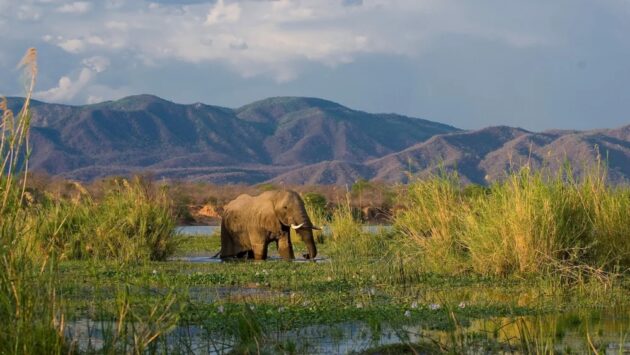
Renowned for its stunning riverine landscapes, high concentrations of elephants, and a wide variety of safari activities both on land and water, Lower Zambezi offers an authentic, low-volume wilderness experience with very few vehicles and crowds.
Why Visit Lower Zambezi National Park?
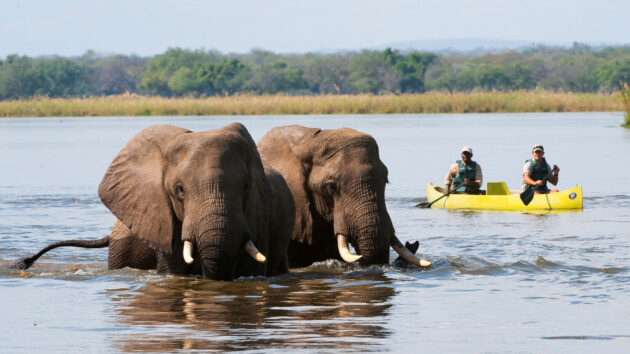
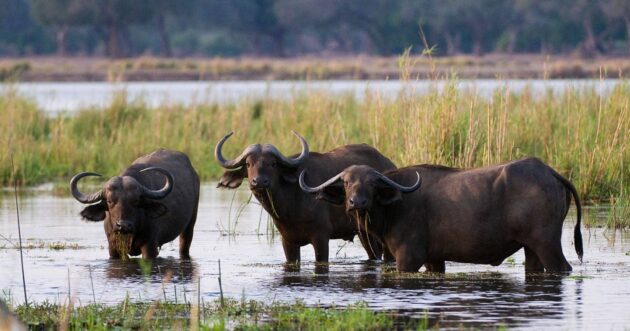
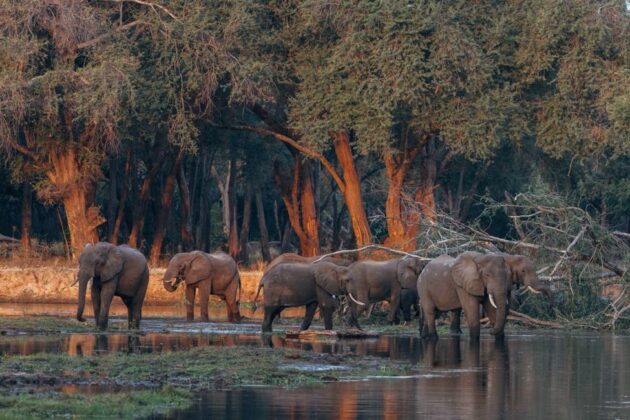
Wildlife Concentration — The park is famous for large herds of elephants, buffalo, hippos, and crocodiles along the river. Predators like lions, leopards, and occasional wild dogs are also regularly seen.
Diverse Activities — Unlike many parks, Lower Zambezi allows a mix of game drives, walking safaris, canoe safaris, boat cruises, night drives, and fishing — often all in the same stay.
Untouched Wilderness — No paved roads, limited camps, and a remote feel make it one of Africa’s most authentic safari regions.
Birdwatching — Over 400 bird species, including stunning carmine bee-eaters (especially September–November), fish eagles, and kingfishers.
Note: The park does not have giraffe, wildebeest, cheetah, or rhino, but compensates with exceptional elephant and predator sightings.
Best Time to Visit
Lower Zambezi is primarily a dry-season destination:
Peak Season (July–October) — Best wildlife viewing. Animals concentrate along the Zambezi River as inland water dries up. Excellent for game drives, photography, and predator sightings. October can be extremely hot (over 40°C/104°F).
Shoulder Season (May–June & early November) — Good game viewing, greener landscapes, fewer crowds, and lower rates. Canoeing is often possible.
Wet Season (November–April) — Most lodges close, roads become impassable, and many activities are limited. Only a few year-round options exist outside the park boundary (e.g., Chiawa GMA). Not recommended for first-time visitors.
Recommended: July–September for balanced weather, wildlife, and birdlife.
How to Get There
Most visitors arrive via Lusaka (Kenneth Kaunda International Airport – LUN).
By Air (Recommended & Fastest): Charter flights from Lusaka to airstrips inside/near the park (e.g., Jeki, Royal, or Mwambashi airstrips). Flight time: 30–45 minutes. Most lodges include airport pick-up and transfers in their packages.
By Road: Drive from Lusaka (~3–4 hours on mostly dirt roads; 4×4 required). Cross the Kafue River by pontoon near Chirundu, then continue to the park. Some lodges offer road transfers from Lusaka or Chirundu.
From Zimbabwe: Possible via Kariba (road or boat), but most visitors come from Lusaka.
Tip: Book internal flights and lodge transfers well in advance — availability is limited.
What to Do – Key Activities
Lower Zambezi stands out for its variety of experiences:
Game Drives — Morning, afternoon, and night drives in open 4×4 vehicles. Excellent for spotting big cats, elephants, and buffalo.
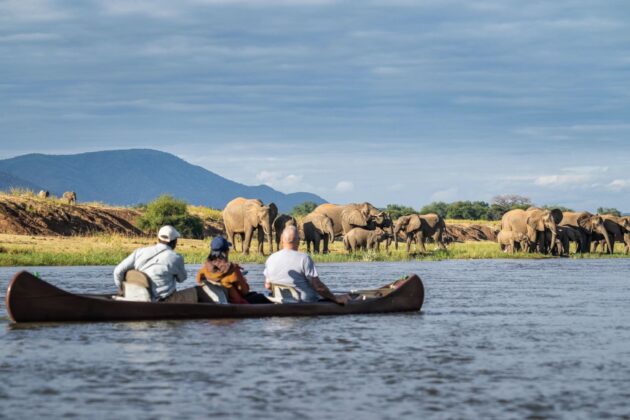
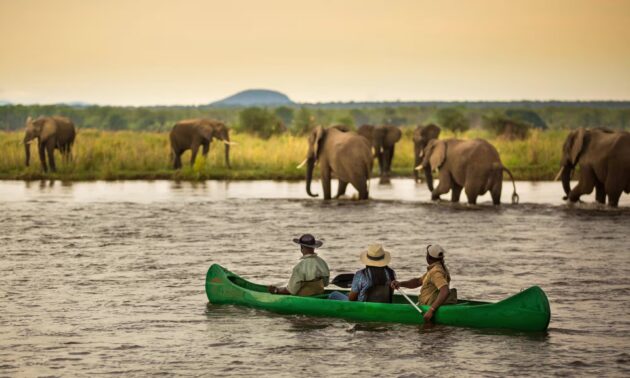
Canoe Safaris — One of the park’s signature activities. Paddle quietly along the Zambezi, getting close to hippos, crocs, and birds (guided for safety).
Boat Cruises & River Safaris — Sunset cruises, fishing trips, or full-day boat excursions. Great for spotting elephants drinking and hippo pods.
Walking Safaris — Guided bush walks with armed scouts. Focus on smaller wildlife, tracks, plants, and the thrill of being on foot.
Fishing — Tiger fishing is popular (especially September–October; catch-and-release).
Cultural & Relaxation — Some camps offer village visits or time to relax by the river.
Most lodges combine 2–3 activities per day.
Where to Stay
Accommodation is limited, exclusive, and often high-end. Most camps are small (6–12 tents/rooms) and located along the river.
Inside the National Park (best wildlife access): Chiawa Camp; Old Mondoro; Sausage Tree Camp.
Nearby (Chiawa Game Management Area – GMA): Royal Zambezi Lodge; Anabezi; Kasaka River Lodge (one of the few year-round options).
Budget/Community Options: Basic campsites or smaller lodges in the GMA.
Tip: Stay at least 3–4 nights to fully enjoy the range of activities. Book early — prime-season space fills quickly.
What to Pack & Practical Tips
Lightweight, neutral-colored clothing (long sleeves/pants for evenings & walks)
Hat, sunglasses, high-SPF sunscreen, insect repellent (malaria risk exists year-round)
Binoculars, good camera (with zoom lens), waterproof bag for boat/canoe
Reusable water bottle, headlamp/torch
Adaptor (British three-pin plugs)
Malaria prophylaxis (consult a doctor)
Respect rules: No swimming in the Zambezi (crocodiles & hippos), follow guide instructions
Health & Safety — Yellow fever vaccination may be required. Malaria is present — use prophylaxis and nets.
Final Thoughts
Lower Zambezi National Park delivers one of Africa’s most intimate and varied safari experiences. The combination of river-based adventures, abundant elephants, and unspoiled wilderness makes it a standout choice for those seeking something different from the more crowded parks. Whether gliding past hippos in a canoe at sunrise or watching lions hunt under the stars, a visit here feels truly wild and unforgettable.
Plan ahead, choose a reputable lodge, and prepare for an authentic Zambian safari adventure.
Safe travels!