

A Travel Guide to Kafue National Park (2026)
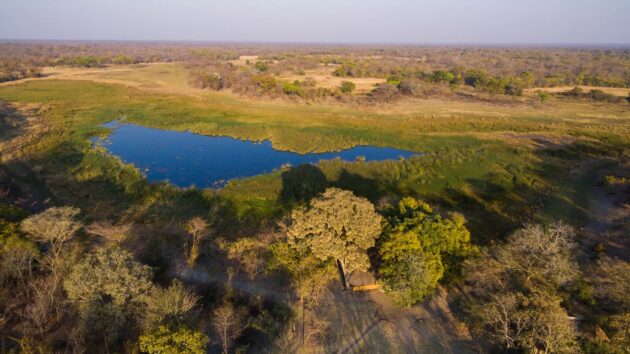
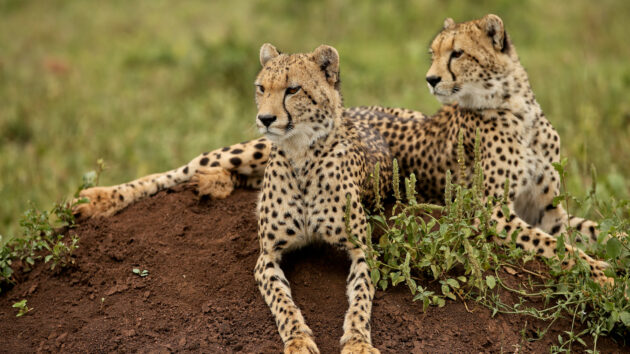
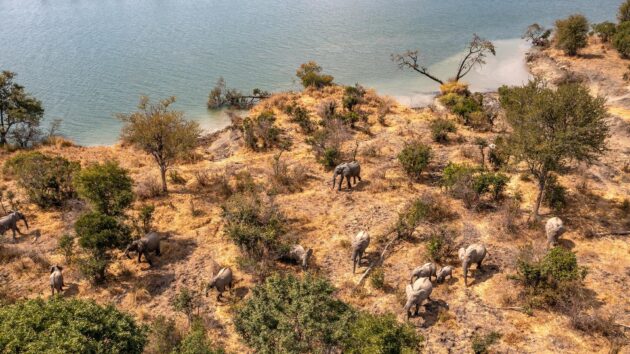
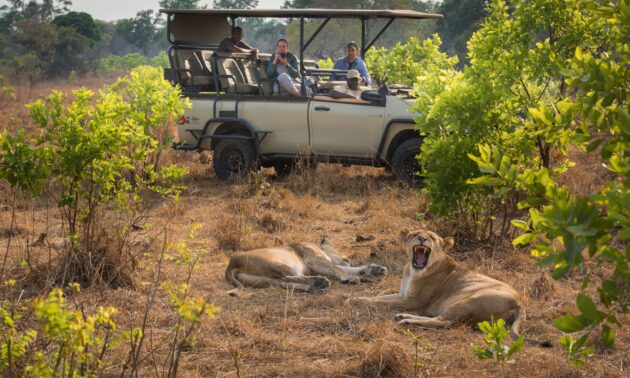
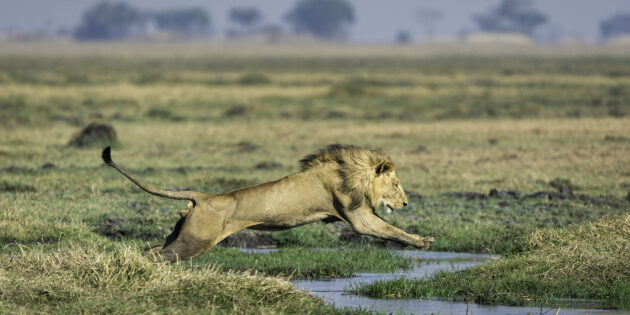
Kafue National Park is one of Africa’s largest and most pristine national parks, covering over 22,400 square kilometers (roughly the size of Wales) in western Zambia. As Zambia’s oldest national park (established in 1950), it offers vast, remote wilderness with diverse landscapes—from the iconic Busanga Plains floodplains in the north to the lush riverine areas and miombo woodlands in the south and central zones. It is renowned for its excellent predator sightings (lions, leopards, cheetahs, wild dogs), large herds of elephants, buffalo, and rare species like roan and sable antelope, plus incredible birdlife. Kafue delivers a true off-the-beaten-path safari experience with far fewer visitors than South Luangwa or Lower Zambezi.
Why Visit Kafue National Park?
Vast, unfenced wilderness with low tourist density → authentic, peaceful safaris.
Exceptional variety of habitats and wildlife (more mammal species than almost anywhere else in Zambia).
Unique activities: hot air ballooning over the plains, boat safaris on the Kafue River, night drives, walking safaris, and canoeing.
Home to predators and elusive animals like cheetah, wild dog, and the striking sitatunga antelope in the wetlands.
Best Time to Visit
Kafue is primarily a dry-season destination:
Peak season (July–October): Best wildlife viewing as animals concentrate around remaining water sources. Busanga Plains are fully accessible and at their most spectacular. Hot days, cool nights, excellent game drives and walking safaris.
Shoulder months (June & early November): Good wildlife, fewer crowds, slightly lower rates.
Wet season (November–May): Many camps close, roads become impassable, and Busanga Plains flood. Not recommended for most visitors.
Best overall window: August–October for prime game viewing and open plains.
How to Get There
Kafue lies about 360 km (4–5 hours’ drive) west of Lusaka, the capital.
By road: The most common option is driving from Lusaka via the M9 tar road to Mumbwa, then into the park (Nalusanga or Hook’s Bridge gates for southern/central areas). Self-drive is possible but a 4×4 is recommended, especially in remote sections.
By air (recommended for most visitors): Charter flights from Lusaka to airstrips inside the park (e.g., Busanga, Lunga Luswishi, or Hippo). Flights are arranged by your lodge/camp and typically take 1–2 hours.
Public transport option: Buses from Lusaka to Itezhi-Tezhi or Mongu can get you close to southern entrances, but you’ll need lodge pick-up arranged in advance.
Most visitors fly in as part of a pre-booked safari package.
Top Areas & What to Expect
Kafue has distinct zones with different highlights:
Busanga Plains (North): Vast open floodplains, predator-rich, excellent for walking, ballooning, and big herds. Seasonal (best June–October).
Central & Southern Kafue: Riverine areas along the Kafue River, woodlands, boat safaris, canoeing, fishing, and good general game viewing. More accessible year-round.
Nanzhila & other southern plains: Remote, beautiful for elephant herds and birdwatching.
Activities
Game drives (day & night) – excellent for big cats and nocturnal species.
Walking safaris – guided by expert trackers.
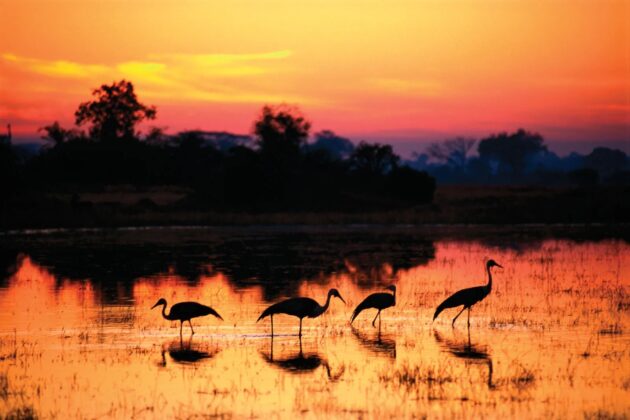
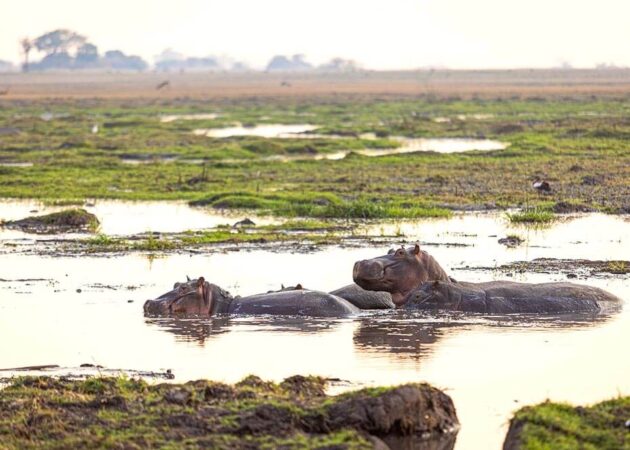
Boat safaris & canoe trips on the Kafue River – hippos, crocodiles, waterbirds, and dramatic sunsets.
Hot air balloon safaris (unique to Busanga Plains).
Fishing, birdwatching (over 500 species), and cultural visits in nearby communities.
Where to Stay
Kafue has a range of excellent camps and lodges (mostly small, intimate, and high-end). Book in advance, especially for peak season.
Busanga Plains (North)
Busanga Bush Camp – Iconic Wilderness camp on a fig-tree island, classic and atmospheric.
Shumba Camp – Stunning views, luxury tents, great predator sightings.
Chisa Busanga Camp – Newer, intimate with unique bird’s-nest style rooms and observation decks.
Busanga Plains Camp (Mukambi) – Luxury tents overlooking the floodplain.
Central & Southern
Ila Safari Lodge – Riverside location, excellent boat safaris and walking.
Nanzhila Plains Camp & Nanzhila Lake Camp – Remote, beautiful, good value.
Mukambi Safari Lodge – Comfortable base with access to multiple zones.
Kaingu Lodge – Riverside luxury, great for river activities.
Most lodges offer all-inclusive packages (meals, game drives, activities, and transfers).
What to Bring
Neutral-colored clothing (long sleeves/pants for evenings and walks).
Binoculars, camera with zoom lens, sunscreen, hat, insect repellent.
Good walking shoes, light rain jacket (even in dry season), and layers for cool mornings/evenings.
Malaria prophylaxis is essential—consult your doctor.
Tips for a Great Experience
Book through a reputable operator or directly with camps—many include internal flights and transfers.
Combine Kafue with South Luangwa (for walking safaris) or Lower Zambezi (for river focus) for a fuller Zambian safari.
Respect the wilderness: follow your guide’s instructions, keep noise low, and leave no trace.
Expect remote conditions—Kafue is wild and less commercialized than many parks.
Budget: High-end camps are expensive, but the experience is world-class and uncrowded.
Kafue National Park offers one of Africa’s most authentic and rewarding safari experiences—perfect for travelers seeking solitude, diverse wildlife, and a sense of true wilderness. Plan carefully, and prepare to be amazed by this vast, untamed gem of Zambia. Safe travels!