

A Travel Guide to Bangweulu Wetlands (2026)
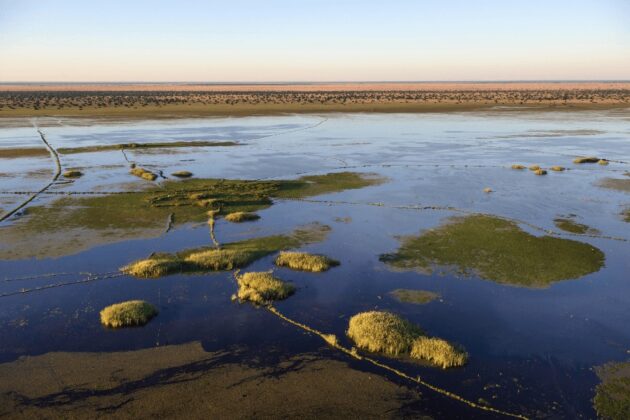
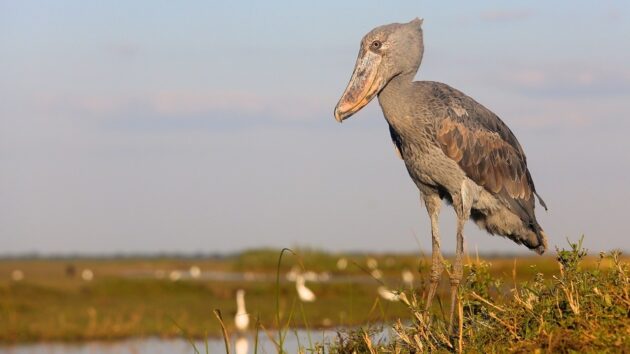
The Bangweulu Wetlands, meaning “where the water meets the sky” in local Bemba language, is one of Zambia’s most remote and magical wilderness areas. This vast floodplain and swamp system, surrounding Lake Bangweulu in northern Zambia, offers a unique blend of pristine wetlands, abundant birdlife, endemic antelope, and authentic community-based conservation. Managed in partnership with African Parks and local communities, Bangweulu is especially famous as one of the best places in the world to see the prehistoric-looking shoebill stork.
Far less crowded than Zambia’s famous parks like South Luangwa or Kafue, Bangweulu delivers an off-the-beaten-path experience that feels truly wild and untouched.
Why Visit Bangweulu Wetlands?
Home to one of the highest concentrations of shoebill storks anywhere in Africa.
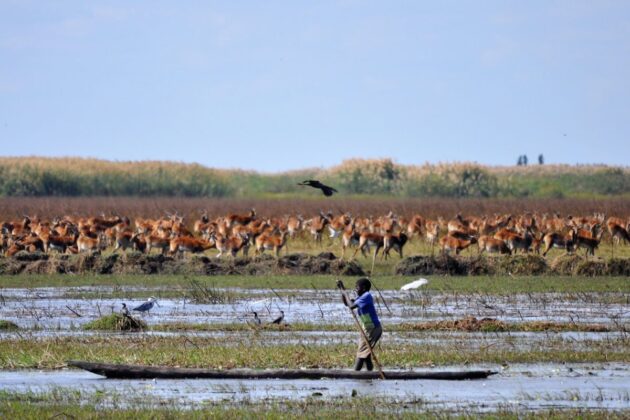
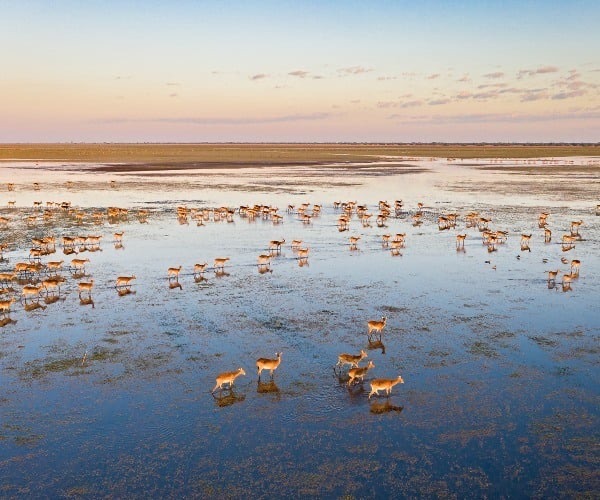
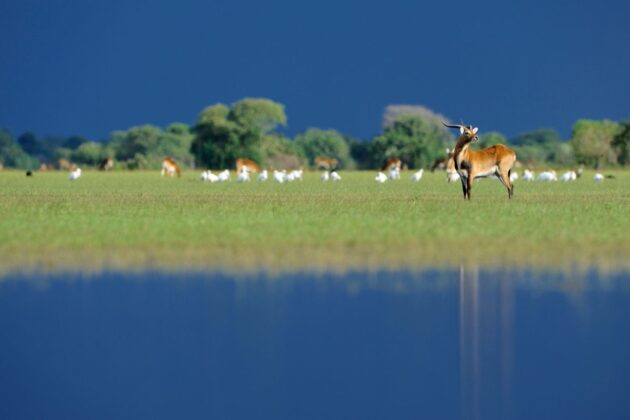
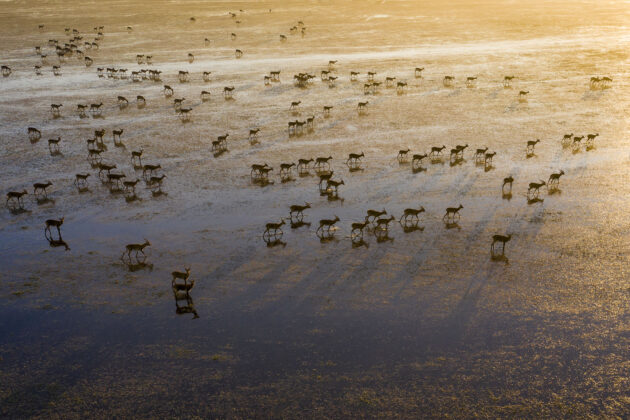
Massive herds of the endemic black lechwe antelope — found nowhere else in the world.
Over 400 bird species recorded — a paradise for birdwatchers.
Stunning seasonal floodplains that transform dramatically between wet and dry seasons.
Community conservation model where tourism directly supports local people.
Historical significance: the area is linked to David Livingstone’s final journey (Livingstone Memorial is nearby).
How to Get There
Bangweulu is remote, so access requires planning.
By Air (Recommended): Charter flights are the most convenient and scenic option. Flights usually depart from Lusaka, Mfuwe (South Luangwa), or Ndola. Several small airstrips serve the area (e.g., near Shoebill Island Camp). Flight time from Lusaka is about 2–3 hours.
By Road: Self-drive or guided overland is possible but challenging. Most travelers drive from Lusaka (about 10–12 hours) or break the journey in Serenje or Kasanka National Park (famous for its bat migration). Roads can be rough, especially in the rainy season; a sturdy 4×4 is essential.
Combined Itineraries: Many visitors combine Bangweulu with Kasanka National Park or South Luangwa for a multi-destination trip.
Best Time to Visit
The wetlands change dramatically with the seasons:
May–July (Best Overall): Water levels recede, floodplains dry out, black lechwe herds concentrate in large numbers, and shoebills are easier to spot. Roads are accessible, weather is pleasant (cooler mornings/evenings).
August–October (Dry Season Peak): Very good for game drives, walking, and viewing large herds of antelope. Temperatures rise, dust can be an issue, but wildlife gathers around remaining water sources.
November–April (Wet Season): Floodplains turn into a vast water wilderness — spectacular for birdwatching and mokoro (canoe) trips. Many camps close due to high water, and access becomes difficult or impossible by road. Shoebills are present but harder to reach.
Tip: For shoebill sightings, May–September is generally considered the most reliable window.
What to Do
Activities are focused on wildlife viewing and immersion in the wetland environment:
Shoebill Tracking & Birdwatching: The star attraction. Guided walks or boat trips take you deep into the swamps to search for shoebills. Over 400 bird species have been recorded — expect herons, storks, eagles, bee-eaters, and wattled cranes.
Game Drives & Walking Safaris: Explore the floodplains and woodlands to see black lechwe, tsessebe, buffalo, elephant (in smaller numbers), and predators like lion and hyena.
Mokoro (Canoe) Trips: Glide silently through channels and lagoons to observe birdlife, fishing villages, and the daily life of local communities.
Visit the Livingstone Memorial: A short excursion to the spot where explorer David Livingstone’s heart was buried (his body was sent back to Britain).
Community & Cultural Experiences: Interact with local fishing communities, learn about traditional life in the wetlands, and support community-based tourism.
Where to Stay
Options range from rustic to comfortable:
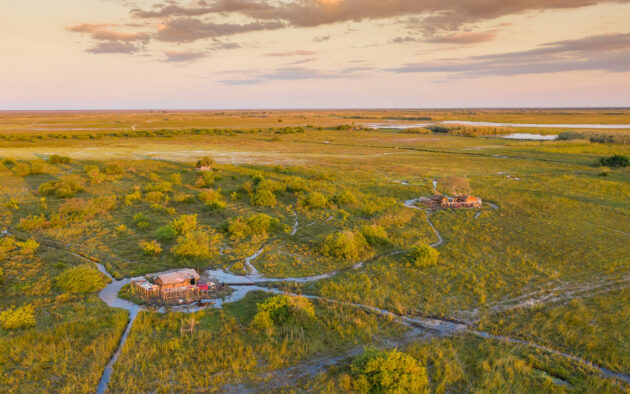
Shoebill Island Camp — A beautiful, intimate camp overlooking the wetlands. Excellent for birders and shoebill seekers. Run by experienced guides.
Nsobe Community Camp — Rustic campsite with basic ablutions, bucket showers, and no electricity. Open May–November. Great value and supports local communities.
Other Camps — A handful of small, mobile or seasonal camps operate in the area, often bookable through specialist operators.
Many visitors stay in Kasanka National Park (Wasa Lodge or Luwombwa) and do day trips into Bangweulu.
Practical Tips
What to Bring: Binoculars (essential!), camera with zoom lens, sun protection, insect repellent (malaria area), lightweight long-sleeved clothing, sturdy walking shoes, rain gear (especially shoulder season), and a head torch.
Health & Safety: Malaria risk is high — take prophylactics. Bring sufficient drinking water and snacks. Mobile signal is patchy.
Conservation Fees: Day visitor fees apply (check African Parks website for current rates).
Book in Advance: Especially for shoebill-focused trips, as guides and camps have limited capacity.
Operators: Specialist companies like Robin Pope Safaris, African Parks partners, or local operators offer guided shoebill safaris and multi-day packages.
Final Thoughts
Bangweulu Wetlands is not a classic big-game safari destination — it’s a place for those who love birds, solitude, vast landscapes, and authentic wilderness. Seeing a shoebill in the wild is a rare privilege, and the sight of thousands of black lechwe moving across shimmering floodplains is unforgettable. If you’re looking for a quieter, more intimate side of Zambia, Bangweulu delivers an extraordinary and deeply rewarding experience.
Safe travels — and may the water meet the sky for you!