
A Travel Guide to Malawi (2026)
Malawi, often called the “Warm Heart of Africa,” is a landlocked gem in southeastern Africa known for its friendly people, stunning natural beauty, and diverse experiences. Dominated by the massive Lake Malawi (a UNESCO World Heritage Site), the country offers pristine freshwater beaches, world-class wildlife safaris, rugged mountains, and vibrant culture. It’s an excellent destination for travelers seeking an authentic, less-crowded African experience that combines lake relaxation with Big Five safaris.
Why Visit Malawi?
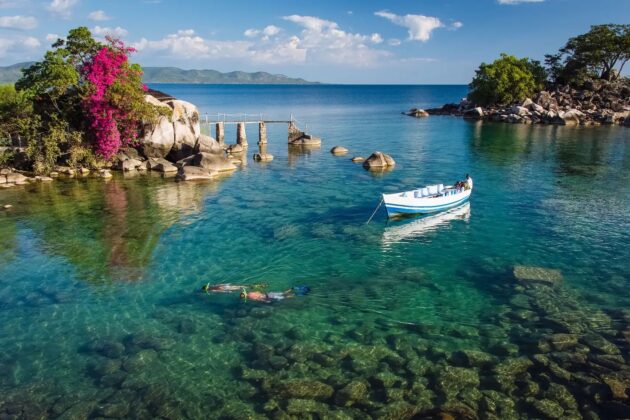
One of Africa’s largest freshwater lakes for snorkeling, diving, kayaking, and beach time.
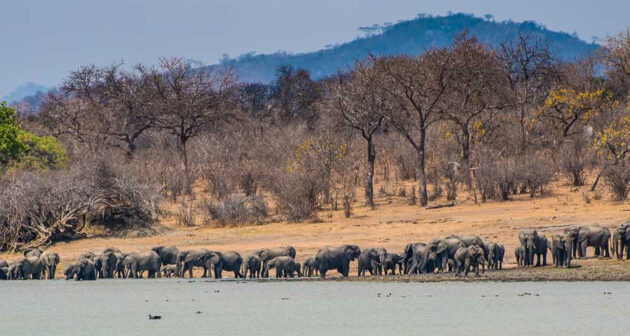
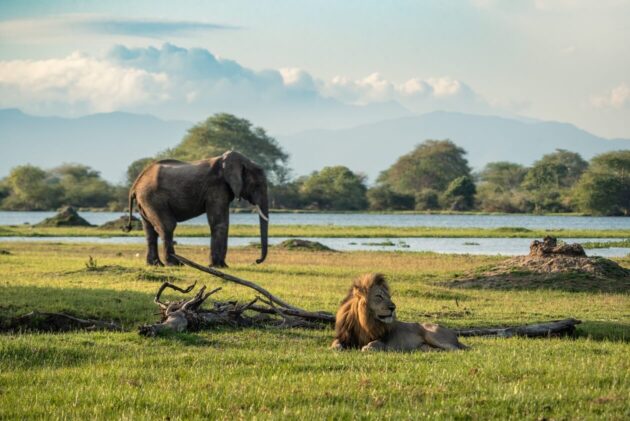
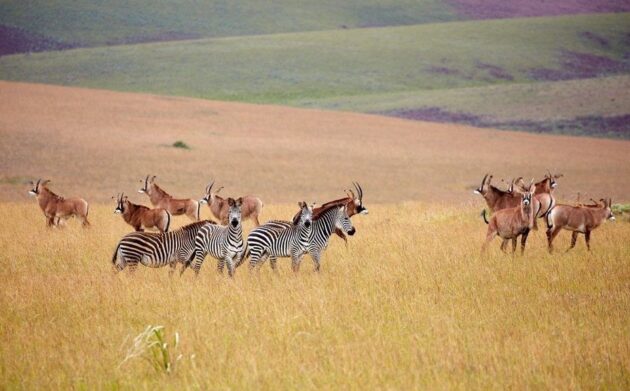
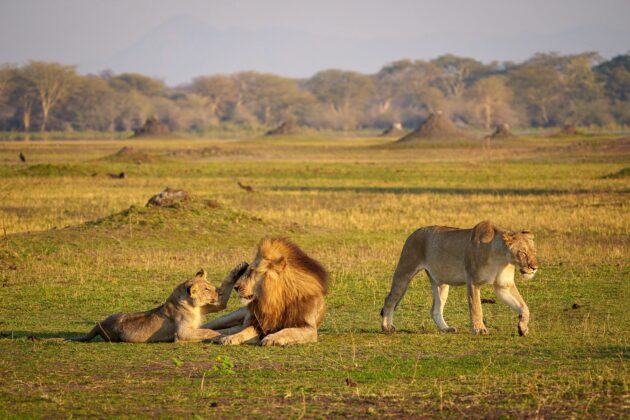
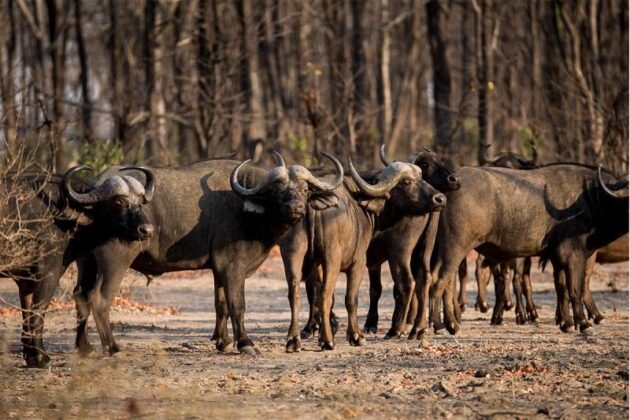
Thriving wildlife reserves where you can spot elephants, lions, rhinos, leopards, and buffalo.
Friendly locals and a relaxed pace.
Affordable travel compared to many other African safari destinations.
It’s ideal for first-time Africa visitors, nature lovers, and those wanting to combine safari with beach relaxation.
Best Time to Visit
The dry season (May to October) is generally the best time:
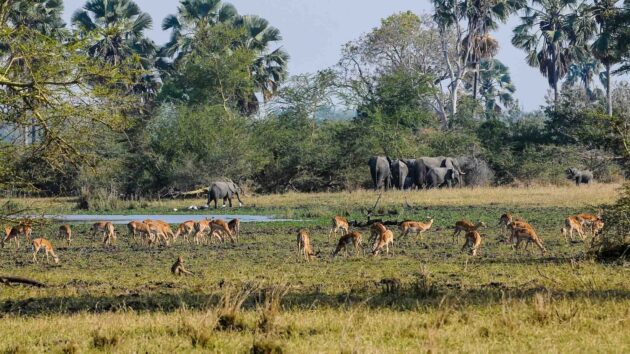
Wildlife viewing peaks from July to October — animals gather around water sources, vegetation thins, and game drives are excellent.
Lake Malawi is calm and clear for water activities (especially September–October).
Cooler temperatures (pleasant days, fresh evenings).
Avoid the rainy season (November–April) for safaris, as roads can become muddy and some parks/lodges close. Birdwatching is excellent then, though.
How to Get There
Main airport: Lilongwe (Kamuzu International Airport – LLW) in the capital, with flights from Johannesburg, Nairobi, Addis Ababa, and some European hubs.
Alternative: Blantyre (Chileka International Airport – BLZ) in the south.
Visa requirements: Most nationalities require a visa (eVisa available online or on arrival at major ports). Check the official Malawi Department of Immigration website for the latest rules, fees, and exemptions. Passports should be valid for at least 6 months.
Getting around: Domestic flights (e.g., to Likoma Island), buses/minibuses (affordable but slow), private transfers, or self-drive (4×4 recommended outside main roads). Fuel shortages can occur — plan ahead.
Top Places to Visit & Things to Do
Lake Malawi National Park
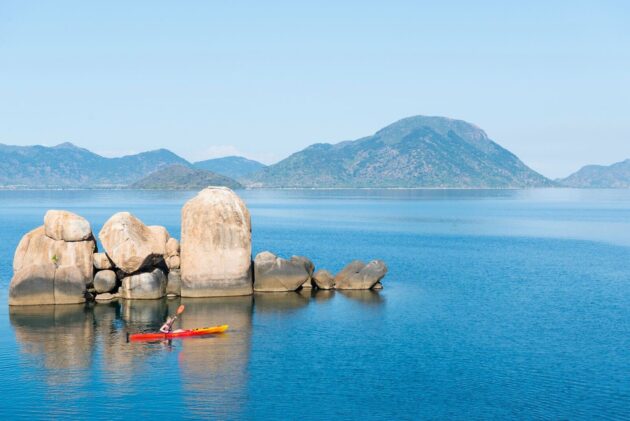
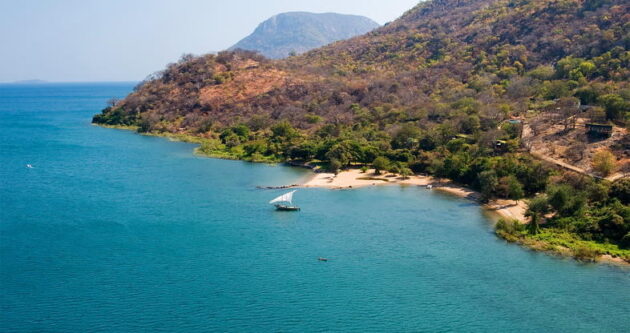
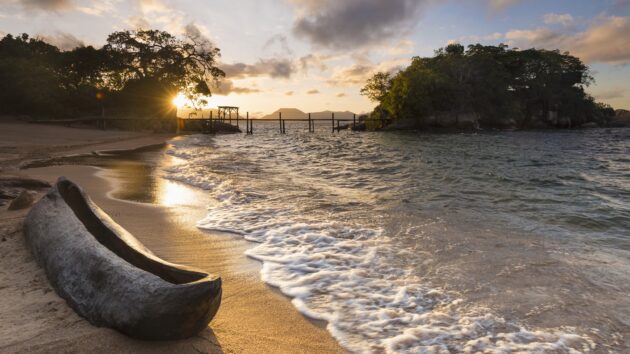
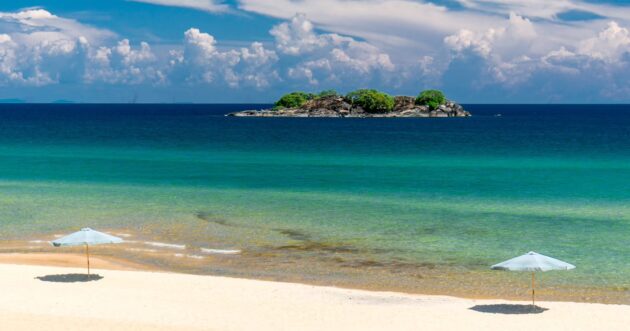
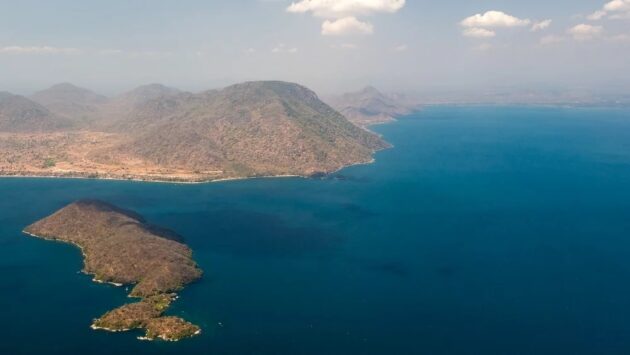
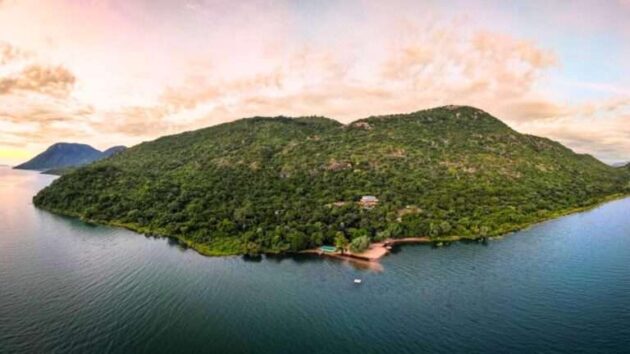
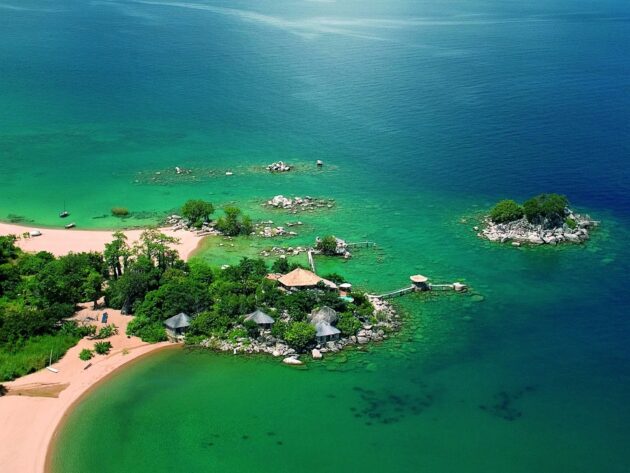
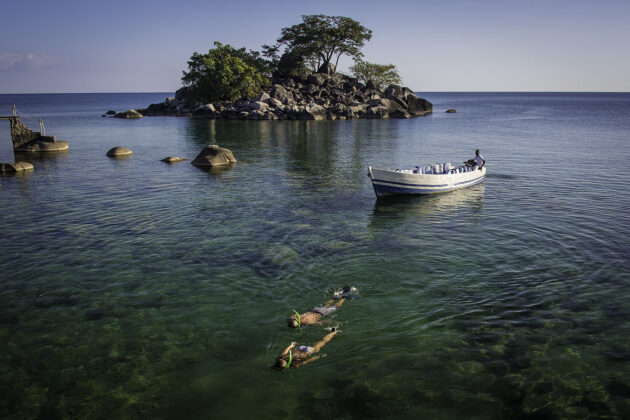
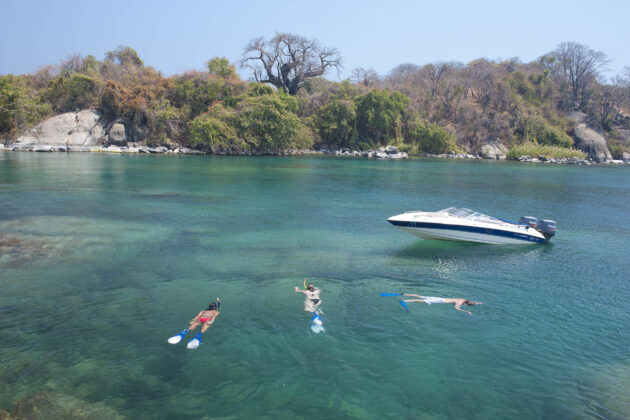
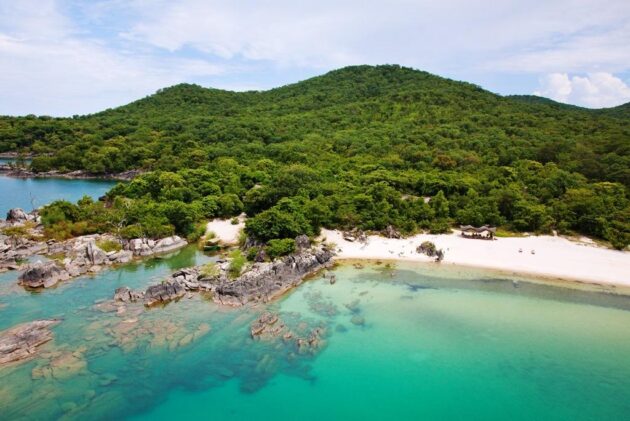
Lake Malawi National Park is one of Africa’s most unique protected areas — a UNESCO World Heritage Site recognized primarily for its extraordinary underwater biodiversity. Located at the southern end of Lake Malawi (also known as Lake Nyasa), the park protects a stunning stretch of the lake’s crystal-clear waters, rocky shores, and surrounding miombo woodlands.
Likoma Island
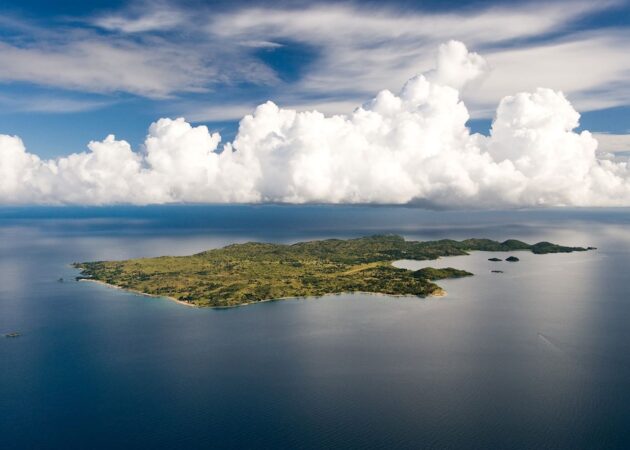
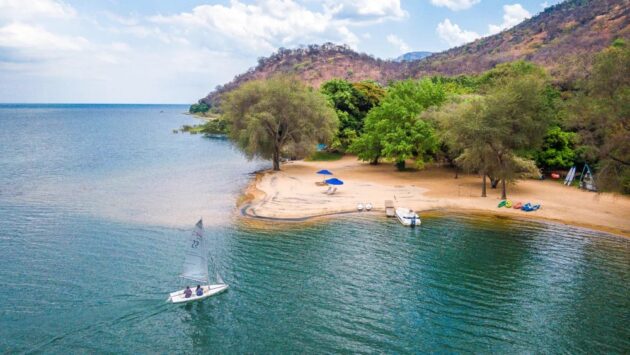
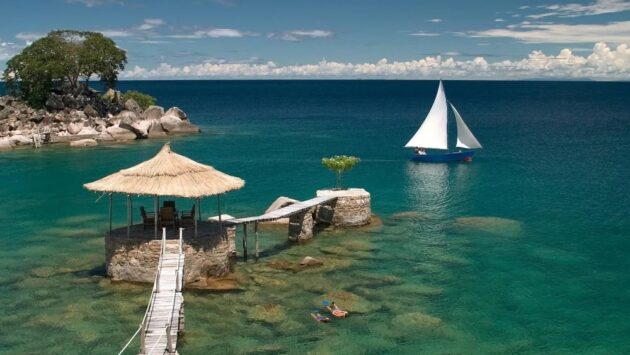
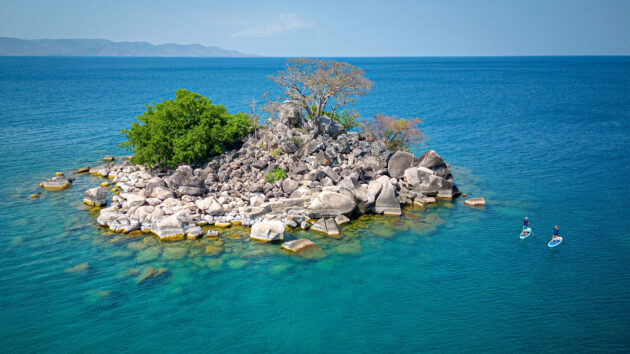
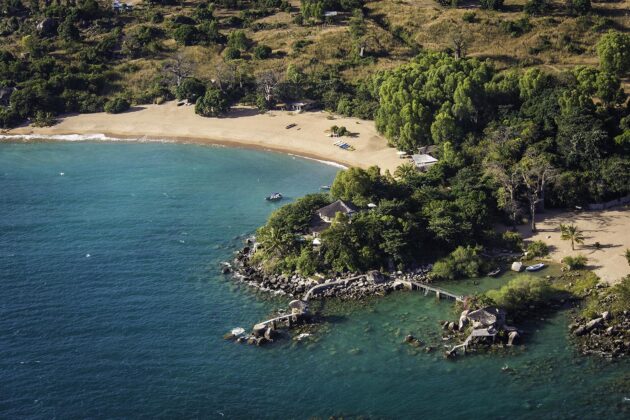
Likoma Island is one of Malawi’s most enchanting and remote destinations—a tiny Malawian enclave surrounded by Mozambican waters in the northeastern corner of Lake Malawi. Covering just 17 km², this peaceful island offers golden sandy beaches, crystal-clear waters teeming with colorful cichlid fish, giant baobab trees, rocky coves, and a surprisingly rich colonial history.
Liwonde National Park
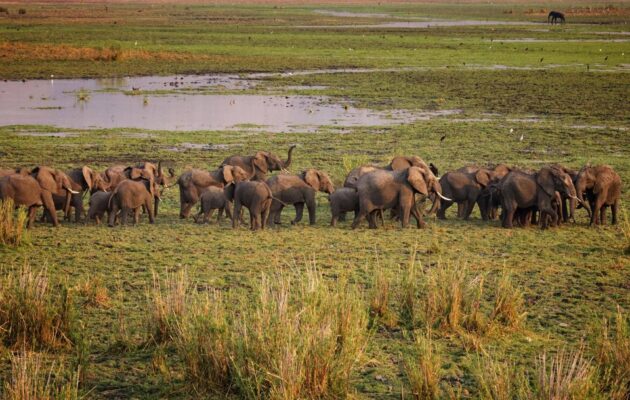
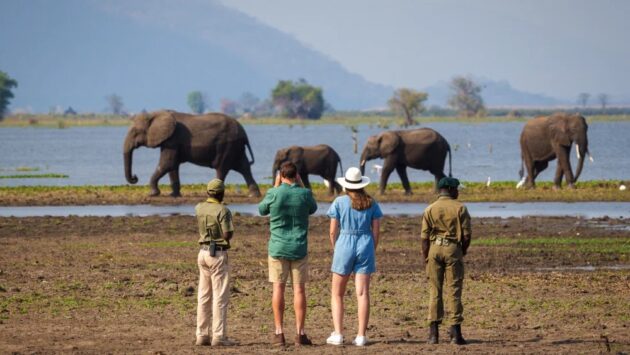
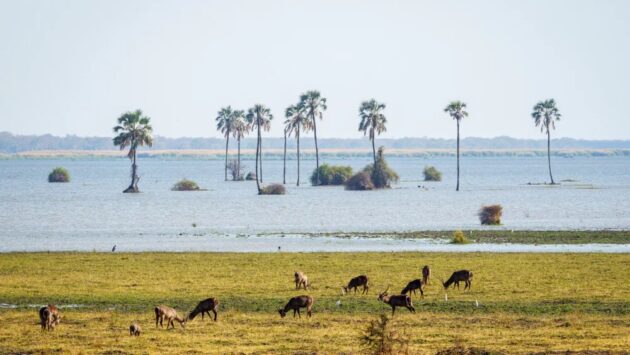
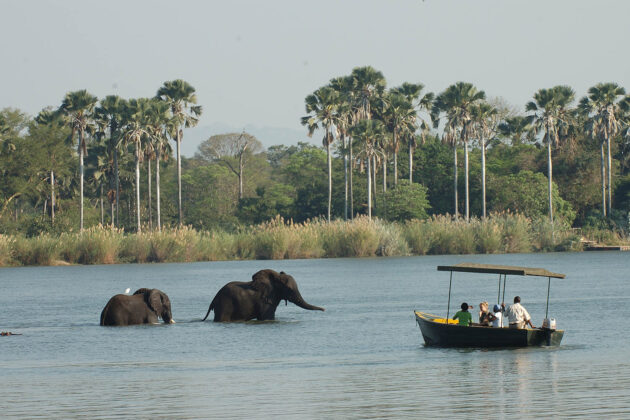
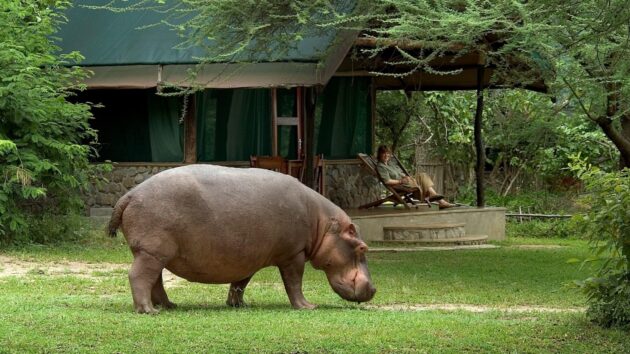
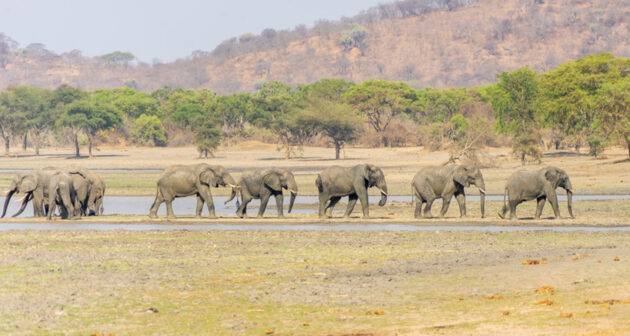
Situated in the south of the country along the scenic Shire River (which flows out of Lake Malawi), this compact 548 km² (212 sq mi) park offers an intimate safari experience with excellent river-based wildlife viewing. Managed by African Parks since 2015, Liwonde has seen significant conservation success, including the reintroduction of black rhinos, making it a Big Five destination (though lion and leopard sightings remain rare).
Nyika National Park
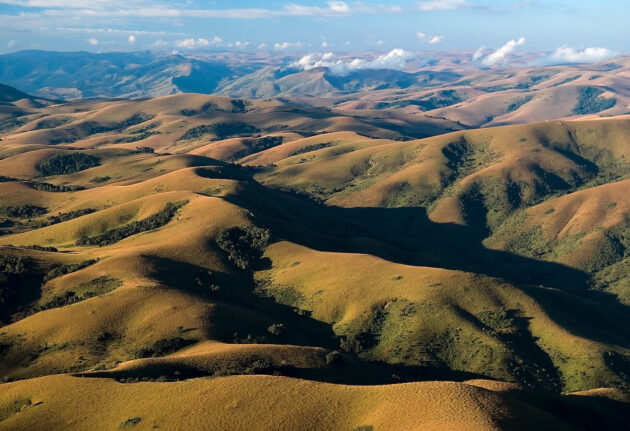
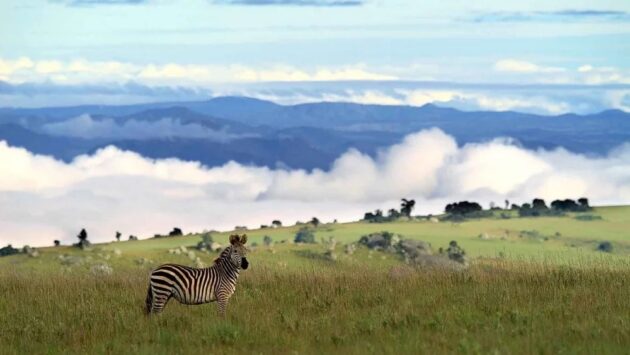
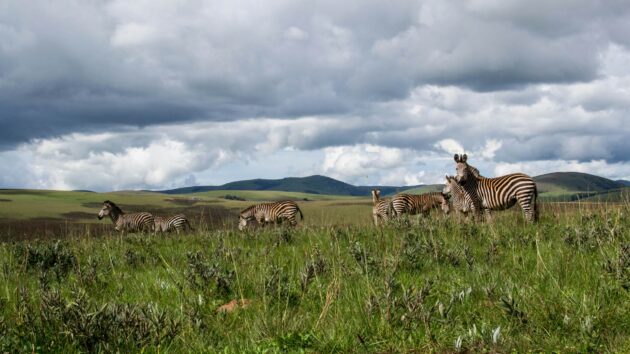
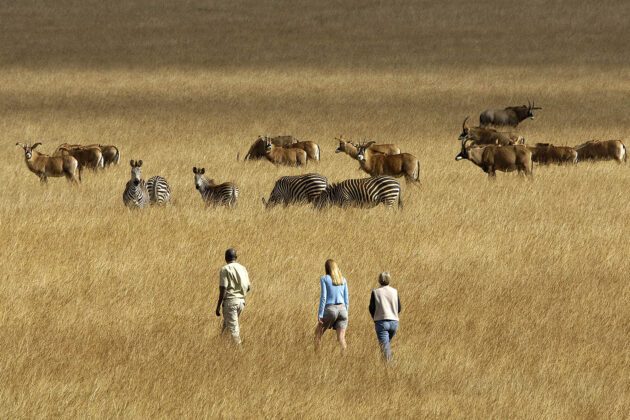
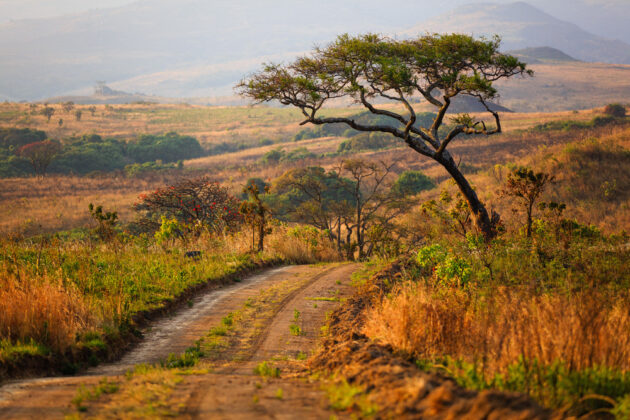
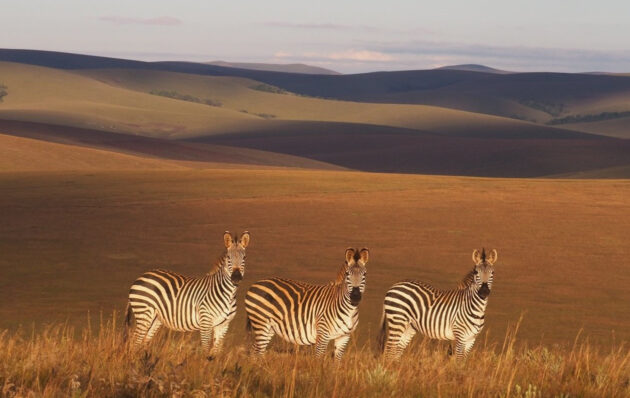
Situated on the expansive Nyika Plateau at elevations between 2,100–2,605 meters (6,890–8,547 ft), it offers a dramatically different safari experience compared to typical African savannah parks. The landscape features rolling montane grasslands, pine forests, misty hills, waterfalls, and pockets of evergreen forest—often compared to the Scottish Highlands or Yorkshire Dales, but with African wildlife.
Kasungu National Park
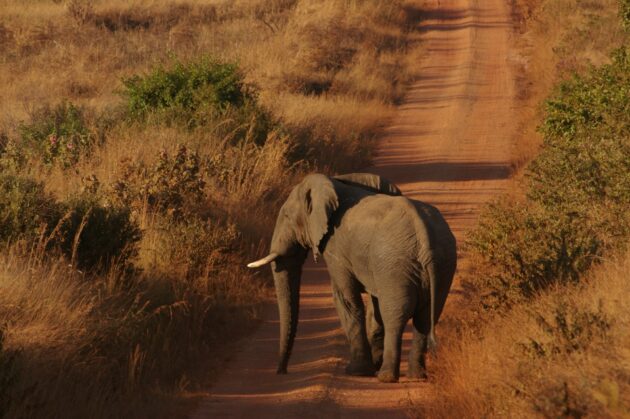
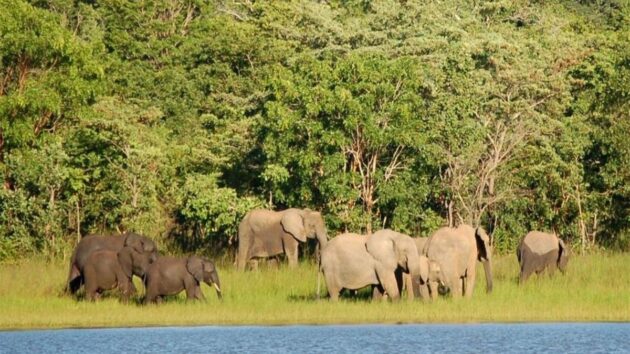
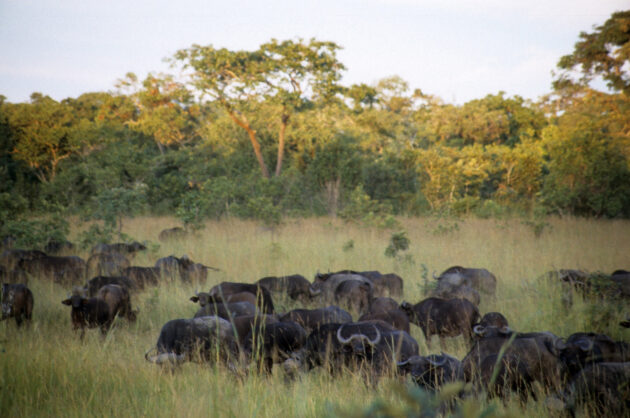
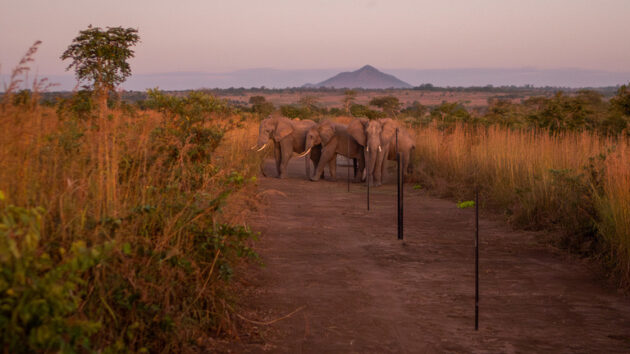
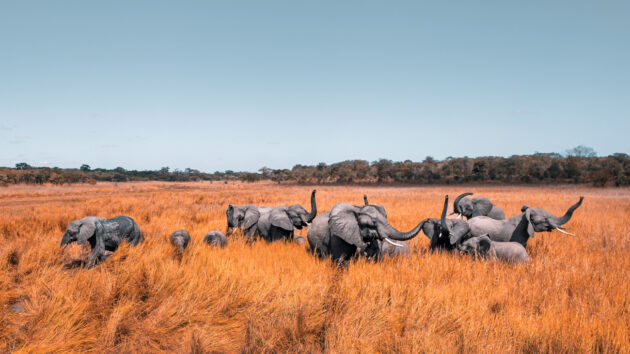
Located in central Malawi near the border with Zambia, the park spans approximately 2,316 km² of miombo woodland, open grasslands, and riverine areas. It is especially known for its recovering elephant population, diverse birdlife, and peaceful atmosphere—far less crowded than more famous parks like Liwonde or South Luangwa in neighboring Zambia.
Sample 10–14 Day Itinerary
Days 1–2: Arrive in Lilongwe → Explore city & wildlife centre → Fly/drive to Lake Malawi (Cape Maclear or Senga Bay).
Days 3–6: Lake time — snorkel, kayak, relax on beaches, visit local villages. Optional island hop to Likoma.
Days 7–9: Transfer to Liwonde National Park — boat safaris, game drives, walking safaris.
Days 10–12: Head to Majete Wildlife Reserve — Big Five spotting, night drives.
Days 13–14: Optional Mulanje hike or return to Lilongwe/Blantyre for departure.
Shorter trip? Focus on Lake Malawi + one park (Liwonde or Majete).
Practical Tips
Health & Safety: Malaria risk — take prophylaxis. Drink bottled water. Vaccinations: hepatitis A, typhoid recommended; yellow fever if coming from endemic area.
Malawi is generally safe for tourists, but exercise normal precautions (avoid walking alone at night in cities).
Currency & Costs: Malawian Kwacha (MWK). Bring USD cash for exchanges/lodges. Budget: $80–150/day mid-range (lodge, meals, activities).
What to Pack: Light layers, good walking shoes, binoculars, sunscreen, insect repellent, reusable water bottle.
Respect Local Culture: Dress modestly in villages, ask before photographing people, support community tourism.
Malawi delivers an intimate, welcoming African adventure with incredible value. Whether you’re drawn to the endless blue of Lake Malawi or the thrill of a rhino sighting, this “Warm Heart” will leave a lasting impression. Safe travels!