
A Travel Guide to Liwonde National Park (2026)
Liwonde National Park is one of Malawi’s premier wildlife destinations and a true hidden gem in southern Africa. Situated in the south of the country along the scenic Shire River (which flows out of Lake Malawi), this compact 548 km² (212 sq mi) park offers an intimate safari experience with excellent river-based wildlife viewing.
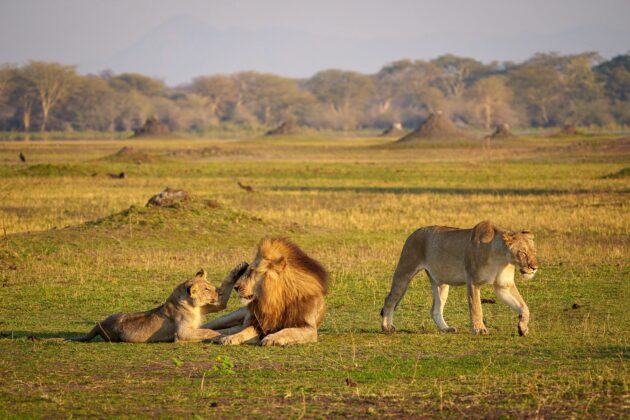
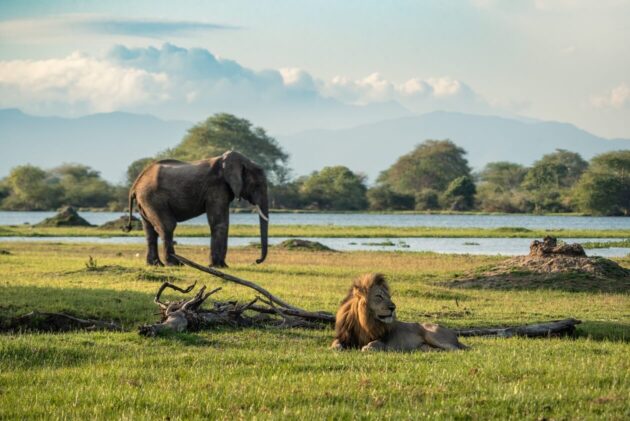
Managed by African Parks since 2015, Liwonde has seen significant conservation success, including the reintroduction of black rhinos, making it a Big Five destination (though lion and leopard sightings remain rare). Expect large herds of elephants, abundant hippos and Nile crocodiles, plus diverse antelope, birds, and more—all set against lush riverine forests, floodplains, and mopane woodlands.
Why Visit Liwonde National Park?
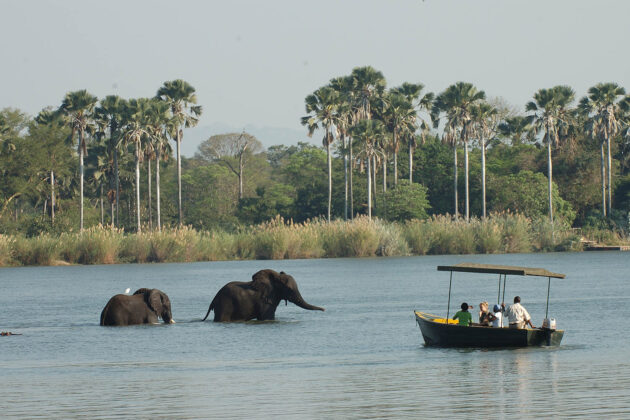
Liwonde stands out for its atmospheric Shire River safaris, where boat trips bring you incredibly close to wildlife. The park is less crowded than many East African reserves, offering a peaceful, authentic experience with knowledgeable guides who emphasize ecology and smaller details. It’s ideal for birdwatchers (over 400 species), families, first-time safari-goers, and those combining wildlife with Lake Malawi beach time.
How to Get There
By Road: From Blantyre (Chileka International Airport): About 2.5 hours (120 km) drive. From Lilongwe (capital): Around 4 hours (250 km). A 4×4 vehicle is recommended during the wet season (December–April) due to potential muddy roads. Self-drive is possible, but most visitors opt for transfers or guided tours.
By Air: Private charters or light aircraft can land near the park for a quicker, scenic arrival.
Park Access: The main gate is near Liwonde town. Park hours are typically 6:00 AM to 6:00 PM.
Best Time to Visit
The dry season from May to October is widely regarded as the best time for wildlife viewing:
Animals concentrate around the Shire River and waterholes, making sightings reliable and photography easier.
Vegetation is thinner, roads are accessible, and boat safaris are at their prime.
Peak months (July–October): Excellent game viewing; expect warm days and cooler nights. September–October can be very hot (high 30s°C / 90s°F).
Shoulder months (April–May & November): Fewer crowds, lower rates, and still good wildlife, though rain may start in November.
The wet season (November–April) brings lush landscapes, baby animals, and superb birdwatching (including migrants), but roads can become challenging, and some areas may be less accessible. Heavy rain is common December–March.
Wildlife Highlights
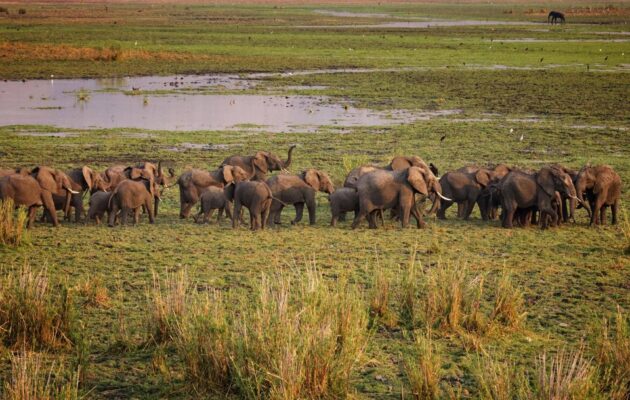
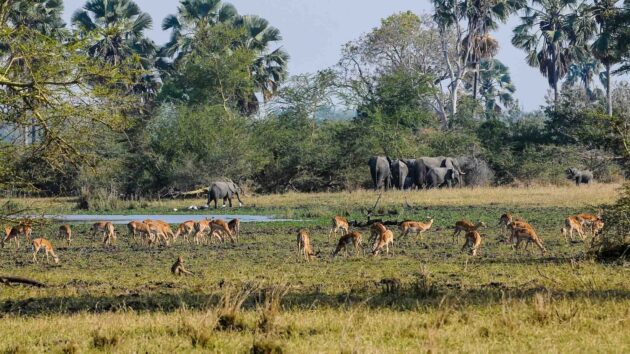
Elephants — Large herds frequently visit the river.
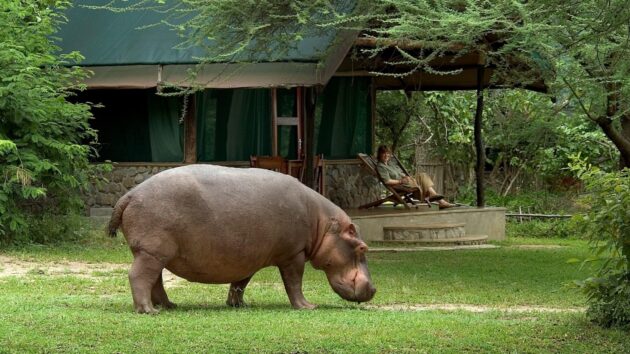
Hippos & Nile Crocodiles — Abundant along the Shire; boat trips offer close encounters.
Black Rhino — Reintroduced and thriving—Liwonde is one of the best places in southern Africa to see them.
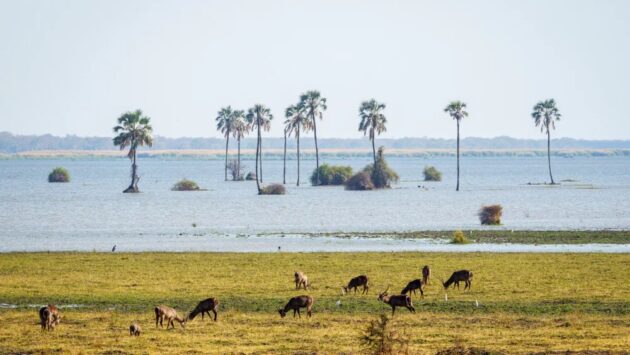
Other mammals — Buffalo, sable antelope, waterbuck, impala, warthog, yellow baboon, and occasional big cats.
Birdlife — Exceptional, with species like Pel’s fishing owl, African fish eagle, kingfishers, and many waterbirds.
Top Activities & Experiences
Boat Safaris on the Shire River (the park’s signature activity): Morning, afternoon, or sunset cruises (motorized boats or canoes). Spot hippos, crocs, elephants drinking, and birds at close range. Many lodges offer breakfast or sundowner trips.
Game Drives: Morning and late-afternoon 4×4 drives (2–3 hours). Night drives available at some camps for nocturnal species.
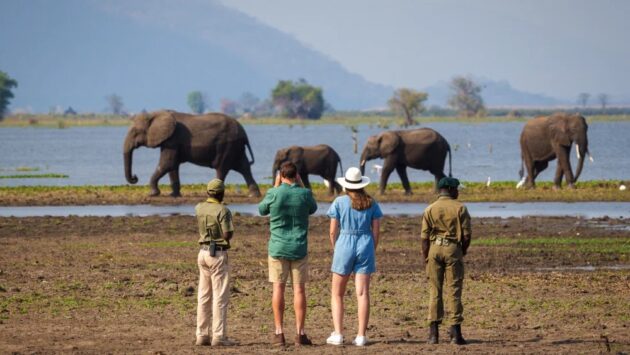
Guided Walking Safaris: Early-morning bush walks with armed rangers (dry season only). Great for learning about tracks, plants, and smaller wildlife.
Birdwatching & Photography: Excellent opportunities year-round, especially along the river.
Cultural & Community Experiences: Some operators offer village visits or interactions with local communities.
Where to Stay
Inside the Park: Mvuu Lodge / Mvuu Camp — Classic tented camp on the riverbank; excellent boat safaris, game drives, and walking options. Chimwala Camp — More budget-friendly option with guided activities.
Nearby / Outside the Park: Kutchire Lodge, Liwonde Safari Camp, and others near the main gate — Convenient for day trips or boat safaris.
Accommodations range from luxury tented camps to mid-range and budget options. Most include full-board and activities. Book in advance, especially for peak season.
Practical Tips
Entry Fees: Approximately US$20–30 per person per day (international visitors); activity fees (boat/game drives) are extra.
What to Bring: Binoculars, camera, neutral-colored clothing, hat, sunscreen, insect repellent (malaria risk—prophylaxis recommended), light layers for cool mornings/evenings, and reusable water bottle.
Health & Safety: Malaria area—consult a doctor for prophylaxis. Follow ranger instructions; stay in vehicles/on paths.
Best for: 2–4 nights to fully enjoy boat and land activities.
Combine with: Lake Malawi (Cape Maclear or Likoma Island) for a classic Malawi itinerary of wildlife + beach.
Liwonde National Park delivers an unforgettable, relaxed safari experience with stunning river views and abundant wildlife. Far from the crowds of bigger African parks, it offers genuine wilderness and warm Malawian hospitality. Whether drifting past bathing elephants on a boat or tracking rhinos on foot, Liwonde is a rewarding addition to any southern Africa itinerary. Safe travels and enjoy your Malawian adventure!