
Nyika National Park Travel Guide (2026)
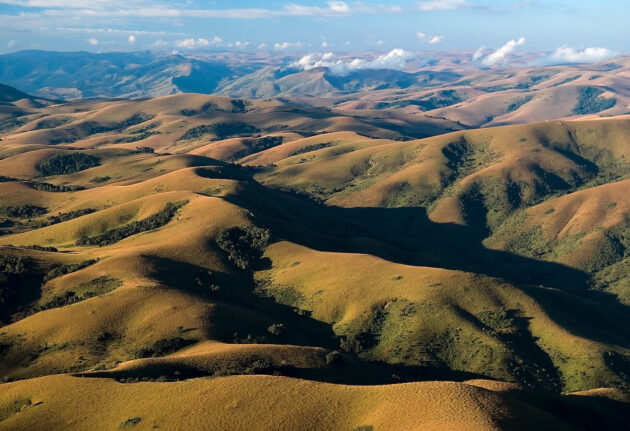
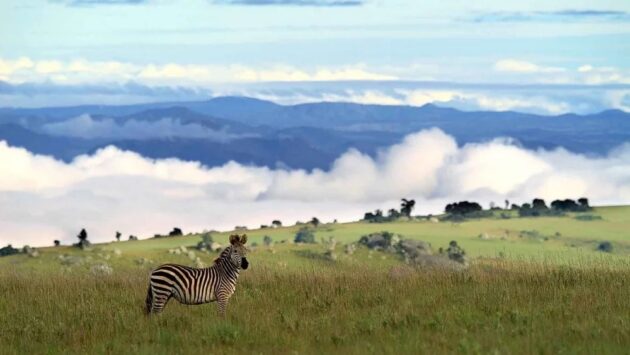
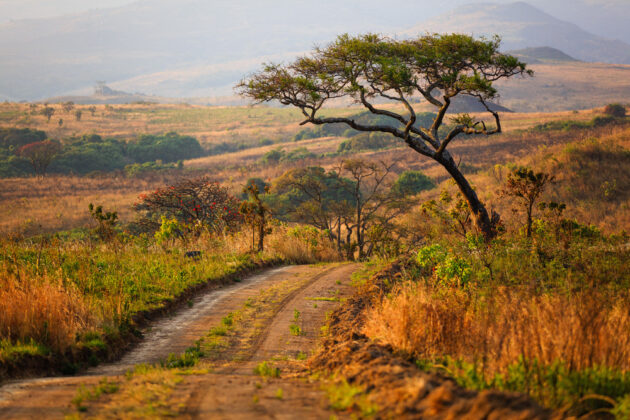
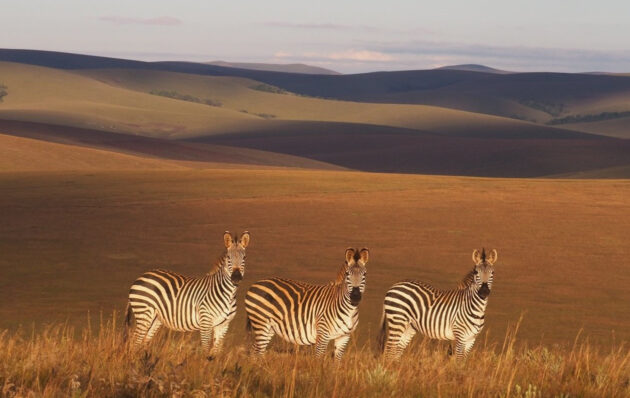
Nyika National Park, located in northern Malawi, is the country’s largest and most unique national park. Situated on the expansive Nyika Plateau at elevations between 2,100–2,605 meters (6,890–8,547 ft), it offers a dramatically different safari experience compared to typical African savannah parks. The landscape features rolling montane grasslands, pine forests, misty hills, waterfalls, and pockets of evergreen forest—often compared to the Scottish Highlands or Yorkshire Dales, but with African wildlife.
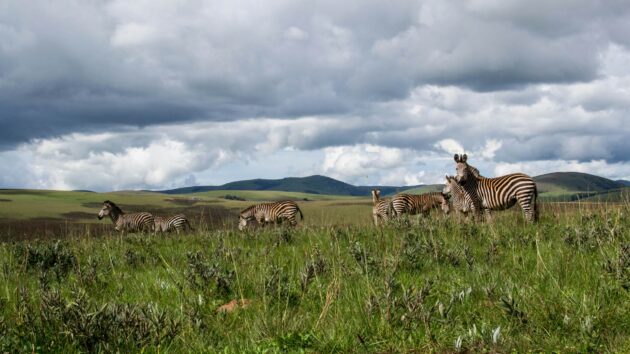
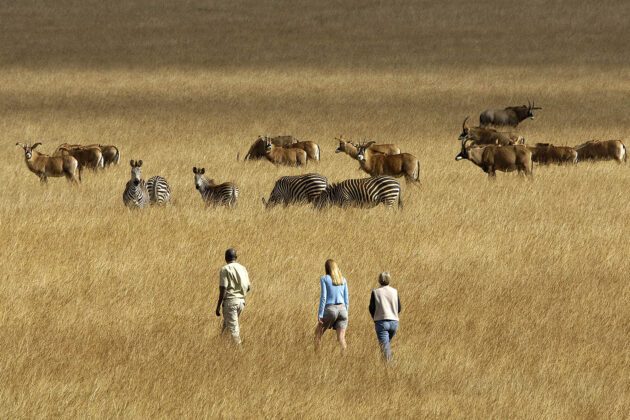
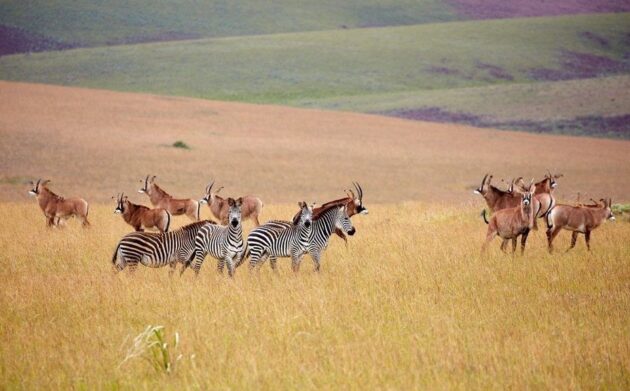
This high-altitude paradise is renowned for its biodiversity, including one of the highest leopard densities in the region, large herds of roan and eland antelope, zebra, and over 420 bird species. It’s also a botanist’s dream, with more than 200 orchid species blooming during the wet season.
Why Visit Nyika National Park?
Nyika stands out for its peaceful, uncrowded nature, cooler climate, and diverse activities beyond traditional game drives—perfect for hikers, birders, and those seeking a quieter, more scenic safari.
How to Get There
Nyika is remote, so plan accordingly:
By Air (Recommended for Convenience): Charter flights to Chelinda Airstrip (inside the park) from Lilongwe, Mzuzu, or other hubs. Flights take 1–2 hours and offer stunning aerial views. Operators like Central African Wilderness Safaris can arrange this.
By Road: From Lilongwe: 6–8 hours drive (mostly on good tarmac to Rumphi, then rougher dirt/gravel roads into the park). From Mzuzu: Shorter drive (about 3–4 hours). A high-clearance 4×4 vehicle is essential for the final stretch, especially in the wet season when roads can become muddy.
Entry is via Jalawe or other gates—pay fees at the gate.
Best Time to Visit
Dry Season (May–October): Best overall for most visitors. Cooler temperatures, clear skies, excellent wildlife viewing, and easier road access. Ideal for game drives, hiking, and mountain biking.
Wet Season (November–April): Lush green landscapes, blooming wildflowers (especially orchids in Jan–Feb), and superb birdwatching (migratory species arrive). Wildlife viewing can be good, but roads may be challenging and rain frequent.
Peak season: July–August (dry and pleasant); book accommodations early.
What to Do
Nyika offers a mix of classic and unique activities:
Game Drives & Wildlife Viewing: Morning and afternoon 4×4 safaris to spot roan antelope, eland, zebra, bushbuck, and leopards (often seen during the day due to the cool climate).
Hiking & Walking Safaris: Short scenic trails around Chelinda Camp, including routes to dams and Lake Kaulime (the plateau’s only natural lake—great for birding and mammal sightings). Multi-day wilderness trails (1–5 nights): Popular options include treks to Livingstonia on the Rift Valley escarpment or the Jalawe and Chipome River Trail.
Mountain Biking: Explore the rolling plateau on designated trails—perfect for the open grasslands.
Horseback Safaris: Guided rides offer a special way to approach wildlife quietly.
Birdwatching & Botany: Over 420 bird species; peak birding in wet season. Look for endemic orchids and wildflowers.
Trout Fishing: Seasonal fishing at the dams near Chelinda (catch-and-release in many areas).
Where to Stay
Accommodation is limited and centered around Chelinda:
Chelinda Lodge — Upscale option with cozy log cabins, fireplaces, panoramic views, and full-board service. Excellent for comfort and guided activities.
Chelinda Camp — More budget-friendly with self-catering cottages, rooms, and camping options. Run by the same operator as the lodge.
Camping — Basic campsites available; bring your own gear.
Private mobile camping on wilderness trails is possible with permits and guides.
Practical Tips
Entry Fees: Approximately USD 10 per person per day for non-resident foreigners (check latest rates at the gate or DNPW website).
What to Bring: Warm layers (nights and mornings are cold at altitude), rain gear (even in dry season), good walking shoes, binoculars, insect repellent, sunscreen, and a camera.
Health & Safety: Malaria risk is lower at high altitude, but precautions are still advised. No swimming in rivers/lakes due to bilharzia risk.
Guided Tours: Strongly recommended for first-timers—book through lodges or operators like Central African Wilderness Safaris for drives, walks, or multi-day treks.
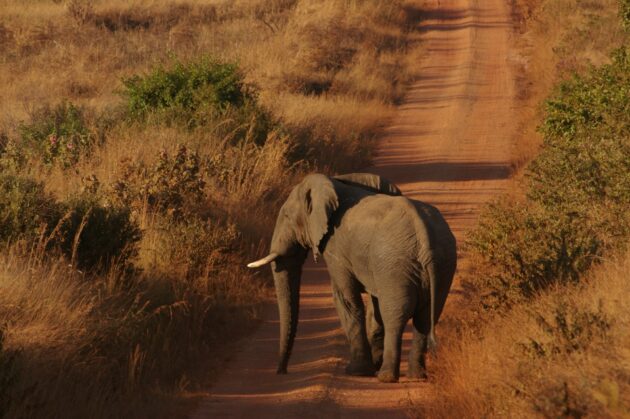
Combine Your Trip: Pair Nyika with nearby Vwaza Marsh Wildlife Reserve (for hippos and elephants) or Lake Malawi for a varied Malawi itinerary.
Nyika National Park delivers one of Africa’s most distinctive and serene wilderness experiences—fewer crowds, breathtaking scenery, and the chance to see leopards in an unexpected highland setting. Whether you’re trekking across misty plateaus or spotting wildlife against rolling green hills, Nyika offers a refreshing alternative to classic African safaris. Safe travels and enjoy this hidden gem!