
A Travel Guide to Kasungu National Park (2026)
Kasungu National Park is one of Malawi’s largest and most underrated wildlife reserves, offering an authentic, off-the-beaten-path safari experience. Located in central Malawi near the border with Zambia, the park spans approximately 2,316 km² of miombo woodland, open grasslands, and riverine areas. It is especially known for its recovering elephant population, diverse birdlife, and peaceful atmosphere—far less crowded than more famous parks like Liwonde or South Luangwa in neighboring Zambia.
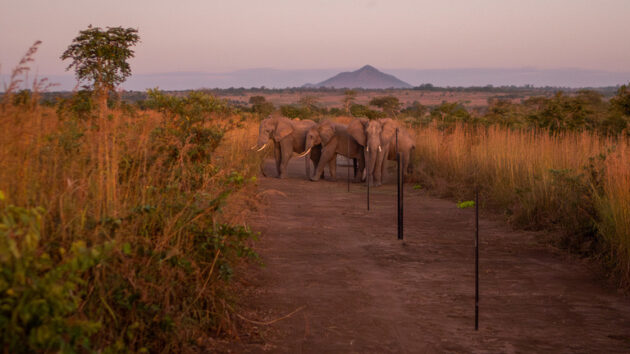
Recent conservation efforts, including the translocation of hundreds of elephants from southern parks and the installation of a solar-powered electric fence in 2025, have helped revive wildlife numbers after years of poaching pressure. Kasungu provides a genuine wilderness feel with excellent opportunities to see elephants, hippos, various antelope species, and a rich array of birds.
Why Visit Kasungu National Park?
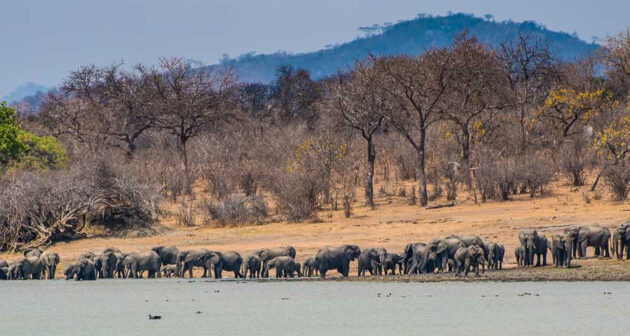
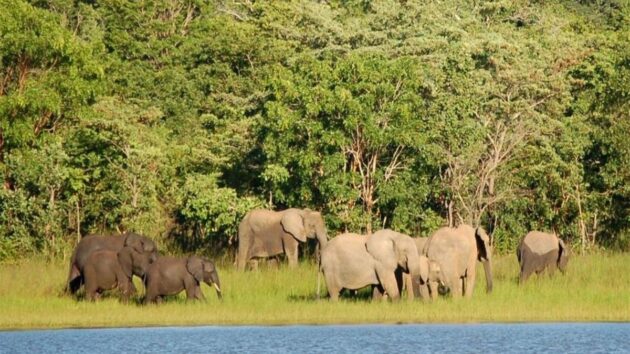
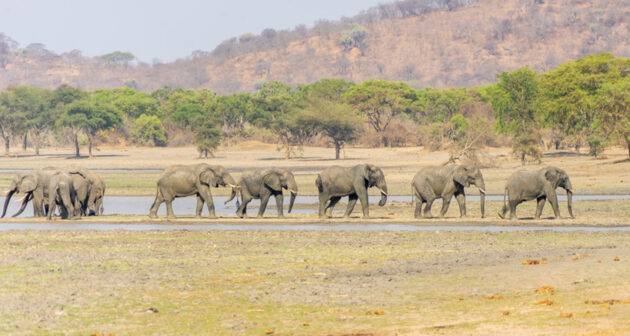
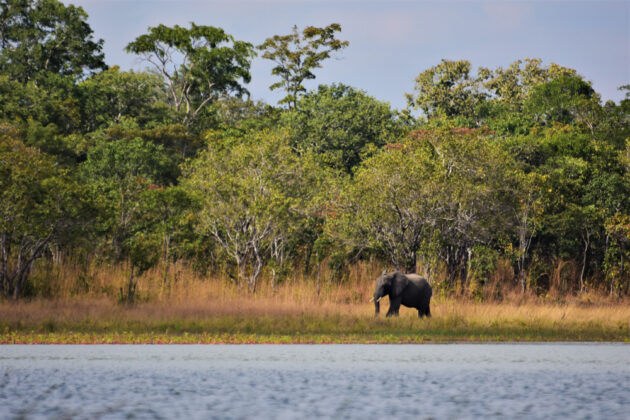
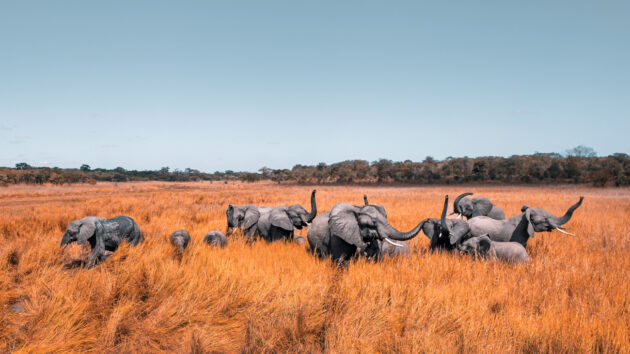
Large elephant herds (one of the park’s highlights following recent reintroductions)
Good birdwatching (over 400 species recorded)
Quiet and uncrowded — ideal for those seeking solitude
Ancient rock art sites and cultural history
Proximity to Lilongwe (about 3–4 hours’ drive), making it accessible for short trips or day safaris
How to Get There
Kasungu National Park is one of the easiest national parks to reach from Lilongwe, Malawi’s capital.
By Road (Recommended): Drive north on the M1 highway from Lilongwe toward Kasungu town (about 2 hours), then turn west toward the park entrance (total drive time: 3–4 hours). The road is mostly paved until the park gate, after which it becomes dirt/gravel (a 4×4 is helpful during the wet season). Self-drive is possible, but many visitors prefer guided tours for navigation and game viewing.
Organized Day Trips or Safaris: Several operators in Lilongwe offer full-day or multi-day trips, often departing early morning (around 6:00 AM) and returning the same evening or staying overnight.
By Air: No direct flights to the park. Fly into Lilongwe’s Kamuzu International Airport (LLW) and continue by road.
Best Time to Visit
Dry Season (July–October): Best for wildlife viewing. Vegetation is thinner, animals concentrate around water sources like Lifupa Dam and the Kasungu River, and roads are more accessible. This is peak season (though still quiet compared to other African parks).
Shoulder Seasons (May–June & November): Good balance of wildlife and fewer visitors.
Wet Season (December–April): Lush scenery and excellent birdwatching, but roads can become muddy and some areas inaccessible. Wildlife disperses more widely.
Wildlife & What to See
Kasungu is best known for:
Elephants — herds are now thriving after conservation translocations; Hippos and crocodiles in rivers and dams; Antelope — including puku, impala, kudu, bushbuck, and roan; Predators — leopards, jackals, hyenas (less commonly seen); Birdlife — over 400 species; a paradise for birders.
Other highlights include ancient rock art sites (especially around Black Rock and Solonge Mountain) dating back to the Iron Age.
Activities: Game Drives — Morning and afternoon drives are the main way to explore; Guided Walking Safaris — Excellent for birding and learning about plants and smaller wildlife; Birdwatching — Especially rewarding around water points; Cultural & Historical Visits — Rock art sites and viewpoints; Night Drives — Offered by some operators/lodges.
Where to Stay
Options are limited and mostly rustic — perfect for an authentic experience.
Lifupa Conservation Lodge — The main accommodation inside the park. Eco-friendly, comfortable rooms/tents, great location near Lifupa Dam for wildlife viewing. Affordable and popular choice.
Park Rest Houses / Self-Catering Cottages — Basic but clean government-run options.
Camping — Available at designated sites (bring your own gear).
Outside the Park — Some guesthouses in Kasungu town or private camps nearby.
For luxury, visitors often stay in Lilongwe and do day trips.
Practical Information
Entry Fees — Approximately US$10–15 per person per day for international visitors (fees can change; check current rates).
Park Rules — Stick to designated roads, no off-road driving, no walking unguided outside permitted areas.
What to Bring — Binoculars, camera, hat, sunscreen, insect repellent, water, snacks, warm layers for early mornings/evenings.
Safety — Follow guide instructions. The new fence helps reduce human-wildlife conflict, but always stay alert.
Tips for a Great Visit
Book accommodation and guided activities in advance, especially during peak dry season.
Combine with other Malawi destinations: Lake Malawi, Liwonde National Park, or Nyika Plateau.
Consider a multi-day stay to fully enjoy morning and evening game drives.
Support conservation — local communities benefit from responsible tourism.
Kasungu National Park delivers a raw, peaceful African safari experience with strong elephant sightings and beautiful landscapes. It’s perfect for travelers who want to avoid crowds and enjoy a more authentic wilderness adventure in Malawi. Safe travels!