
A Travel Guide to Serengeti National Park (2026)
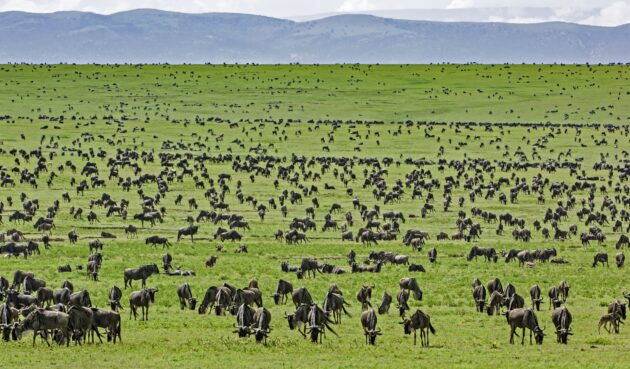
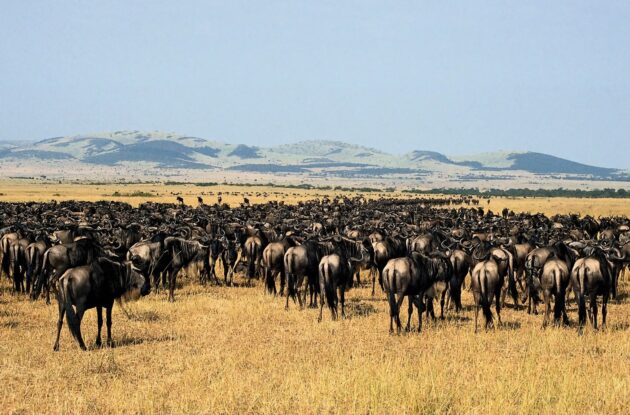
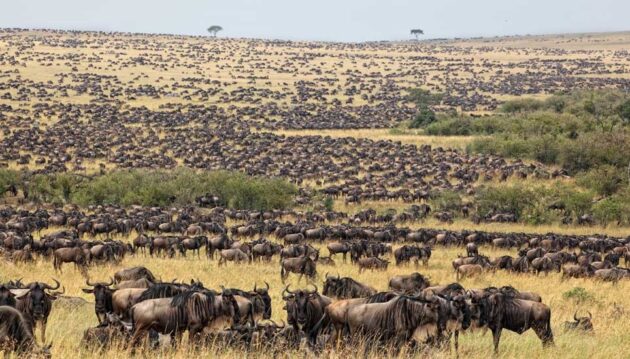
Serengeti National Park, located in northern Tanzania, is one of the most iconic wildlife destinations on Earth. Spanning nearly 15,000 square kilometers (about 5,700 square miles), it is famous for the Great Wildebeest Migration — one of the planet’s greatest natural spectacles — as well as abundant wildlife, vast open plains, iconic acacia trees, and dramatic kopjes (rocky outcrops). A UNESCO World Heritage Site, the Serengeti offers unparalleled game viewing and is a bucket-list destination for safari enthusiasts.
Why Visit Serengeti National Park?
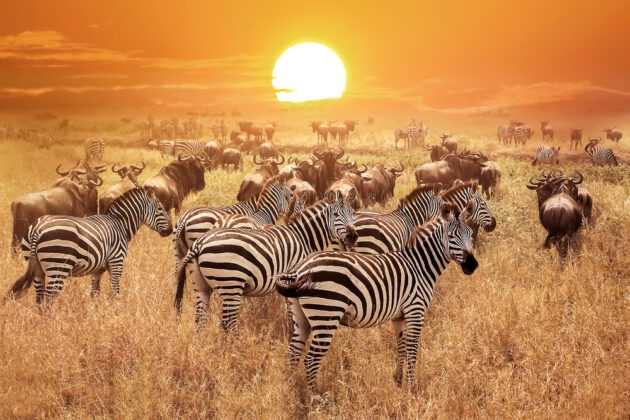
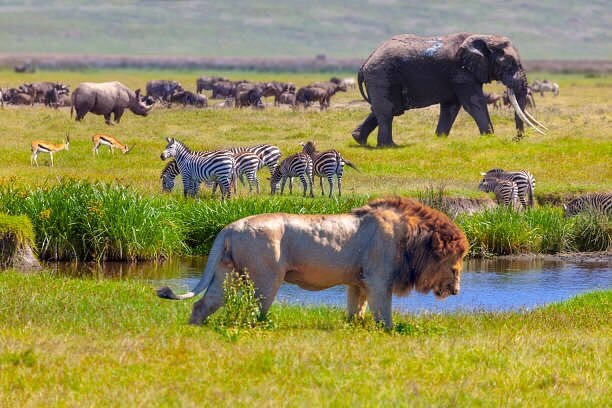
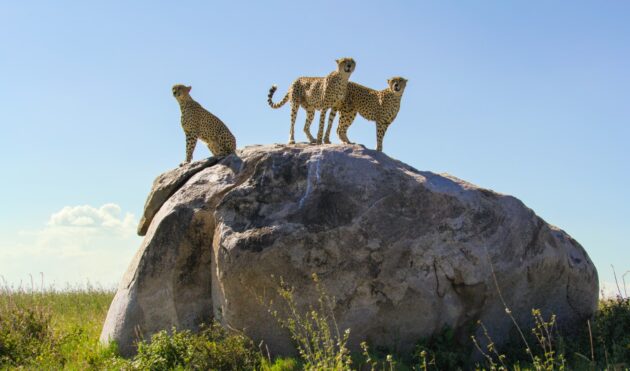
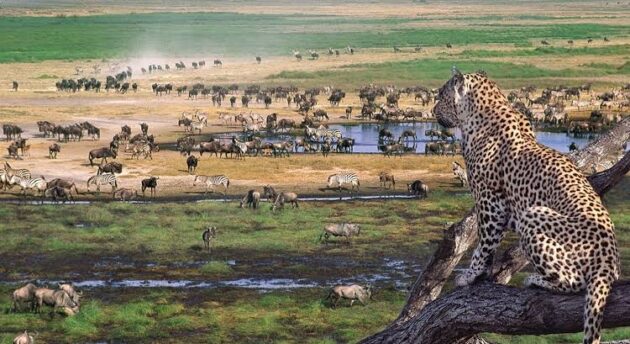
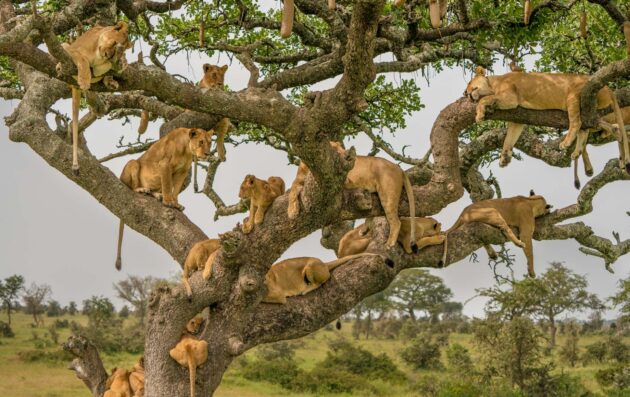
The park is home to the Big Five (lion, leopard, elephant, buffalo, and black rhino), cheetahs, giraffes, zebras, hippos, crocodiles, and over 500 bird species. The highlight for many is witnessing millions of wildebeest, zebras, and gazelles on their annual migration, often accompanied by dramatic predator-prey interactions, especially at river crossings.
Best Time to Visit
The Serengeti is a year-round destination, but timing depends on what you want to see:
Dry Season (June–October) — Peak season and the most popular time. Excellent wildlife viewing due to sparse vegetation and animals gathering around water sources.
July–October: Dramatic Mara River crossings in the Northern Serengeti (the most famous migration event). Clear skies, cooler mornings/evenings, and warm days. Expect higher prices and more visitors.
Green/Wet Season (November–May) — Low season with fewer crowds and lower prices.
December–March: Calving season in the Southern Serengeti (Ndutu area) — thousands of baby wildebeest are born, attracting predators. Lush landscapes, newborn animals, and excellent birdwatching. Afternoon showers are common (especially March–May), but mornings are usually clear.
Avoid the heavy long rains (April–May) if possible, as roads can become muddy.
How to Get There
Most visitors fly into Kilimanjaro International Airport (JRO) or Julius Nyerere International Airport (DAR) in Dar es Salaam, then connect domestically.
By Air (recommended): Scheduled or charter flights from Arusha, Kilimanjaro, or Dar es Salaam to airstrips inside the park (e.g., Seronera, Grumeti, Lobo, Kogatende). Flight time: 45–90 minutes. Major operators: Coastal Aviation, Auric Air, Regional Air.
By Road: From Arusha (about 7–9 hours to central Serengeti) — usually combined with other parks like Tarangire or Ngorongoro. Best for budget travelers or multi-park safaris.
Safari Options and Activities
Game Drives: Morning, afternoon, and full-day drives in open 4×4 vehicles with expert guides.
Hot Air Balloon Safari: A magical sunrise experience over the plains (highly recommended if budget allows; ~$500–600 per person).
Walking Safaris: Guided bush walks (available in certain areas; great for birding and learning about smaller flora/fauna).
Night Drives: Some private concessions allow after-dark game drives.
Cultural Visits: Interact with Maasai communities near the park borders.
Where to Stay
Accommodation ranges from budget to ultra-luxury:
Inside the Park (best for wildlife immersion): Luxury tented camps and lodges (e.g., Singita, Four Seasons Serengeti, &Beyond Grumeti Serengeti River Lodge). Mid-range: Seronera area public campsites and mid-tier lodges.
Private Concessions (exclusive, fewer vehicles): Northern and western Serengeti areas.
Mobile Camps: Follow the migration for optimal sightings.
Budget: Public campsites (bring your own gear or join a camping safari).
Book 9–12 months in advance for peak season, especially luxury options.
What to Pack
Pack light — domestic flights often limit luggage to 15 kg (33 lbs) per person in soft-sided bags.
Essentials:
Neutral-colored clothing (khaki, beige, olive; avoid bright/white/black)
Long-sleeve shirts and long pants (sun/insect protection)
Layers: fleece or light jacket for cool mornings/evenings
Sturdy, closed-toe shoes
Wide-brimmed hat, sunglasses, high-SPF sunscreen
Binoculars (essential!), camera with zoom lens, extra batteries
Insect repellent (DEET-based), malaria prophylaxis
Reusable water bottle, personal medications, small first-aid kit
Power bank (limited electricity in some camps)
Passport, yellow fever certificate (required for entry)
Practical Tips
Park Fees: Approximately $82 per adult per 24 hours (plus camping/lodge fees if staying inside).
Visa & Vaccinations: Most nationalities need a visa (available on arrival or e-visa). Yellow fever vaccination required from certain countries.
Malaria: Risk present — take prophylaxis and use repellents.
Respect Wildlife: Stay in the vehicle during game drives (except designated areas), keep noise low, and never feed animals.
Combine Parks: Pair Serengeti with Ngorongoro Crater, Tarangire, or Lake Manyara for a classic Northern Tanzania circuit (7–10 days ideal).
Sustainability: Choose responsible operators that support anti-poaching and community projects.
Final Thoughts
A safari in Serengeti National Park is a profound experience — witnessing the raw beauty of Africa, the rhythm of the migration, and the circle of life on the endless plains is truly unforgettable. Whether you chase river crossings in the north or watch newborns in the south, careful planning ensures an extraordinary adventure.
Safe travels and enjoy the greatest show on Earth!