
A Travel Guide to Mount Kilimanjaro (2026)
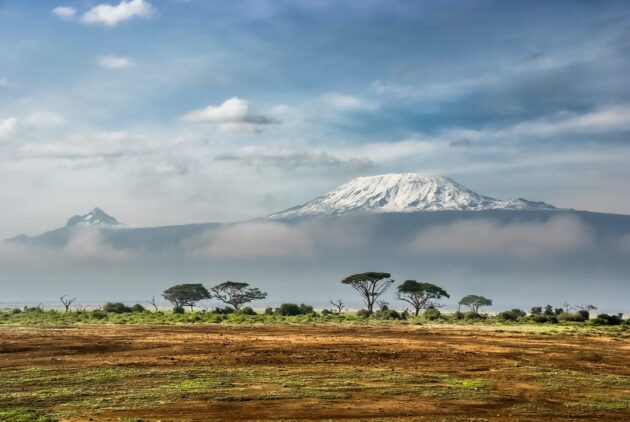
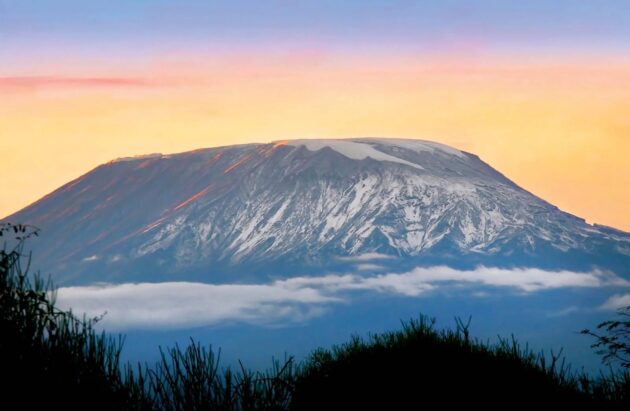
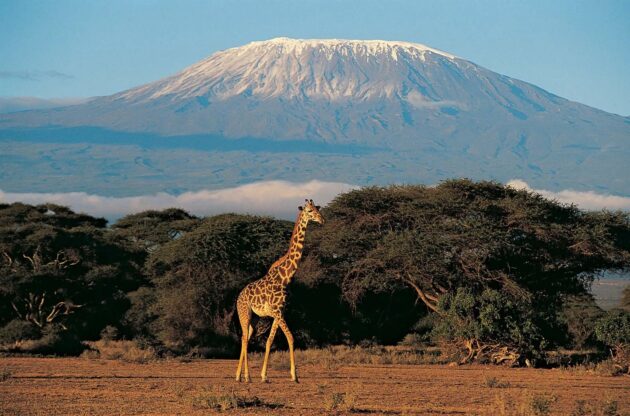
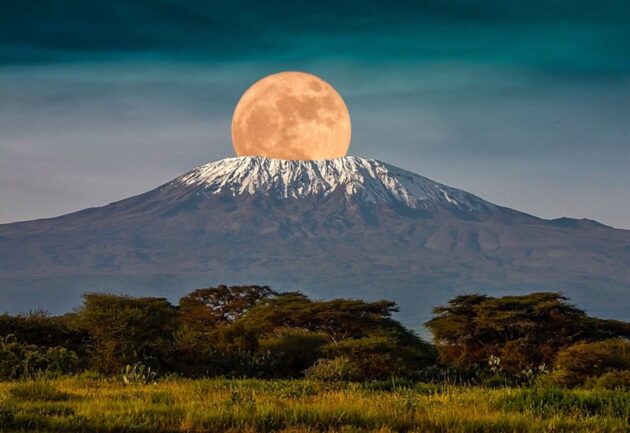
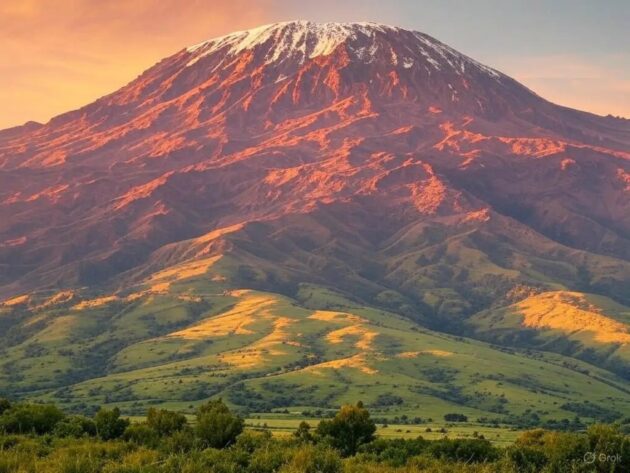
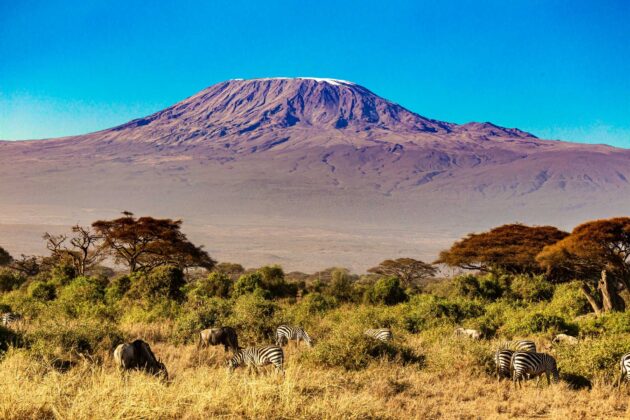
Mount Kilimanjaro, standing at 5,895 meters (19,341 feet), is Africa’s highest peak and the world’s tallest freestanding mountain. Located in northeastern Tanzania near the town of Moshi, it attracts thousands of trekkers each year who dream of reaching Uhuru Peak — the summit — without requiring technical climbing skills. The trek is challenging due to altitude, weather changes, and endurance demands, but it’s one of the most rewarding adventures on Earth.
Why Climb Kilimanjaro?
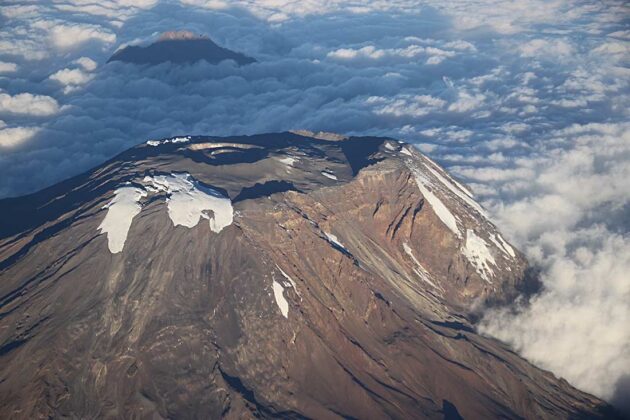
Reach the “Roof of Africa” and stand on the equator while seeing glaciers.
Experience five distinct climate zones: rainforest, moorland, alpine desert, arctic summit, and more.
No technical climbing required — just hiking.
High summit success rates (up to 90–95%) on longer routes with proper acclimatization.
Best Time to Climb
The best seasons offer dry weather, clearer trails, and higher success rates:
January to mid-March — Mild temperatures, fewer crowds, good visibility.
June to October — Peak dry season, most popular, excellent weather, but busier trails.
Avoid the rainy seasons (April–May and November), when trails are slippery, visibility is poor, and success rates drop.
Main Routes Comparison
There are seven main routes. Longer routes (7–9 days) provide better acclimatization and higher success rates.
Lemosho Route (7–8 days) — Scenic, starts in rainforest, high success rate (90%+), excellent acclimatization.
Machame Route (6–7 days) — Popular, beautiful “Whiskey Route,” good success rate, scenic.
Northern Circuit (9 days) — Longest route, highest success rate, very scenic.
Rongai Route (6–7 days) — Northern approach, drier, fewer crowds.
Marangu Route (5–6 days) — “Coca-Cola Route,” hut accommodation, lower success rate (~60–70%), quickest but least acclimatization.
Recommendation: Choose 7–8 days (Lemosho or Machame) for the best balance of scenery, safety, and summit chances.
How to Get There
Fly into Kilimanjaro International Airport (JRO) — Closest airport, about 45 minutes from Moshi. Served by airlines like KLM, Qatar Airways, Ethiopian Airlines, and Turkish Airlines.
From JRO, arrange a private transfer to Moshi (≈$50–$100 one way, 45–60 minutes).
Alternatives: Fly to Nairobi (NBO) in Kenya and transfer by shuttle/bus to Moshi (longer, more complicated).
Most treks include airport pickup/transfer to Moshi, where you’ll meet your guide and prepare.
Costs
A full climb package usually includes park fees, guides, porters, food, tents, and transfers. Prices vary by route, operator, and group size.
Budget — $1,800–$2,500 (basic service, higher risk of poor support).
Mid-range (recommended) — $2,500–$4,000 (good guides, quality equipment).
Premium — $4,000–$6,000+ (luxury tents, private service).
Breakdown of typical costs (7–8 day trek): Park fees & permits — $800–$1,200; Guides, porters, cook — $700–$1,500; Food & equipment — $300–$600; Tips (essential) — $250–$400 per person; Flights, visa ($50–$100), insurance, gear rental — extra.
Tip: Never choose the cheapest operator — poor support increases altitude sickness risk and reduces success.
Preparation & Training
Kilimanjaro is more about endurance and altitude than technical skill.
Physical training — Start 3–6 months early: hike with a backpack, cardio (running, cycling), stair climbing. Aim for 6–8 hours of walking with elevation gain.
Acclimatization — “Climb high, sleep low” is key — longer routes help.
Health — Get travel insurance covering high-altitude evacuation. Consult a doctor; consider Diamox for altitude sickness prevention.
What to Pack (Essentials)
Pack in layers — temperatures range from hot rainforest to freezing summit.
Clothing: Base layers (moisture-wicking tops & bottoms); Hiking pants & shorts; Fleece mid-layer; Waterproof/windproof jacket & pants; Warm down/insulated jacket; Warm hat, gloves, buff/neck gaiter; 4–6 pairs hiking socks (wool/synthetic); Hiking boots (broken-in, waterproof); Camp shoes/sandals.
Gear: Daypack (30–40L); Sleeping bag (rated to -10°C/15°F or lower); Trekking poles; Headlamp; Water bottles/hydration bladder (3–4L capacity); Sunglasses, sunscreen, hat.
Other: Personal medications, blister kit, toiletries; Snacks (energy bars, nuts); Passport, cash for tips.
Most operators provide tents, mats, and group gear.
On the Mountain
Daily routine — Early starts, 4–8 hours hiking, rest in camp.
Summit day — Usually starts midnight, 6–8 hours to Uhuru Peak, then descend.
Altitude sickness — Watch for headache, nausea — descend if severe.
Leave No Trace — Respect the environment.
Tips for Success
Book with a reputable operator (check reviews, success rates).
Choose longer routes for better acclimatization.
Stay hydrated (4–5 liters/day).
Go slow (“pole pole” in Swahili).
Tip your crew fairly — they make the climb possible.
Final Thoughts
Climbing Kilimanjaro is tough but achievable for most fit people. With proper preparation, a good route, and a reliable operator, you stand a high chance of standing on the summit and earning your “Kili certificate.”
Kilimanjaro is not just a mountain — it’s a life-changing journey.
Safe travels and pole pole!