

A Travel Guide to Dar es Salaam (2026)
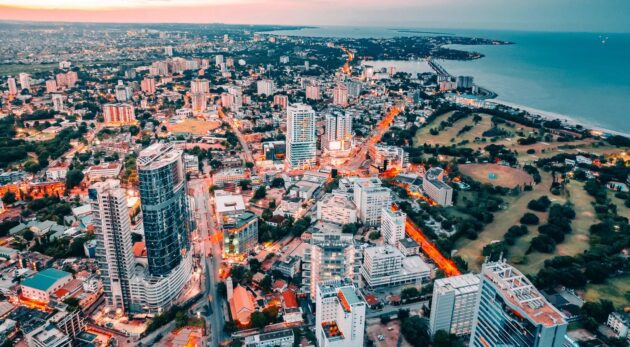
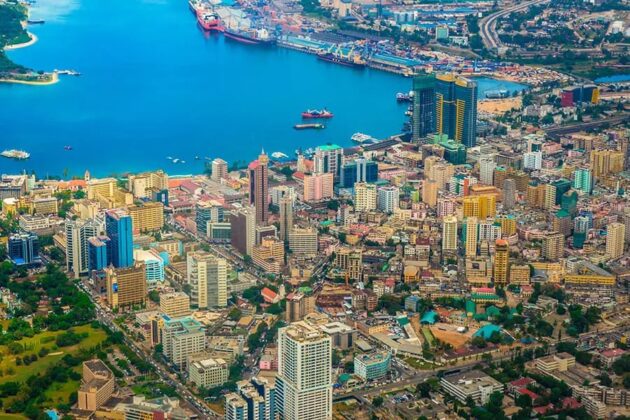
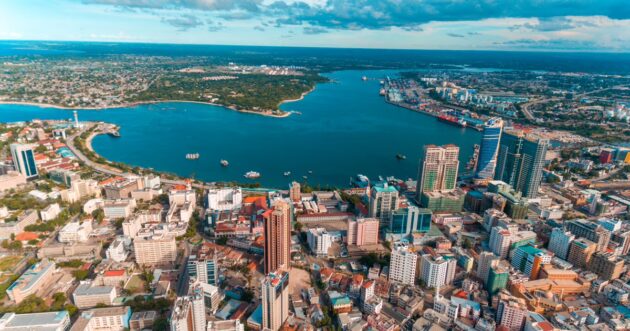
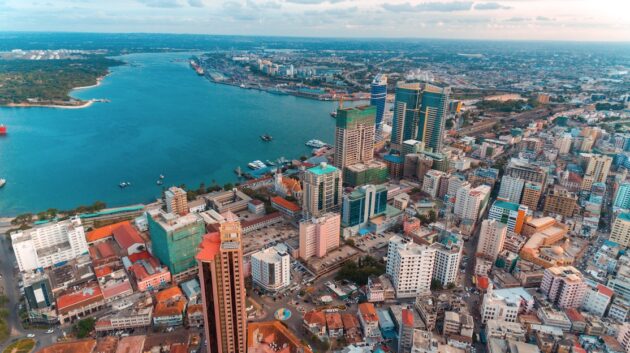
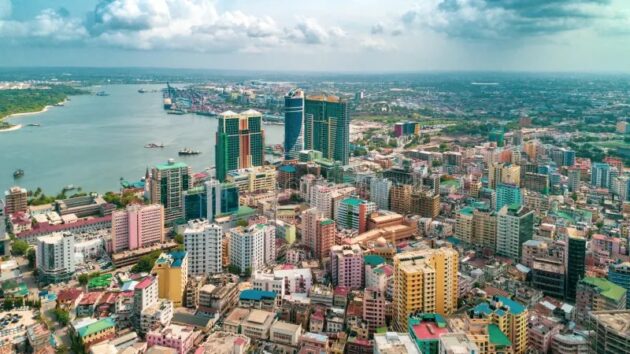
Dar es Salaam, Tanzania’s largest city and economic hub, serves as the main gateway for many visitors to the country. While often seen as a transit point en route to Zanzibar’s beaches or Tanzania’s famous national parks, Dar es Salaam offers its own vibrant mix of urban energy, coastal charm, cultural sites, and nearby islands. The name “Dar es Salaam” means “Haven of Peace” in Arabic, though the bustling streets can feel anything but peaceful — expect lively markets, chaotic traffic, and a warm Swahili welcome.
Why Visit Dar es Salaam?
Dar es Salaam is perfect for travelers who want a taste of modern East African city life combined with Indian Ocean vibes. It’s a great place to experience Tanzanian culture, try fresh seafood, explore colonial and Swahili heritage, and relax on nearby beaches or islands before heading to Zanzibar or on safari.
Best Time to Visit
Dry Season (June–October): Ideal for comfortable weather, fewer rains, and easier day trips to islands.
Shoulder Seasons (January–February and November–early December): Good balance of weather and fewer crowds.
Avoid: Heavy rainy season (March–May), when flooding and poor road conditions can disrupt plans.
Dar es Salaam is hot and humid year-round (25–33°C / 77–91°F), so pack light clothing and stay hydrated.
How to Get There
By Air: Julius Nyerere International Airport (DAR) handles most international and domestic flights. It’s about 15–30 minutes from the city center depending on traffic.
By Ferry: Ferries connect to Zanzibar (1.5–2 hours fast ferry).
Domestic Flights: Quick hops to Arusha, Zanzibar, or safari regions.
Getting Around
Taxis & Ride-Hailing: Use Bolt or Uber (available in Dar) for safer, metered rides. Avoid unmarked taxis at night.
Dala-dala (minibuses): Cheap but crowded and chaotic — best avoided if you’re new to the city.
Bajaj (auto-rickshaws): Common for short trips; negotiate fares upfront.
Walking: Fine in safe areas like Oyster Bay or the city center during the day, but avoid at night.
Top Things to Do
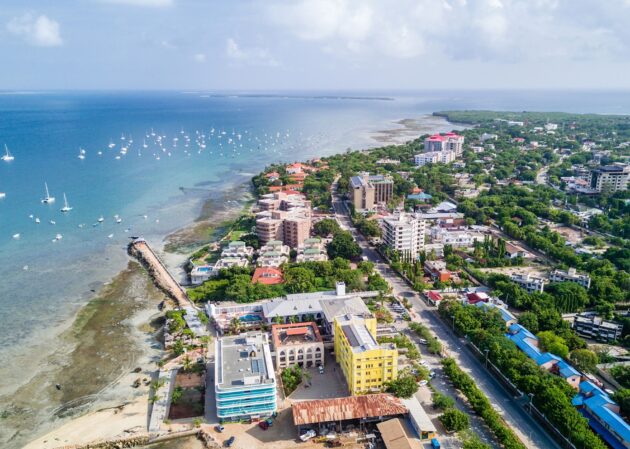
Explore Coco Beach (Oyster Bay): A popular public beach with white sand, calm waters, and lively weekend vibes. Great for swimming, sunbathing, or enjoying fresh grilled seafood from beachside vendors.
Visit Bongoyo Island & Mbudya Island: These nearby islands offer pristine beaches, snorkeling, and a peaceful escape. Take a short boat trip from Slipway or Msasani Peninsula (day trips usually include lunch).
National Museum & House of Culture: Learn about Tanzania’s history, from ancient fossils to independence struggles. Excellent exhibits on archaeology, traditional art, and colonial history.
Village Museum (Makumbusho Village Museum): An open-air museum showcasing traditional Tanzanian huts, crafts, and dances from different ethnic groups. Great for cultural immersion.
Kariakoo Market: Dive into the city’s chaotic, colorful heart. Shop for spices, fabrics, street food, and souvenirs. Bargaining is expected!
Kivukoni Fish Market: Experience the freshest seafood in Tanzania. Watch fishermen unload their catch and sample grilled fish or octopus.
The Slipway: A waterfront shopping and dining complex with boutiques, restaurants, and ocean views. Relaxing spot for sunset drinks.
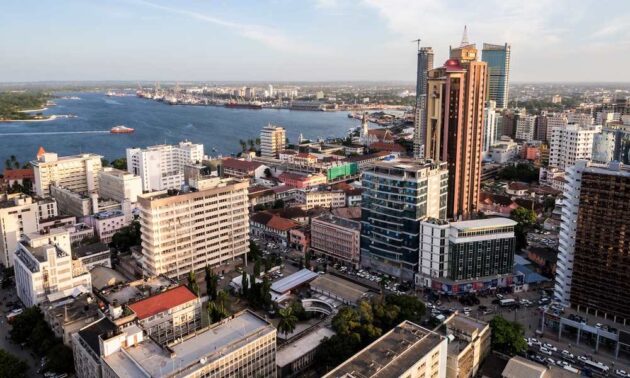
Askari Monument & Colonial Architecture: Stroll through the city center to see German and British colonial buildings, the Lutheran Church, and the iconic Askari Monument.
Mwenge Carvers Market: Browse handmade wood carvings, Tingatinga paintings, and local art.
Day Trip to Nearby Parks or Bagamoyo: Mikumi National Park (4–6 hours drive) offers a quick safari experience, or visit historic Bagamoyo for colonial ruins and slave trade history.
Where to Stay
Budget: Hostels or guesthouses in Oyster Bay or city center (e.g., Cefa Hostel).
Mid-range: Hotels in Oyster Bay or Masaki areas (comfortable, near the beach).
Luxury: Upscale options like the Sea Cliff Resort or DoubleTree by Hilton (great views and amenities).
Many visitors use Dar as a short stop before heading to Zanzibar or safari lodges.
Food & Drink
Must-Try: Fresh seafood (grilled prawns, octopus), ugali (maize porridge), nyama choma (grilled meat), pilau rice, and mandazi (fried dough).
Local Spots: Samaki Samaki for seafood, Slipway restaurants for international options, or street food at Kariakoo.
Drinks: Try Tanzania’s Safari Lager or fresh coconut water. Avoid tap water — stick to bottled.
Safety Tips
Dar es Salaam is generally safe for tourists who take basic precautions:
Beware of petty theft (pickpocketing, bag-snatching) in crowded areas like markets and public transport.
Avoid walking alone at night, especially in less-lit areas.
Use reputable taxis or ride apps; don’t accept rides from strangers.
Keep valuables secure and carry minimal cash.
Tanzania is welcoming, but be cautious of overcharging or persistent touts — politely say “hapana asante” (no thank you).
Stay updated via your government’s travel advisory.
What to Bring
Light, breathable clothing, hat, sunglasses, and sunscreen.
Insect repellent (malaria risk — consult a doctor about prophylaxis).
Reusable water bottle, power bank, and comfortable walking shoes.
Cash in Tanzanian shillings (ATMs available, but cards not always accepted).
Final Thoughts
Dar es Salaam is not Tanzania’s most polished destination, but it rewards those who embrace its energy and authenticity. Spend a few days exploring the city, relaxing on nearby beaches, and soaking up Swahili culture before continuing to Zanzibar’s paradise islands or the wildlife-rich national parks. With common sense and an open mind, you’ll discover why many travelers fall in love with this lively coastal capital.
Karibu sana (welcome)! Safe travels!