
A Travel Guide to Lake Manyara National Park (2026)
Lake Manyara National Park is a compact yet incredibly diverse gem in northern Tanzania, famous for its stunning landscapes, rich birdlife, and the unique phenomenon of tree-climbing lions. Nestled at the base of the dramatic Rift Valley escarpment, the park features a large alkaline lake, groundwater forests, acacia woodlands, open grasslands, and marshlands. Often visited as a day trip or the first stop on the classic Northern Tanzania safari circuit (which includes Tarangire, Ngorongoro Crater, and Serengeti), Lake Manyara offers an excellent introduction to African wildlife and scenery.
Why Visit Lake Manyara National Park?
Famous for its tree-climbing lions — a rare and photogenic behavior seen more often here than almost anywhere else.
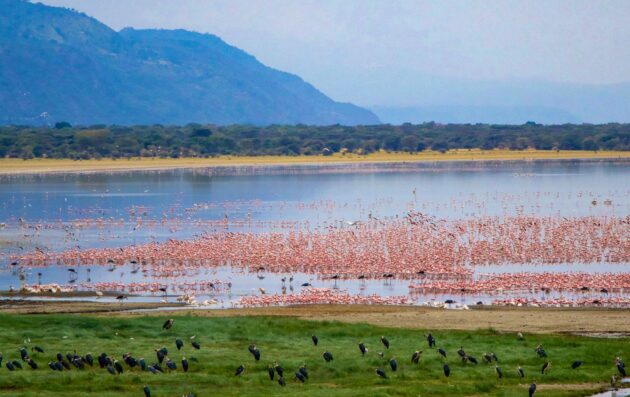
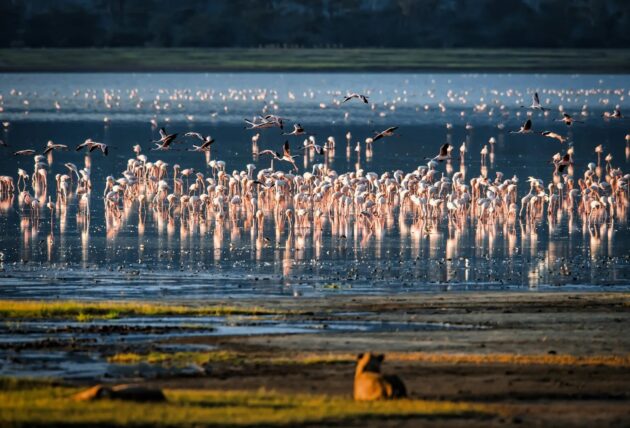
Massive flocks of flamingos and over 450 bird species, making it a paradise for birdwatchers.
Diverse habitats in a small area (about 330 km², with much of it being the lake itself), allowing visitors to see a wide variety of wildlife in a short time.
Dramatic views of the Great Rift Valley escarpment.
Perfect as a half-day or full-day stop before heading to more famous parks.
How to Get There
Lake Manyara is easily accessible from northern Tanzania’s main safari hubs:
From Arusha — The most common starting point. It’s about 1.5–2 hours by road (roughly 130 km) via a good tarmac road.
From Karatu or Ngorongoro — Only about 1 hour drive.
By air — Charter flights land at nearby airstrips (e.g., Manyara Airstrip or Kuro Airstrip), usually part of multi-park fly-in safaris.
Self-drive — Possible, but most visitors join organized safaris with 4×4 vehicles and experienced guides.
The main entrance gate is near the town of Mto wa Mbu (“Mosquito River”), a lively local village with markets and cultural experiences.
Best Time to Visit
Dry season (June–October) — Best overall time for wildlife viewing. Animals concentrate around water sources, vegetation is thinner (easier spotting), and weather is warm and dry. Excellent for tree-climbing lions and general game viewing.
Short dry season (December–February) — Also very good, with good wildlife visibility and fewer crowds than peak months.
Wet season (November–May, especially March–April) — Lush green landscapes, excellent birdwatching (migratory birds and flamingos at their peak), but roads can be muddy and wildlife more dispersed. Avoid heavy rains in March–April if possible.
The park is open year-round and rewarding in every season — it just offers different highlights.
Wildlife & Highlights
Lake Manyara packs a surprising amount of wildlife into its small size:
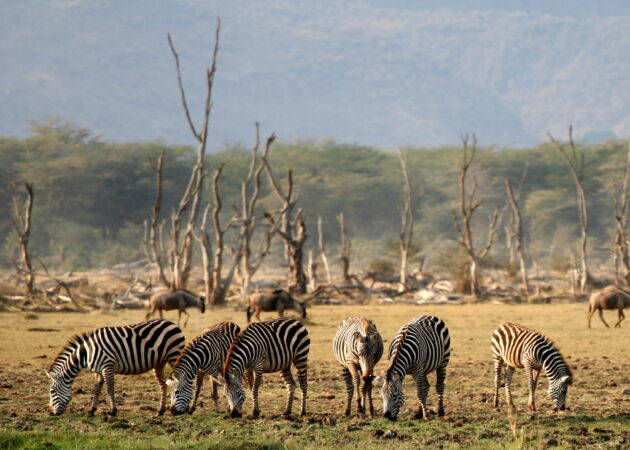
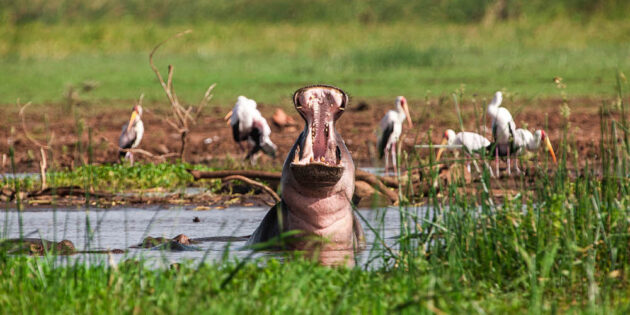
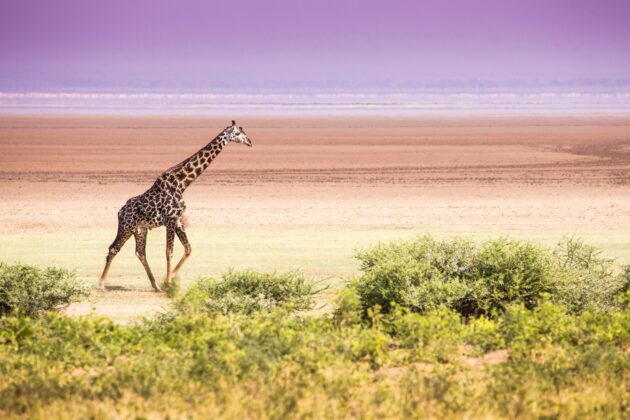
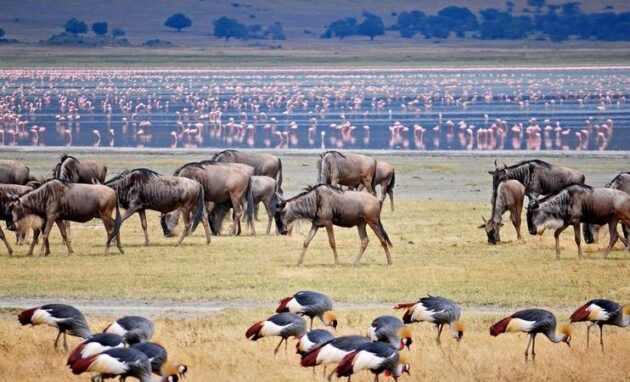
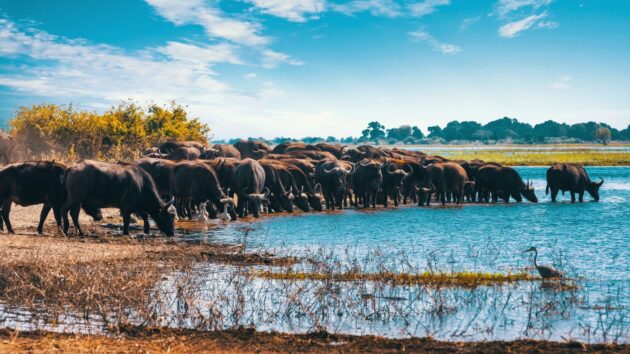
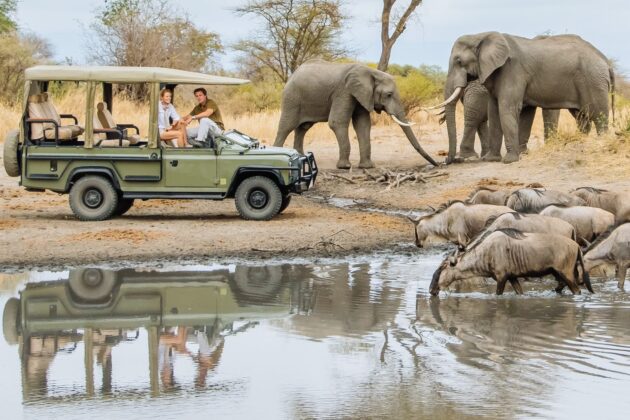
Mammals — Elephants (often in large herds), buffalo, Maasai giraffe, zebra, waterbuck, hippos, baboons, blue monkeys, warthogs, and leopards (elusive but present).
Tree-climbing lions — The park’s signature attraction; look for them resting in acacia trees during the heat of the day.
Birdlife — Over 450 species, including huge flocks of lesser and greater flamingos, pelicans, storks, eagles, hornbills, and many waterbirds.
Other highlights — Groundwater forest walks (if available), hot springs, and viewpoints overlooking the lake and escarpment.
Things to Do
Game drives — The main activity. Morning and late afternoon drives are best for wildlife activity.
Full-day safari — Many visitors do a full day in the park, combining morning and afternoon drives.
Birdwatching — Especially rewarding near the lake and in the forest zones.
Night game drives — Offered in some areas (requires special permission and a guide).
Walking safaris — Limited and guided; check availability with your operator.
Visit Mto wa Mbu — Explore the village for local culture, banana beer, rice paddies, and a market.
Entrance Fees
Fees are set by TANAPA (Tanzania National Parks Authority) and paid in USD (credit card usually accepted at gates):
Conservation fee (non-East African adults) — Around USD 59 per person per day.
Children (5–15 years) — Reduced rate (often around USD 15–20).
Vehicle entry — Depends on weight and registration (e.g., $40–$200 for foreign-registered vehicles).
Other activities — Night drives (~$50), walking safaris (~$20–30), etc.
Always confirm current fees when booking, as they can change.
Where to Stay
Accommodation options range from budget to luxury, mostly outside the park:
Luxury — &Beyond Lake Manyara Tree Lodge, The Highlands (exclusive), Manyara’s Secret.
Mid-range — Lake Manyara Serena Safari Lodge, Escarpment Luxury Lodge, Manyara Wildlife Safari Camp.
Budget / Camping — Public campsites inside the park, budget lodges in Mto wa Mbu or Karatu (e.g., Africa Safari Lake Manyara, Panorama Safari Camp).
Nearby towns — Karatu and Mto wa Mbu offer many affordable options and are convenient for multi-day safaris.
Practical Tips
Book through a reputable safari operator — Most visitors join organized tours (day trips from Arusha or multi-day Northern Circuit safaris). Self-driving is possible but requires a 4×4 and experience with African roads.
What to bring — Binoculars (essential for birds and distant lions), camera with zoom lens, sunscreen, hat, insect repellent, light jacket (cool mornings/evenings), and plenty of water.
Photography — Tree-climbing lions and flamingo flocks offer fantastic shots — early morning light is best.
Combine with other parks — Lake Manyara pairs perfectly with Tarangire (elephants), Ngorongoro Crater, and Serengeti for a classic 5–10 day Tanzania safari.
Respect the environment — Stay in the vehicle on game drives, follow your guide, and don’t feed wildlife.
Final Thoughts
Lake Manyara National Park may be smaller than its famous neighbors, but it delivers outsized beauty and biodiversity. Whether you’re seeking tree-climbing lions, flamingo-filled lakeshores, or simply a scenic introduction to Tanzania’s wildlife, this park rarely disappoints. It’s an ideal stop on any Northern Tanzania safari — compact, diverse, and unforgettable.
Safe travels and enjoy the magic of Lake Manyara!