
A Travel Guide to Mikumi National Park (2026)
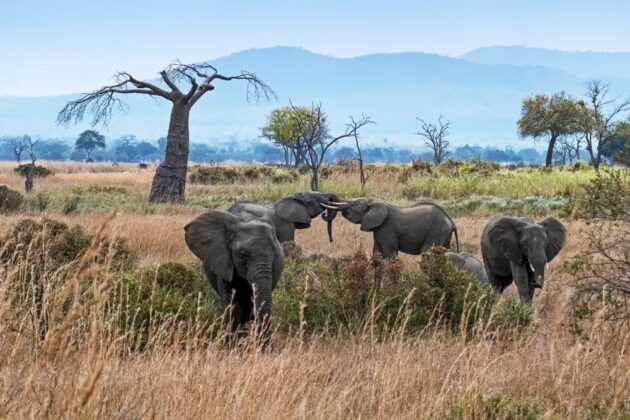
Mikumi National Park is often called the “mini-Serengeti” of southern Tanzania. Covering approximately 3,230 km², it is Tanzania’s fourth-largest national park and offers excellent wildlife viewing in a more accessible and less crowded setting compared to the northern parks like Serengeti or Ngorongoro. Located in the Morogoro Region, Mikumi features vast open savannah plains (especially the Mkata Floodplain), acacia woodlands, baobab trees, and distant mountain backdrops from the Uluguru and Udzungwa ranges. The park is part of a larger ecosystem connected to Nyerere National Park (formerly Selous), allowing seasonal animal migrations.
It’s a perfect destination for first-time safari-goers, short trips from Dar es Salaam, or those seeking a relaxed, authentic African wildlife experience without massive crowds.
Why Visit Mikumi National Park?
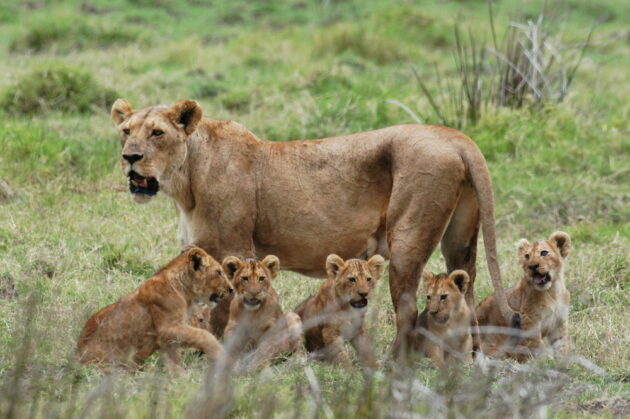
Reliable year-round wildlife sightings, including the Big Four (elephants, lions, buffaloes, leopards—rhino reintroduction is planned).
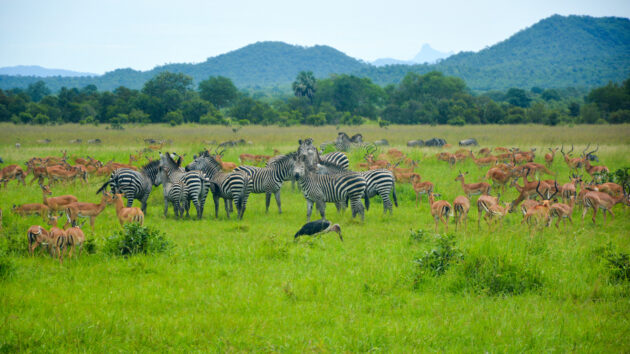
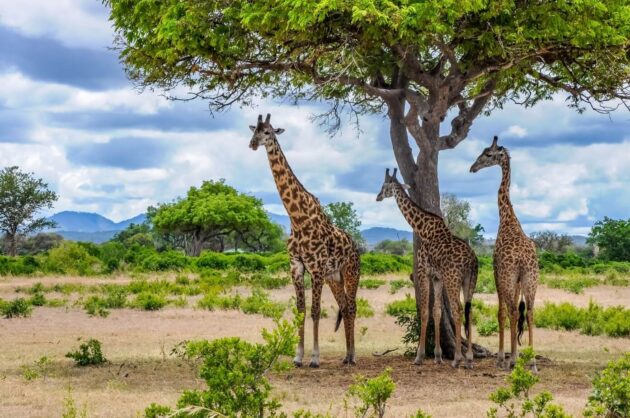
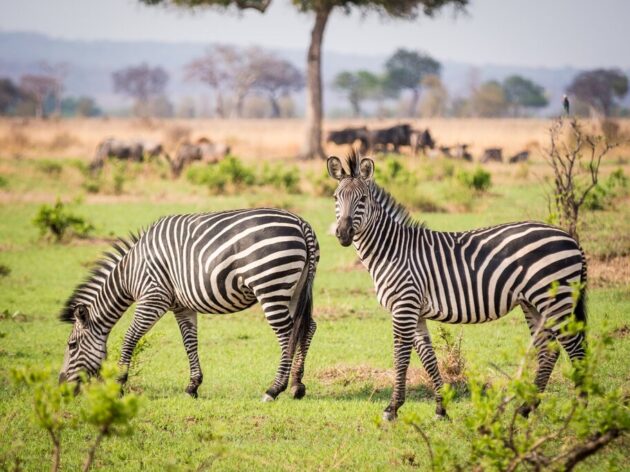
Large herds of zebras, wildebeest, giraffes, impalas, and unique species like sable antelope, Lichtenstein’s hartebeest, and African wild dogs.
Over 400 bird species, making it great for birdwatching.
Affordable safaris compared to northern Tanzania.
Easy access from Dar es Salaam (ideal for day trips or 2–3 day getaways).
How to Get There
Mikumi is about 300 km west of Dar es Salaam along the well-maintained A7 highway (Dar es Salaam–Mbeya road).
By Road (Most Popular): Drive: 4–5 hours from Dar es Salaam in a private vehicle or rented 4×4. Bus: Affordable public buses from Dar es Salaam (Ubungo terminal) to Mikumi town (several hours, with stops). The highway runs right through the park, so you may spot animals from the road.
By Train: Take the modern SGR train from Dar es Salaam to Morogoro (about 1–2 hours), then transfer by road (taxi or arranged pickup) to the park (another 2–3 hours total).
By Air: Limited scheduled flights; most visitors fly to nearby airstrips if combining with other southern parks, but road is far more common.
The park is easily reachable for weekend trips or as a stop en route to Nyerere/Selous.
Best Time to Visit
Wildlife viewing is good year-round, but conditions vary:
Best Time: Late June to October (Dry Season)
Vegetation thins, animals concentrate around waterholes and rivers (especially Mkata River and hippo pools). Peak wildlife visibility: September–October is excellent for big herds and predators. Fewer mosquitoes and more comfortable temperatures.
Good Alternative: November–February (Green/Wet Season)
Lush landscapes, newborn animals, excellent birdwatching. Fewer visitors and lower prices.
Avoid (if possible): March–May (Heavy Rainy Season)
Roads can be muddy, animals disperse, and some areas become less accessible.
What to Do
The main activity is game drives, but options include:
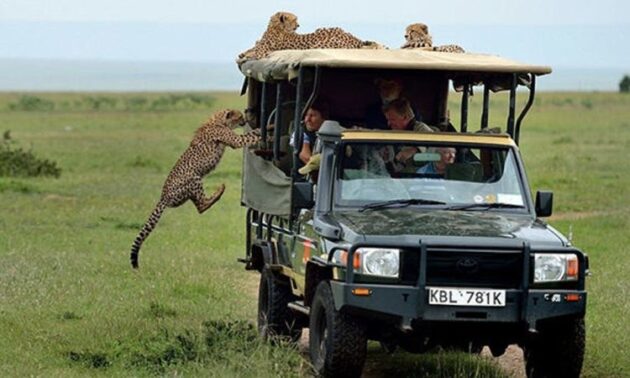
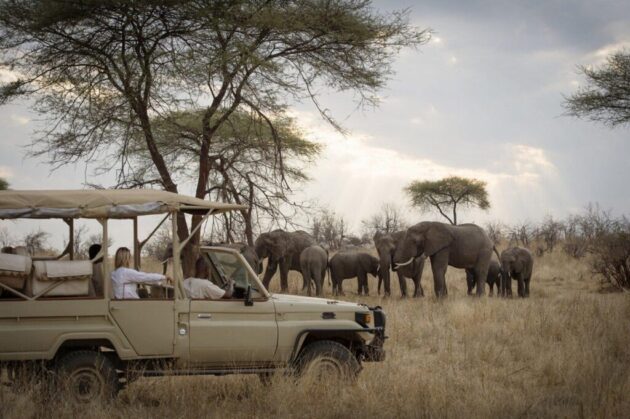
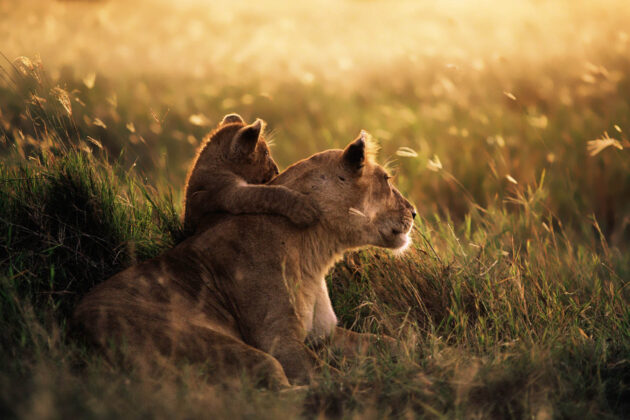
Game Drives — Morning, afternoon, or full-day in open 4×4 vehicles with a guide. Spot lions lounging under acacias, elephant herds, and buffalo at waterholes.
Night Game Drives — Available in some areas (extra fee ~$50/person); great for nocturnal animals.
Guided Walking Safaris — Short (1–4 hours) or longer walks with an armed ranger (~$20–25/person).
Birdwatching — Over 400 species, including raptors, waterbirds, and colorful savannah birds.
Photography and Relaxed Safaris — The open plains are ideal for scenic shots.
Wildlife Highlights
Mammals: Elephants, lions, leopards, buffaloes, giraffes, zebras, wildebeest, hippos, various antelopes (including rare sable and hartebeest), occasional wild dogs.
Birds: Secretary birds, ground hornbills, lilac-breasted rollers, eagles.
Landscapes: Vast Mkata Floodplain, baobabs, miombo woodlands.
Accommodation Options
Options range from luxury to budget:
Luxury: Stanley’s Kopje (elevated tents with panoramic views). Vuma Hills Tented Camp (hilltop location overlooking plains).
Mid-Range: Mikumi Wildlife Camp (bandas near waterhole). Mikumi Safari Lodge. Camp Bastian Mikumi.
Budget/Camping: Public campsites inside the park (bring your own gear). Nearby budget lodges in Mikumi town.
Many visitors stay inside the park for night sounds and early game drives.
Practical Tips
Park Entry Fees: Foreign non-residents: $30/adult/day, $10/child (5–15); under 5 free. Vehicle fees extra (~$10–20). Pay via card (cash not always accepted).
Activity Fees: Walking safari ~$20–25, night drive ~$50.
What to Bring: Binoculars, camera, sunscreen, hat, insect repellent, comfortable clothing (neutral colors), water bottle.
Safety: Stay with your guide, follow park rules, no walking outside designated areas without a ranger.
Booking: Join a guided safari (private or group) for best experience—many operators offer packages from Dar es Salaam (1–3 days).
Combine Your Trip: Extend to Nyerere National Park or Udzungwa Mountains for a fuller southern circuit adventure.
Final Thoughts
Mikumi National Park delivers a classic Tanzanian safari experience—big game, open plains, and stunning sunsets—with far fewer crowds and easier logistics than the north. Whether it’s a quick weekend escape from Dar es Salaam or part of a longer itinerary, Mikumi offers incredible value and unforgettable wildlife moments.
Enjoy your safari!