
A Travel Guide to Tsavo West National Park (2026)
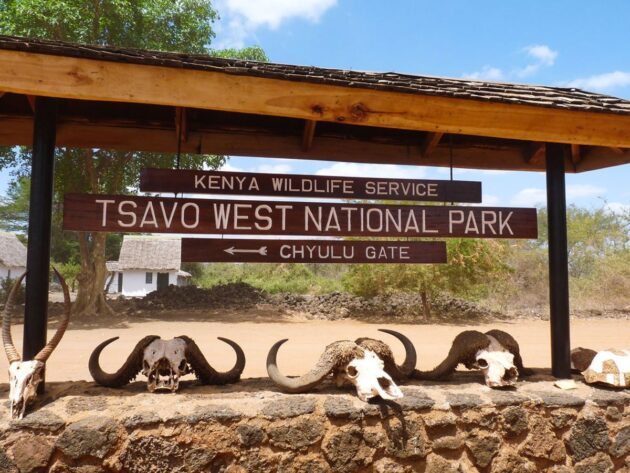
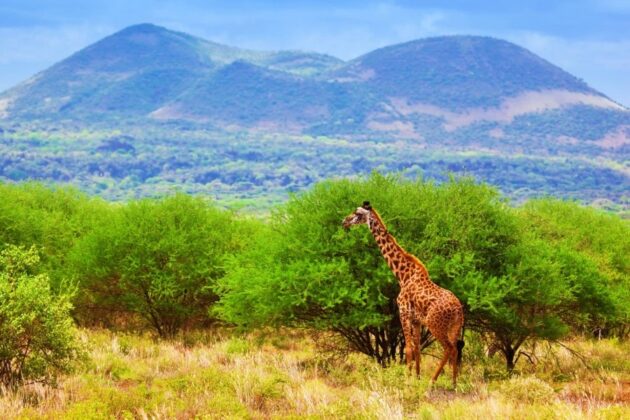
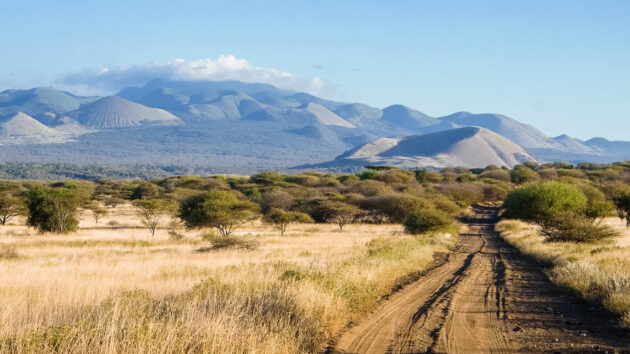
Tsavo West National Park is one of Kenya’s most dramatic and diverse wildlife destinations. Covering approximately 9,065 km² (3,500 sq mi), it forms part of the vast Tsavo ecosystem (together with Tsavo East) and is famous for its rugged volcanic landscapes, lush springs, rocky peaks, and rich biodiversity. While Tsavo East offers open plains and red-dust-covered elephants, Tsavo West is greener, hillier, and more forested, providing a wilder, less crowded safari experience with stunning geological features and excellent chances to see the Big Five.
Why Visit Tsavo West National Park?
Tsavo West combines classic African safari elements with unique natural wonders:
Volcanic craters, black lava flows (Shetani Lava), and green oases.
Abundant wildlife, including large elephant herds, lions, leopards, rhinos, giraffes, zebras, and buffalo.
Fewer crowds compared to the Maasai Mara or Amboseli.
Famous historical sites linked to the “Man-Eaters of Tsavo” legend.
Excellent birdwatching (over 400 species) and opportunities for walking safaris in designated areas.
How to Get There
Tsavo West lies along the Nairobi–Mombasa highway, roughly halfway between the two cities.
By Road (most common): From Nairobi: 4–5 hours via the A109 highway; enter mainly through Mtito Andei Gate or Chyulu Gate (closer if coming from Amboseli). From Mombasa: 3–4 hours; enter via Tsavo Gate near Manyani.
By Air: Scheduled or charter flights to airstrips inside or near the park (e.g., Mtito Andei, Finch Hattons, or Kamboyo). Many lodges offer transfers from these airstrips.
By Train: The Madaraka Express stops at Mtito Andei or Voi; lodges often arrange pick-up.
Self-drive is possible (4×4 recommended in some areas), but most visitors join guided safaris for better game viewing and safety.
Best Time to Visit
Dry Season (June–October & January–February) — Best overall: Wildlife concentrates around water sources → easier sightings. Clear skies, pleasant temperatures, and good photography conditions. Peak season, so book accommodations early.
Green Season (November–May) — Good for birdwatching and landscapes: Lush vegetation and fewer visitors, but rain (especially March–May) can make some roads impassable and wildlife more dispersed.
Avoid heavy rainy periods if you’re new to safari driving.
Wildlife Highlights
Tsavo West is home to impressive biodiversity:
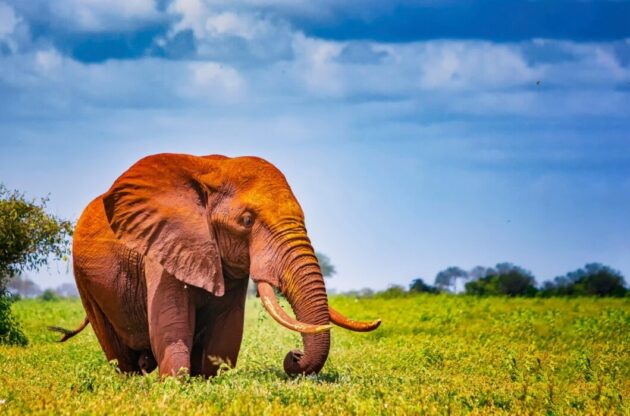
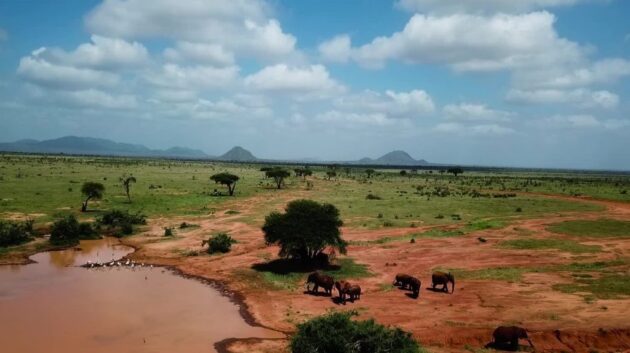
Elephants — Large herds, often coated in red dust.
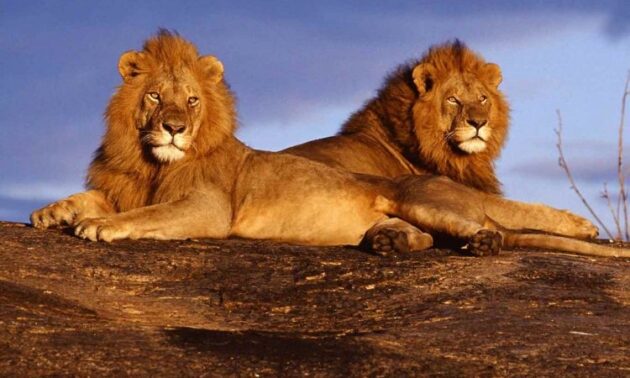
Big Cats — Lions, leopards, and cheetahs.
Rhinos — Black rhinos in the Ngulia Rhino Sanctuary.
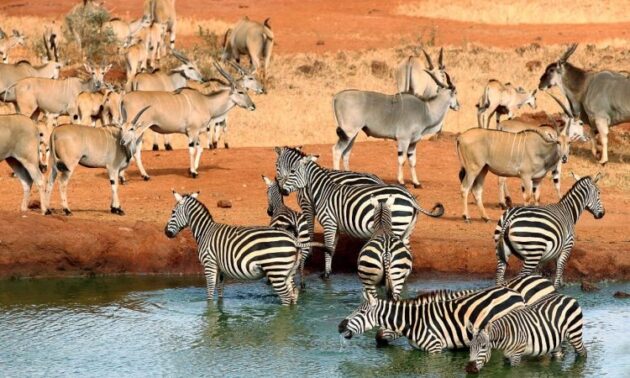
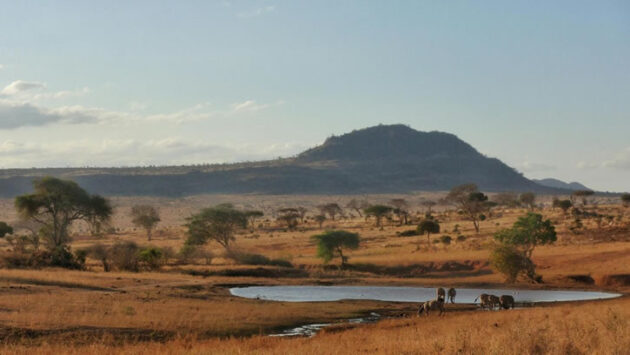
Other mammals — Giraffes, zebras, buffalo, hippos, crocodiles, warthogs, and diverse antelopes.
Birdlife — Excellent for raptors, hornbills, and migratory species.
Top Things to Do
Mzima Springs: Crystal-clear natural springs with an underwater viewing chamber — watch hippos, crocodiles, and fish up close.
Shetani Lava Flow & Caves: Explore dramatic black lava fields and volcanic caves formed centuries ago.
Game Drives: Morning and late-afternoon drives offer the best wildlife activity. Look for big cats in the rocky hills.
Walking Safaris (guided): Explore on foot in designated areas — great for birding and learning about plants.
Rhino Sanctuary Visit: See endangered black rhinos in a protected area.
Scenic Viewpoints: Poacher’s Lookout and other hilltops offer panoramic views (Kilimanjaro on clear days).
Night Drives (some lodges): Spot nocturnal animals like leopards and genets.
Where to Stay
Tsavo West offers a range of options from luxury to budget-friendly:
Luxury: Finch Hattons Luxury Tented Camp — Elegant tents around natural springs, excellent food, and game viewing from your deck. Severin Safari Camp — Stylish tents with great views and activities.
Mid-Range: Kilaguni Serena Safari Lodge — Iconic lodge built into volcanic rock, with a waterhole for wildlife viewing right from the terrace. Ngulia Safari Lodge — Scenic location with views over the park.
Budget / Camping: Public campsites (book via Kenya Wildlife Service) — Basic but authentic. Self-catering bandas at some KWS sites.
Many lodges are all-inclusive with meals, game drives, and transfers.
Park Entry Fees
Fees are per person per 24 hours (non-residents):
Adults: Approximately USD 80 (high season rates may apply; check current KWS tariffs).
Children (3–17): Lower rates (around USD 35–40).
Citizens/Residents: Significantly lower (KSh 500–1,000 range).
Vehicle fees also apply for self-drivers.
Payment is usually via card or M-Pesa at gates. Multi-day or circuit passes may offer value for longer stays.
Practical Tips
What to Bring — Binoculars, camera with zoom lens, sunscreen, hat, insect repellent, light layers (cool mornings/evenings), reusable water bottle.
Health & Safety — Malaria risk → take prophylaxis. Drink bottled water. Follow your guide’s instructions.
Guided vs. Self-Drive — First-timers should choose guided safaris for better spotting and safety.
Combine with Other Parks — Pair Tsavo West with Tsavo East, Amboseli, or a Mombasa beach extension for a full itinerary.
Conservation Note — Respect wildlife distances, no off-road driving, and support anti-poaching efforts.
Tsavo West delivers a raw, authentic Kenyan safari with breathtaking scenery and memorable wildlife encounters. Whether you’re seeking big cats in rocky hills or hippos in emerald springs, this park offers one of Africa’s most varied and beautiful wilderness experiences. Safe travels and enjoy the adventure!