Lake Nakuru National Park Travel Guide (2026)
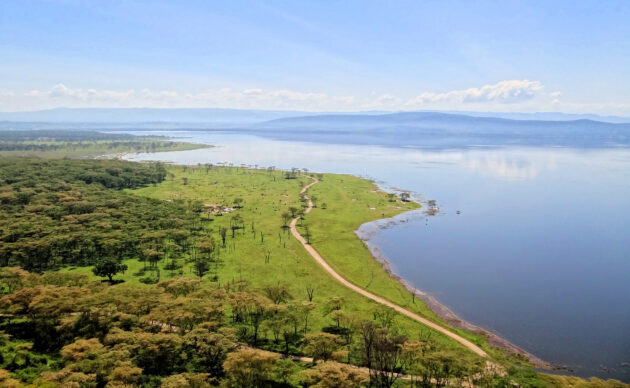
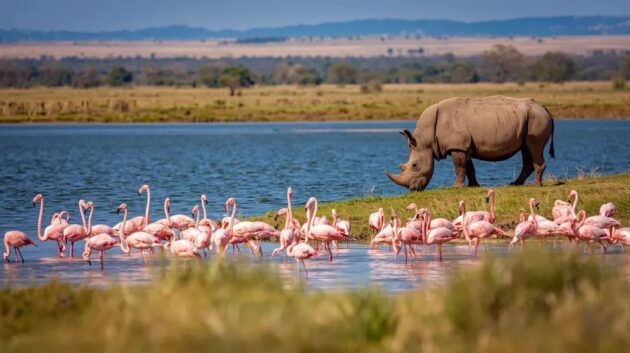
Lake Nakuru National Park is one of Kenya’s most accessible and rewarding safari destinations. Located in the heart of the Great Rift Valley, about 3–4 hours’ drive northwest of Nairobi, the park is famous for its stunning alkaline lake, massive flocks of flamingos (when present), and successful rhino conservation efforts. It’s a compact park (about 188 km²), making it ideal for a 1–2 day visit or as a stopover between Nairobi and the Maasai Mara.
Why Visit Lake Nakuru National Park?
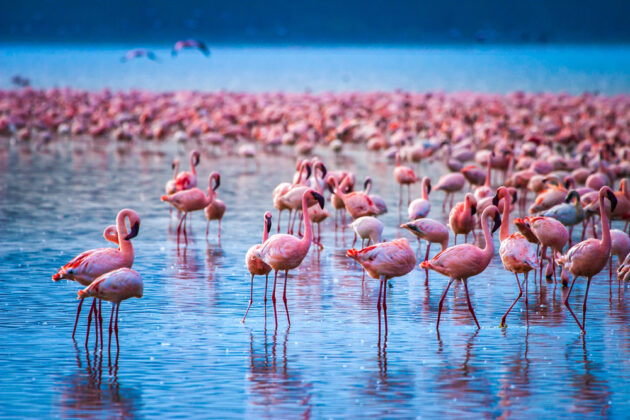
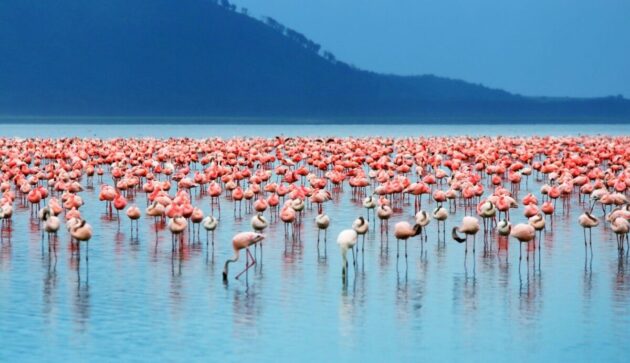
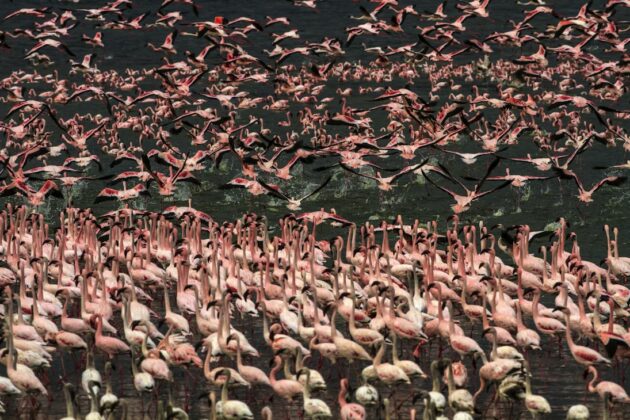
Iconic flamingo spectacle — The lake’s shores can turn vivid pink with thousands (sometimes hundreds of thousands) of lesser flamingos feeding on blue-green algae (numbers vary seasonally due to water levels and food availability).
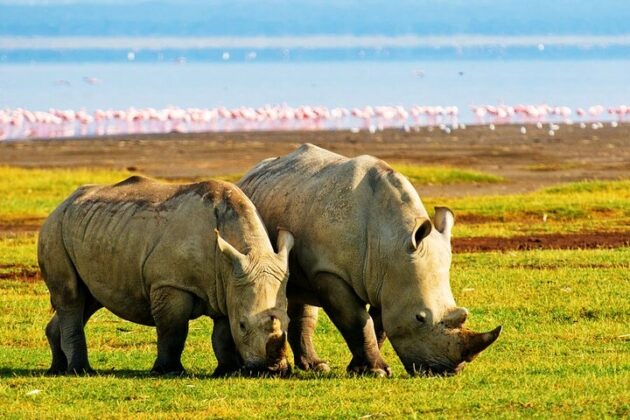
Rhino haven — One of Kenya’s best places to reliably see both black rhinos and white rhinos in the wild.
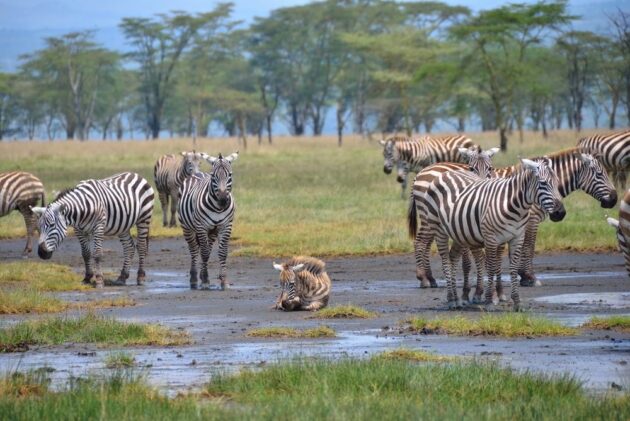
Diverse wildlife — Lions, leopards, Rothschild’s giraffes, waterbucks, zebras, buffaloes, hyenas, baboons, and over 450 bird species.
Beautiful scenery — Acacia woodlands, open savannah, yellow fever trees, and the scenic lake views.
How to Get There
By Road (Most Popular)
Distance from Nairobi: ~156 km via the A104 highway. Drive time: 3–4 hours (depending on traffic). Main gates: Lanet Gate (recommended to avoid Nakuru town traffic), Nderit Gate, or Main Gate. Self-drive is possible; 4×4 recommended during rainy season.
By Air
Nearest airstrip: Naishi Airstrip (inside/near the park) — charter flights from Nairobi or Maasai Mara. Scheduled flights to Nakuru Airport are also available from some operators.
Organized Tours
Many Nairobi-based day trips or multi-day safaris include Lake Nakuru (often combined with Maasai Mara or Naivasha).
Best Time to Visit
Dry Season (June–October & January–March) — Best overall
Easier game drives on dry roads
Wildlife concentrates around water sources
Better visibility for big game (rhinos, lions, giraffes)
Flamingos often more concentrated when water levels are lower
Wet Season (March–May & November) — Good for birdwatching
Lake levels rise, algae blooms can attract huge flamingo numbers
Lush scenery, but some tracks may become muddy
Flamingo numbers are unpredictable due to changing lake chemistry and nomadic behavior — they move between Nakuru, Bogoria, Elementaita, and other lakes. The park remains excellent for rhinos and general wildlife year-round.
Entrance Fees
Fees are per person per 24 hours:
Non-Residents (International Visitors): Adults: USD 90; Children (3–17): USD 45 (approx.).
East African Citizens: Adults: KES 1,500; Children: KES 750.
Kenya Residents: Adults: KES 2,025; Children: KES 1,050.
Vehicle entry fees also apply (varies by size).
Payment: Preferably online via the KWS eCitizen portal (kwspay.ecitizen.go.ke) or M-Pesa/card at gates. Cash is accepted but not preferred.
What to Do in the Park
Game Drives — Morning (6:00–10:00) and afternoon (15:00–18:00) are best.
Spot rhinos, big cats, giraffes, and waterbirds.
Flamingo Viewing — Head to the lake viewpoint or Baboon Cliffs area.
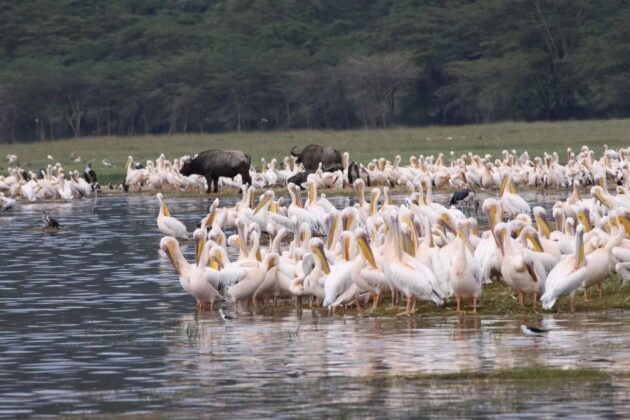
Birdwatching — Over 450 species including pelicans, fish eagles, and hornbills.
Baboon Cliffs & Outlook Point — Panoramic views of the lake and escarpment.
Walking Safaris — Limited and only with an armed KWS ranger (special booking required).
Picnic & Sundowners — Many scenic spots for a packed lunch or evening drink.
Park gates open ~6:00 AM and close ~6:00 PM.
Where to Stay
Inside the Park (immersive experience)
Lake Nakuru Lodge — Mid-range to luxury, great views.
Sarova Lion Hill Game Lodge — Comfortable, well-located.
Naishi Guest House — Budget-friendly KWS option.
Public Campsites — Basic, self-catering (bring everything).
Outside the Park (often better value)
Nakuru town hotels (budget–mid-range).
Luxury options like Mbweha Camp, The Pelican Lodge, or nearby resorts.
Book in advance during peak season (July–October).
Practical Tips
What to Bring: Binoculars, camera with zoom lens, sunscreen, hat, insect repellent, light jacket (cool mornings/evenings), reusable water bottle, snacks.
Safety: Stay in your vehicle during game drives (except designated areas). Do not feed animals. Follow ranger instructions.
Health: Malaria risk — take prophylaxis. Drink bottled/boiled water.
Combine Your Trip: Popular itineraries: Nairobi → Lake Nakuru → Maasai Mara → Amboseli or Naivasha.
Final Thoughts
Lake Nakuru National Park offers an excellent introduction to Kenyan wildlife in a compact, scenic package. While flamingo numbers can vary, the reliable rhino sightings, diverse mammals, and beautiful Rift Valley setting make it a worthwhile stop on any Kenya safari itinerary. Whether you’re on a short day trip from Nairobi or part of a longer adventure, Lake Nakuru delivers memorable wildlife moments and stunning landscapes.
Safe travels and enjoy the magic of the pink lake! 🦒🦩🦏