






A Travel Guide to Nairobi (2026)
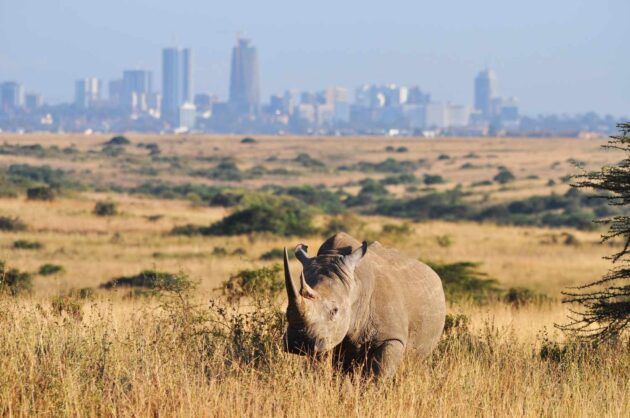
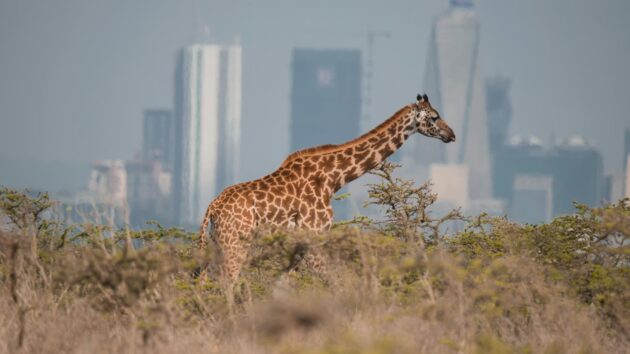
Nairobi, Kenya’s bustling capital, is often called the “Green City in the Sun.” It serves as the perfect gateway to East Africa, blending urban energy, rich culture, vibrant markets, and incredible wildlife experiences right on the city’s doorstep. While many travelers use Nairobi as a stopover before heading to safaris in the Maasai Mara or Amboseli, the city itself offers plenty to explore—from feeding giraffes to spotting lions in a national park just minutes from downtown.
Why Visit Nairobi?
Nairobi stands out as one of the few major cities in the world with a national park within its boundaries. It combines wildlife encounters, colonial history, modern art scenes, and a growing food and coffee culture. It’s also home to the United Nations Environment Programme headquarters and a hub for East African innovation.
Best Time to Visit
Dry Season (June–October): Ideal for wildlife viewing in Nairobi National Park (animals gather around water sources) and pleasant weather. Temperatures are mild (around 20–25°C / 68–77°F).
Short Dry Season (January–February): Warm, sunny days with fewer crowds.
Wet Seasons (March–May and November): Avoid if possible due to heavy rains, though they bring lush greenery and lower accommodation prices.
How to Get There
Jomo Kenyatta International Airport (NBO): The main gateway, about 15–20 km southeast of the city center. Allow 45–90 minutes to reach downtown due to traffic.
From the Airport: Use registered taxis (Kenatco counters inside the arrivals hall), Uber/Bolt rideshare apps, or pre-arranged hotel transfers. Avoid unofficial taxis.
Getting Around Nairobi
Rideshare Apps: Uber and Bolt are reliable, affordable, and widely used. They’re the safest option, especially at night.
Taxis: Use registered taxis or hotel-arranged ones. Negotiate fares upfront if not using an app.
Matatus (Minibuses): Cheap and colorful local transport, but often overcrowded and not recommended for tourists due to safety and navigation issues.
Walking: Safe in well-trafficked areas like Westlands, Karen, or the city center during the day. Avoid walking alone at night or in unfamiliar areas.
Avoid: Driving yourself unless experienced—traffic is chaotic, and road conditions vary.
Top Things to Do
Nairobi National Park: The only national park within a capital city. Spot lions, rhinos, giraffes, zebras, and over 400 bird species. Best visited early morning or late afternoon. Entry fee applies; guided tours available.
David Sheldrick Wildlife Trust Elephant Orphanage: Visit daily (11:00 AM slot) to watch rescued baby elephants being fed and cared for. A heartwarming experience with educational talks.
Giraffe Centre: Get up close with endangered Rothschild’s giraffes. Feed them from a raised platform and learn about conservation efforts.
Karen Blixen Museum: The former home of the author of Out of Africa. Explore the colonial-era house, gardens, and coffee farm history.
Nairobi National Museum: Excellent exhibits on Kenya’s history, wildlife, culture, and contemporary art. Don’t miss the snake park and outdoor sculpture garden.
Maasai Market (various locations, e.g., The Village Market on weekends): Shop for handmade jewelry, textiles, carvings, and souvenirs. Bargain politely—it’s part of the experience.
Bomas of Kenya: Cultural center showcasing traditional dances, music, and village replicas from different Kenyan ethnic groups.
Explore Westlands & Gigiri: Trendy area with great restaurants, cafes, malls, and nightlife. Gigiri is home to the UN complex.
Nairobi Walking Tours (e.g., Nai Nami tours): Guided street tours led by locals, offering insights into city life, street art, and hidden gems.
Safety Tips
Nairobi is generally welcoming to tourists, especially in popular areas (Westlands, Karen, city center during daylight). However, like any large city, petty crime and occasional violent incidents occur.
Stay in well-reviewed accommodations in safe neighborhoods (Westlands, Karen, Gigiri).
Use rideshare apps or trusted taxis, especially after dark.
Avoid carrying large amounts of cash or flashy valuables.
Do not walk alone at night or in isolated areas.
Avoid certain neighborhoods (e.g., Kibera, Eastleigh) unless on a guided tour.
Be cautious of scams (fake guides, overpriced taxis).
Terrorism remains a concern—follow local advisories and avoid large crowds if tensions rise.
Where to Stay
Luxury: Fairmont The Norfolk, Hemingways Nairobi, Villa Rosa Kempinski.
Mid-Range: Ole-Sereni (overlooks the national park), Sarova Panafric, Boma Nairobi.
Budget-Friendly: Many good guesthouses and Airbnbs in Westlands/Karen.
What to Eat
Local Favorites: Nyama choma (grilled meat), ugali (maize meal), sukuma wiki (collard greens), and mandazi (fried dough).
Street Food: Try samosas, chapati, or fresh sugarcane juice.
International & Cafes: Westlands has excellent Ethiopian, Indian, Italian, and fusion options.
Coffee: Kenya produces world-class coffee—visit Artcaffe or Dormans.
Practical Tips
Currency: Kenyan Shilling (KES). Cards widely accepted in tourist areas; carry cash for markets.
Language: English and Swahili are official. “Jambo” (hello) and “Asante” (thank you) go a long way.
Health: Drink bottled water. Malaria risk is low in Nairobi but present—use repellent. Yellow fever vaccination required for entry.
Power: Type G plugs (British style), 240V.
Final Thoughts
Nairobi is a dynamic, welcoming city that surprises many visitors with its mix of wildlife, culture, and modern energy. Spend 2–4 days here to enjoy its highlights, then use it as a base for epic safaris elsewhere in Kenya. With basic precautions, you’ll find Nairobi rewarding, authentic, and unforgettable.
Safe travels!