
Mount Kenya National Park Travel Guide (2026)
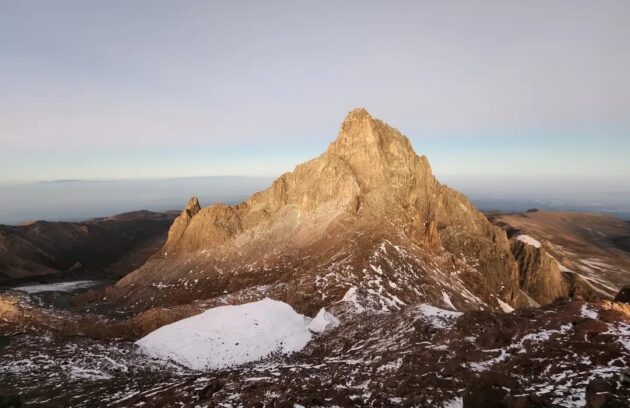
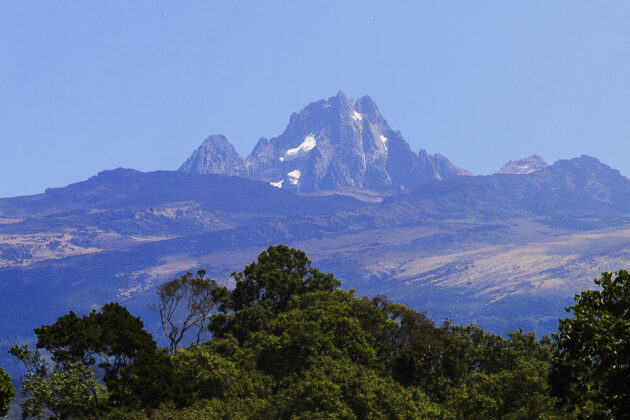
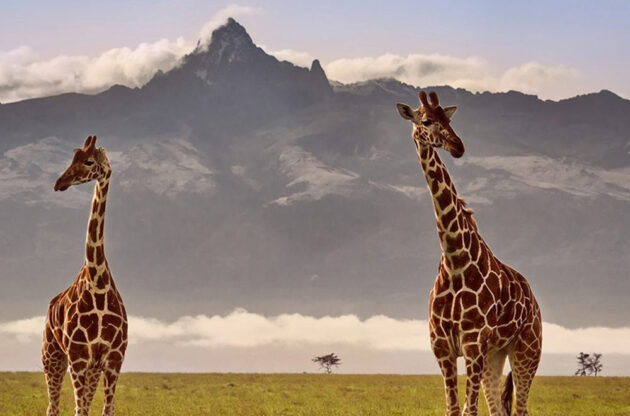
Mount Kenya National Park, located in central Kenya, is home to Africa’s second-highest mountain (5,199 m / 17,057 ft) after Kilimanjaro. This UNESCO World Heritage Site features dramatic glacier-capped peaks, Afro-alpine moorlands, dense forests, and diverse wildlife. It’s a premier destination for trekking, climbing, birdwatching, and nature immersion, attracting adventurers seeking a challenging yet scenic alternative to Kilimanjaro.
Why Visit Mount Kenya National Park?
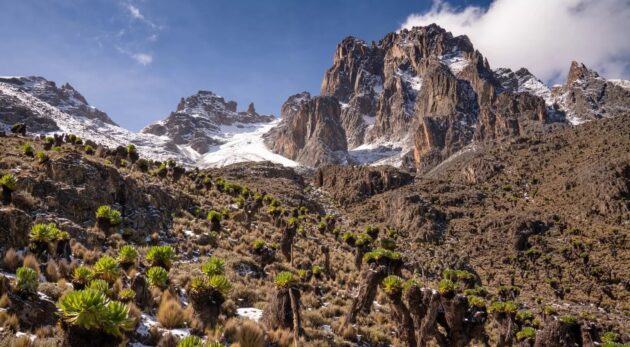
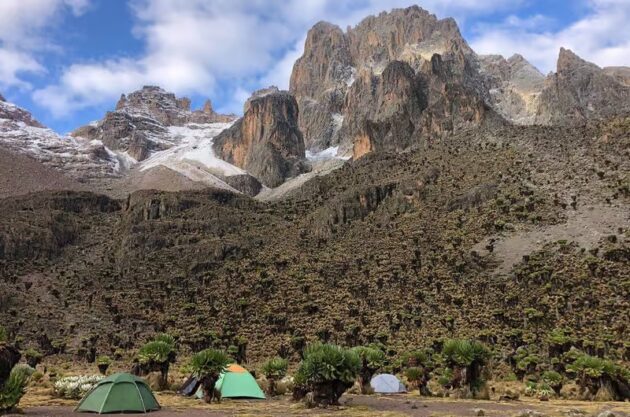
Stunning biodiversity: From montane forests to unique afro-alpine flora (giant groundsels, lobelias, and senecios).
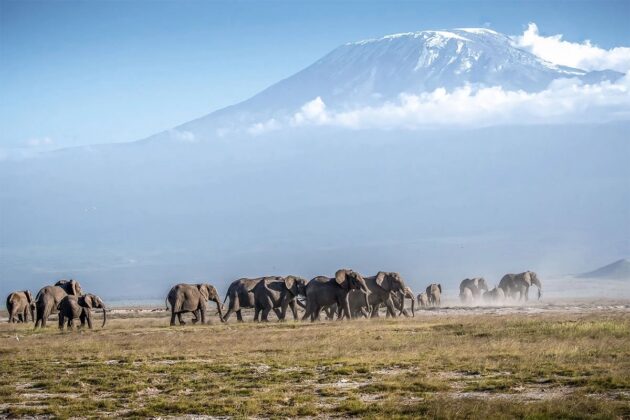
Wildlife: Elephants, buffaloes, black-and-white colobus monkeys, Sykes’ monkeys, bushbucks, rock hyraxes, and over 130 bird species.
Less crowded than many African peaks, offering a more authentic and tranquil experience.
No technical climbing required to reach Point Lenana (the trekking peak at 4,985 m) — suitable for fit hikers.
How to Get There
By Road — Most visitors drive from Nairobi (about 3–4 hours, 170–200 km depending on the gate).
Main access towns: Nanyuki (Sirimon & Naro Moru routes) or Meru/Embu (Chogoria route).
By Air — Fly to Nanyuki Airport or Isiolo Airport, then transfer by road.
Park Gates — Main entry points: Sirimon Gate, Naro Moru Gate, Chogoria Gate (most popular for treks).
Best Time to Visit
The park is open year-round, but weather greatly affects conditions.
Best Seasons (Dry & Recommended for Trekking/Climbing): January to March — Warmest, clearest skies, excellent summit views. July to October — Cooler, very dry trails, good visibility.
Shoulder Periods: December and June — Transitional, often acceptable.
Avoid or Limit to Day Trips: April to June (long rains) and November (short rains) — Heavy rain, muddy/slippery trails, fog, higher risk of altitude issues.
Main Trekking Routes to Point Lenana
Hiking alone is prohibited — a licensed guide is mandatory (often arranged with porters and cooks).
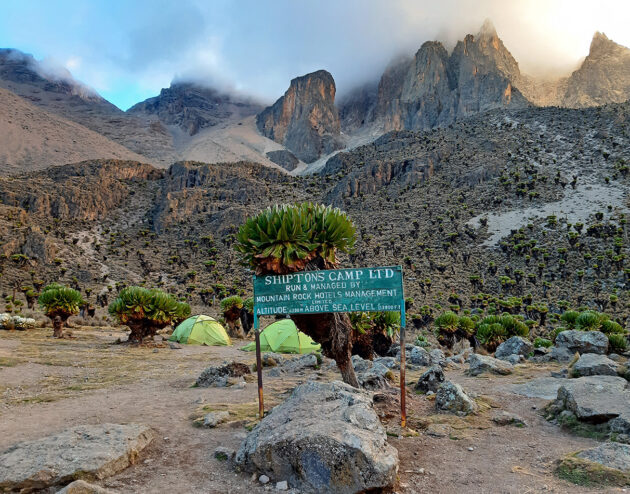
Sirimon Route (eastern side) — Most popular and scenic. Gradual ascent, beautiful views, good for acclimatization. Typical: 4–6 days (Sirimon Gate → Old Moses Camp → Shipton’s Camp → Point Lenana → descent via Chogoria or Naro Moru).
Chogoria Route (eastern side) — Most beautiful, with lakes, gorges, and waterfalls. Often combined as ascent via Sirimon and descent via Chogoria. Stunning scenery (Gorges Valley, Lake Michaelson).
Naro Moru Route (western side) — Shortest but steepest. Direct path, but the “Vertical Bog” section can be muddy and challenging. Typical itinerary: 4–6 days round trip to Point Lenana (non-technical peak).
Park Fees
Daily conservation fee: ~USD 70 per day (varies slightly by residency status).
Multi-day treks: Fees are charged per 24 hours spent in the park.
Climbing/technical peaks (Batian/Nelion): Additional permit ~USD 30.
Pay via eCitizen platform in advance or at the gate.
Costs
Budget independent trek (with guide/porters): ~USD 650–1,000 per person (4–6 days).
Organized package (guide, porters, meals, tents/huts, park fees, transport): USD 1,000–1,400 per person.
Prices depend on group size, route, and whether you use mountain huts or camping.
Accommodation Options
Inside the Park: Mountain huts: Old Moses (Sirimon), Shipton’s (near Point Lenana), Meru Mount Kenya Lodge (Chogoria), etc. Camping: Designated sites (bring your own gear or rent).
Outside the Park / Nearby: Nanyuki: Fairmont Mount Kenya Safari Club (luxury), various lodges and guesthouses. Around Chogoria/Meru: Serena Mountain Lodge (tree hotel experience inside forest). Budget: Campsites and basic lodges in Nanyuki or Meru.
What to Bring
Layered clothing (temperatures drop dramatically at altitude — nights can be below freezing).
Good hiking boots, rain gear, warm sleeping bag, headlamp.
Sun protection, high-SPF sunscreen, hat, sunglasses.
Water purification tablets or filter.
Snacks, energy bars, personal medications (including altitude sickness prevention like Diamox — consult a doctor).
Passport/ID for entry.
Safety & Practical Tips
Altitude sickness — Acclimatize properly; ascend slowly (“climb high, sleep low”).
Hire a licensed guide and porters — required and helps support local communities.
Respect the environment — leave no trace, stick to trails.
Wildlife — Keep distance from elephants and buffaloes; they are common in the forest zone.
Book in advance during peak seasons (especially huts and guides).
Check current conditions — weather changes fast on the mountain.
Travel insurance — Ensure it covers high-altitude trekking.
Mount Kenya offers one of Africa’s most rewarding high-altitude experiences — raw, beautiful, and far less commercialized than Kilimanjaro. With proper preparation, it can be the highlight of any Kenya trip. Safe travels and enjoy the majestic views from the roof of Kenya!