
A Travel Guide to Akagera National Park (2026)
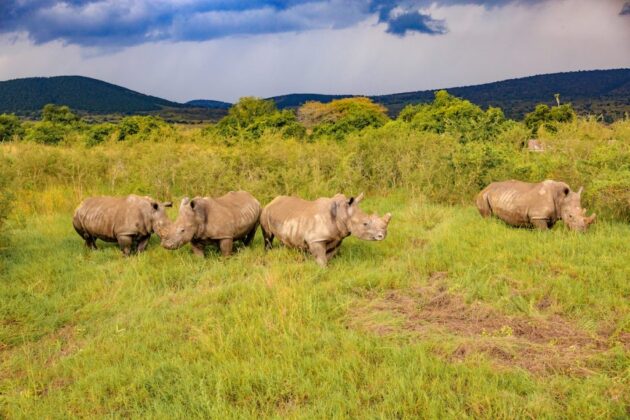
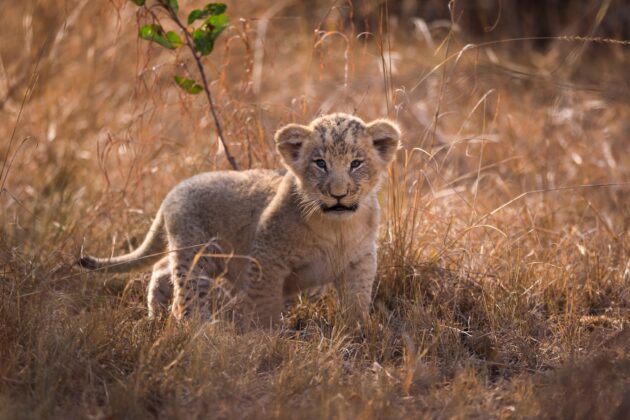
Akagera National Park is Rwanda’s premier wildlife destination and the country’s only park where you can spot the Big Five (lion, leopard, elephant, buffalo, and rhino). Located in eastern Rwanda along the border with Tanzania, this 1,120 km² savannah, woodland, wetland, and lake-filled reserve offers classic African safari experiences in a relatively uncrowded setting. Once nearly lost to poaching and human settlement after the 1990s civil war, Akagera has undergone an inspiring revival through a partnership between African Parks and the Rwanda Development Board, with species like black rhino and lion successfully reintroduced. Today, it combines stunning landscapes with excellent game viewing and a peaceful atmosphere.
Why Visit Akagera National Park?
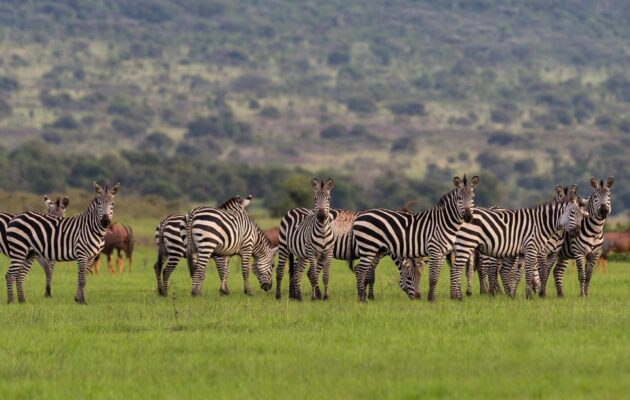
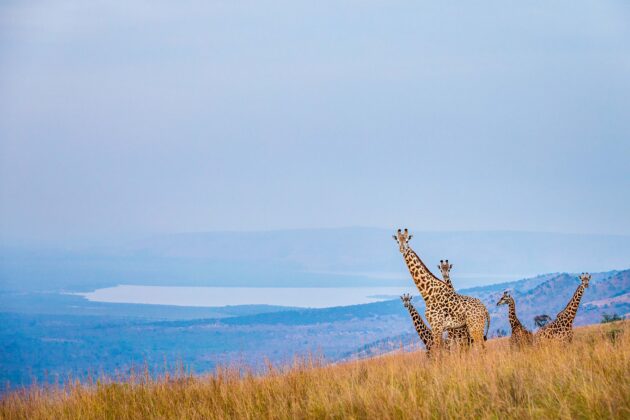
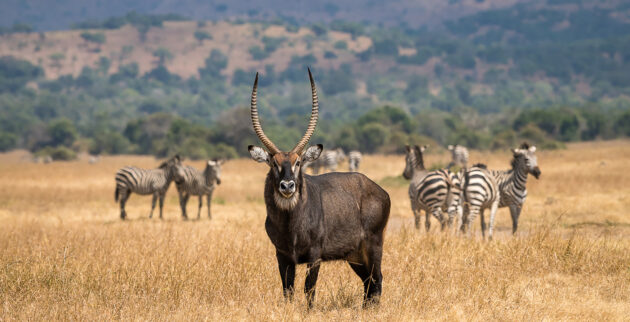
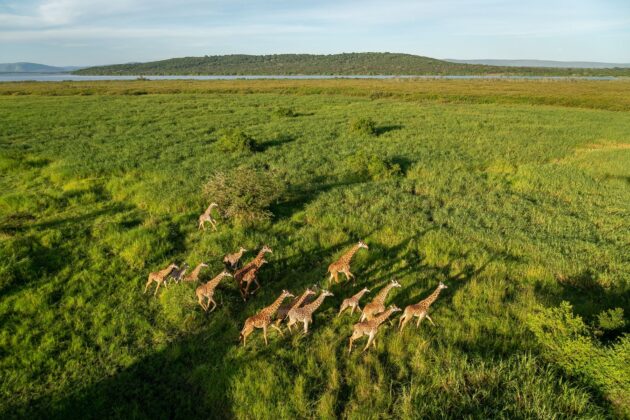
Home to all Big Five animals plus giraffe, zebra, hippo, crocodile, numerous antelope species, and over 480 bird species.
Diverse habitats: open plains, rolling hills, acacia woodlands, and papyrus-fringed lakes.
Fewer crowds compared to East African safari giants like Serengeti or Maasai Mara.
Perfect as a complementary experience to Rwanda’s gorilla trekking in Volcanoes National Park or chimpanzee tracking in Nyungwe.
How to Get There
Akagera is easily accessible from the capital:
From Kigali: Approximately 110 km east, a 2–2.5-hour drive on mostly paved roads (with some dirt sections inside the park). The main entrance is the Kayonza Gate (southern entrance near headquarters).
By Car: Rent a 4×4 vehicle (highly recommended) from Kigali. Self-drive is allowed inside the park.
Organized Transfer: Most lodges and tour operators offer transfers from Kigali airport or city hotels.
By Air: No direct flights; Kigali International Airport (KGL) is the gateway.
Best Time to Visit
Dry Season (June–September): Prime time — animals concentrate around water sources, vegetation is thinner, and roads are in good condition. Best for game viewing and photography.
Short Dry Season (December–February): Also excellent, especially for birdwatching (many migrants present).
Wet Seasons (March–May & October–November): Lush scenery and great birding, but roads can be muddy, and animals more dispersed. Avoid heavy rain periods if possible.
The park is open year-round, with daytime temperatures typically 22–27°C (72–81°F).
Entry Fees & Permits
Fees are per person per day (children under 6 free; 6–12 pay reduced rates):
International Visitors: USD 100/adult (multi-day discounts available after the first night). Foreign Residents: USD 50–75. EAC Citizens/Residents: Lower rates (around USD 16–50 equivalent in RWF). Vehicle Fee: USD 10–40 depending on registration and type.
Additional Activities: Guided game drive (park-operated): USD 200–350 per vehicle. Boat trip on Lake Ihema: USD 35–45 per person (scheduled) or USD 200–360 private. Night drive: USD 40 per person. Camping: USD 25–50 per person/night.
Book activities in advance via African Parks or lodges. Pay fees at the gate or pre-arrange invoicing.
Top Things to Do
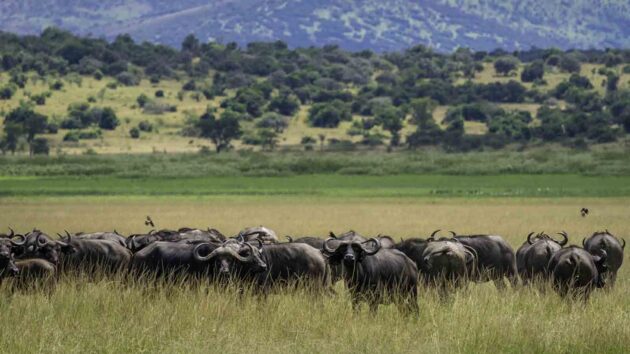
Game Drives: Self-drive (6am–6pm) or guided drives. Morning and late afternoon are best for sightings. Look for lions, leopards (elusive), elephants, white rhinos, giraffes, and large buffalo herds.
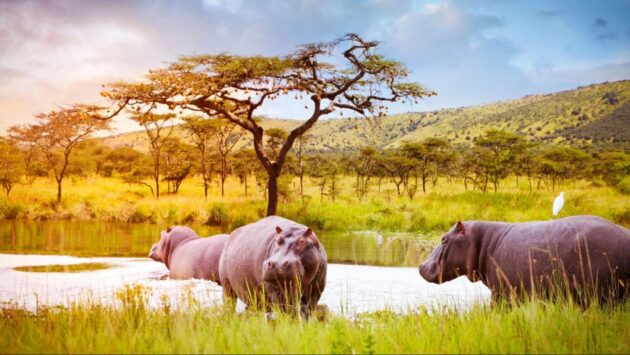
Boat Safari on Lake Ihema: A highlight! Spot hippos, crocodiles, waterbirds, and sometimes elephants drinking from the shore. Scheduled morning, afternoon, or sunset trips.
Night Drives: Offered by the park — great for spotting nocturnal animals like leopards, hyenas, and genets.
Guided Walking Safaris: Explore on foot with an armed ranger (subject to availability).
Birdwatching: Nearly 500 species, including shoebills, papyrus gonoleks, and many waterbirds.
Cultural & Community Experiences: Visit nearby villages or participate in community-led activities.
Where to Stay
Luxury: Magashi Camp (Wilderness Safaris) — Exclusive tented camp with excellent game viewing.
Mid-Range/Comfort: Ruzizi Tented Lodge — Eco-friendly tents on Lake Rwanyakazinga. Karenge Bush Camp — Intimate camp in the south.
Budget: Camping sites (Mihindi, etc.) — Basic but scenic; some include breakfast.
Inside vs. Outside: Staying inside the park maximizes early/late game viewing.
Book accommodations well in advance, especially in peak season.
Practical Tips
Bring binoculars, camera, sunscreen, hat, insect repellent, and layers (cool mornings/evenings).
A 4×4 is essential for self-drive; roads can be rough.
Malaria risk — take prophylaxis and use repellents.
No swimming in lakes due to crocodiles/hippos.
Respect wildlife: stay in vehicles during game drives, follow ranger instructions.
Combine with other Rwanda experiences: 2–3 days in Akagera pairs well with gorilla trekking.
Akagera offers an authentic, rejuvenated safari experience in one of Africa’s most successful conservation stories. Whether you’re after the Big Five thrill or peaceful birdwatching, this park delivers unforgettable moments in Rwanda’s wild east. Safe travels!