

Travel Guide to the Democratic Republic of the Congo (2026)
The Democratic Republic of the Congo (DRC) is one of Africa’s most biodiverse and culturally rich countries, home to vast rainforests, active volcanoes, rare wildlife including mountain gorillas and okapi, and the mighty Congo River. It offers extraordinary, off-the-beaten-path experiences for adventurous travelers. However, the country faces significant security challenges, including armed conflict, crime, civil unrest, terrorism, and kidnapping in many regions.
Why Visit the DRC?
Home to Africa’s oldest national park (Virunga) and exceptional biodiversity.
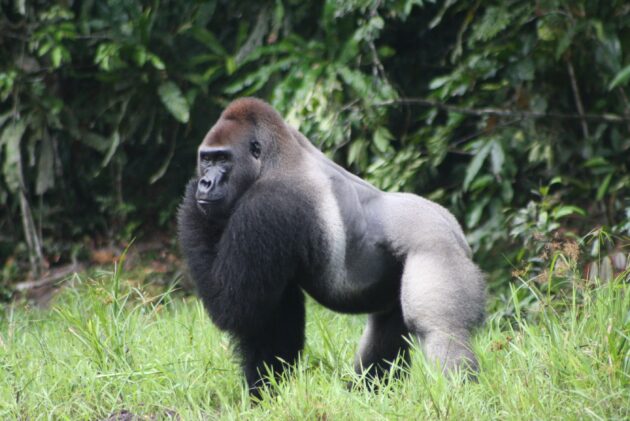
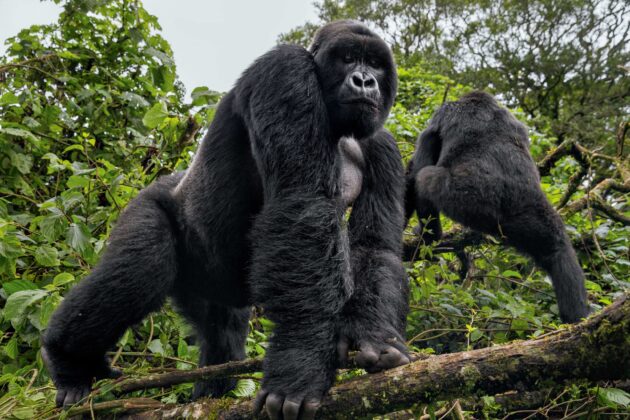
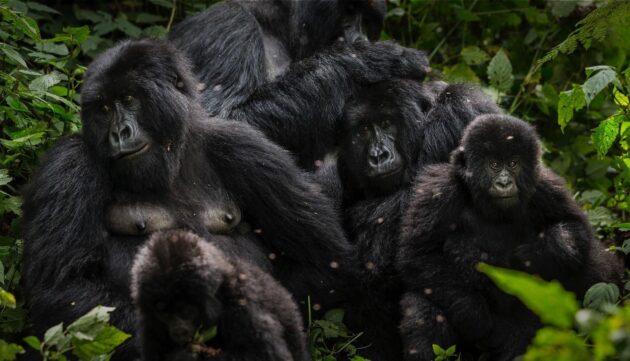
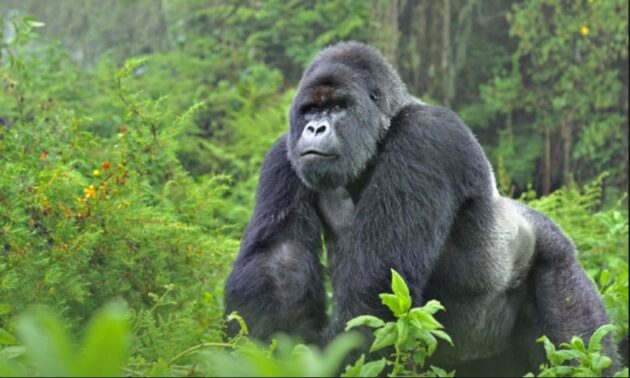
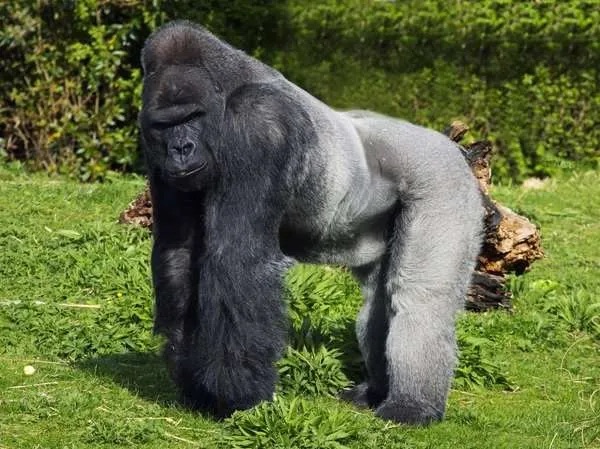
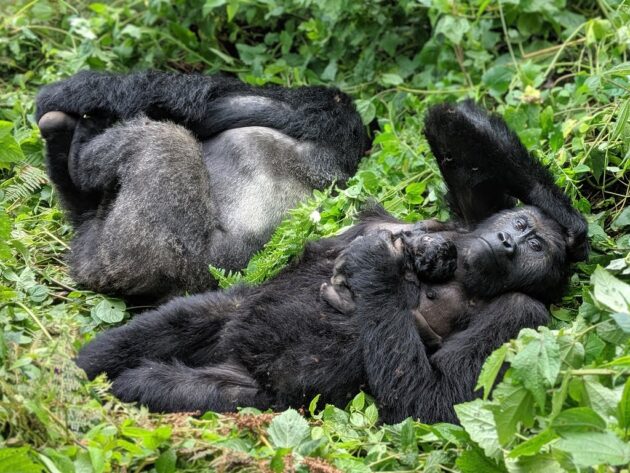
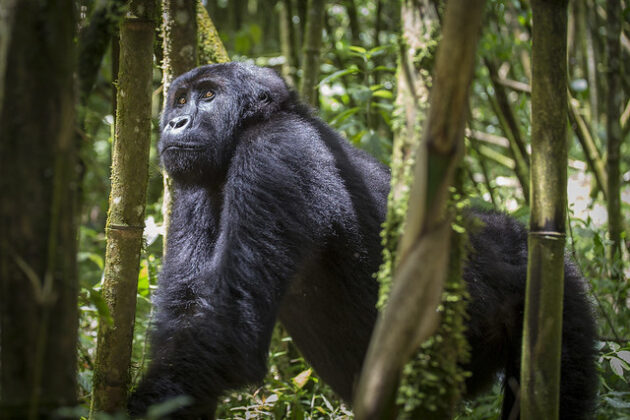
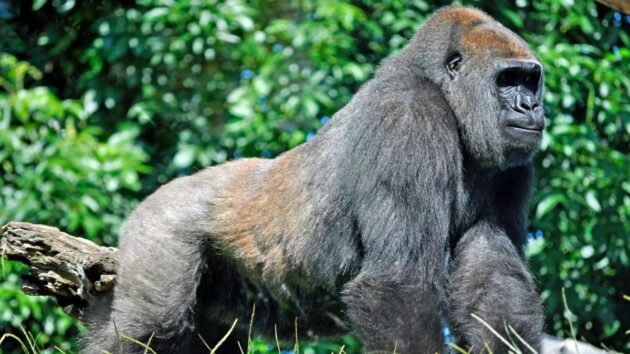
One of the last places on Earth to see mountain gorillas and eastern lowland gorillas.
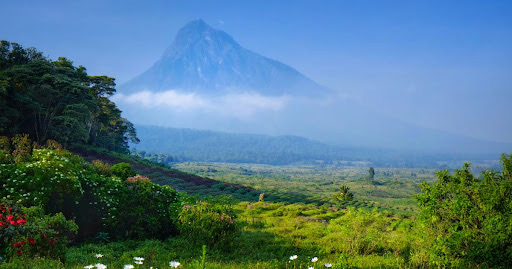
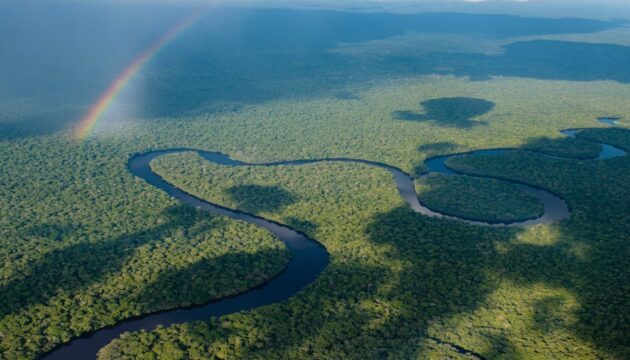
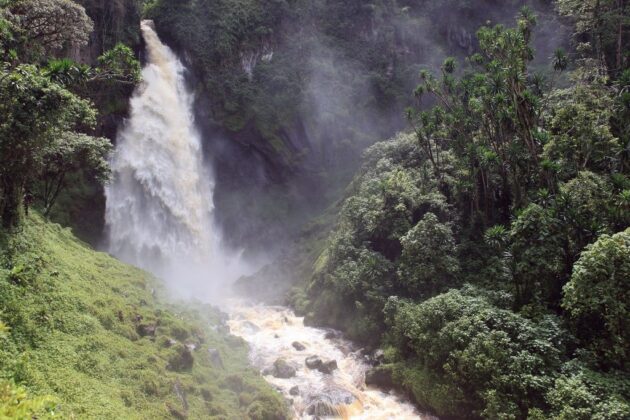
Dramatic landscapes: active volcanoes, massive rainforests, and powerful waterfalls.
Unique cultural experiences in a country with over 200 ethnic groups.
Best Places to Visit
Virunga National Park
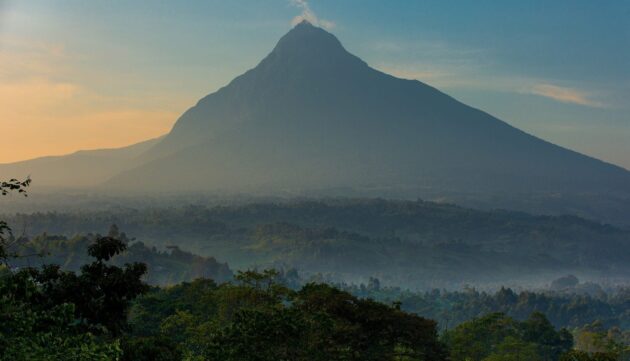
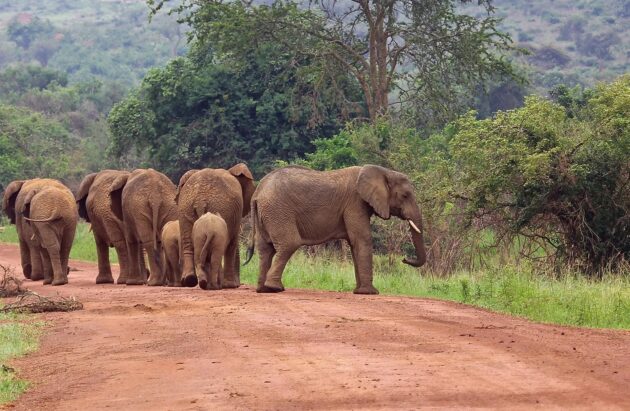
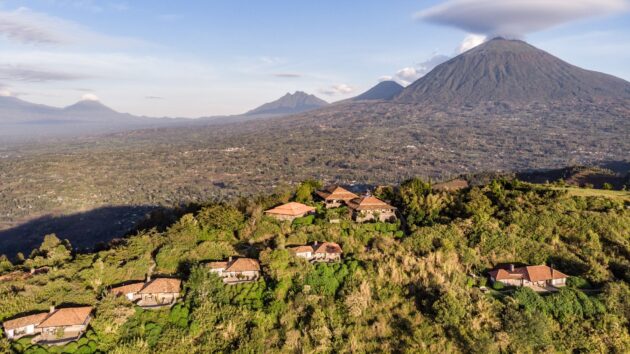
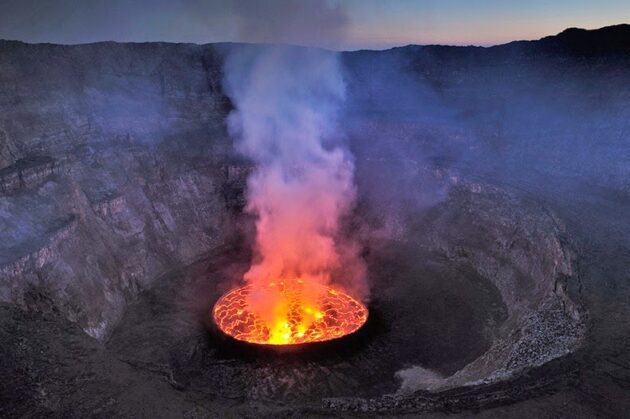
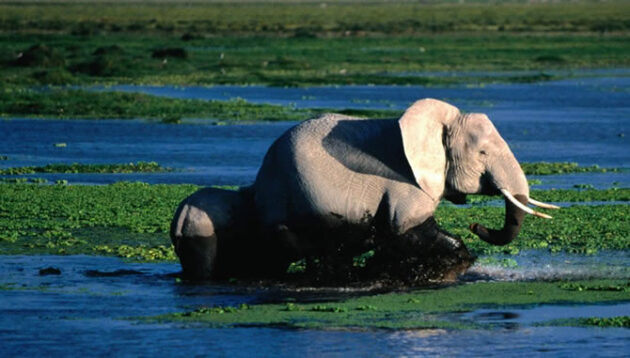
Virunga National Park, Africa’s oldest national park (established in 1925), is a UNESCO World Heritage Site and one of the planet’s most biodiverse places. Located in eastern DRC near the borders with Rwanda and Uganda, it stretches from the Rwenzori Mountains to Lake Edward and is home to mountain gorillas, chimpanzees, elephants, lions, hippos, and the active Mount Nyiragongo volcano with its stunning lava lake.
Kahuzi-Biega National Park
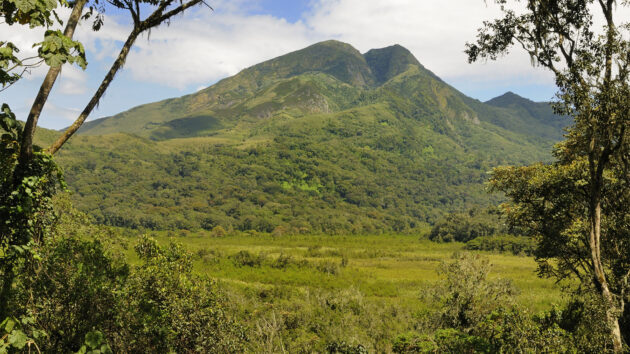
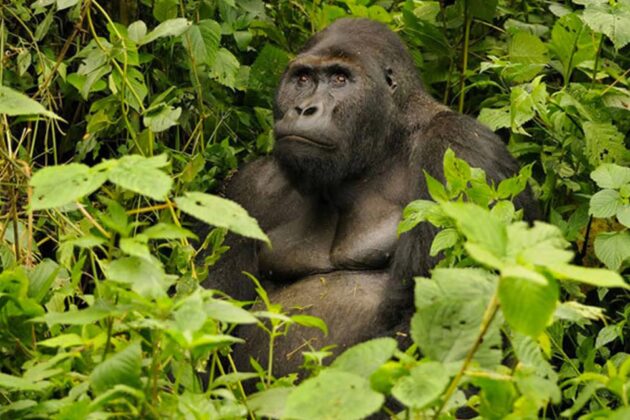
Kahuzi-Biega National Park, located in the eastern Democratic Republic of the Congo (DRC) near Bukavu in South Kivu Province, is a UNESCO World Heritage Site and one of Africa’s most important protected areas for biodiversity. Spanning over 6,000 square kilometers, the park features two extinct volcanoes—Mount Kahuzi (3,308 m) and Mount Biega—and transitions from montane forest to lowland rainforest.
Salonga National Park
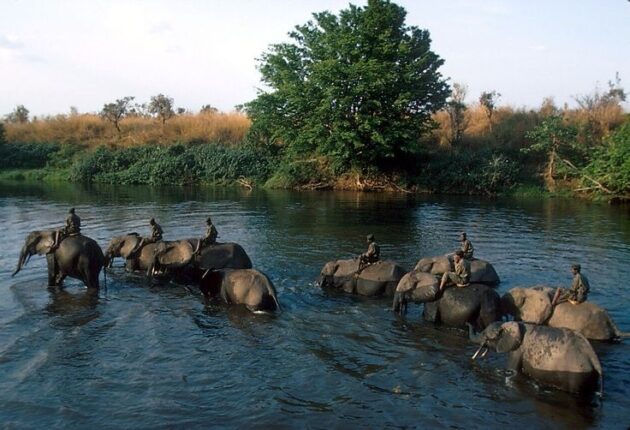
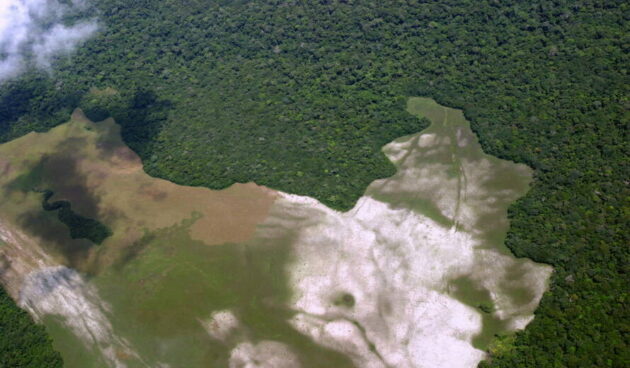
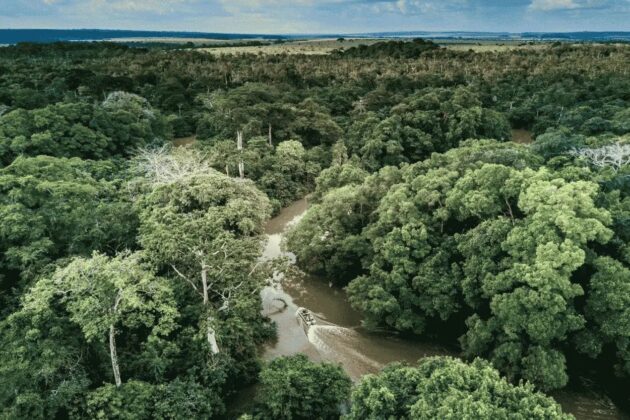
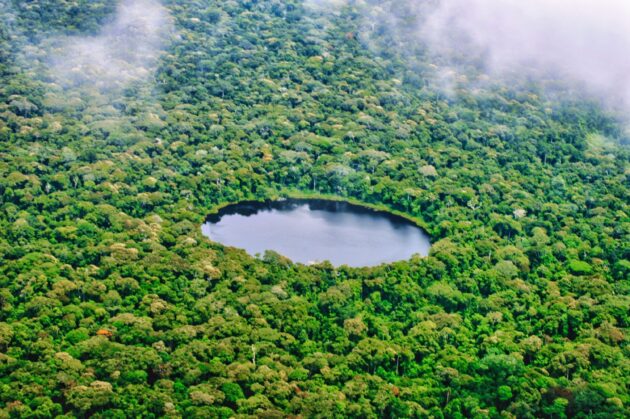
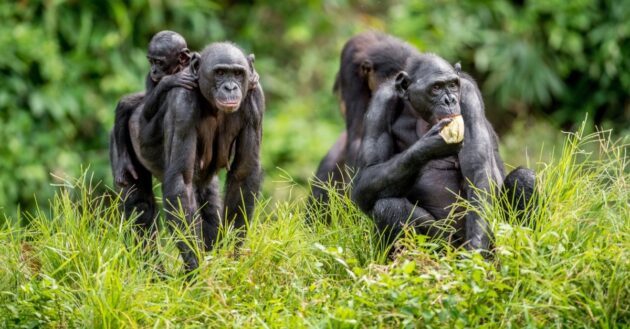
As the continent’s largest tropical rainforest national park (covering approximately 36,000 km² — larger than Belgium), it is a UNESCO World Heritage Site and one of the last truly intact lowland rainforests in the world. Located in the heart of the Congo Basin, south of the Congo River, the park is a biodiversity hotspot and home to around 40% of the world’s bonobos, along with many other rare and endemic species.
How to Get There
International Flights: Fly into Kinshasa (N’djili International Airport) or Goma (for eastern parks). Major airlines include Ethiopian Airlines, Kenya Airways, Brussels Airlines, and Turkish Airlines (via connections).
Regional Access: Many gorilla trekkers fly into Kigali (Rwanda) or Entebbe (Uganda) and cross the border to Goma or Bukavu.
Practical Tips
Visa: Most nationalities require a visa in advance. E-visas are available for some categories; check official sources.
Permits: Gorilla trekking permits (when available) must be booked well ahead through official channels or trusted operators.
Tour Operators: Essential. Use reputable, experienced companies specializing in DRC (often with offices in Rwanda/Uganda). They provide armed rangers, security escorts, and logistics.
Health: Yellow fever vaccination required (proof on entry/exit). Malaria prophylaxis strongly recommended. Hepatitis A/B, typhoid, rabies vaccines advised. Drink bottled/boiled water; be aware of mpox outbreaks.
What to Bring: Cash (USD preferred), insect repellent, good boots, rain gear, first-aid kit, satellite phone/power bank, copies of documents.
Money & Communication: ATMs are unreliable; bring sufficient USD cash. Mobile coverage is spotty; consider a local SIM or satellite device.
Final Thoughts
The DRC is a land of unparalleled natural wonders and raw adventure, but it is not a conventional tourist destination. Travel here requires serious preparation, flexibility, and acceptance of risk. For most people, neighboring countries (Rwanda, Uganda) offer similar gorilla experiences with far greater safety and infrastructure.
If you are determined to visit, prioritize Virunga-focused tours with established operators, monitor security updates daily, register with your embassy, and have comprehensive travel insurance that covers high-risk areas and medical evacuation.
Stay safe and travel responsibly.