Travel Guide to Virunga National Park (2026)
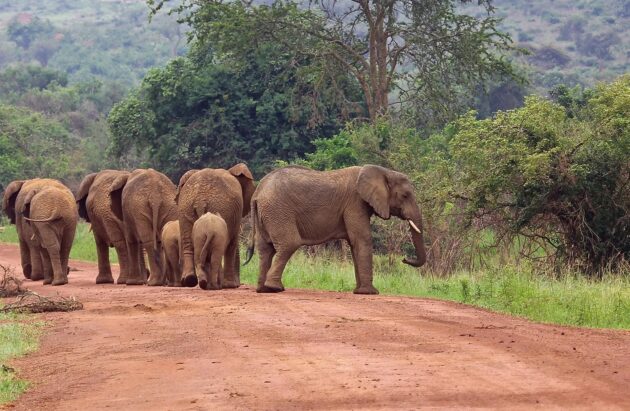
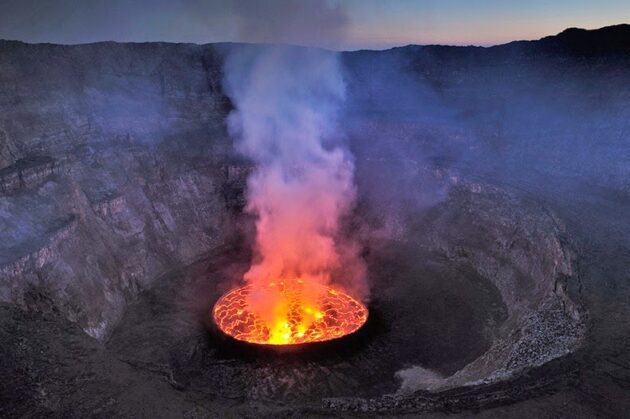
Virunga National Park, Africa’s oldest national park (established in 1925), is a UNESCO World Heritage Site and one of the planet’s most biodiverse places. Located in eastern DRC near the borders with Rwanda and Uganda, it stretches from the Rwenzori Mountains to Lake Edward and is home to mountain gorillas, chimpanzees, elephants, lions, hippos, and the active Mount Nyiragongo volcano with its stunning lava lake. Despite its incredible wildlife and landscapes, Virunga is in a conflict-affected region, making travel highly specialized and not suitable for casual visitors.
Why Visit Virunga?
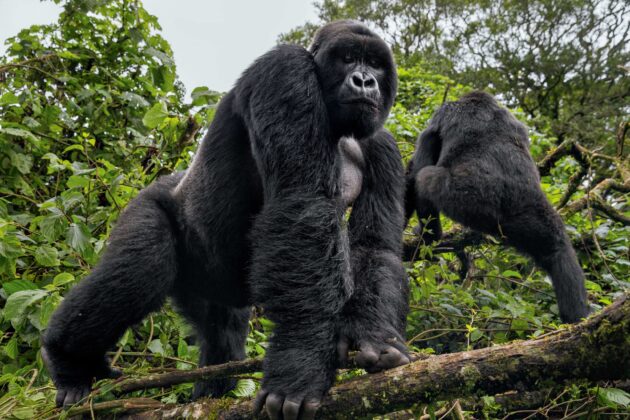
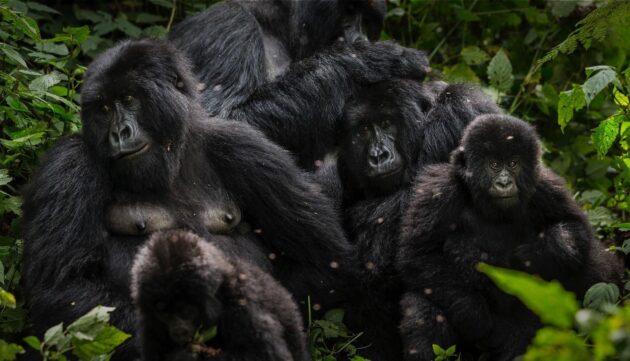
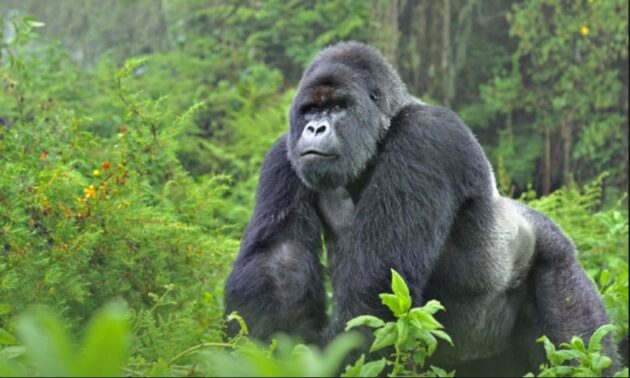
One of only a few places in the world to see mountain gorillas in the wild (cheaper permits than Rwanda/Uganda when open).
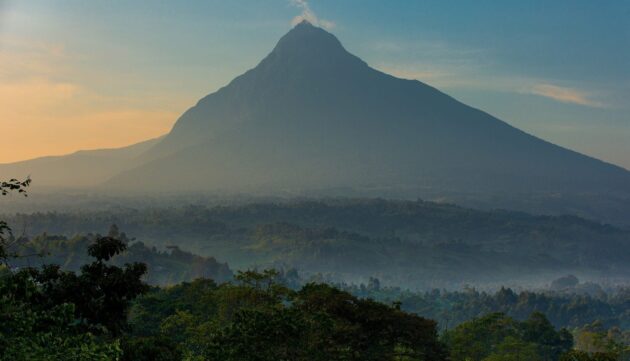
Summit Mount Nyiragongo, one of the few volcanoes with a persistent lava lake.
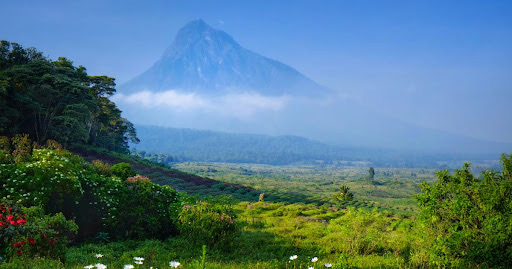
Extremely biodiverse: savannas, rainforests, alpine zones, and wetlands.
Your visit directly supports rangers who protect wildlife and combat poaching (the park has lost over 200 rangers in the past decades).
How to Get There (When Open)
Most visitors arrive via Rwanda (safer and more stable):
Fly into Kigali International Airport (Rwanda).
Drive to Goma (DRC) — about 5–7 hours via the Gisenyi–Goma border crossing (official tourist convoys often used).
From Goma, the park arranges all internal transport for safety.
Alternative routes via Uganda exist but are less common.
Main Activities (When Available)
Mountain Gorilla Trekking: Track habituated gorilla families in the Mikeno sector. Permit cost (historical): $400–$450 USD (much cheaper than Rwanda’s $1,500 or Uganda’s $800). Max 8 people per group; 1 hour with the gorillas after tracking (can take 1–6 hours). Age minimum: usually 15+. Always escorted by armed rangers.
Mount Nyiragongo Volcano Trek: Overnight hike to the summit (11,384 ft / 3,470 m). View the world’s largest lava lake from basic shelters. Duration: 5–6 hours up, overnight, then descent. Physically demanding; requires good fitness.
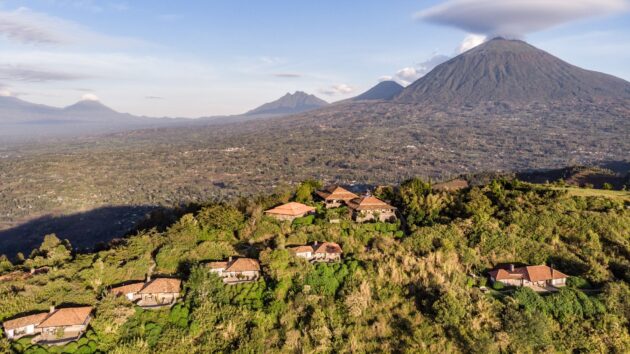
Other Experiences: Chimpanzee tracking (when available). Visit Senkwekwe Center (gorilla orphanage). Boat trips on Lake Edward (hippos & birds). Stays at luxury lodges like Mikeno Lodge or Kibumba Tented Camp.
Where to Stay
Mikeno Lodge — luxury, near gorilla sector.
Kibumba Tented Camp — starting point for many treks.
Tchegera Island — serene Lake Kivu getaway.
All bookings go through the official Virunga site.
Practical Tips
Book everything in advance through the official website (visit.virunga.org).
Travel only with official park arrangements — no independent travel inside the park.
Health — Yellow fever vaccination required; malaria prophylaxis strongly recommended; bring water purification.
Packing — Good hiking boots, rain gear, layers (altitude changes), insect repellent, binoculars, no drones.
Photography — Flash forbidden near gorillas; keep respectful distance (7 meters).
Best time — Dry seasons (June–September, December–February) for easier trekking.
Final Thoughts
Virunga National Park offers one of the most raw, rewarding, and meaningful wildlife experiences in Africa — but it is not a conventional safari destination. Tourism supports critical conservation and ranger protection efforts in a challenging environment.
If and when Virunga reopens fully, it remains a powerful place to witness nature’s beauty and support one of the world’s most dedicated conservation teams.
Safe travels — and hope for peace in the region.