
Travel Guide to Salonga National Park (2026)
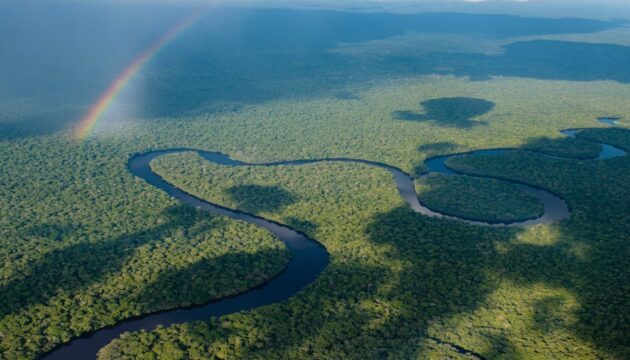
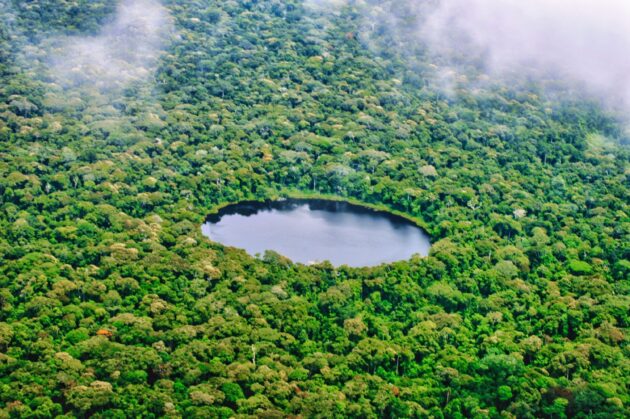
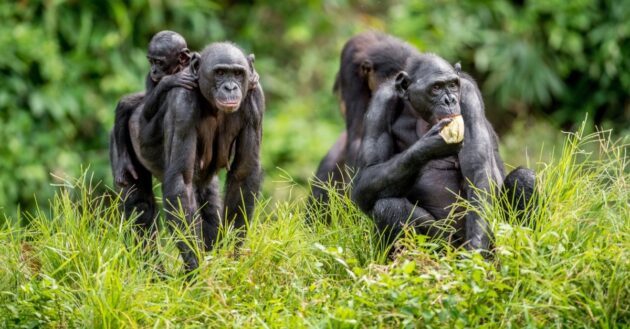
Salonga National Park is one of Africa’s most extraordinary and remote wilderness areas. As the continent’s largest tropical rainforest national park (covering approximately 36,000 km² — larger than Belgium), it is a UNESCO World Heritage Site and one of the last truly intact lowland rainforests in the world. Located in the heart of the Congo Basin, south of the Congo River, the park is a biodiversity hotspot and home to around 40% of the world’s bonobos, along with many other rare and endemic species.
This park offers a true expedition-style experience in pristine nature, but it is not a conventional tourist destination. Visiting requires significant planning, specialized operators, and awareness of serious challenges.
Why Visit Salonga National Park?
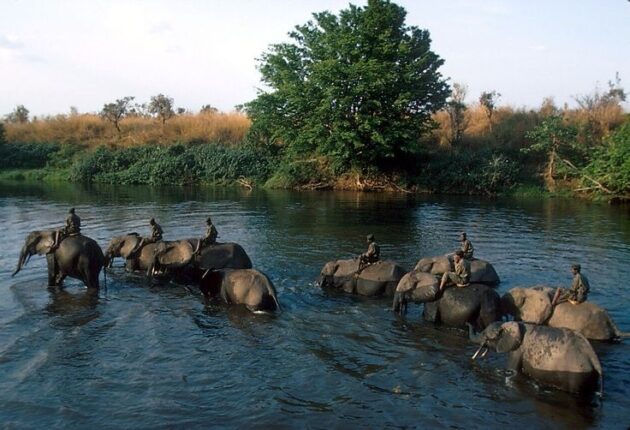
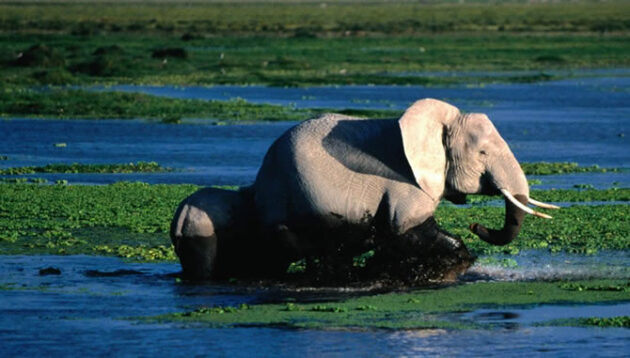
Unique Wildlife: The park protects an astonishing array of species, including bonobos (the flagship species), forest elephants, Congo peacocks, giant pangolins, leopards, golden-bellied mangabeys, Allen’s swamp mangabeys, black colobus monkeys, sitatunga, duikers, red river hogs, and numerous birds (over 300 species), reptiles, and fish.
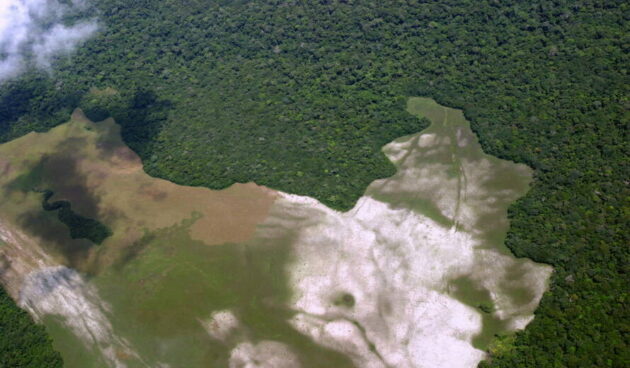
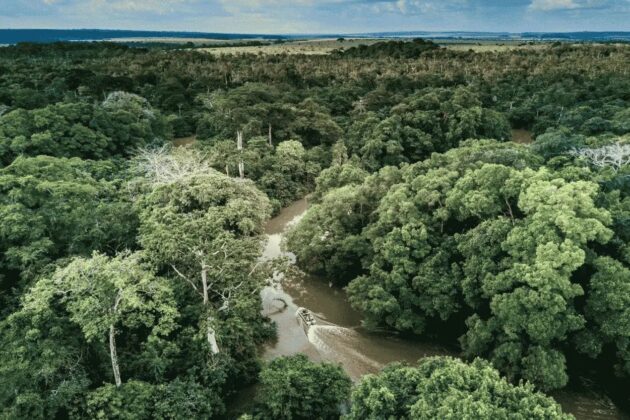
Intact Rainforest: Nearly 95% forest cover with rivers, streams, marshlands, grassy bais (clearings), and wetlands — offering a glimpse of untouched Central African rainforest.
Conservation Focus: Tourism, when responsibly managed, supports anti-poaching efforts and local communities.
How to Get There
Salonga is extremely isolated with no road access inside the park. Entry is only possible by water or air.
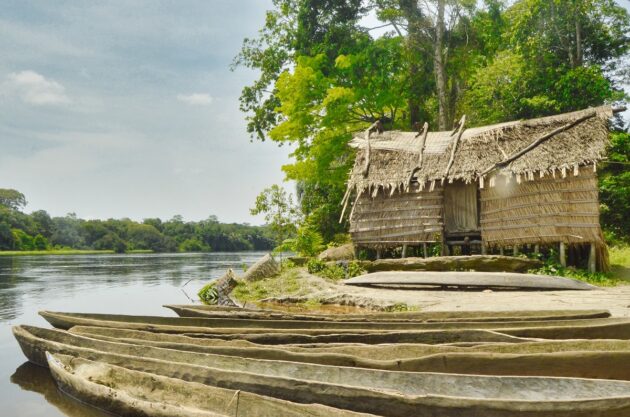
By River: The most common (and adventurous) route is via the Congo River and its tributaries (e.g., Salonga, Luilaka, Lomela, or Loile rivers). Expeditions often start from Kinshasa or Mbandaka, involving boat journeys that can take several days.
By Air: Charter flights from Kinshasa or Mbandaka to small airstrips near the park (e.g., Monkoto, Anga, or Mundja), followed by boat or foot access.
Main Entry Points: The park has northern and southern sectors separated by a corridor. Most expeditions focus on one sector.
All visits require special permits from the Institut Congolais pour la Conservation de la Nature (ICCN).
Best Time to Visit
The park has an equatorial climate with high humidity and rainfall year-round.
Dry Seasons (Best): June to August (main dry period) and December to February. These months offer better trail conditions, lower river levels (easier navigation), and improved wildlife visibility in bais and along rivers.
Avoid: March to May and September to November (heavy rains, flooding, muddy trails, and difficult access).
What to Do and See
Activities are expedition-style and limited due to the park’s remoteness:
Guided Nature Walks / Forest Treks: On foot with armed rangers/guides to spot wildlife, birds, butterflies, and plants.
Wildlife Viewing: Especially bonobos, forest elephants, and birds. Bais (grassy clearings) are good for observing animals.
Birdwatching: Over 300 species, including the rare Congo peafowl.
River Exploration: By motorized canoe or boat to navigate waterways and observe aquatic life.
Cultural / Community Interactions: Some expeditions include visits to nearby communities (with respect for local customs).
Note: Gorilla trekking does not occur here (that’s Virunga or Kahuzi-Biega). Swimming in rivers is risky due to wildlife and currents.
Tour Operators and Practicalities
Tourism is very limited and not mass-market. Only a few specialized operators run rare expeditions:
Work with reputable companies experienced in DRC (e.g., those offering Congo River + Salonga combos, or conservation-focused tours).
Expect small groups, basic camping, and full logistical support (permits, armed rangers, boats, supplies).
Costs: Very high due to charters, permits, logistics, and security. Expect several thousand USD per person for multi-day expeditions.
What to Bring
Lightweight, quick-dry clothing and rain gear
Sturdy boots for muddy trails
Insect repellent (strong DEET), malaria prophylaxis, and yellow fever vaccination certificate (required)
First-aid kit, water purification, headlamp
Binoculars and camera (with protection from humidity)
Cash (USD preferred), as ATMs are unreliable
Final Thoughts
Salonga National Park is a rare and magnificent destination — one of the few places left where you can experience the Congo Basin’s rainforest in near-pristine condition. However, it is an expedition for highly experienced adventure travelers only, not a casual trip.
Due to ongoing security concerns, logistical challenges, and government travel warnings, most people will never visit Salonga. If you are seriously considering it, prioritize safety, use only trusted operators, and stay updated on conditions.
For most travelers interested in DRC wildlife, more accessible (and currently safer) options include Virunga or Kahuzi-Biega National Parks (with their own risks and advisories).
Safe travels — and respect this fragile wilderness.