A Travel Guide to Loango National Park (2026)
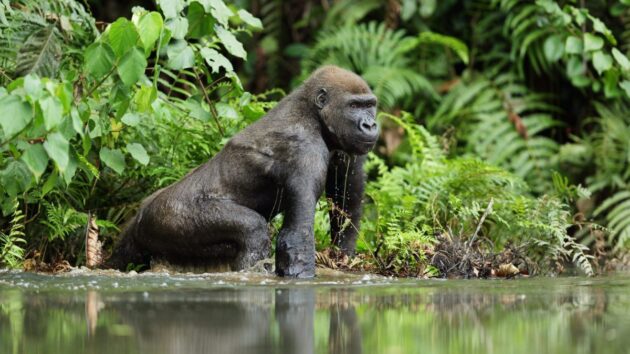
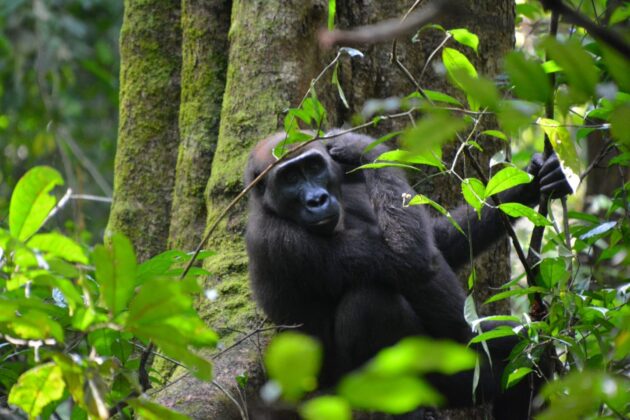
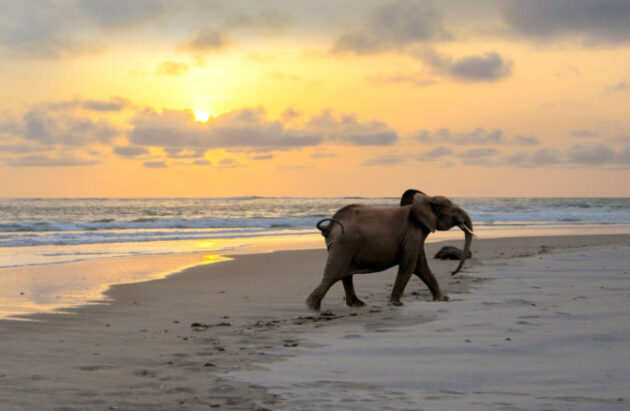
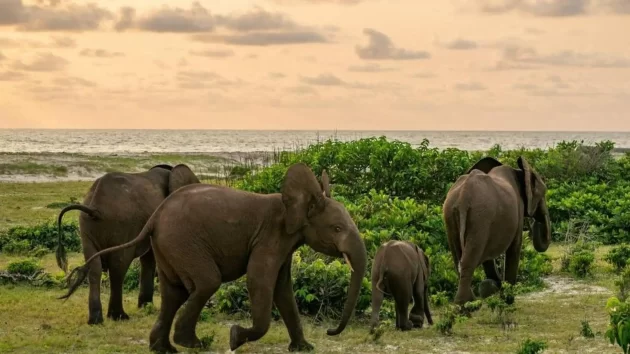
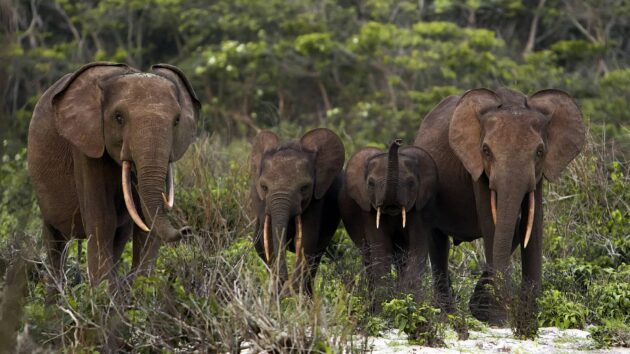
Loango National Park, often called “Africa’s Last Eden,” is one of the most extraordinary and least-visited wildlife destinations on the continent. Located along Gabon’s Atlantic coast, this 1,550 km² protected area combines pristine beaches, tropical rainforest, savannah, mangroves, and lagoons into a truly unique ecosystem. What sets Loango apart is the surreal sight of large mammals—such as forest elephants, buffalo, and hippos—roaming freely on white sandy beaches, earning it fame for “surfing hippos” and beach-walking elephants. It is also one of the few places in Africa where you can track habituated western lowland gorillas relatively easily.
This remote paradise offers an authentic, off-the-grid safari experience with low tourist numbers, making it ideal for those seeking raw nature and exclusivity.
Why Visit Loango National Park?
Witness forest elephants, buffalo, and hippos strolling along the Atlantic shoreline—a sight found almost nowhere else.
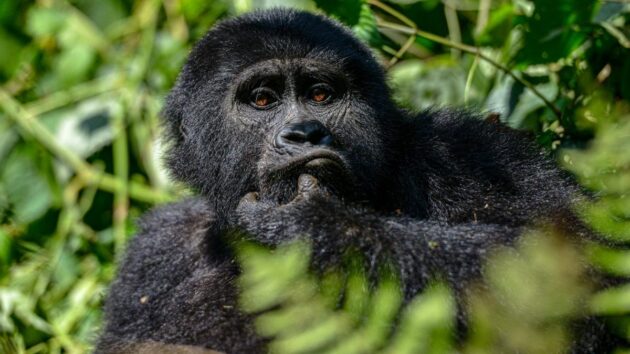
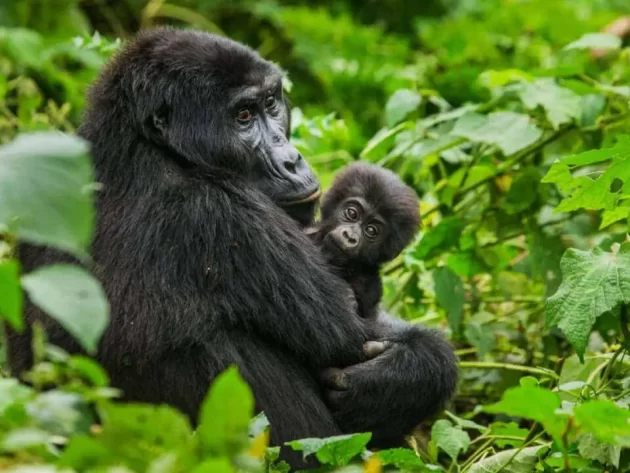
Track western lowland gorillas in pristine rainforest.
Enjoy diverse habitats: beaches, lagoons, savannah, and dense jungle.
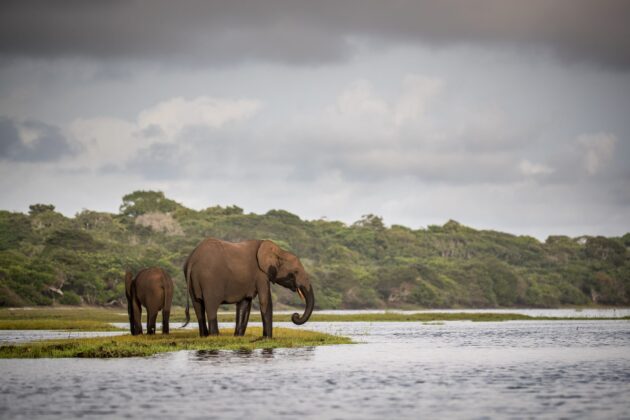
Spot chimpanzees, red river hogs, sitatunga, forest buffalo, numerous monkeys, crocodiles, and over 420 bird species.
Observe seasonal phenomena like humpback whale migrations offshore (July–September) and nesting sea turtles (December–February).
How to Get There
Loango is remote and requires careful planning. Most visitors fly into Libreville (Gabon’s capital), then continue onward.
International Arrival — Fly into Libreville International Airport (LBV).
To Loango — The most common route is: Domestic flight from Libreville to Port-Gentil (about 45 minutes). From Port-Gentil: 4×4 transfer (2–4 hours) + boat crossing to reach the park, usually to camps like Loango Lodge or Akaka Camp. Some operators arrange direct charter flights or helicopter transfers from Libreville/Port-Gentil to the park (more expensive but faster).
Alternative — Some tours combine Loango with other parks (e.g., Lopé), involving road/boat transfers.
All visits are typically arranged through tour operators or lodges, as independent travel is challenging due to limited infrastructure.
Best Time to Visit
Gabon has a tropical equatorial climate with two main seasons:
Dry Season (June–September) — Peak time: Best overall for wildlife viewing, beach safaris, gorilla trekking, and general accessibility. Fewer rains, clearer skies, animals gather near water sources, and roads/trails are more passable.
Transition / Shoulder Seasons — May and October: Good compromise with fewer visitors and still reasonable conditions.
Wet / Green Season (November–April) — Lush vegetation, excellent for birdwatching and forest immersion. Animals (including elephants and buffalo) frequently appear on beaches. However, heavy rains can make some areas inaccessible and increase the chance of muddy trails.
Many lodges operate year-round, but wildlife sightings and activities shift with the seasons.
What to Do in Loango National Park
All activities are guided due to the park’s wild nature and safety considerations.
Beach Safaris — Walk or drive along the coastline spotting elephants, buffalo, red river hogs, and hippos venturing into the surf.
Gorilla Trekking — Track habituated western lowland gorilla groups (one of the easiest gorilla experiences in Africa).
Boat Safaris — Explore lagoons, mangroves, rivers, and estuaries; great for birds, crocodiles, monkeys, and occasionally manatees.
Game Drives — 4×4 safaris through savannah and forest edges looking for buffalo, elephants, sitatunga, and primates.
Walking Safaris — Guided forest walks for closer encounters with wildlife and tracking.
Birdwatching & Whale Watching — Over 420 bird species; humpback whales offshore in the dry season.
Sport Fishing — Catch-and-release fishing in select areas (some camps specialize in this).
Where to Stay
Accommodation in Loango is limited to a handful of high-end, eco-conscious lodges and tented camps. All include full-board, guided activities, and transfers.
Popular options include:
Loango Lodge — Iconic camp with beach and lagoon access; excellent for varied activities.
Akaka Forest Camp — Deep in the jungle; luxurious tents, great for gorilla trekking and forest immersion.
Savannah Camp — Focuses on savannah and open areas; good for game drives.
Sette Cama Eco Camp — Newer eco-focused camp; emphasizes immersion and contrasting landscapes.
Most visitors stay 3–7 nights. Prices are high (often $500–$1,000+ per person per night), reflecting remoteness, exclusivity, and all-inclusive services.
Practical Tips
Visas & Permits — Gabon requires a visa for most nationalities. Gorilla trekking requires additional permits (arranged by your lodge/operator).
Vaccinations — Yellow fever vaccination is mandatory; malaria prophylaxis strongly recommended. Consult a travel clinic.
What to Bring — Lightweight long-sleeved clothing, rain gear, sturdy walking shoes, insect repellent, binoculars, camera with zoom lens, sunscreen, hat, and reusable water bottle.
Health & Safety — Stay with guides at all times. The park is very wild—large animals roam freely.
Budget — Gabon is expensive. Expect high costs for flights, lodges, and activities. Book through reputable operators (e.g., Journeys by Design, Africa’s Eden, or local Gabon specialists).
Sustainability — Choose eco-conscious operators. Tourism helps fund conservation in this fragile ecosystem.
Loango National Park offers one of Africa’s most pristine and surreal wildlife experiences—where rainforest meets ocean and ancient wildlife moves freely between them. It is perfect for adventurous travelers seeking something truly off the beaten path. Plan well, embrace the remoteness, and prepare to be amazed by Gabon’s untouched beauty. Happy travels!