
A Travel Guide to Lopé National Park (2026)
Lopé National Park is one of Gabon’s most extraordinary wilderness areas and a true hidden gem for wildlife enthusiasts. As a UNESCO World Heritage Site (inscribed in 2007 as part of the Ecosystem and Relict Cultural Landscape of Lopé-Okanda), it combines stunning biodiversity, a unique mosaic of rainforest and savannah, ancient archaeological sites, and some of the world’s most impressive primate populations. Covering approximately 5,000–5,360 km², Lopé is renowned for hosting massive troops of endangered mandrills, forest elephants, western lowland gorillas, chimpanzees, and over 420 bird species. This guide will help you plan an unforgettable visit to this remote and pristine destination.
Why Visit Lopé National Park?
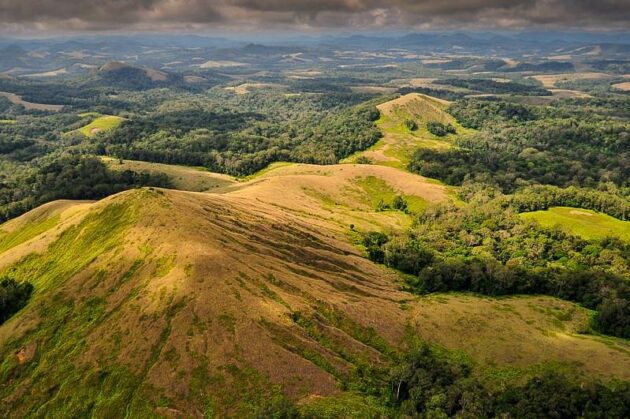
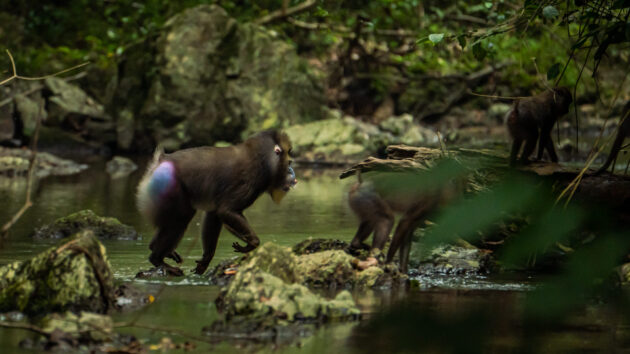
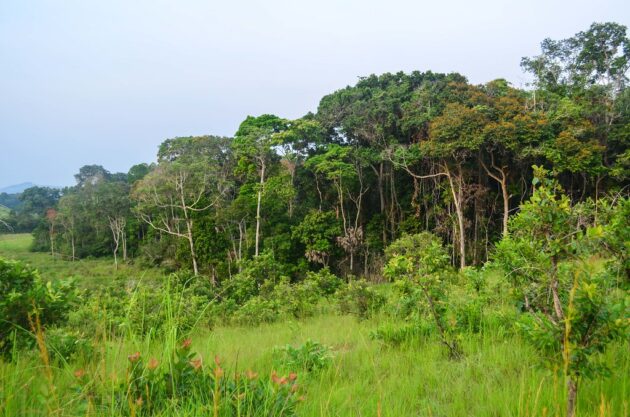
Lopé stands out for its rare savanna-forest transition zone, a landscape shaped at the end of the last Ice Age. It offers exceptional primate viewing, especially mandrills — the park is widely regarded as the best place on Earth to observe large troops of these colorful primates. Beyond wildlife, the park protects significant prehistoric petroglyphs and archaeological evidence of human presence dating back tens of thousands of years. If you seek an authentic, low-tourism African safari experience away from crowded parks, Lopé delivers raw nature and adventure.
How to Get There
Reaching Lopé is part of the adventure, as infrastructure is limited.
By Train (Most Common Route): The famous Transgabonais train (jungle train) runs from Libreville (Owendo station) to Lopé station. Departures are typically in the late afternoon/evening (around 17:00–18:50), with arrival in the early morning (around 02:00–09:00). The journey takes 10–14 hours and costs relatively little (book through Setrag or a tour operator). It’s an iconic experience, passing through rainforest and small villages.
By Air + Transfer: Fly to nearby airports like Koulamoutou or Franceville, then arrange road transfer (challenging due to poor roads). Most visitors prefer the train.
From the Park: Once at Lopé station, lodges or guides provide transfers (often by 4×4 or boat across the Ogooué River).
Book transport and park entry in advance through a reputable tour operator, as independent travel is difficult.
Best Time to Visit
Prime Season: June to August (Dry Season): This is the absolute best time — trails are more accessible, rainfall is lower, and mandrills gather in huge troops (sometimes over 1,000 individuals) for mating season. Males display their most vibrant colors, creating spectacular sightings and photography opportunities.
Shoulder Seasons: May and September: Still good for wildlife viewing with fewer visitors.
Wet Season (October–May): Heavy rains make trails slippery and some activities challenging, but the forest is lush and birdlife abundant.
Avoid peak rainy months (March–April) unless you’re prepared for wet conditions.
What to Do in Lopé National Park
Activities focus on guided experiences due to the park’s protected status.
Mandrill Tracking: The highlight for most visitors — hike through forest trails to observe large mandrill groups. Best in June–August.
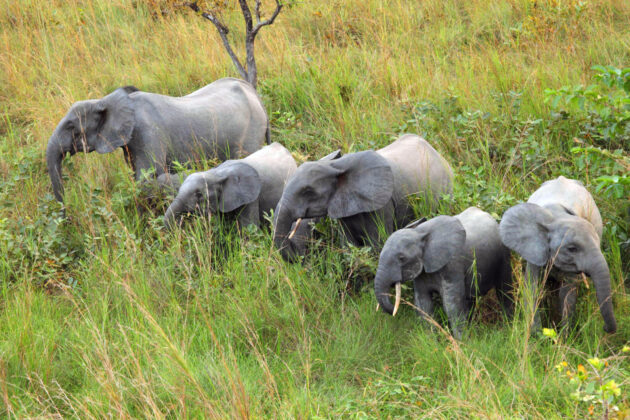
Wildlife Safaris & Game Drives: Explore savannah areas by 4×4 for forest elephants, forest buffalo, red river hogs, sitatunga antelope, leopards (rare), and various monkeys.
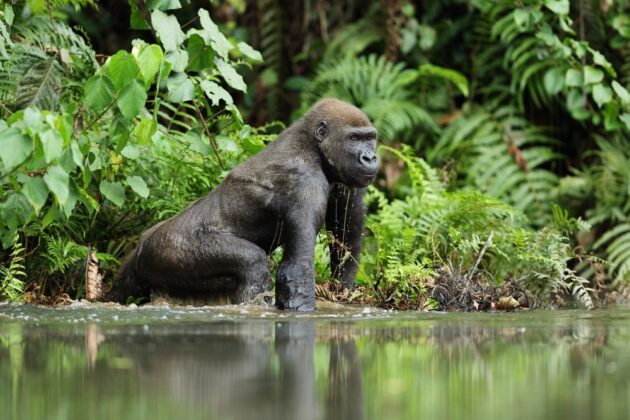
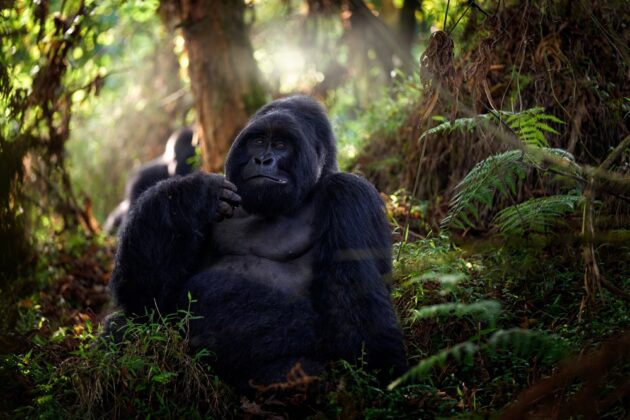
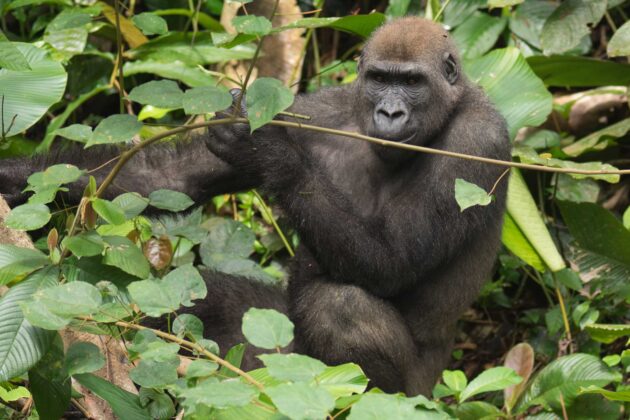
Forest Walks & Primate Tracking: Guided treks to search for western lowland gorillas, chimpanzees, sun-tailed guenons, black colobus monkeys, and other primates.
Birdwatching: With over 420 species, including many forest specialists.
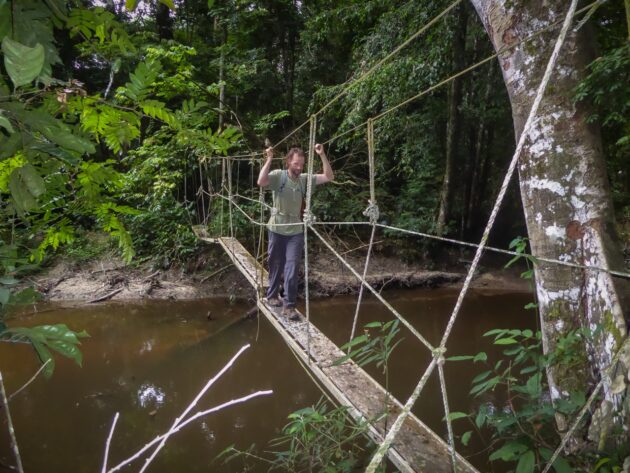
Cultural & Archaeological Visits: Explore ancient petroglyphs and the eco-museum to learn about the region’s prehistoric and Bantu heritage.
River Activities: Boat trips on the Ogooué River for scenic views and possible wildlife sightings.
Most activities require an experienced local guide and are arranged through lodges or tour operators.
Where to Stay
Accommodation options are limited but comfortable:
Lopé Hotel: The main lodge near the park entrance, offering rooms, meals, and organized activities. A reliable mid-range choice.
Moabi Tented Camp (Gabon Wildlife Camps): Eco-friendly tented camp in a scenic savannah location, with excellent guides and immersive experiences.
Budget/Eco-Camping: Some operators offer guided camping inside the park or basic local guesthouses.
Book through tour companies, as independent stays are rare.
Tour Operators
Recommended operators for organized trips (highly advised for logistics):
See Wild Travels; Gabon Wildlife Camps; Gabon Travel and Tours; Royle Safaris; Nature Travel Africa; Explorations Company.
They handle train tickets, park fees, guides, and permits.
What to Bring
Lightweight, long-sleeved clothing (neutral colors) and sturdy hiking boots
Rain gear (poncho/jacket) — weather can change quickly
Insect repellent (strong DEET), malaria prophylaxis (consult a doctor)
Binoculars, good camera with zoom lens
Headlamp, water bottle, and basic first-aid kit
Passport and yellow fever vaccination certificate (required for entry to Gabon)
Practical Tips
Visas & Health: Gabon requires a visa for most nationalities. Yellow fever vaccination is mandatory. Malaria risk is high — take precautions.
Budget: Expect higher costs due to remoteness (tours often €300–600+ per person per day, including transport, lodging, and activities).
Conservation: Follow guides strictly — no off-trail walking, respect wildlife distance.
Combine Visits: Many travelers pair Lopé with Loango National Park (for beaches, elephants, and whales) or Ivindo National Park for a fuller Gabon experience.
Final Thoughts
Lopé National Park offers one of Africa’s most authentic and least-visited wildlife experiences. The chance to witness massive mandrill troops in their natural habitat, alongside forest elephants and gorillas in a breathtaking savanna-rainforest mosaic, makes it unforgettable. Gabon remains an off-the-beaten-path destination — plan carefully, travel responsibly, and prepare for an adventure into true wilderness.
Safe travels and enjoy the magic of Lopé!