
Danakil Depression Travel Guide (2026)
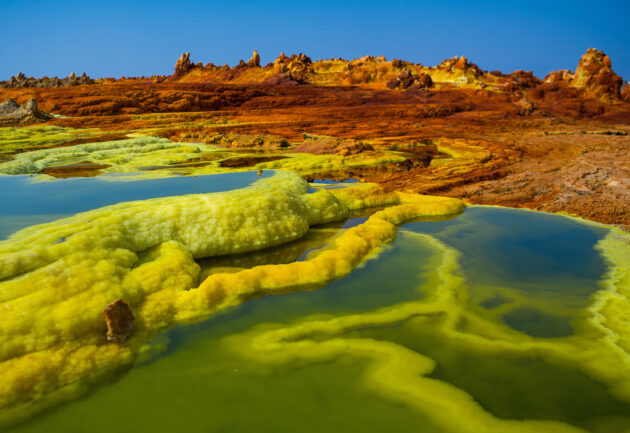
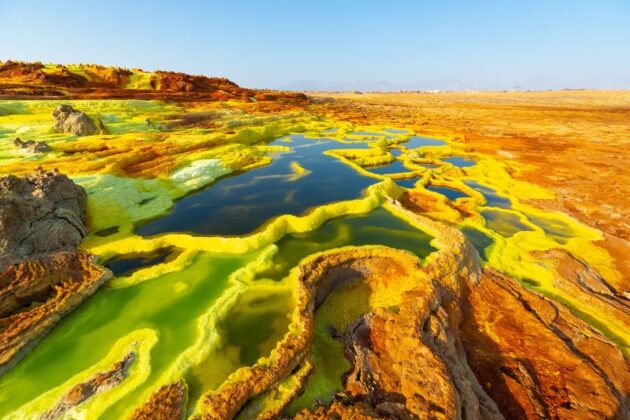
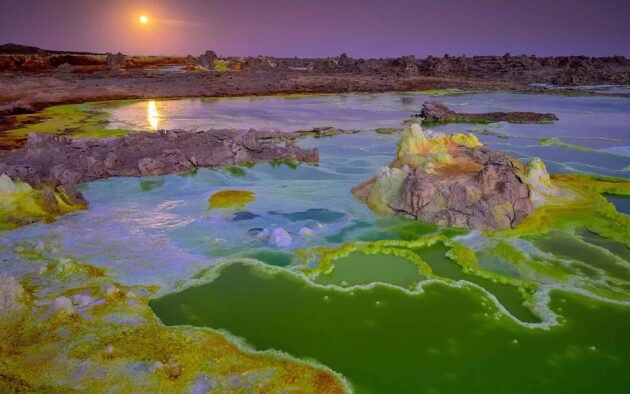
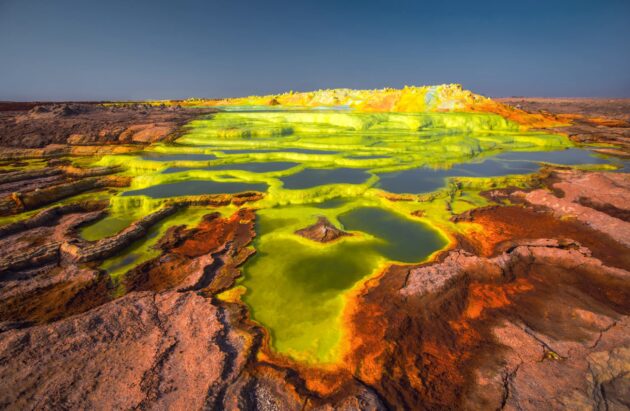
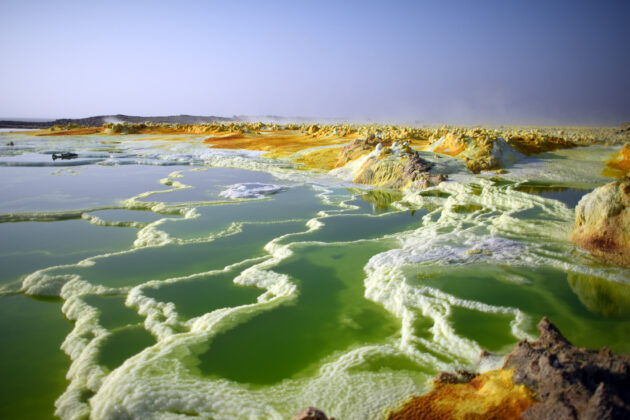
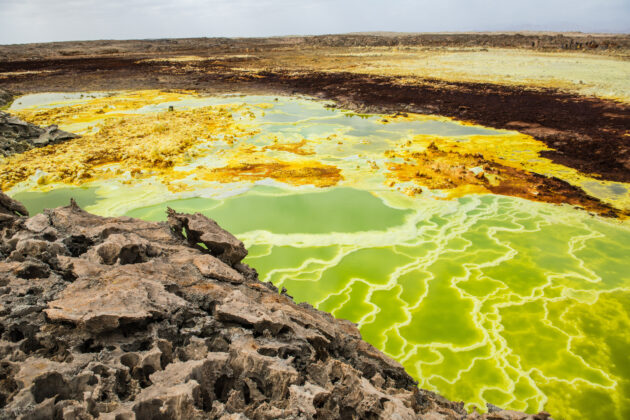
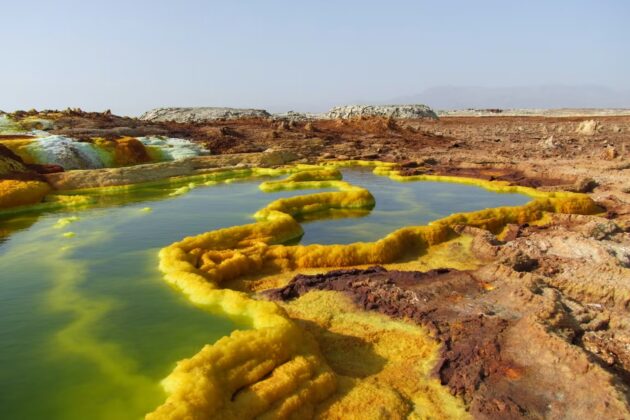
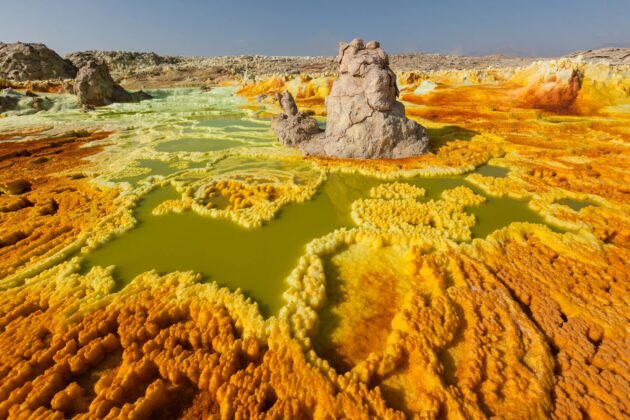
The Danakil Depression in Ethiopia is one of the most extreme and surreal landscapes on Earth — often called the hottest, lowest, and most inhospitable place inhabited by humans. Located in the remote Afar Region near the borders with Eritrea and Djibouti, it features bubbling sulfur springs, colorful acidic lakes, active volcanoes, vast salt flats, and otherworldly geological formations that make it feel like another planet.
This is not a casual destination — it’s a rugged, high-risk adventure that requires joining an organized tour with security escorts. Independent travel is not possible or permitted.
Best Time to Visit
Optimal window: November to March (Ethiopian “winter”)
Daytime temperatures: ~30–40°C (86–104°F) — still extremely hot, but bearable compared to other months.
Nights cooler (~20–25°C).
Avoid April–October: Temperatures regularly exceed 45–50°C (113–122°F), flash floods possible in rainy season (July–September), and conditions become brutal.
Peak season (Dec–Feb) sees more groups but better weather.
How to Get There
All visitors join multi-day tours — no public transport or independent access.
Main starting points: Semera (Afar Region capital) — increasingly common departure due to Tigray-area restrictions. Fly to Semera Airport if available, or drive from Addis. Mekelle (Tigray) — traditional base, but availability depends on regional stability. Fly Addis Ababa → Mekelle (~1 hour, Ethiopian Airlines).
Getting to Ethiopia first: Fly into Addis Ababa Bole International Airport (ADD). Domestic flight to Mekelle or Semera (limited schedules). Or overland (long, rough drives not recommended for most visitors).
Tour Options & What to Expect
Tours are mandatory and typically 2–4 days / 1–3 nights.
Popular durations: 3 days / 2 nights — most common & comprehensive (covers Erta Ale volcano night trek + main salt lake / Dallol area). 4 days / 3 nights — more relaxed pace, extra time at sites. 2 days / 1 night — rushed version, usually skips or shortens Erta Ale.
Typical itinerary highlights (3-day version): Day 1: Drive to base camp near Lake Asale / salt flats; visit traditional Afar salt mining (camel caravans); sunset at salt lake; camp. Day 2: Early drive to Erta Ale volcano; afternoon rest; night trek (~3–4 hours round trip) to see the lava lake (one of very few persistent lava lakes on Earth). Day 3: Morning at Dallol (acid ponds, sulfur chimneys, yellow/green landscapes); return drive.
What’s included (standard group tour): 4×4 Toyota Land Cruiser transport; English-speaking guide + local Afar guides; Armed security escort (mandatory); Basic tent camping (mattress on ground, shared facilities); All meals (simple — pasta, injera, canned food, bottled water); Park/entry fees.
Not included: International/domestic flights, travel insurance (must cover high-risk adventure & evacuation), tips (~$10–20/day per person for guide/driver/guards).
Approximate costs: 3-day group tour: $450–$800 (cheaper if joining existing group in-country); 4-day: $550–$1,000+; Private/small-group: $900–$1,800+; Booking locally (in Addis/Semera/Mekelle) usually saves $100–300 vs. pre-booking online.
Reputable operators (frequently recommended): ETT (Ethiopian Tours & Travel) — large convoys, very experienced; Fetene Tours, Abyssinia Tours, Great Ethiopian Tours, Teddy Zion Tours; Local agencies in Addis Ababa or Semera.
Book 2–4 weeks ahead in peak season; contact multiple operators for current routing/security status.
What to Pack / Prepare For
Clothing: Lightweight long-sleeve shirts/pants (sun & dust protection), sturdy closed shoes/hiking boots, hat, sunglasses, buff/scarf for dust.
Essentials: Headlamp (critical for Erta Ale night trek), power bank, personal first-aid (blisters, heat rash, stomach), high-SPF sunscreen, lip balm, rehydration salts.
Other: 3–4 liters personal water capacity (tours provide but bring extra), snacks, wet wipes (no showers/toilets), cash (USD/EUR preferred for tips).
Health: Strong travel insurance with medical evacuation; malaria prophylaxis (low risk but present); heat exhaustion/hyponatremia are real dangers.
Final Thoughts
The Danakil Depression offers sights you literally can’t see anywhere else on Earth — fluorescent acid pools, active lava lakes under the stars, endless white salt flats, and traditional Afar salt caravans. It’s raw, intense, and unforgettable.
But it is not comfortable or low-risk travel. Go only if you’re physically fit, mentally prepared for extreme heat/basic camping, and comfortable with the current security realities. Always prioritize up-to-date information from your chosen tour operator and your government’s travel advice.
Safe travels — and prepare to be amazed by one of the planet’s most alien landscapes.