
Senegal Travel Guide (2026)
Senegal, located on the westernmost tip of mainland Africa, is a vibrant West African gem offering a perfect blend of rich culture, stunning beaches, historical depth, unique natural wonders, and warm hospitality. From the bustling streets of Dakar to the serene pink waters of Lake Retba, Senegal provides an authentic and welcoming experience for travelers seeking both adventure and relaxation.
Why Visit Senegal?
Senegal stands out for its welcoming people (known for “teranga” or hospitality), diverse landscapes ranging from Atlantic coastlines to deserts and national parks, UNESCO World Heritage sites, world-class music (mbalax, jazz festivals), and delicious cuisine featuring fresh seafood, rice dishes like thiéboudienne (national dish), and grilled meats. It’s relatively easy to navigate compared to some West African countries and offers excellent value for travelers.
Best Time to Visit
The ideal period is the dry season from November to May, when temperatures are pleasant (around 25–30°C / 77–86°F), skies are clear, and rainfall is minimal. Peak season is December–February (cooler and busier). Avoid the rainy season (June–October) due to heavy downpours, humidity, and some road issues, though it brings lush greenery and fewer crowds.
Visa and Entry Requirements
Most nationalities (including US, EU, UK, Canada) do not need a visa for stays up to 90 days. Your passport should be valid for at least 6 months beyond arrival. Yellow fever vaccination is often required (carry proof). Check the latest from your government’s travel site or Senegal embassy, as requirements can change.
Getting There
Main airport: Blaise Diagne International Airport (DSS) near Dakar (about 45–60 minutes from the city center).
Direct flights from Europe (Paris, Brussels, Lisbon, Madrid), the US (some seasonal), and other African hubs.
From the airport, take a taxi (negotiate ~15,000–25,000 CFA francs to Dakar) or pre-arrange a transfer.
Getting Around
Taxis and rideshares: Abundant in Dakar; negotiate fares or use apps like Yango or Heetch.
Car hire: Useful for independent travel (international license recommended); roads vary from good highways to rough tracks.
Sept-place (shared taxis) or buses for longer distances (affordable but slower).
Domestic flights: Limited but available to places like Ziguinchor (Casamance).
Top Places to Visit & Things to Do
Dakar (Capital & Starting Point)
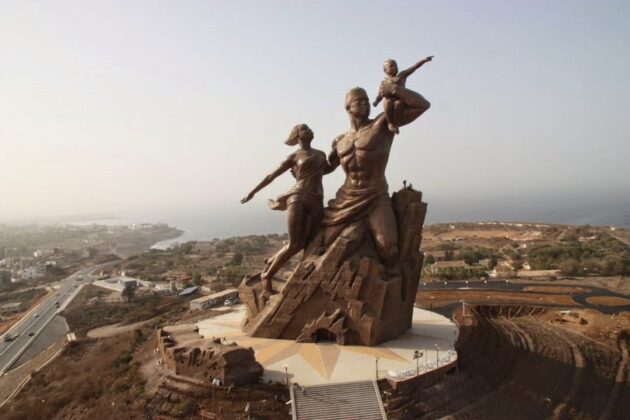
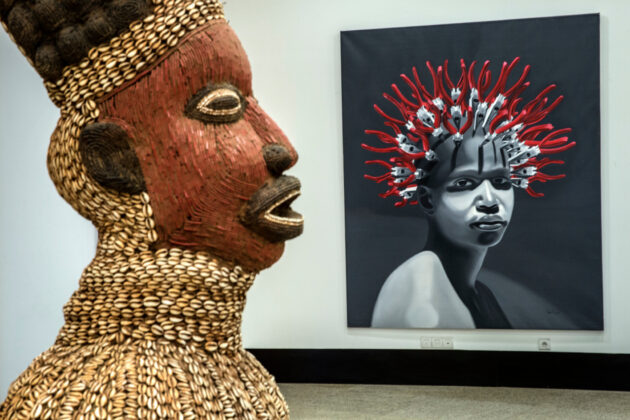
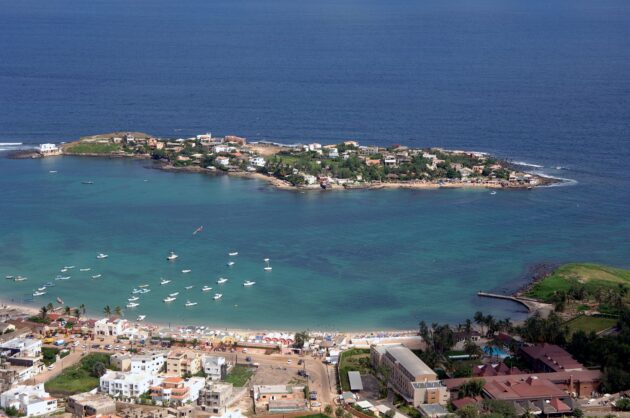
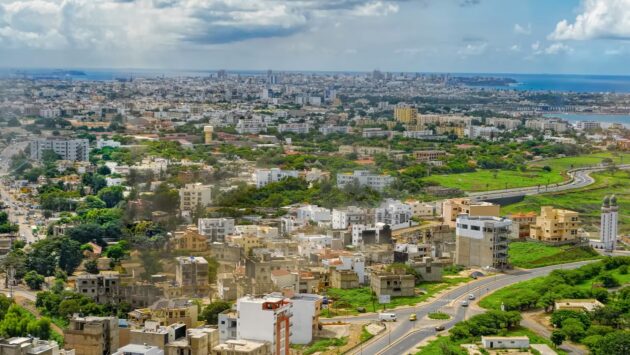
Explore bustling markets (Sandaga, Soumbédioune for crafts). Visit the African Renaissance Monument (iconic statue overlooking the city). Walk the Corniche for ocean views, street art, and sunsets. Enjoy nightlife, live music, and seafood restaurants.
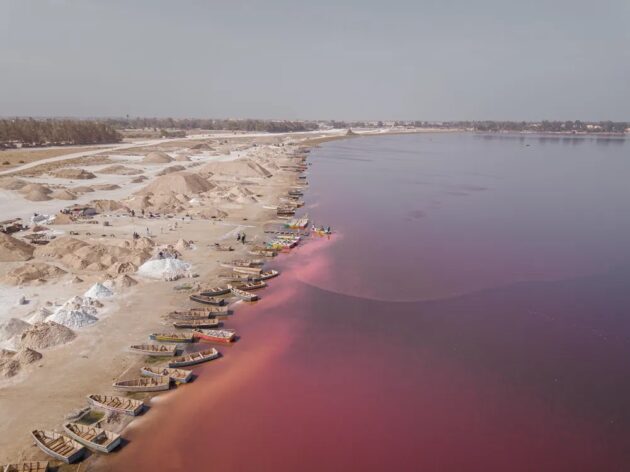
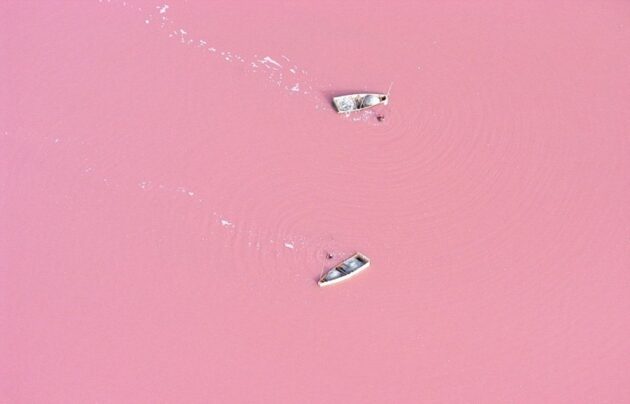
Lake Retba (Lac Rose / Pink Lake)
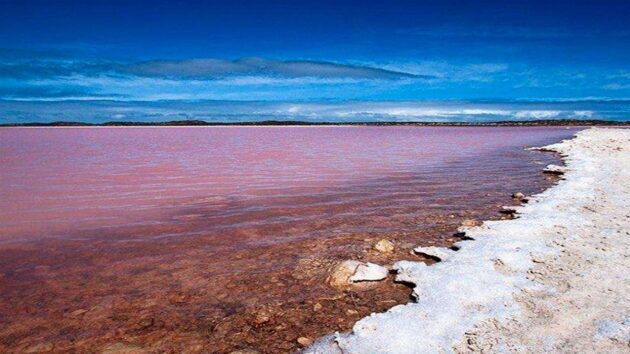
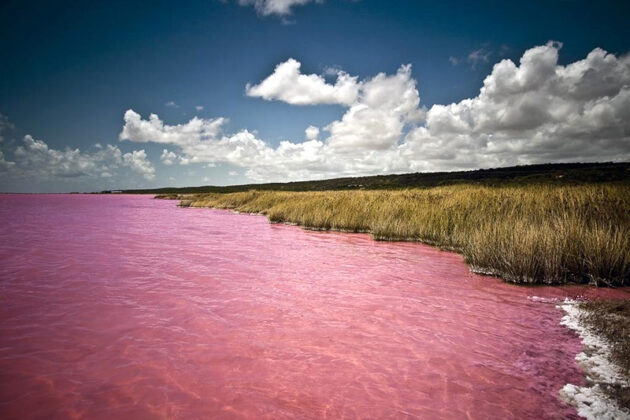
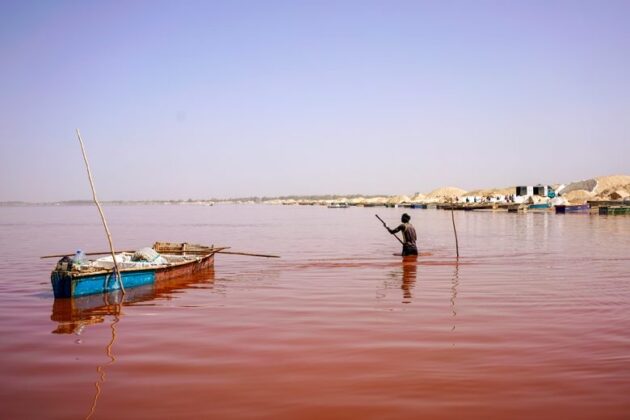
Famous for its pink hue (due to high salt content and algae). Swim/float in the buoyant water, watch salt harvesters, and enjoy the surreal landscape (best in dry season).
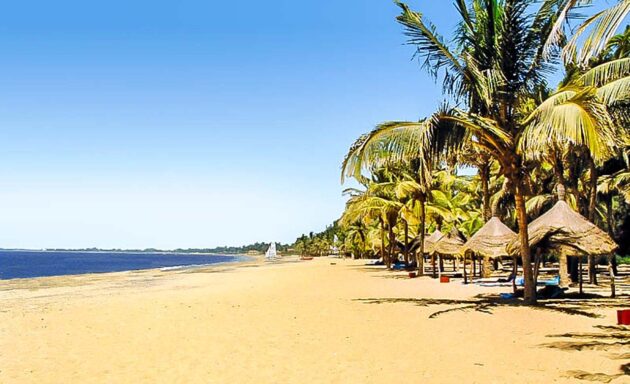
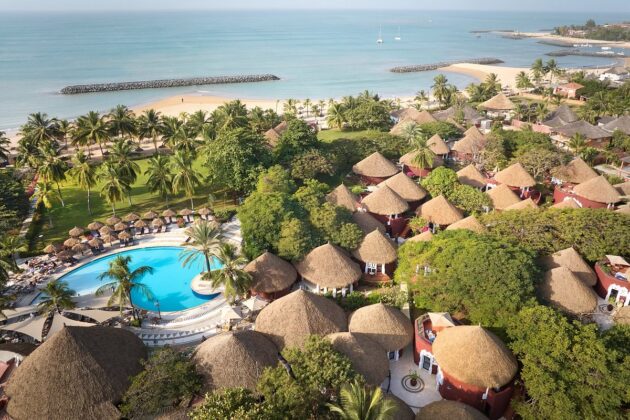
Petite Côte
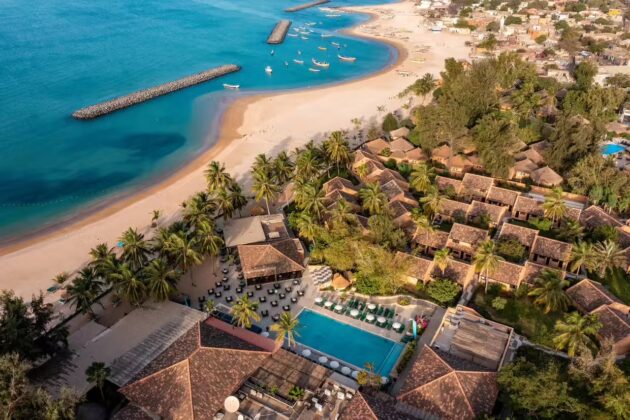
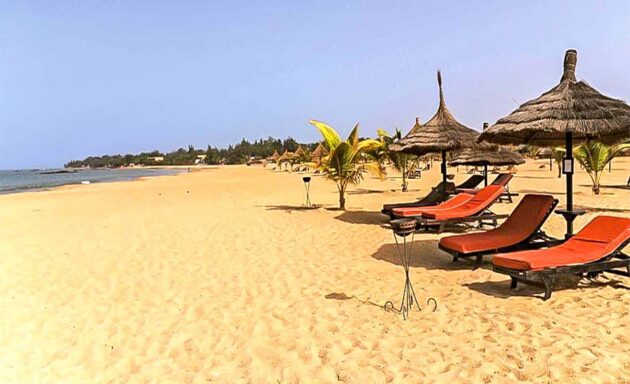
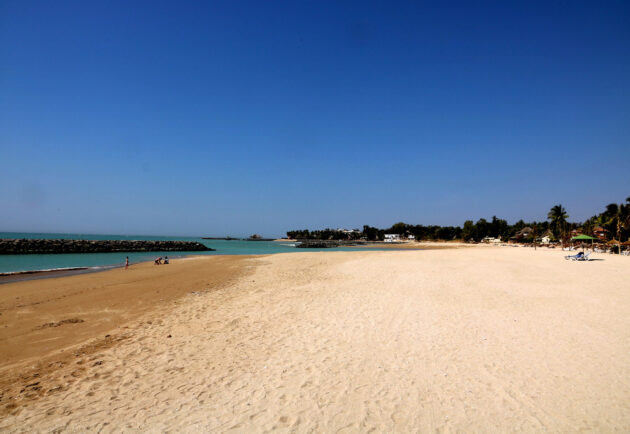
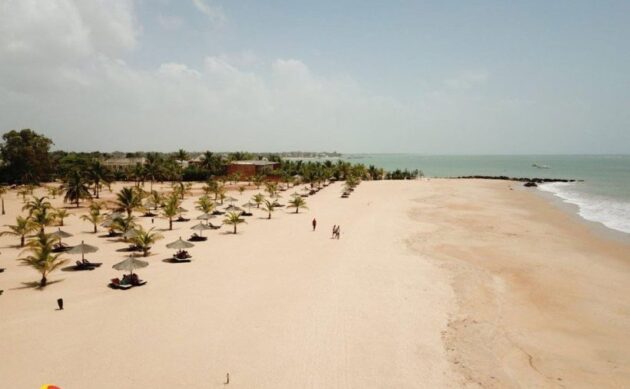
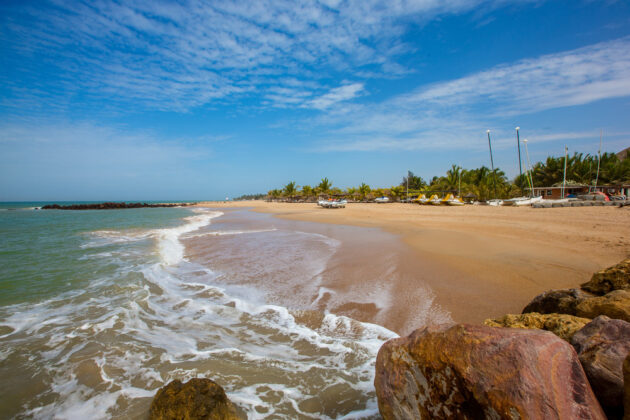
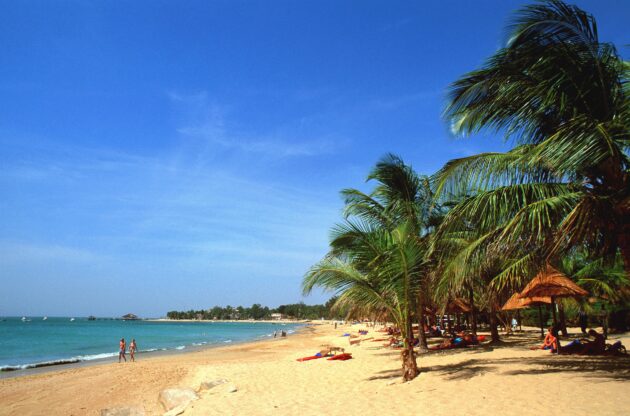
Relaxed resort area south of Dakar with beautiful beaches, hotels, golf, and water sports. Nearby Bandia Reserve for a safari experience (rhinos, giraffes, monkeys).
Saint-Louis
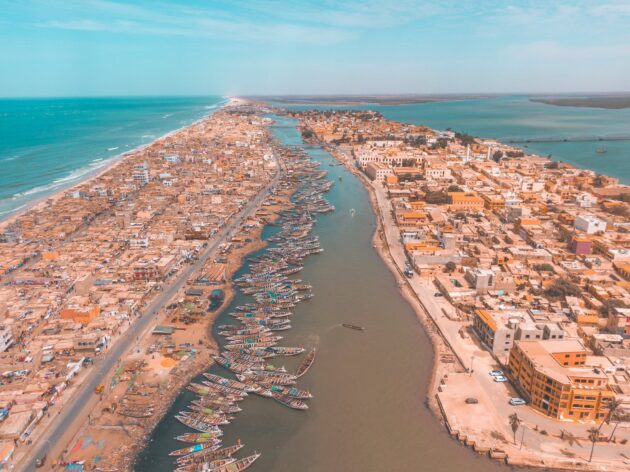
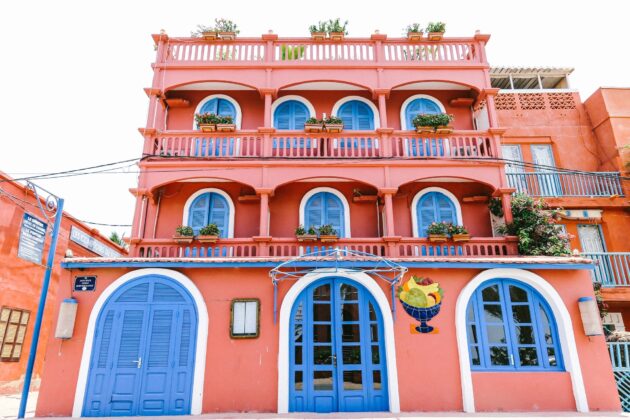
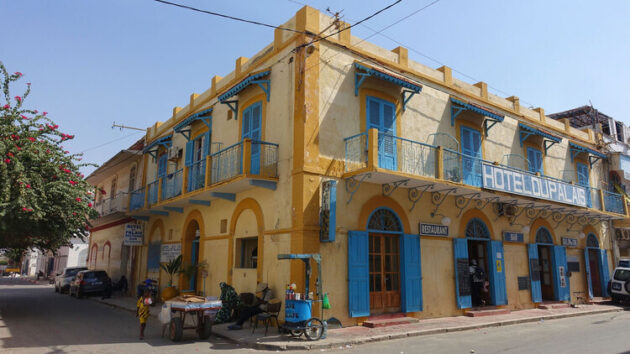
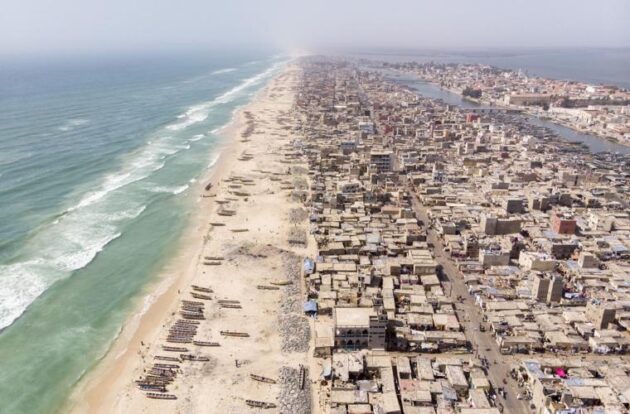
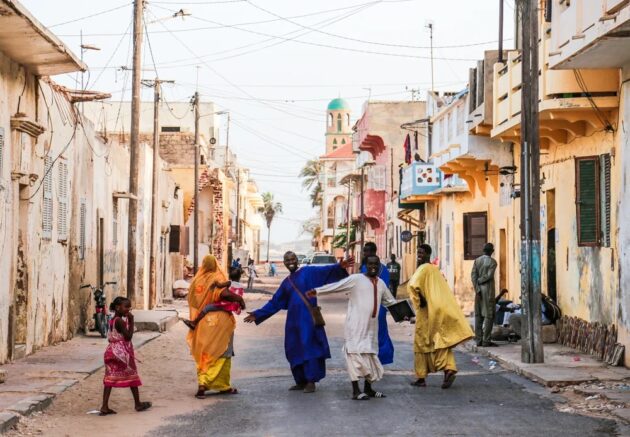
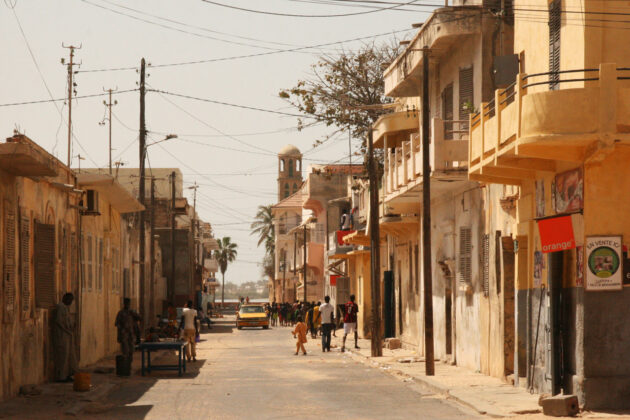
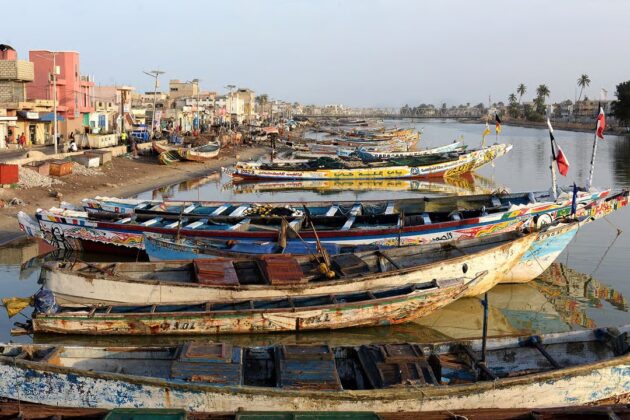
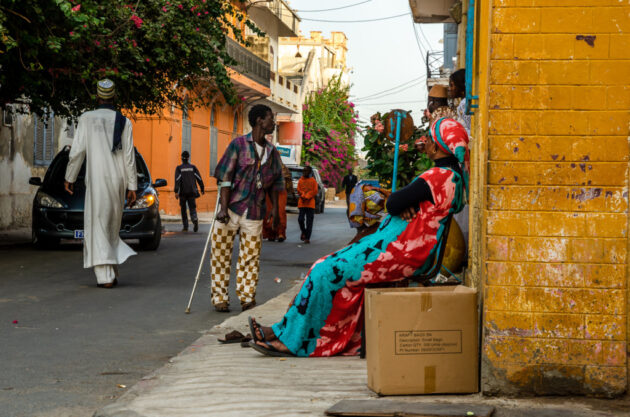
Colonial-era city with French architecture, bridges, and vibrant music scene. Great for birdwatching in nearby Djoudj National Park (one of Africa’s top bird sanctuaries).
Lompoul Desert
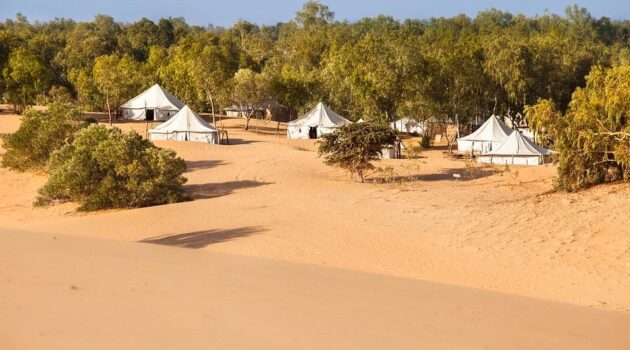
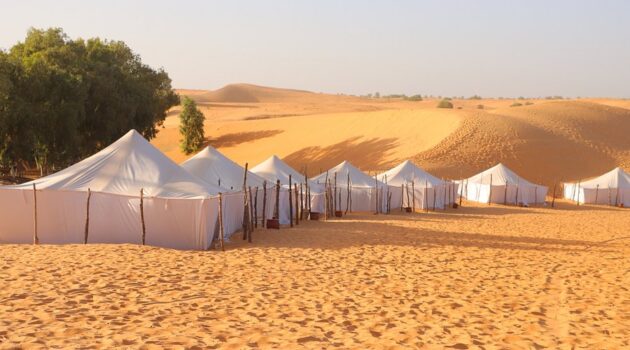
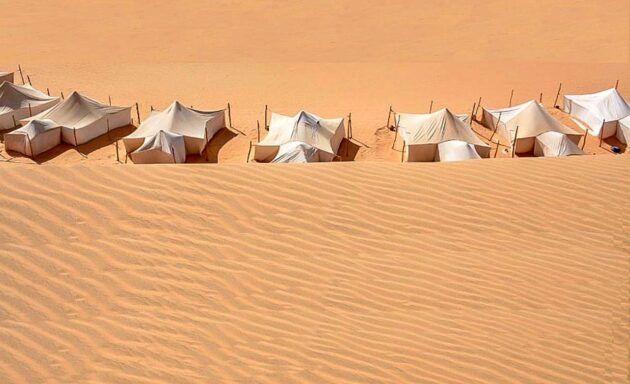
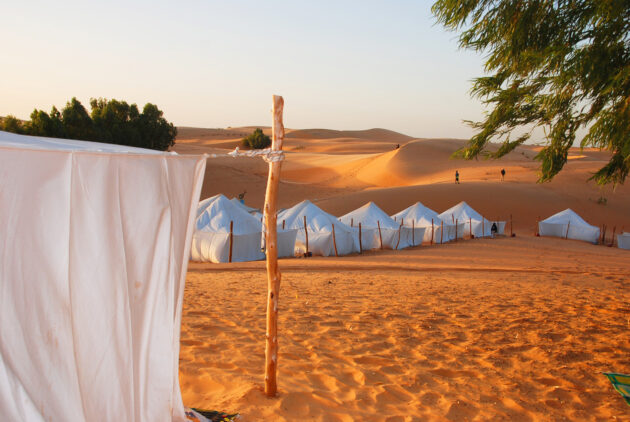
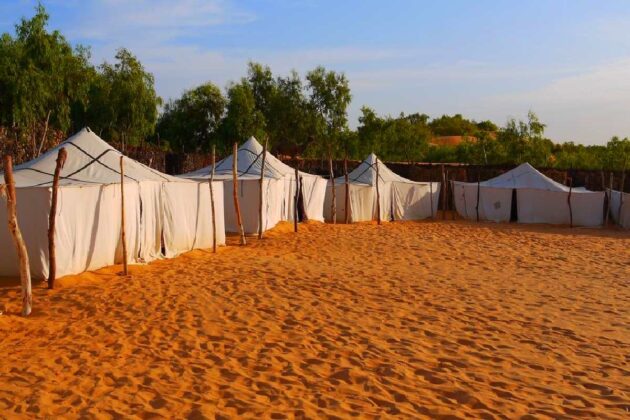
Dramatic dunes near the coast; great for camel rides, sandboarding, and overnight camping under the stars.
Niokolo-Koba National Park
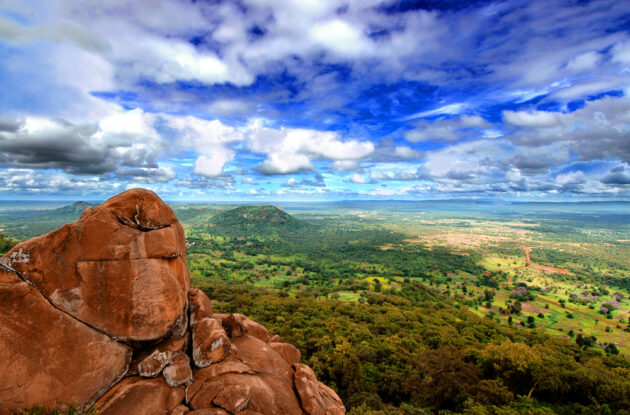
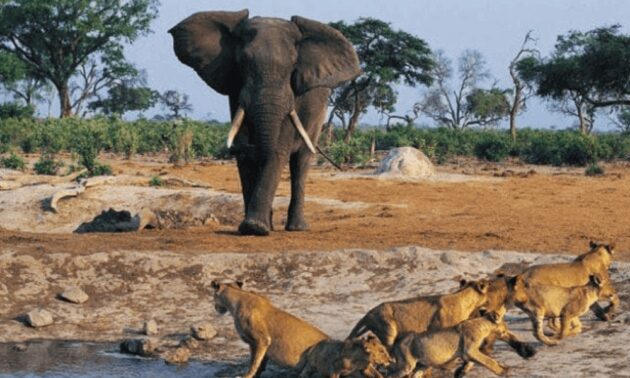
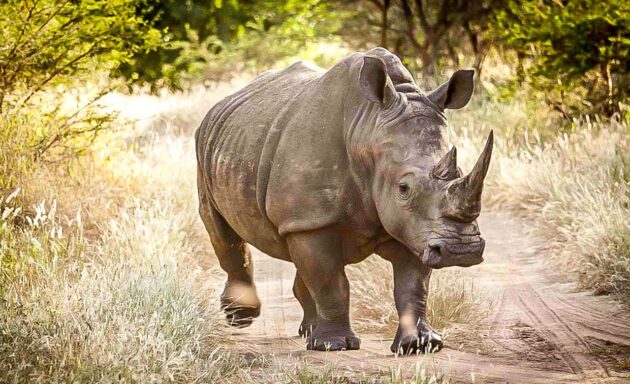
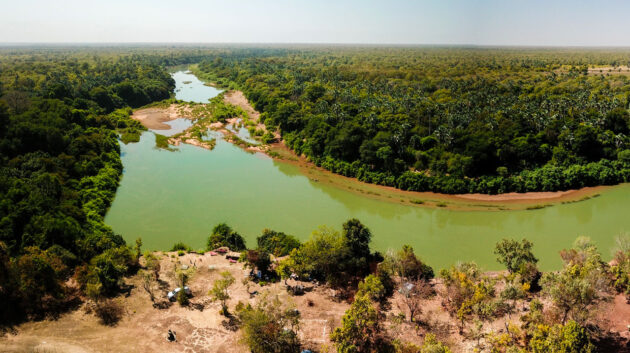
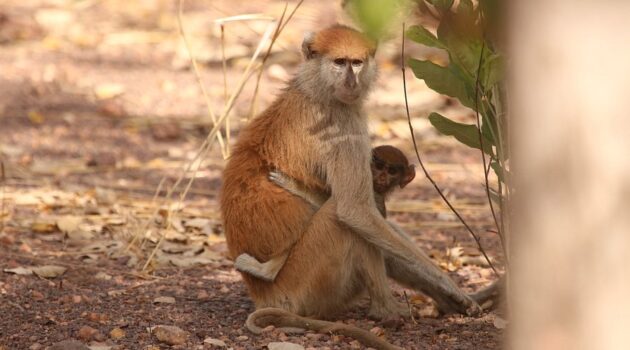
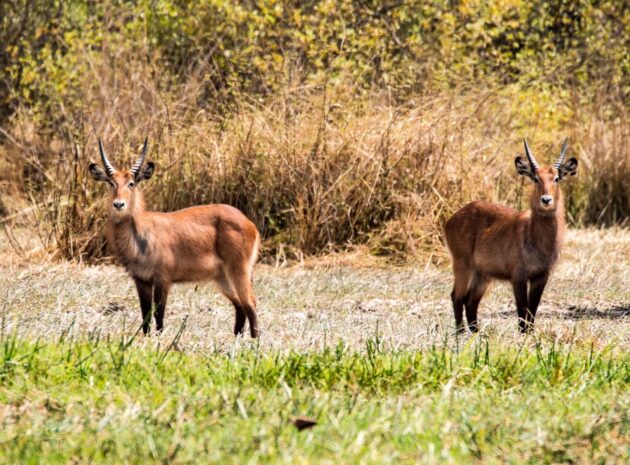
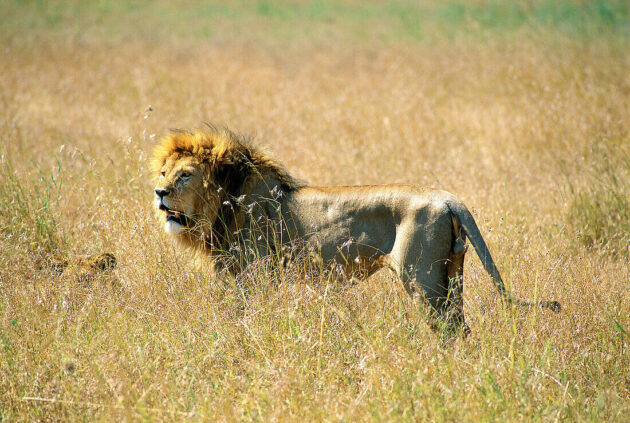
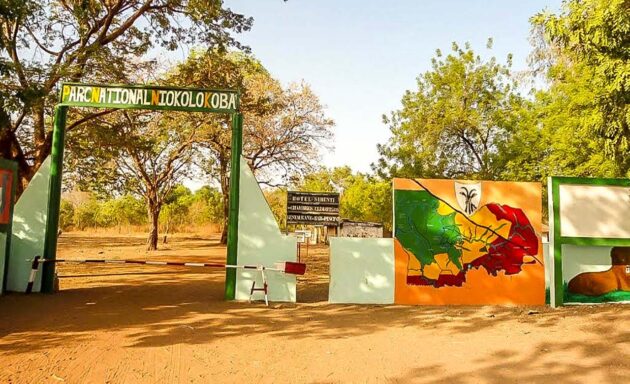
Niokolo-Koba National Park, located in southeastern Senegal, is one of West Africa’s most significant wildlife reserves and a UNESCO World Heritage Site (inscribed in 1981 and recently removed from the List of World Heritage in Danger in 2024 after major conservation improvements). Spanning approximately 9,130 km² along the Gambia River, the park features diverse ecosystems including gallery forests, savannas, wetlands, and riverine habitats.
Sample Itineraries
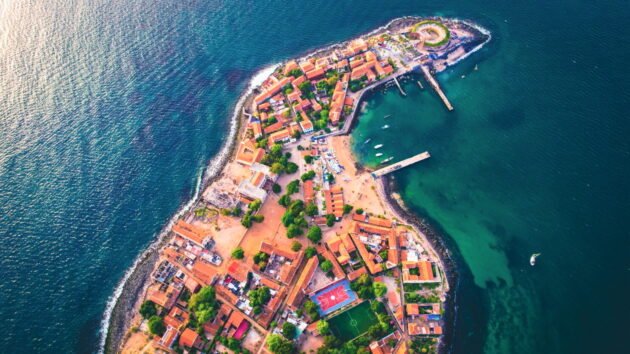
7–10 Day Classic Trip: Days 1–3: Dakar (city exploration, Gorée Island day trip, markets, Corniche). Day 4: Lake Retba + Bandia Reserve. Days 5–7: Petite Côte (Saly or Somone for beaches, relaxation). Optional extension: Saint-Louis (2–3 days) or Lompoul Desert.
14-Day Adventure: Add Casamance (Ziguinchor, Cap Skirring beaches) or Sine-Saloum Delta for nature and boat excursions.
Safety Tips
Senegal is generally safe for tourists, especially in popular areas. Exercise normal precautions:
Petty theft (pickpocketing) occurs in crowded markets – keep valuables secure.
Avoid walking alone at night in unfamiliar areas.
Casamance region: Increased caution due to crime/landmines; avoid border areas unless with a guide.
No major terrorism incidents recently, but stay aware.
Use reputable taxis/guides; drink bottled water; use sunscreen and mosquito repellent.
Practical Tips
Currency: West African CFA franc (XOF). ATMs available; cards accepted in tourist spots.
Language: French is official; Wolof widely spoken. Basic English in tourist areas.
Food must-tries: Thiéboudienne (fish & rice), yassa (grilled chicken/onions), mafé (peanut sauce), fresh grilled fish, bissap (hibiscus drink).
Respect customs: Dress modestly (especially in rural/mosque areas), ask before photographing people.
Health: Malaria risk – prophylaxis recommended; yellow fever vaccine required for many.
Senegal offers an unforgettable mix of history, culture, nature, and beach relaxation with genuinely friendly people. Plan ahead, embrace the rhythm, and enjoy one of West Africa’s most accessible and rewarding destinations. Safe travels!