
Niokolo-Koba National Park Travel Guide (2026)
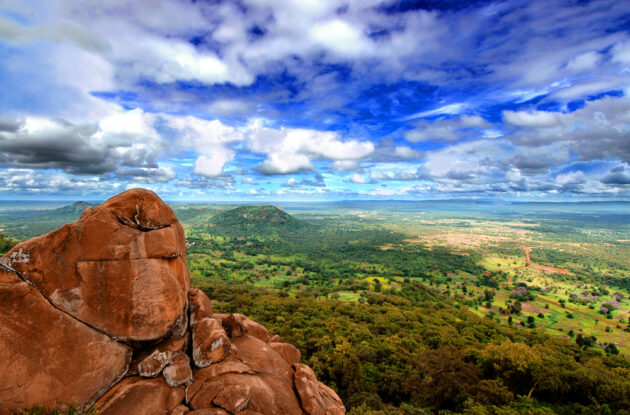
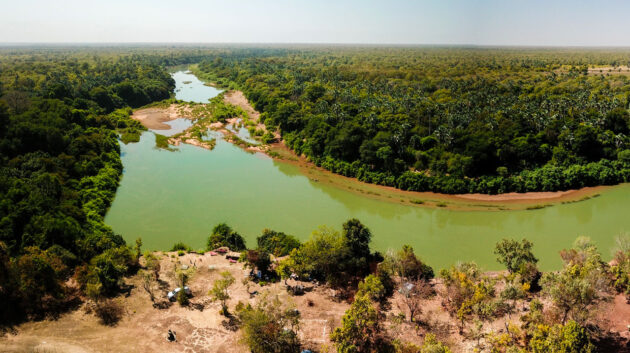
Niokolo-Koba National Park, located in southeastern Senegal, is one of West Africa’s most significant wildlife reserves and a UNESCO World Heritage Site (inscribed in 1981 and recently removed from the List of World Heritage in Danger in 2024 after major conservation improvements). Spanning approximately 9,130 km² along the Gambia River, the park features diverse ecosystems including gallery forests, savannas, wetlands, and riverine habitats. It offers a raw, off-the-beaten-path safari experience with far fewer visitors than East African parks, providing a sense of true wilderness.
Why Visit Niokolo-Koba?
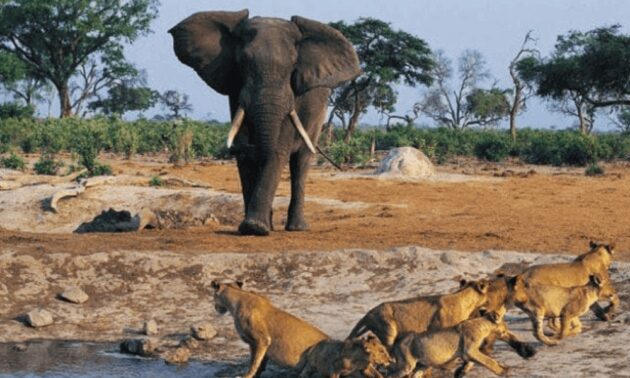
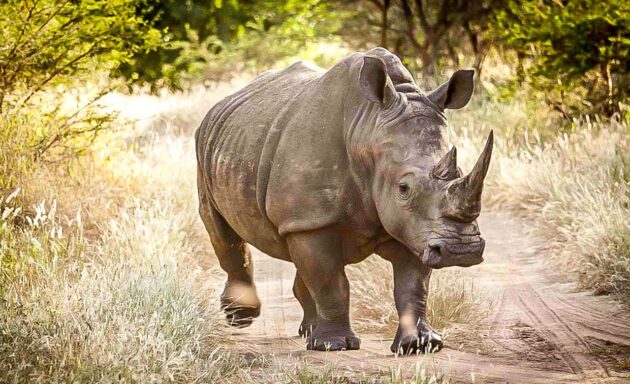
The park is home to an impressive array of wildlife, including:
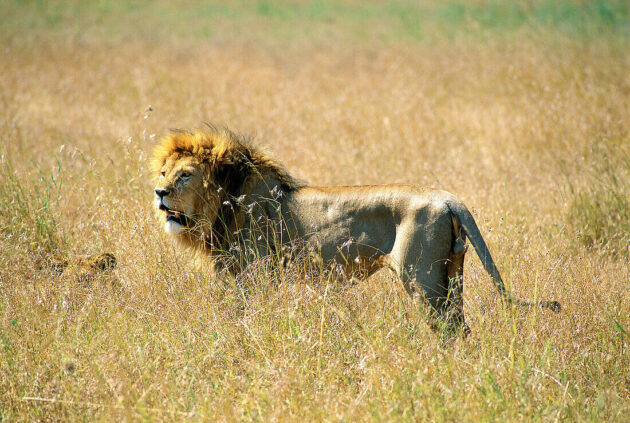
Lions (West African population recovering, with recent counts around 29+ individuals and targets for 40–50)
Leopards (one of the largest populations in West Africa, ~400 estimated)
Elephants: Derby’s eland (the largest antelope, critically endangered in the region)
Chimpanzees: African wild dogs (the last surviving population in West Africa)
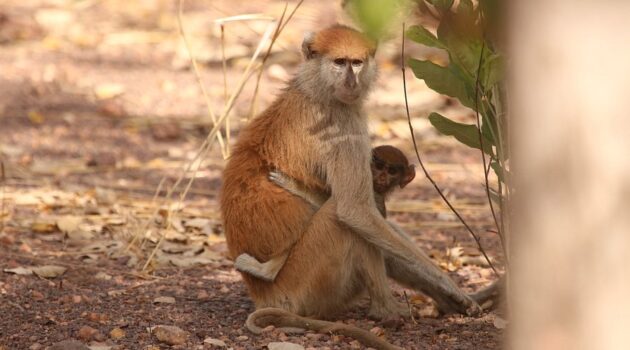
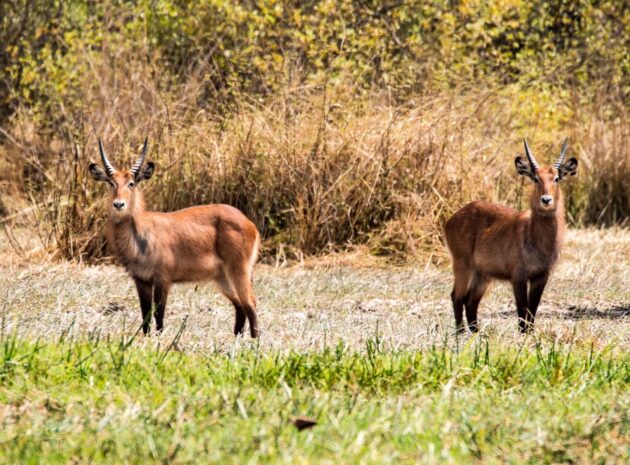
Hippos, crocodiles, various antelopes (waterbuck, roan, hartebeest), buffaloes, monkeys, warthogs, and over 400 bird species
The landscape combines open savanna, dense woodlands, and river views, making it ideal for those seeking authentic, low-crowd wildlife viewing.
Best Time to Visit
The dry season (November to May) is strongly recommended:
November–February: Cooler temperatures (daytime 28–32°C / 82–90°F, nights cooler), good wildlife concentrations near water sources, fewer mosquitoes.
March–May: Very hot (up to 35–38°C / 95–100°F), but animals gather at remaining waterholes, improving sightings (especially late dry season).
Avoid the wet season (June–October): Heavy rains flood roads, make many tracks impassable, and reduce visibility due to tall grass.
How to Get There
The park is remote, about 550–650 km east of Dakar.
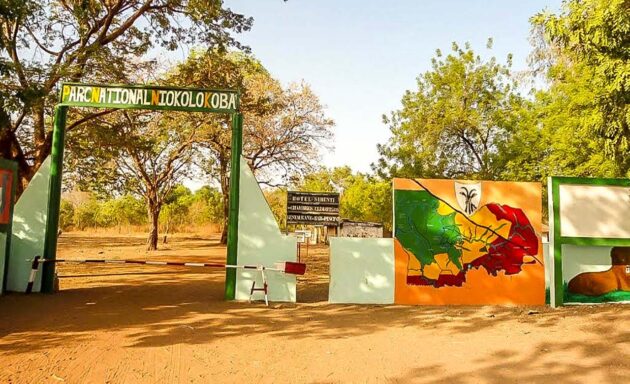
Main access points: From Dakar: Drive (9–12 hours) or fly to Tambacounda (domestic flights ~1 hour), then drive ~2–3 hours to the park entrance (Wassadou or Dar Salam gates). From Banjul / Gambia: Easier for many international visitors — cross the border near Wassadou (short drive from eastern Gambia). Several multi-day tours combine Gambia birding/wildlife with Niokolo-Koba. Road conditions: Mostly paved to Tambacounda, then dirt/gravel tracks inside/near the park — 4×4 vehicle highly recommended.
Guided tours: Strongly advised. Many operators run 4–15 day packages from Dakar, Banjul, or combining with Casamance / Dindefelo Falls.
Park Entry and Safaris
Entry: No fixed entrance fee mentioned in recent sources, but mandatory local guide required (park rule for safety & conservation). Guides are usually arranged at entrances or lodges.
Activities: Game drives (4×4 vehicle safaris, morning & late afternoon best); Boat trips on the Gambia River (hippo & crocodile spotting); Guided walks in certain areas (birding, smaller mammals); Night drives (possible with some operators/guides).
Wildlife viewing requires patience — sightings are rewarding but less guaranteed/dense than in southern/eastern Africa parks.
Where to Stay
Inside/near the park: Niokolodge (Les Manguiers de Guéréo / Niokolodge): Most popular & scenic option — perched on a cliff overlooking the Gambia River. Comfortable rooms, good food (meals often included), excellent views. ~1 hour from some entrances. Campement du Lion (Lion Camp): Very basic lodge inside the park, strategic location near river bends, good for lion/leopard tracking. Wassadou Camp / Hotel: Riverside, often used as base for day trips.
Nearby towns: Tambacounda has basic hotels for pre/post-park stays.
Book in advance — availability limited, especially during peak dry season.
What to Bring & Practical Tips
Essentials: Binoculars, camera with zoom lens, hat, sunscreen, insect repellent (malaria area — prophylaxis recommended), long sleeves/pants for evenings & walks, sturdy shoes, flashlight/headlamp.
Health & Safety: Yellow fever vaccination required for entry to Senegal. Malaria risk high — use prophylaxis, nets, repellents. Drink bottled/boiled water. Roads rough — motion sickness medication helpful.
Respect rules: Stay in vehicle during drives (unless guided walk), no off-track driving, no feeding animals, quiet behavior.
Costs: Lodge + full-board + safaris ~$150–300 per person/night (varies by option). Guided day safari ~$80–150.
Conservation note: Poaching has decreased significantly; tourism helps support anti-poaching & habitat protection efforts.
Final Thoughts
Niokolo-Koba offers one of West Africa’s last true wilderness safari experiences — raw, uncrowded, and biologically rich. Recent conservation successes (UNESCO delisting in 2024, lion recovery projects) signal a positive future. If you’re seeking an authentic, less commercialized African wildlife adventure combined with Senegal’s warm hospitality, this park is worth the journey.
Plan ahead, travel with a reputable guide/operator, and enjoy the magic of this hidden gem. Safe travels!