A Travel Guide to Pendjari National Park (2026)
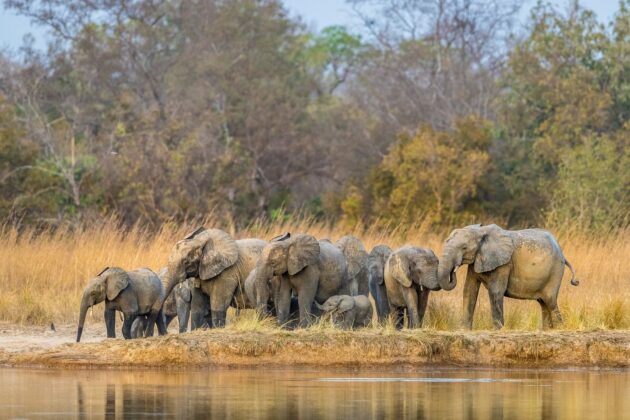
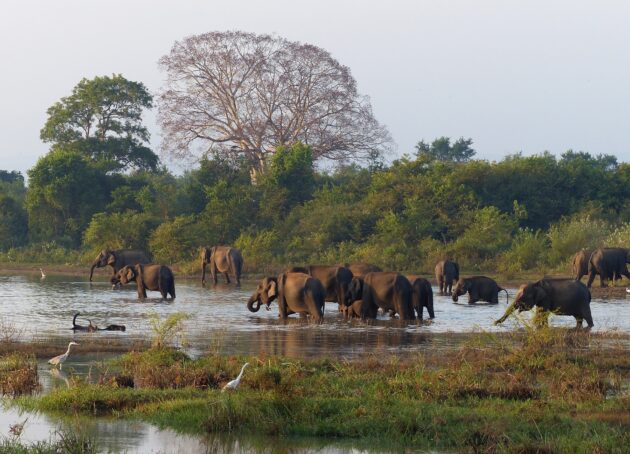
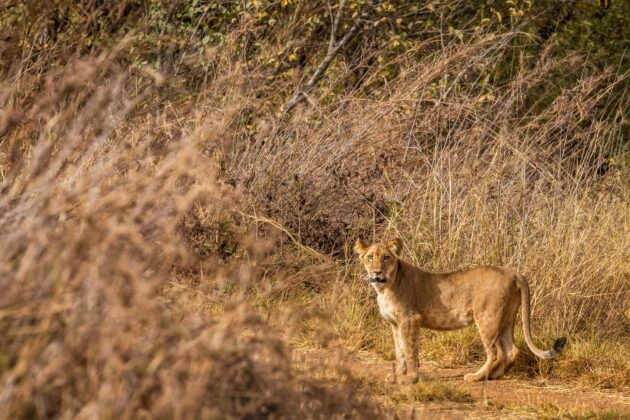
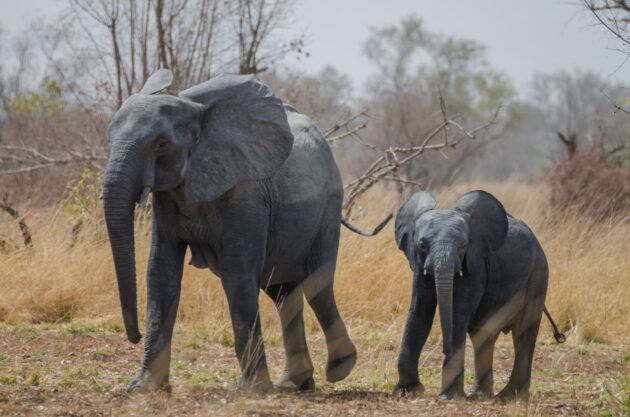
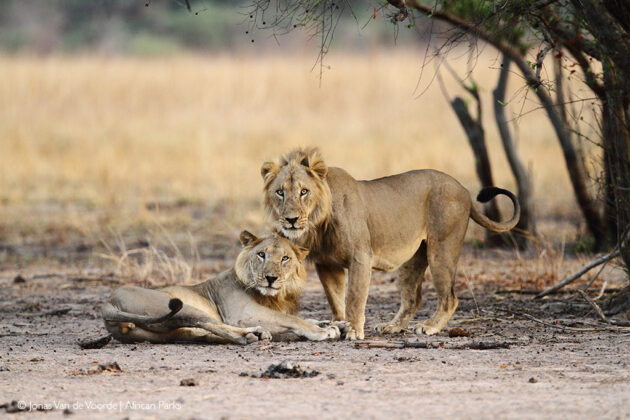
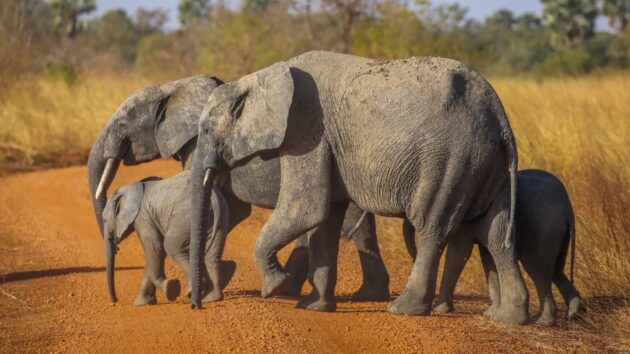
Pendjari National Park is one of West Africa’s premier wildlife destinations and a true hidden gem for safari enthusiasts. Located in the northwest of Benin, near the borders with Burkina Faso and Niger, this 4,800 km² UNESCO World Heritage Site forms part of the massive transnational W-Arly-Pendjari (WAP) Complex — the largest intact ecosystem in West Africa. Managed by African Parks in partnership with the Beninese government since 2017, Pendjari offers an authentic, low-crowd safari experience with significant populations of elephants, West African lions, hippos, various antelopes, crocodiles, and over 450 bird species. It remains one of the few places in the region where you can still see wild lions and cheetahs.
Why Visit Pendjari National Park?
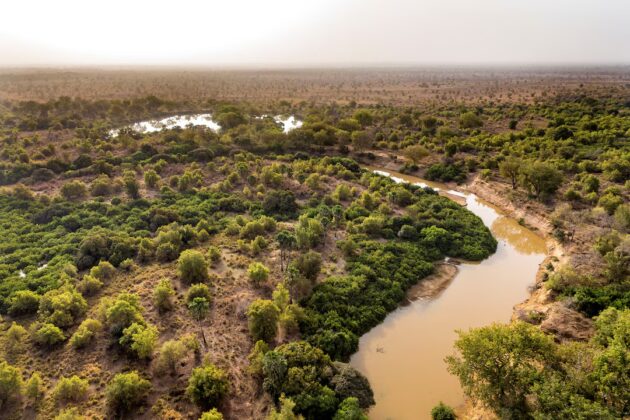
Unlike the more commercialized parks in East or Southern Africa, Pendjari provides a raw, uncrowded wilderness feel. Wildlife viewing is excellent during the dry season, with animals concentrating around waterholes. The park’s savannahs, baobab-dotted hills, escarpments, and seasonal rivers create stunning landscapes. It’s ideal for travelers seeking an off-the-beaten-path African safari with a focus on conservation and authentic nature.
Best Time to Visit
Dry Season (November–April): The absolute best period. Vegetation is thinner, roads are passable, animals gather at water points, and wildlife spotting is easiest. Peak months: January–February (clear views, tolerable temperatures, highest animal concentrations).
Shoulder Months: November and April — fewer visitors, still good conditions.
Wet Season (May–October): Avoid if possible. Heavy rains flood roads, dense vegetation hides animals, and malaria risk increases. Some discounted entry periods exist, but access is limited.
Daytime temperatures: 30–35°C (86–95°F); nights cooler (18–22°C / 64–72°F).
How to Get There
Pendjari is remote — about 630 km from Cotonou (Benin’s main international airport).
Fly to Cotonou (COO) → Domestic or regional flight/charter to Parakou (if available), then road transfer. Most Common Route: Fly into Cotonou → Take a long-distance bus or private 4×4 transfer north to Natitingou (gateway town, ~10–12 hours by bus/road). From Natitingou, it’s another 50–60 km to the park entrance.
Bus option: “La Poste” buses from Cotonou to Natitingou (multi-day journey with overnight stops).
Private transfer or tour: Recommended for comfort and safety (arrange through lodges or operators).
Alternative Access: From Ouagadougou (Burkina Faso) ~450 km or Niamey (Niger) ~500 km — but check border/cross-border travel advisories.
Hire a 4×4 with driver/guide — essential inside the park.
Safari Experiences & Activities
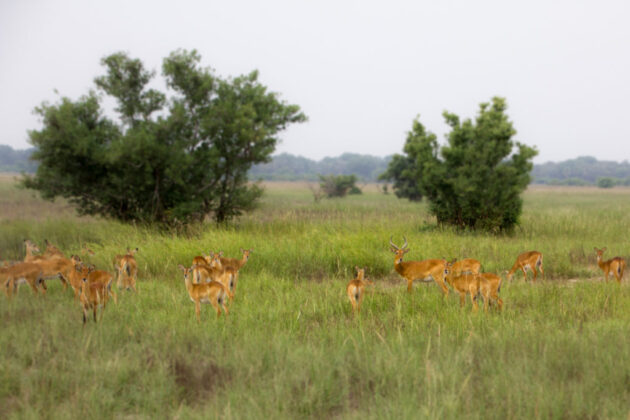
Game Drives: Main activity. Open 4×4 vehicles with licensed guides (mandatory in many zones). Morning and afternoon drives offer the best chances to see elephants, lions, hippos, antelopes (roan, hartebeest, kob), baboons, warthogs, and birds.
Walking Safaris: Limited and guided only — great for birdwatching and smaller details.
Boat Trips: Possible on the Pendjari River (seasonal) for hippo and crocodile viewing.
Night Drives: Offered by some operators for nocturnal species.
Expect fewer vehicles per sighting compared to famous parks — a more intimate experience.
Entrance Fees & Permits
Daily entry: ~10,000 CFA (~$16–17 USD) for foreigners.
Multi-day discounts available (e.g., 3 days ~25,000 CFA).
Guide/vehicle fees separate — budget extra.
Where to Stay
Accommodation inside/near the park is limited but improving:
Pendjari Lodge — Comfortable tents/lodges with good views; popular mid-range option (~70,000–125,000 CFA/night including meals).
Hotel Pendjari — More basic/government-run; budget-friendly.
Camping: Basic sites available (bring your own gear; guided mandatory).
Natitingou — Hotels/guesthouses for pre/post-park nights.
Book in advance, especially January–February.
What to Bring
Lightweight, long-sleeved clothing (neutral colors)
Sturdy shoes/boots, hat, sunglasses, binoculars
Strong insect repellent, malaria prophylaxis, sunscreen
Reusable water bottle, snacks, flashlight/headlamp
Cash (CFA francs) — limited ATMs/cards in the north
Camera with zoom lens (wildlife photography)
Safety & Practical Tips
Health: High malaria risk — take prophylaxis, use nets/repellent. Yellow fever vaccination required for entry to Benin.
Security: Northern Benin has had past risks due to Sahel instability. Travel with reputable operators, avoid border areas at night, follow advisories (U.S./EU travel warnings often advise caution).
Conservation: Strictly follow rules — no off-road driving, no feeding animals, support anti-poaching efforts.
Language: French is official; English limited outside tourist zones.
Budget: Expect €45–120/day (mid-range) including transport, lodging, and activities.
Final Thoughts
Pendjari National Park delivers one of Africa’s most authentic and uncrowded safari experiences — a rewarding adventure for those willing to travel off the main tourist paths. With strong conservation progress under African Parks, wildlife is rebounding, making it a meaningful destination for nature lovers and responsible travelers. Plan carefully, stay updated on conditions, and prepare for an unforgettable West African wilderness journey.
Safe travels and enjoy the wild beauty of Pendjari!