
Pyramids of Meroë Travel Guide (2026)
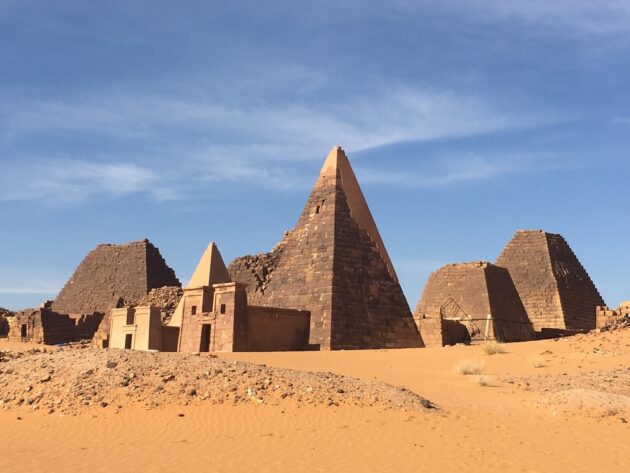
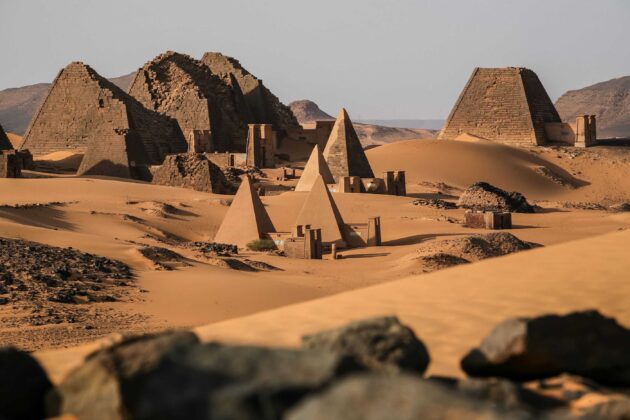
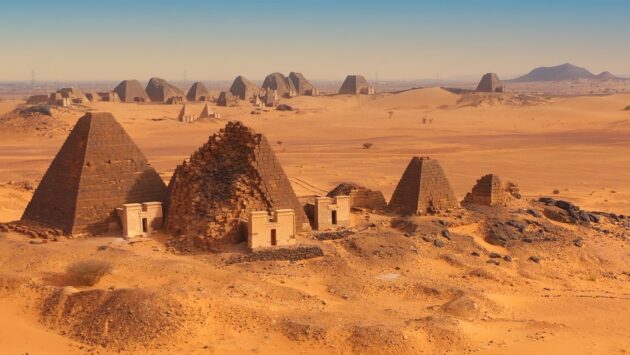
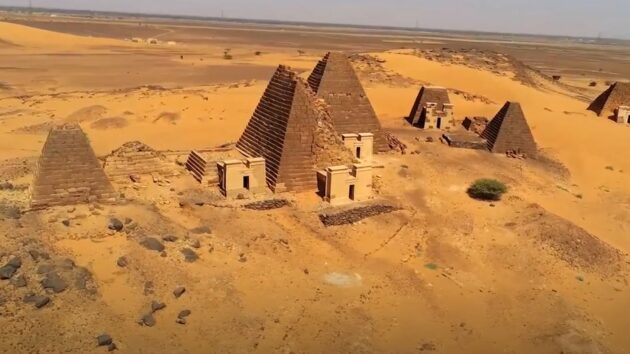
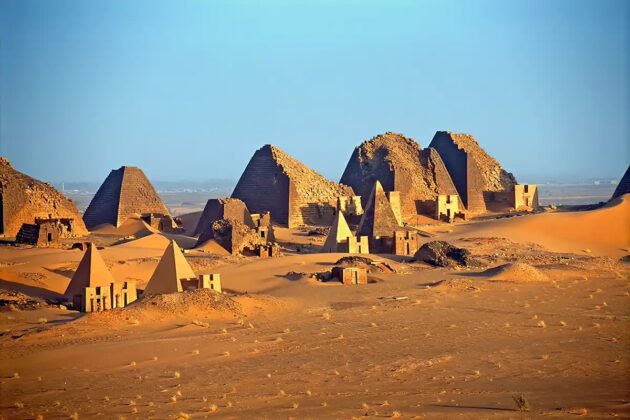
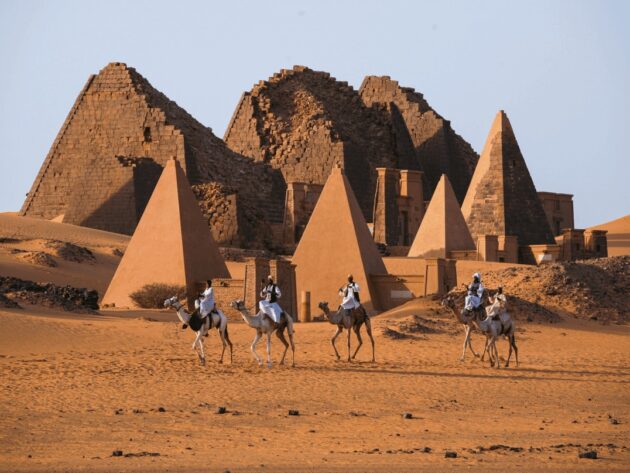
The Pyramids of Meroë (also spelled Meroe or Begrawiya) in Sudan represent one of the world’s most underrated and atmospheric ancient sites. As a UNESCO World Heritage Site, this royal necropolis of the Kingdom of Kush features over 200 steep-sided, smaller pyramids scattered across golden desert dunes—far more numerous than Egypt’s famous pyramids, yet visited by only a tiny fraction of tourists. The site dates back over 2,000 years and offers an unforgettable sense of solitude, raw history, and dramatic sunrises/sunsets.
Why Visit the Pyramids of Meroë?
Experience near-complete solitude among ancient structures (often zero other tourists).
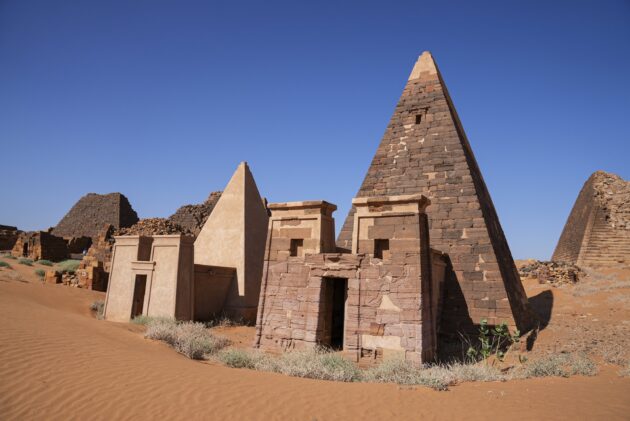
Dramatic desert setting with sharp, narrow pyramids (steep angles ~68–70° vs. Egypt’s gentler slopes).
Opportunity to camp beside the pyramids under one of the clearest night skies imaginable.
Combine with nearby sites like Naqa and Musawwarat es-Sufra for a full ancient Kush experience.
How to Get There
Meroë lies about 230–250 km northeast of Khartoum, roughly a 3.5–4.5 hour drive along the main Khartoum–Atbara highway.
Organized Tour (Recommended): Most visitors join multi-day tours from Khartoum. Operators like Travel Sudan Tours, Young Pioneer Tours, or local guides offer day trips (~$150–250 USD per person) or overnight camping packages. These include transport, guide, entry fees, and often meals.
Independent Travel: Take a bus from Khartoum to Shendi (nearest town, ~3–4 hours). From Shendi, hire a private taxi or 4WD (~1 hour to the site; negotiate ~$50–100 round-trip). Public minibuses or shared taxis sometimes run toward Begrawiya—ask locally in Shendi.
By Car: Rent a 4WD in Khartoum and drive (road is mostly paved but desert tracks lead to the pyramids).
Best Time to Visit
Optimal Season: November–February (cooler, 20–30°C / 68–86°F during the day; nights can be chilly).
Avoid: April–September (extreme heat often >40°C / 104°F).
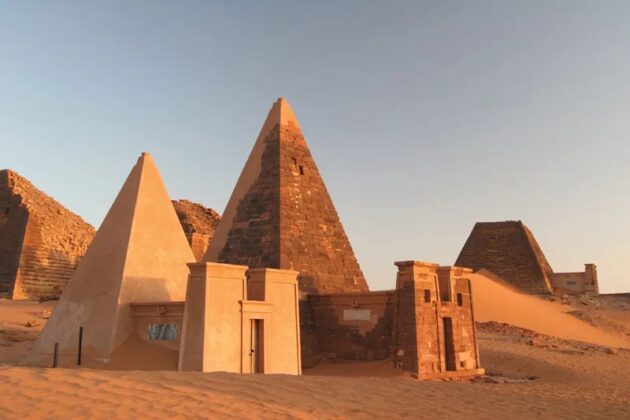
Sunrise/Sunset Magic: Arrive in the late afternoon for sunset views, stay for sunrise, or time your visit around 4–6 pm for golden-hour photography.
What to Do at the Site
Explore the three main groups of pyramids (North, South, and a smaller cluster). Many have decorative elements or damaged tops from 19th-century treasure hunters.
Climb a few dunes for panoramic views (respect any fenced/restoration areas).
Walk among the structures—feel free to wander (unlike heavily regulated Egyptian sites).
Visit nearby ruins if on a longer trip: Naqa (lion temple) and Musawwarat es-Sufra (Great Enclosure).
Camping: One of the highlights—several operators allow overnight stays right beside the pyramids (tents or basic setups). Expect stunning stars and a magical sunrise.
Practical Tips
Entry Fee: Usually included in tours; independently ~$10–20 USD (cash in USD or Sudanese pounds).
What to Bring: Plenty of water (2–4 liters per person—no shops on site). Sunscreen, hat, sunglasses, sturdy shoes (sand gets hot). Snacks/lunch (no facilities). Scarf for dust/wind; modest clothing (Sudan is conservative—cover shoulders/knees). Power bank, camera (the site photographs beautifully at dawn/dusk).
Guides & Souvenirs: Local Bedouin may offer guiding services or sell small souvenirs—polite haggling is normal.
Photography: Drones usually restricted; ask permission if filming locals.
Accommodation Options: Meroë area: Basic guesthouses in Shendi or tented camps near the site (e.g., Meroë Tented Camp style setups via tour operators). Most people do a long day trip from Khartoum or camp. Khartoum has more hotel choices if basing there.
Responsible Travel Notes
Respect the site—no touching/climbing fragile structures.
Support local communities through fair purchases and guides.
Follow your tour operator’s security protocols closely.
Have comprehensive travel insurance covering high-risk areas.
Final Thoughts
The Pyramids of Meroë offer one of the planet’s most serene and authentic ancient experiences—stepping into history with almost no crowds. If conditions allow safe travel, it remains a profoundly rewarding off-the-beaten-path destination. Stay informed, travel cautiously, and enjoy Sudan’s remarkable heritage!