
Why Visit Al Fahidi Historical Neighbourhood?
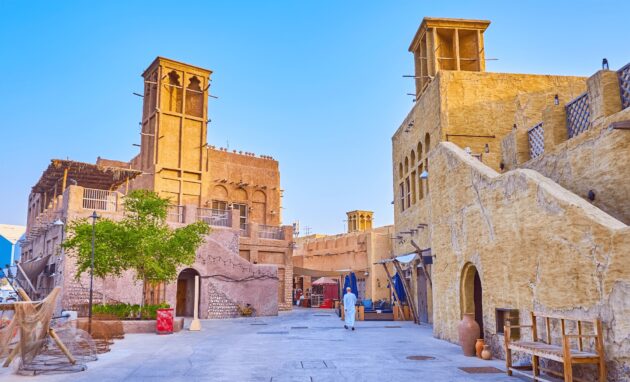
Al Fahidi Historical Neighbourhood is one of Dubai’s oldest and most charming heritage areas, offering a peaceful escape from the city’s glittering skyscrapers and modern malls. Located along Dubai Creek in Bur Dubai, this restored district dates back to the late 19th century and was originally home to Persian merchants from the Bastak region (hence its former name, Bastakiya).
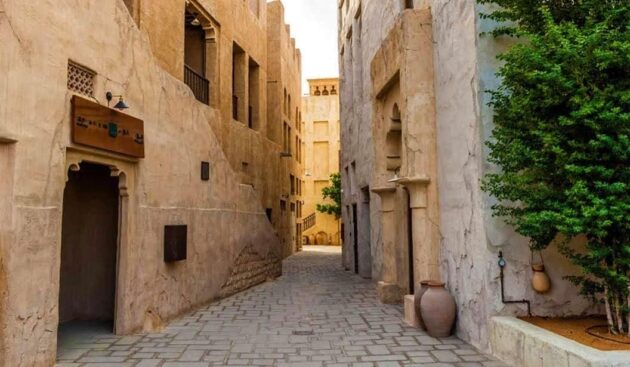
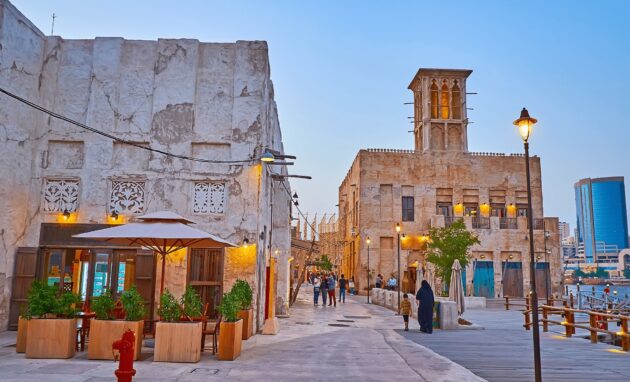
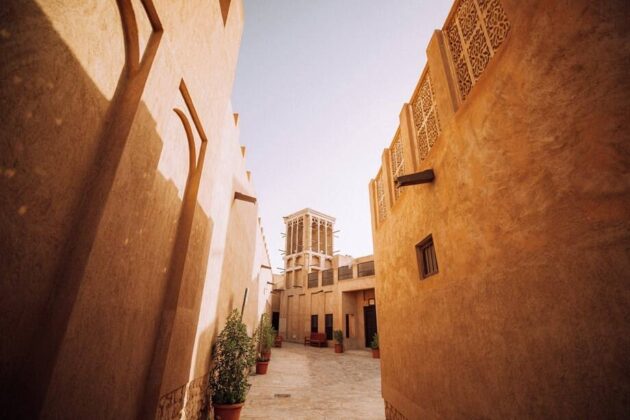
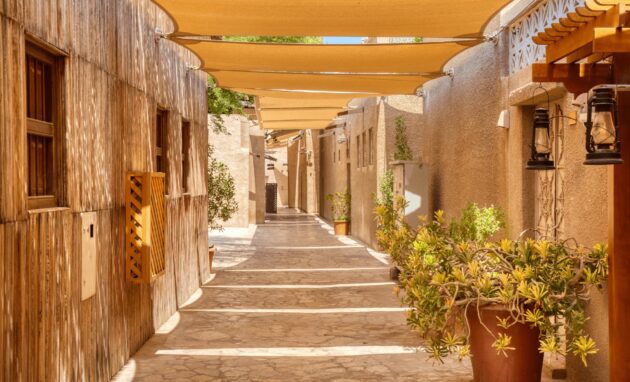
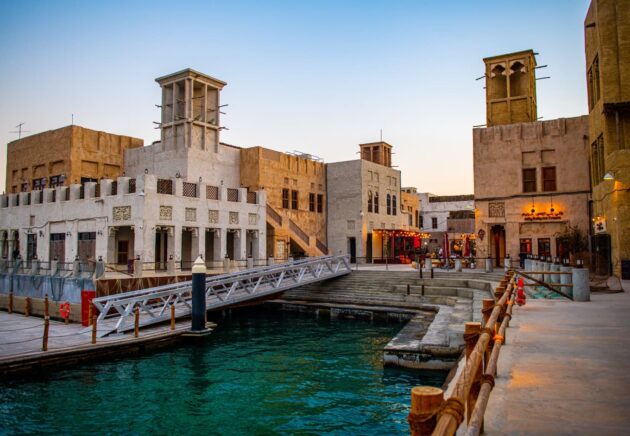
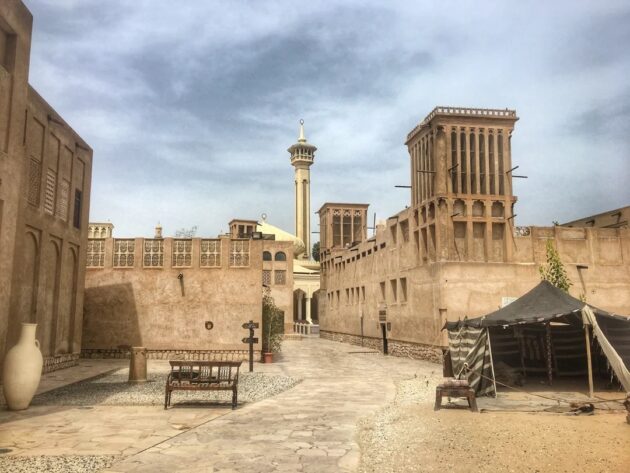
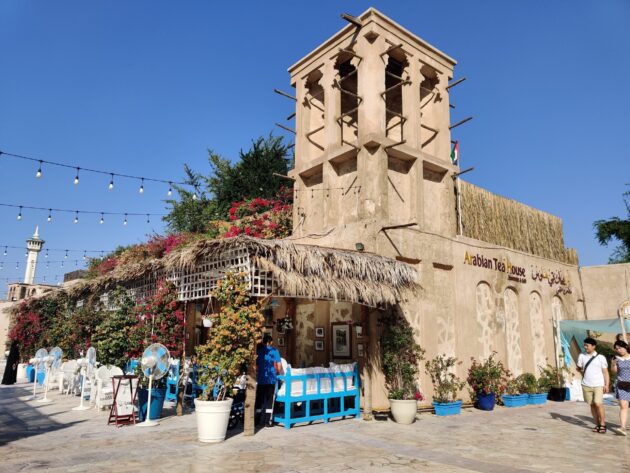
The neighbourhood features traditional wind-tower architecture (barjeel) — natural cooling systems made of sandstone, teak, gypsum, palm wood, and sandalwood — narrow winding alleys (sikka), courtyard houses, and a strong sense of old Dubai’s trading past. It provides an authentic glimpse into Emirati life before oil wealth transformed the city. Today, it houses art galleries, small museums, cultural centres, cafés, and occasional events, making it perfect for history lovers, photographers, and anyone seeking cultural depth in Dubai.
How to Get There
By Metro: Take the Green Line to Al Fahidi Metro Station. It’s just a short walk (about 9–10 minutes) from the station to the neighbourhood.
By Abra (Traditional Water Taxi): A fun and cheap way to arrive — cross Dubai Creek from Deira side for only AED 1 (or AED 2 for air-conditioned). Abra stations are nearby, and the ride offers great views of the creek.
By Bus or Taxi: Buses serve the area well. Taxis from Dubai Marina, Downtown Dubai, or Burj Khalifa take 15–40 minutes depending on traffic (cost around AED 30–70).
From Major Areas: Easily combinable with visits to Dubai Museum (in Al Fahidi Fort), Gold Souk, or Spice Souk.
The area is highly walkable once you arrive.
Best Time to Visit
Season: November to March (cooler weather, 18–30°C / 64–86°F) is ideal for comfortable walking and outdoor exploration. Avoid midday heat in summer (June–September).
Time of Day: Early morning (8:30–11:00 AM) or late afternoon/golden hour for softer light, fewer crowds, and pleasant temperatures. The neighbourhood is generally open from around 7–8 AM to 8–10 PM, though individual attractions have varying hours.
Events: Check the Dubai Calendar for special happenings like the Sikka Art and Design Festival (usually March), Heritage Week, National Day celebrations, or craft demonstrations. These add extra vibrancy with performances, exhibitions, and workshops.
What to Do
Wander the Wind-Tower Houses and Alleys — Stroll the labyrinthine sikka paths and admire the traditional architecture. Many restored houses now serve as galleries or cafés.
Sheikh Mohammed Centre for Cultural Understanding (SMCCU) — Start here for an excellent guided walking tour. Learn about Emirati culture, enjoy Arabic tea, coffee, and dates, and visit the Ruler’s Court Mosque (for tour guests only). Highly recommended for cultural insight.
Museums and Galleries: Coins Museum — Explore the history of currency in the region, British Empire, and India. Coffee Museum — A charming spot dedicated to coffee culture with rotating exhibitions (open daily, often until 10 PM). Art galleries like XVA Gallery and The Majlis Gallery for contemporary and traditional art.
Cultural Experiences — Attend artisan demonstrations, heritage talks, or events at Symposium House and Events House.
Abra Ride — Take a short traditional boat trip across Dubai Creek for a classic Dubai experience.
Photography & Relax — Capture the contrast between old wind towers and modern Dubai skyline in the distance. Sit in courtyard cafés for mint lemonade or karak tea.
Admission to the neighbourhood itself is free. Individual museums and tours have small fees (usually AED 10–30).
Where to Eat and Drink
Traditional Emirati Cuisine: Try Al Khayma Heritage Restaurant or courtyard cafés serving machbous, luqaimat (sweet dumplings), and Arabic coffee.
Casual Spots: Coffee Museum café, heritage cafés with shady courtyards, or spots for shisha in the evening.
Nearby options along Dubai Creek or in Al Seef offer more variety.
Where to Stay
Al Seef — A modern heritage-style waterfront development with boutique hotels just steps away.
Budget to Mid-Range: Guesthouses or hotels in Bur Dubai.
Luxury Nearby: Downtown Dubai or Dubai Creek area hotels for easy access.
Practical Tips
What to Bring: Comfortable walking shoes (streets are uneven), sunscreen, hat, water, and a camera/phone for photos. Modest dress is respectful (shoulders and knees covered).
Guided Tours: Book a heritage walking tour (1.5–3 hours) via operators like GetYourGuide or Viator for deeper stories and access to certain sites.
Respect Local Culture: The area is family-friendly and cultural — follow SMCCU guidelines if joining tours.
Combine with Nearby Attractions: Dubai Museum (once reopened), Gold Souk, Spice Souk, Al Seef, or a dhow cruise on Dubai Creek.
Accessibility: Mostly pedestrian; some areas may challenge those with mobility issues due to narrow alleys.
Final Thoughts
Al Fahidi Historical Neighbourhood offers a soulful contrast to Dubai’s futuristic image, revealing the city’s humble trading roots and rich cultural heritage. Whether you spend a quiet morning wandering the wind towers or join a guided cultural tour, it’s a refreshing and educational highlight of any Dubai trip. Plan to visit early or late in the day to fully enjoy its timeless charm.
Safe travels and enjoy discovering old Dubai!