
A Travel Guide to Bahrain Fort (2026)
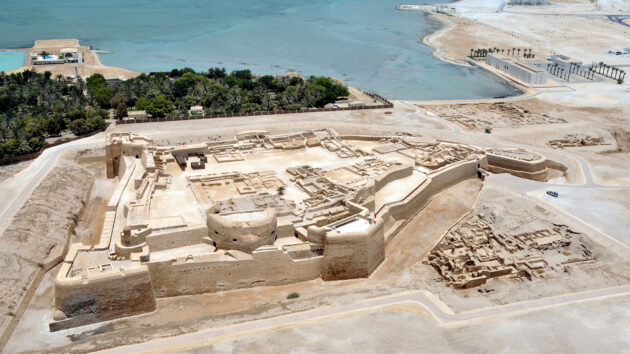
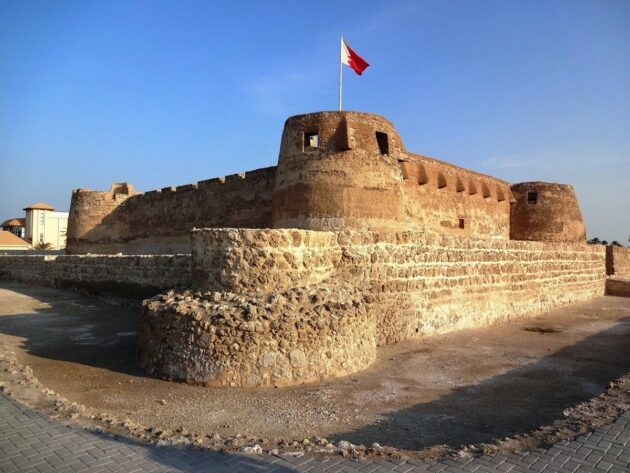
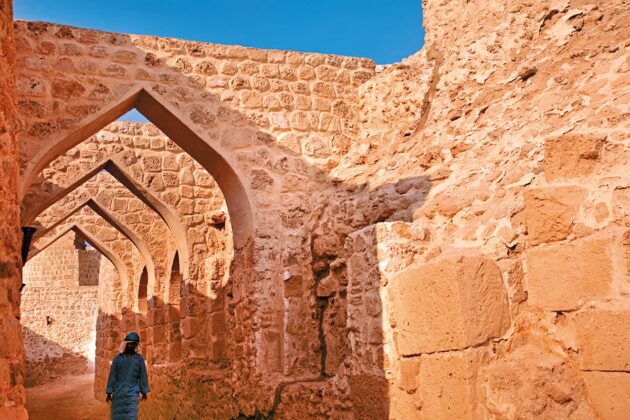
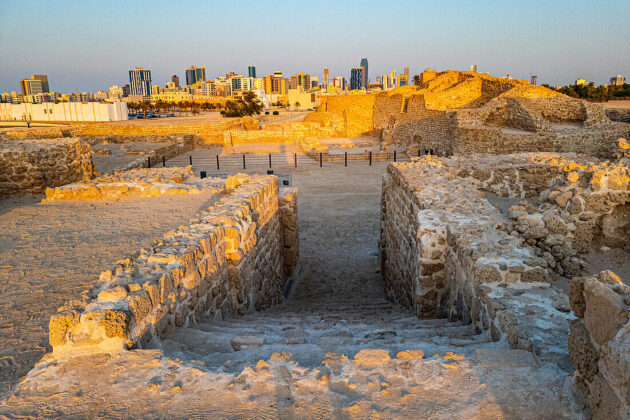
Bahrain Fort, officially known as Qal’at al-Bahrain, is one of Bahrain’s most significant historical landmarks and a UNESCO World Heritage Site inscribed in 2005 (with extensions in 2008). Located on the northern coast near Karbabad, about 5–7 km west of central Manama, this ancient site reveals over 4,000 years of human history. It was once the capital of the ancient Dilmun civilization (around 2300 BC), a vital trading hub connecting Mesopotamia, the Indus Valley, and beyond. Layers of settlements from Dilmun, Tylos, Islamic, and Portuguese periods make it a fascinating archaeological “tell” (an artificial mound built up over centuries).
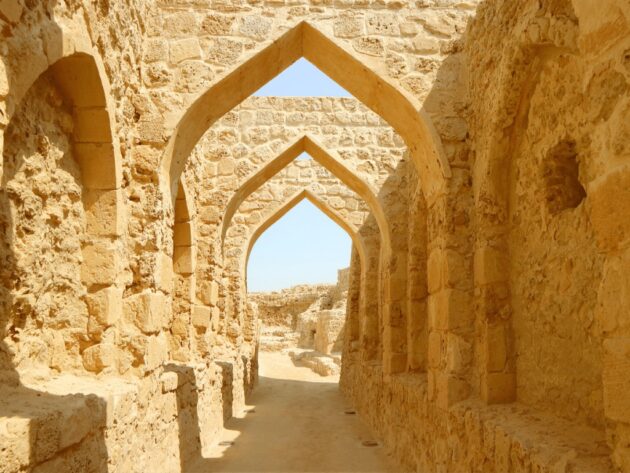
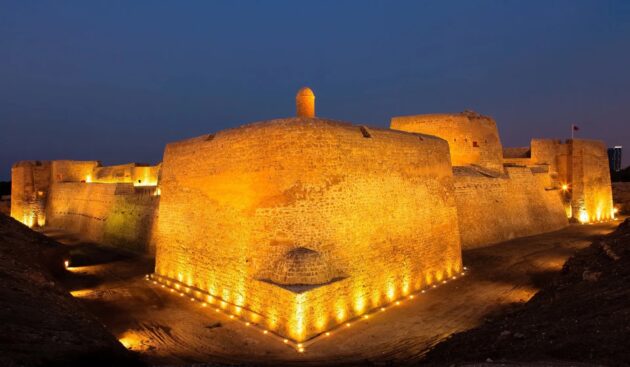
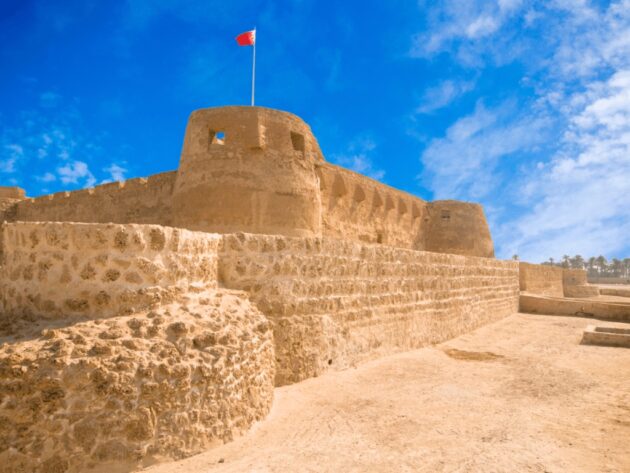
The most visible structure is the 16th-century Portuguese fort, built on top of the mound for strategic defense. The site includes ruins of residential, commercial, religious, and military structures, offering a glimpse into Bahrain’s rich past as an ancient harbor and trading post.
Why Visit Bahrain Fort?
Historical Depth: Walk through layers of civilizations spanning millennia — one of the richest archaeological sites in the Persian Gulf region.
UNESCO Status: It highlights Bahrain’s role in early global trade and cultural exchange.
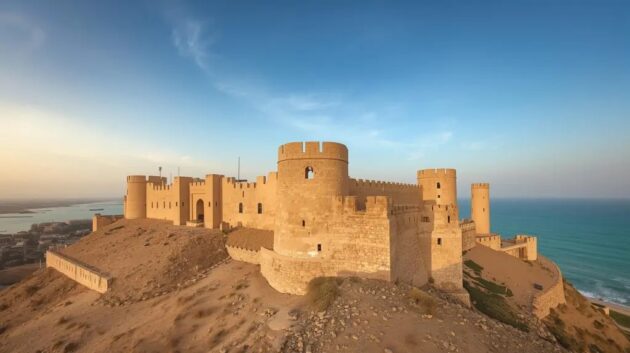
Scenic Views: The elevated mound provides panoramic views of the sea, coastline, and surrounding landscape — especially beautiful at sunset.
Educational Experience: The on-site museum complements the ruins with artifacts and context, making it ideal for history enthusiasts, families, and culture seekers.
It’s a peaceful, less crowded alternative to busier attractions in Manama, and locals often visit for walks or exercise.
How to Get There
Bahrain Fort is easily accessible from Manama, the capital:
By Taxi: The most convenient option. A short ride from central Manama or the airport takes 10–15 minutes and costs around 5–10 BHD (depending on traffic and app surge). Use ride-hailing apps like Uber or Careem.
By Bus: Public buses run from Manama Bus Station (Government Avenue). Take a route toward the western areas and then a short taxi or walk. It’s affordable but less direct.
By Rental Car: Recommended for flexibility. The site is well-signposted and has parking available. Driving in Bahrain is straightforward (right-hand traffic).
Organized Tours: Many half-day or full-day city tours from Manama include Bahrain Fort along with other sites like the Bahrain National Museum or Pearl Path.
The fort is near the coast in Al Qalah village district.
Best Time to Visit
Opening Hours: Tuesday to Sunday, 8:00 AM – 8:00 PM. Closed on Mondays. The outdoor fort area can often be accessed during daylight hours, but check for any renovations.
Ideal Season: Bahrain’s cooler months (November to April) are best, with pleasant temperatures for walking outdoors. Avoid the extreme summer heat (May–October).
Time of Day: Late afternoon or early evening is popular for cooler weather and stunning sunset views over the sea. Allow 1–3 hours for a relaxed visit.
What to See and Do
Explore the Portuguese Fort and Tell: Wander the well-preserved ruins of the 16th-century fort. Information panels inside explain the history. Climb the mound for views and a sense of the layered archaeology beneath your feet.
Bahrain Fort Site Museum: Located right across from the fort (opened in 2008). It features five exhibition halls with over 500 artifacts, models, and displays detailing Dilmun civilization and the site’s different historical periods. Highly recommended — it provides essential context that makes the outdoor ruins come alive.
Surrounding Elements: Part of the UNESCO site includes a sea tower, ancient sea channel, and palm groves (though the main focus is the tell and fort).
Photography and Sunset: Great photo opportunities, especially with the fort silhouetted against the Gulf at dusk.
Note: The site is fenced with security, and visitor access is managed to protect the archaeology.
Tickets and Costs
Bahrain Fort (outdoor ruins): Generally free to enter and walk around.
Bahrain Fort Site Museum: Entry fee is approximately 2 BHD for tourists/residents and 1 BHD for Bahraini citizens (prices may vary slightly; confirm on-site). Some sources list it around 1–2 BHD total.
There is a small café at the museum for refreshments.
What to Bring and Tips
Clothing: Dress modestly out of respect for local culture (cover shoulders and knees). Wear comfortable walking shoes, a hat, and sunscreen — the site is exposed.
Essentials: Water, camera/phone for photos (the glow at sunset is magical, though low light inside structures may challenge standard phones).
Respect the Site: Stay on designated paths to protect the archaeology. No climbing on fragile structures.
Guided Experience: Information boards are available, but a guided tour or the museum enhances understanding. Audio guides or private tours can be arranged.
Nearby Attractions
Bahrain National Museum (in Manama) — for more Dilmun artifacts.
Dilmun Burial Mounds — another UNESCO-related site.
King Fahad Causeway views or a drive to the Tree of Life in the desert.
Manama Souq or Al Fateh Grand Mosque for a full cultural day.
Where to Stay
Most visitors base themselves in Manama or nearby areas like Seef or Juffair, which offer hotels from budget to luxury (e.g., Four Seasons, Ritz-Carlton, or mid-range options). The fort makes an easy half-day trip from central Bahrain.
Final Thoughts
Bahrain Fort offers a peaceful yet profound journey through ancient history in a modern Gulf nation. Whether you’re interested in archaeology, Portuguese colonial architecture, or simply enjoying a scenic walk with sea views, it’s a highlight of any Bahrain itinerary. The combination of the free outdoor site and informative museum makes it excellent value and highly educational.
Plan your visit for a cooler afternoon or sunset, and let this layered testament to Bahrain’s ancient trading past transport you back thousands of years.
Safe travels and enjoy exploring Qal’at al-Bahrain!