
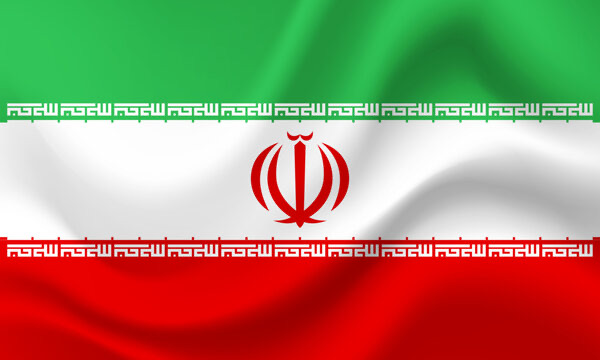
Iran Travel Guide (2026)
Iran, historically known as Persia, is one of the world’s oldest civilizations and a treasure trove of stunning architecture, rich history, warm hospitality, and diverse landscapes. From the majestic mosques of Isfahan to the ancient ruins of Persepolis and the poetic gardens of Shiraz, Iran offers an unforgettable journey through 2,500 years of culture. However, travel to Iran requires careful planning due to geopolitical complexities and strict official travel advisories from many Western governments.
Visa Requirements
Visa on Arrival (VOA): Available at major international airports (e.g., Tehran Imam Khomeini, Shiraz, Isfahan, Mashhad) for most nationalities, typically granting 30 days (extendable up to 90 days). Not available for citizens of the US, UK, Canada, and a few others.
e-Visa / Authorization Code: Recommended for smoother entry. Many travelers apply in advance through authorized agencies or the Iranian Ministry of Foreign Affairs website. US, UK, and Canadian citizens must usually obtain visas in advance via a licensed Iranian tour operator and travel on an organized tour.
Visa-Free: Limited nationalities (check current lists, as rules evolve).
Passport Validity: Must have at least 6 months validity remaining.
Apply early and use reputable agencies to avoid delays.
Best Time to Visit
The ideal seasons are spring (March–May) and autumn (September–November), when temperatures are mild (15–28°C / 59–82°F) and pleasant for sightseeing.
Spring: Beautiful blooming gardens and Nowruz (Persian New Year) festivities in March–April, though it can be busier and more expensive.
Autumn: Fewer crowds and comfortable weather.
Avoid summer (June–August) due to extreme heat (especially in the south and deserts) and winter (December–February) for cold and possible snow in higher areas.
Top Destinations and Attractions
Tehran – The vibrant capital. Visit the Golestan Palace (UNESCO), National Jewelry Museum, Grand Bazaar, and modern districts for a mix of history and contemporary life.
Isfahan – Often called “half the world.” Marvel at Naqsh-e Jahan Square (UNESCO), Imam Mosque, Sheikh Lotfollah Mosque, and the graceful Si-o-se Pol and Khaju Bridges. A photographer’s dream.
Shiraz – City of poetry, gardens, and wine (historically). Explore Eram Garden, Nasir al-Mulk (Pink) Mosque, and the tombs of Hafez and Saadi. Day trip to Persepolis and Pasargadae (UNESCO sites) – the awe-inspiring ruins of the ancient Achaemenid Empire.
Yazd – A UNESCO-listed desert city famous for its wind towers (badgirs), adobe architecture, Zoroastrian fire temples, and the historic old town.
Kashan – Known for elegant historic houses (e.g., Borujerdi House), rose gardens, and traditional bazaars.
Other Gems: Tabriz and the northwest for markets and nature. Kerman and the Lut Desert for dramatic landscapes and caravanserais. Qeshm or Kish Island for relaxed beach and geopark experiences (Kish has special visa rules).
How to Get Around
Domestic Flights: Affordable and efficient between major cities (Iran Air, Mahan Air, etc.).
Trains and Buses: Comfortable, scenic, and budget-friendly high-speed trains (e.g., Tehran–Isfahan) and VIP buses.
Private Driver/Tours: Recommended for flexibility and safety, especially for first-timers or restricted nationalities.
Taxis and Ride-Sharing: Cheap in cities; use apps like Snapp.
What to Expect
Dress Code (Mandatory): Women must wear a hijab (headscarf covering hair and neck) in public at all times and modest clothing (long manteau/tunic covering to mid-thigh or longer, long sleeves, loose pants or long skirts – no tight or revealing outfits). Men should wear long pants and avoid shorts/sleeveless tops. Enforcement is generally lenient toward tourists, but respect the rules to avoid issues.
Hospitality: Iranians are famously welcoming. Accept tea invitations, but be mindful of cultural norms (e.g., remove shoes in homes/mosques).
Photography: Respectful in most places; avoid photographing military/security sites or people without permission.
Alcohol and Pork: Strictly prohibited and unavailable.
Money: Iran uses the Iranian Rial (IRR). Due to sanctions, international cards (Visa/Mastercard) do not work. Bring sufficient cash (euros or USD preferred) or use local solutions arranged by tour operators. ATMs and money changers are available.
Practical Tips
Health & Safety: Tap water is usually safe in cities, but bottled is recommended. No special vaccinations beyond standard travel ones; check for updates. Crime against tourists is very low, but petty theft can occur in crowded bazaars.
Communication: English is limited outside tourist areas; download offline translation apps. Internet can be slow or restricted – consider a local SIM or eSIM.
Women Travelers: Solo female travel is generally safe with common sense. Dress conservatively, travel in groups when possible in conservative areas, and use reputable operators.
Tours vs. Independent: Organized tours simplify visas, logistics, and compliance for many nationalities and provide deeper cultural insight.
What to Bring: Modest clothing, comfortable walking shoes, scarf (for women), power adapter, and cash.
Final Thoughts
Iran offers one of the most rewarding travel experiences on Earth — a blend of ancient wonders, artistic beauty, and genuine human connection that few countries can match. The people, history, and landscapes create memories that last a lifetime.
If you decide to go, travel responsibly, respect local laws and customs, and embrace the legendary Persian hospitality.
Safe travels — or as they say in Persian: Safare khosh! (Have a great journey!)