
Darvaza Gas Crater Travel Guide (2026)
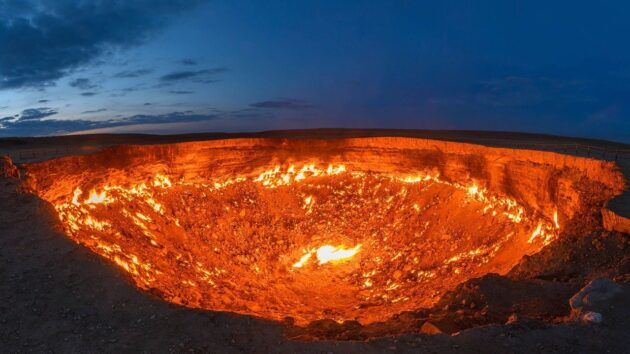
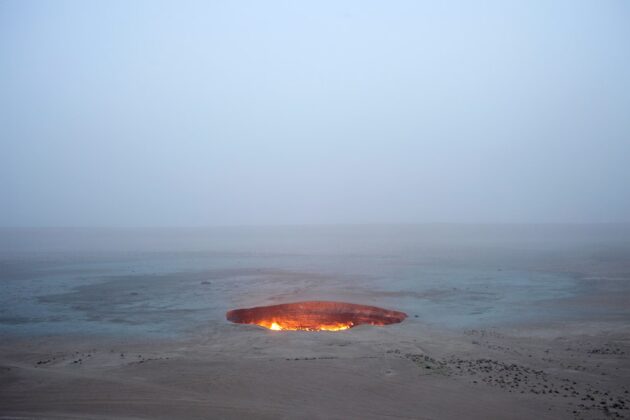
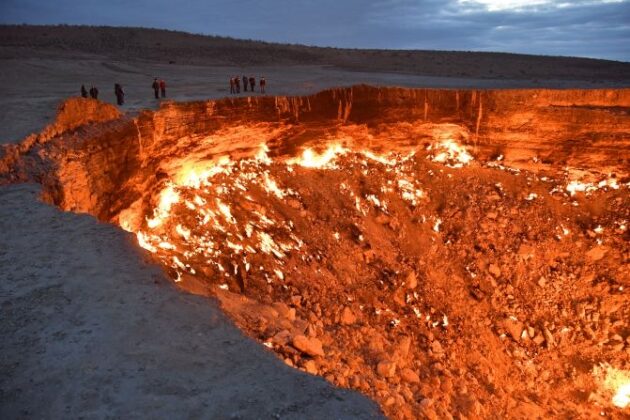
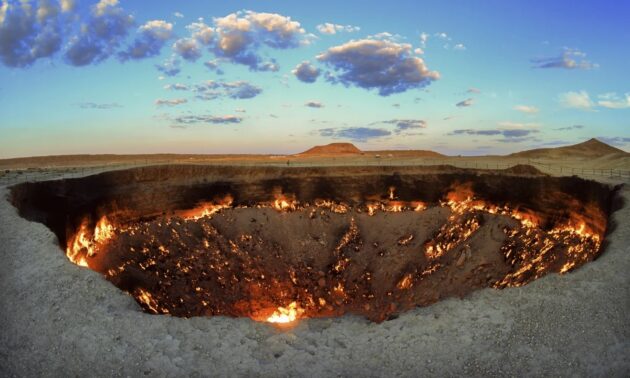
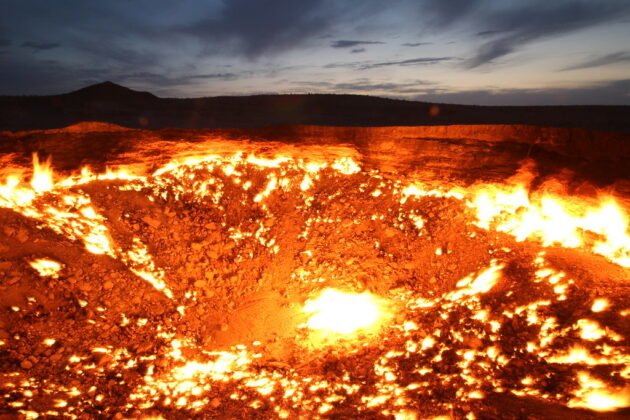
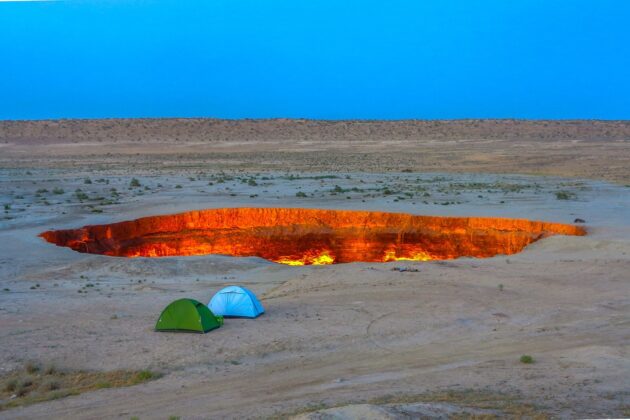
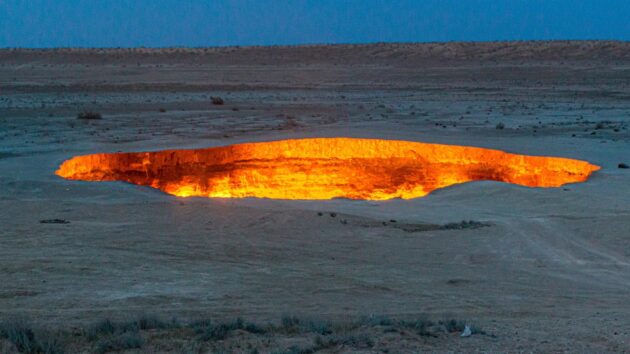
The Darvaza Gas Crater is one of the world’s most surreal and otherworldly attractions. Located in the heart of the Karakum Desert, this massive fiery pit—approximately 70 meters (230 feet) wide and 30 meters (100 feet) deep—has been burning continuously since 1971. Soviet geologists accidentally created the crater during gas exploration when a drilling rig collapsed into a natural gas cavern. To prevent the spread of poisonous methane, they ignited the gas, expecting it to burn out in days. Over 50 years later, it still blazes with intense flames, creating a hypnotic spectacle that looks like a portal to the underworld, especially at night.
The crater offers a unique blend of industrial history, raw natural power, and stark desert beauty. It’s a bucket-list destination for adventurous travelers drawn to off-the-beaten-path wonders.
Note on current status: The flames have noticeably diminished in recent years due to government efforts to capture methane with surrounding wells. The fire is now significantly weaker (visible mainly up close) and may eventually be extinguished. Visit sooner rather than later if this is on your list.
How to Get There
Darvaza is extremely remote, about 260–270 km (160–170 miles) north of the capital Ashgabat, in the Karakum Desert. The journey typically takes 3–4 hours one way over rough desert roads.
By Organized Tour (Recommended and Often Required): Independent travel in Turkmenistan is highly restricted. Most visitors join a guided tour that handles visa support (Letter of Invitation/LOI), transportation (usually 4×4 vehicles), permits, and logistics. Tours often include an overnight stay at the crater.
Common routes: From Ashgabat (full-day or multi-day trips) or as a 2-day extension from Uzbekistan (crossing at Shavat-Dashoguz border near Khiva).
Popular operators: Darvaza Tour, Koryo Tours, Young Pioneer Tours, Advantour, and specialized agencies offering group or private trips.
Public Transport (Difficult and Not Advised for Most): Buses or trains from Ashgabat go toward Dashoguz or Konye Urgench and stop at Darvaza station, but it’s still several kilometers from the crater. You’ll need local transport (shared taxi, motorcycle, or jeep) from there. This option is logistically challenging and often not feasible without local support.
Best Time to Visit
Evening and Night: The crater is most spectacular after sunset when the flames glow dramatically against the dark desert sky. Plan to arrive in the late afternoon or evening.
Season: The cooler months (October to April) are ideal to avoid extreme desert heat (summers can exceed 40°C/104°F). Nights can still be chilly, especially in winter.
Duration: Most visitors stay overnight for the full experience—from sunset through sunrise.
What to Do
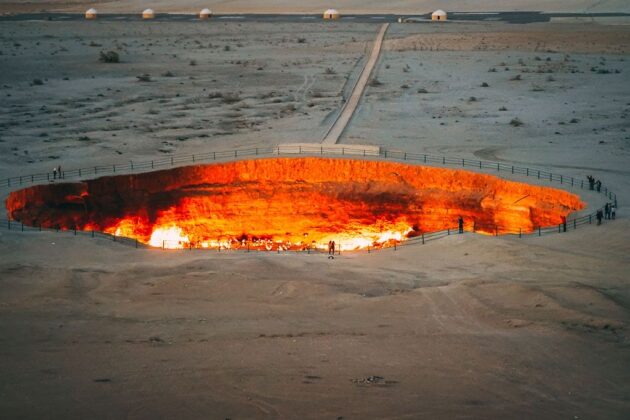
Watch the Crater: Spend time at the rim (there’s a basic fence for safety). Observe the flames by day (impressive scale) and especially by night (mesmerizing glow).
Nearby Attractions: Many tours stop at the smaller Mud Crater and Water Crater en route.
Desert Experience: Camp or stay in traditional yurts near the crater. Enjoy stargazing, desert silence, and possibly a campfire dinner.
Combine with Other Sites: Extend your trip to Ashgabat (marble architecture and monuments), ancient Merv, or Kunya-Urgench.
Tours often include meals cooked on-site and basic camping setup (tents or yurts with sleeping mats provided by operators).
Where to Stay
Accommodations at the crater are basic and desert-style:
Camping: Tents provided by tour operators.
Yurts: Traditional felt tents set up near the crater (about 10-minute walk from some spots). This is the most common and atmospheric option.
No luxury hotels—it’s pure desert wilderness. Bring layers for cold nights.
In Ashgabat (for pre/post-crater stays), options range from modern hotels to more basic guesthouses.
What to Bring
Warm clothing and layers (desert nights get cold).
Sturdy shoes for uneven, sandy terrain.
Headlamp or flashlight (essential at night).
Sunscreen, hat, and plenty of water.
Snacks, cash (limited facilities), and any personal medications.
Camera or phone for photos (the glow doesn’t always photograph perfectly, but the scene is unforgettable).
Respect the environment—no littering.
Safety Tips: Stay behind the fence and away from the unstable edge. The ground can be uneven, and heat/smoke can be intense up close. Follow your guide’s instructions. The area is generally safe with proper precautions.
Tour Costs and Booking
Group Tours: Often $500+ per person per day (all-inclusive with guide, transport, meals, and visa support). Multi-day packages (e.g., 2–3 days including Ashgabat) or group departures help reduce costs.
Private Tours: More expensive but flexible.
Book well in advance through specialized Central Asia operators. Some combine Darvaza with Uzbekistan or longer Turkmenistan itineraries.
Final Thoughts
The Darvaza Gas Crater is a once-in-a-lifetime experience that feels otherworldly—raw, powerful, and slightly apocalyptic. In a country known for its isolation and strict travel rules, reaching it requires planning and patience, but the reward is profound. With the flames reportedly fading, now is an excellent time to witness this man-made marvel before it potentially changes forever.
Turkmenistan remains one of the world’s most restricted destinations, so joining a reputable tour is the safest and most practical way to go. Prepare for bureaucracy, embrace the adventure, and get ready for an unforgettable night under a fiery desert sky.
Safe travels! If you’re planning a trip, check current visa and tour details with operators, as regulations can evolve.