
Ancient Merv: A Comprehensive Travel Guide (2026)
Ancient Merv, also known as the State Historical and Cultural Park “Ancient Merv,” is one of Central Asia’s most extraordinary archaeological treasures and a UNESCO World Heritage Site since 1999. Located near the modern city of Mary in southeastern Turkmenistan, Merv was a vital oasis city on the Silk Road. It flourished for over 4,000 years, serving as a major center of trade, science, culture, and learning under successive empires—from the Achaemenid Persians and Alexander the Great to the Islamic Golden Age.
At its peak in the 12th century, it was briefly one of the largest cities in the world, with a population possibly reaching hundreds of thousands. The city suffered devastating destruction by Genghis Khan’s Mongol forces in the 13th century, leaving behind vast ruins that span multiple layered settlements. Today, it offers a haunting, windswept landscape of mud-brick fortresses, mausoleums, and earthen mounds that evoke the rise and fall of civilizations.
Merv is often called the “Queen of the World” or “Pearl of the East” in historical texts, making it a must-visit for history enthusiasts exploring the Silk Road.
Why Visit Ancient Merv?
Historical Depth: The site encompasses five successive cities (Erk Kala, Gyaur Kala, Sultan Kala, and others) with remains dating back to the Bronze Age.
UNESCO Significance: It represents one of the best-preserved oasis cities along the Silk Road, highlighting cultural exchanges between East and West.
Atmosphere: Vast, open desert ruins with minimal crowds, perfect for reflective exploration and imagining ancient caravans.
Combination with Mary: The nearby modern city provides a base with museums, markets, and a glimpse into contemporary Turkmen life.
How to Get There
Turkmenistan has strict tourism rules: independent travel is generally not allowed. Most visitors must join a guided tour organized through a licensed local travel agency, which arranges the mandatory Letter of Invitation (LOI) and visa support. Visa on arrival is possible at Ashgabat Airport with a pre-approved LOI (requirements can change; check with your agency). US citizens and others typically need this process.
From Ashgabat (Capital): By Road: 5–6 hours drive (approx. 370–400 km). Private tour vehicles are standard. By Air: 40-minute flight to Mary with Turkmenistan Airlines, followed by a short drive. By Train: Overnight sleeper train (cheap but slower, ~7 hours).
From Mary to Merv: About 30–35 km (roughly 30–60 minutes drive). No public transport; you’ll need a driver and guide arranged via your tour.
Mary serves as the practical gateway. Many travelers do Merv as a day trip from Mary or combine it with Ashgabat itineraries.
Best Time to Visit
Optimal Seasons: Spring (March–May) and Autumn (September–November) offer mild temperatures (20–28°C / 68–82°F), comfortable for walking the large site.
Avoid: Summer (June–August) brings extreme desert heat (often over 40°C / 104°F). Winter can be cold at night.
Sun Protection: Bring hat, sunscreen, and plenty of water year-round. The site has little shade.
What to See at Ancient Merv
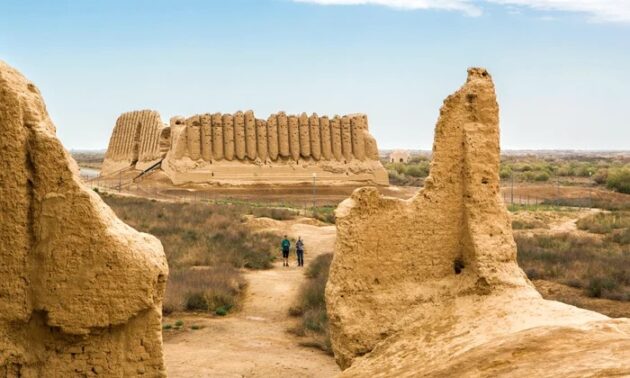
The site is enormous (over 1,000 hectares), so a knowledgeable local guide is essential to understand the layers of history. Key highlights include:
Erk Kala: The oldest citadel (Achaemenid period), a massive earthen fortress marking the heart of early Merv.
Gyaur Kala: The second major city, covering hundreds of hectares with impressive walls and structures from the Seleucid and Parthian eras.
Sultan Sanjar Mausoleum: A beautifully preserved 12th-century Seljuk tomb with intricate brickwork and dome—one of the most striking surviving monuments.
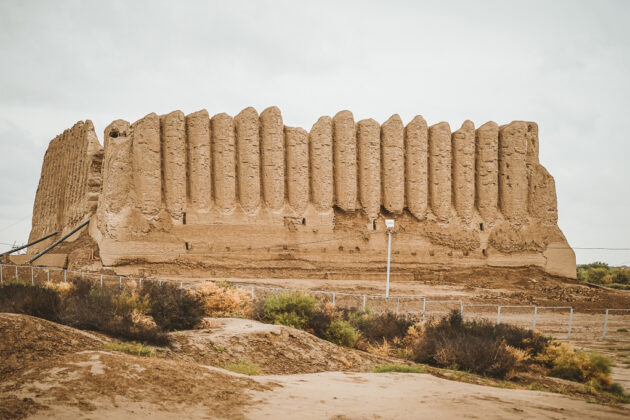
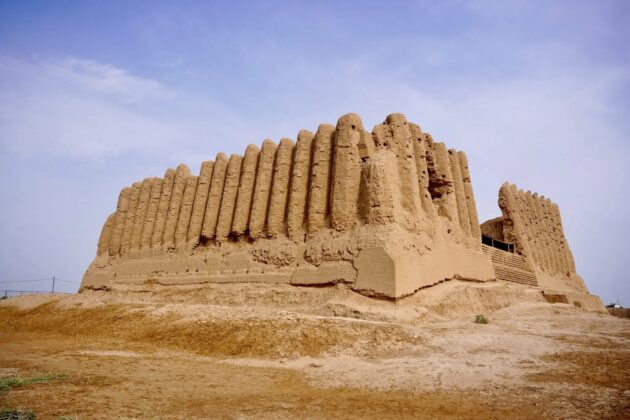
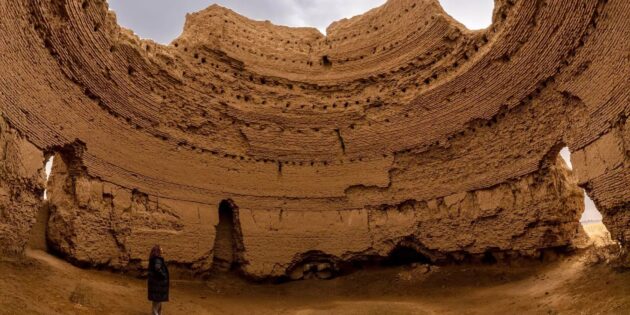
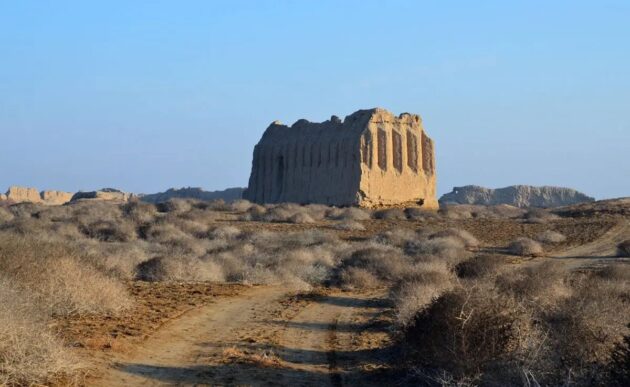
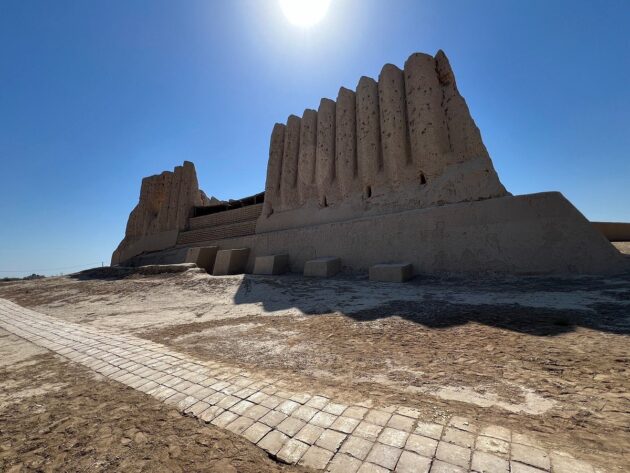
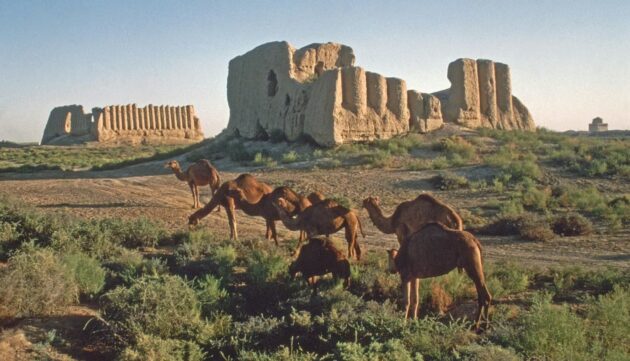
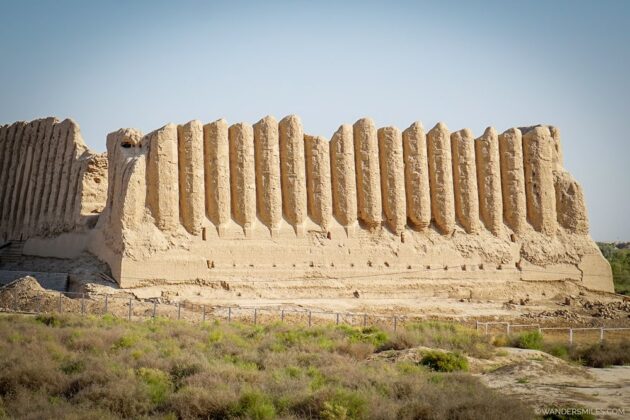
Great Kyz Kala (Maiden’s Fortress): Iconic corrugated mud-brick walls resembling a palace or fortress, offering dramatic photo opportunities.
Mohammed ibn Zayd Mausoleum and other smaller structures.
Sultan Kala: The medieval Islamic city area with additional ruins.
The vast scale means you’ll drive or walk between sections. Visit a local history museum in Mary beforehand for context (artifacts from Merv and nearby Margush/Gonur Depe).
Practical Tips
Guided Tours Only: A licensed guide is usually required. Good guides bring the ruins to life with stories of empires, scholars, and the Mongol invasion.
What to Bring: Comfortable walking shoes, sun protection, water, snacks (limited food options on site), and a camera. Modest clothing is recommended in this conservative country.
Duration: Half a day to a full day is ideal. Some visitors explore at dusk when lighting enhances the atmosphere.
Nearby: Combine with Mary’s provincial museum, local markets, or an ethno-cultural house experience. Longer itineraries can include other UNESCO sites like Kunya-Urgench or the Darvaza Gas Crater (“Door to Hell”).
Costs: Entry to the park is modest; main expenses come from tours, transport, and visa/LOI fees. Budget tours often bundle Ashgabat + Merv.
Where to Stay
Base yourself in Mary (modern hotels like Hotel Margush or similar). It’s a quiet Soviet-era city with basic amenities.
Ashgabat offers more luxurious (and eccentric) marble-clad hotels if doing a multi-day trip.
Final Thoughts
Ancient Merv is a profound, under-visited gem that reveals the grandeur and fragility of human civilization. Its windswept ruins, set against the desert horizon, provide a powerful contrast to Turkmenistan’s modern capital. While logistics require planning and a tour operator, the experience of walking through 4,000 years of Silk Road history is unforgettable.
Happy exploring!