
Why Visit Jaisalmer Fort?
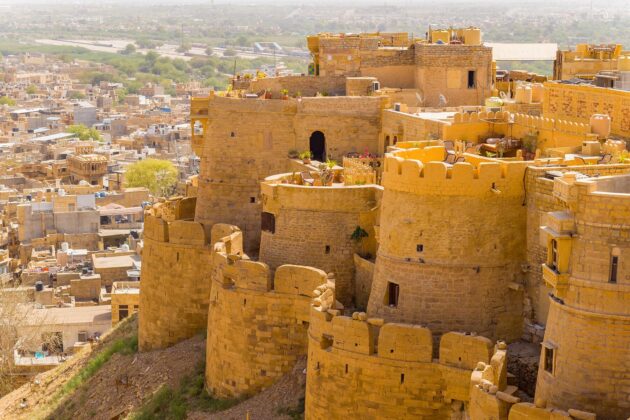
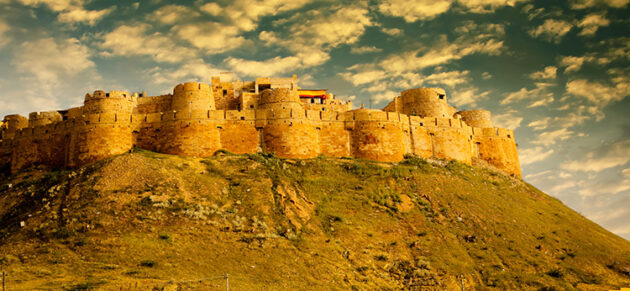
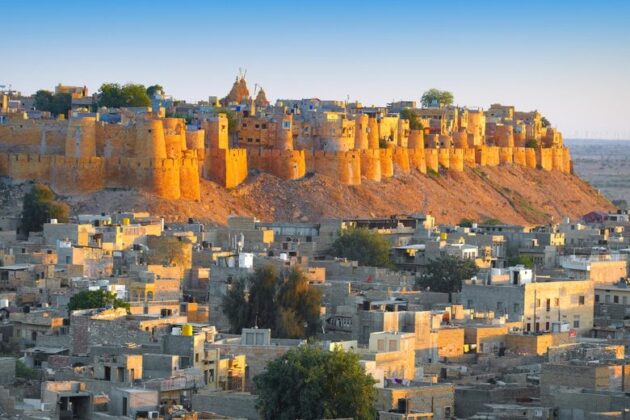
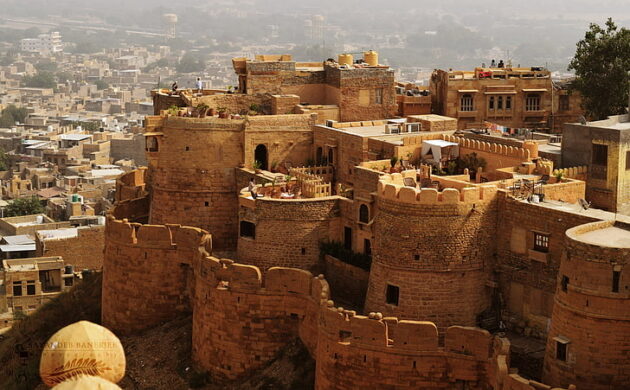
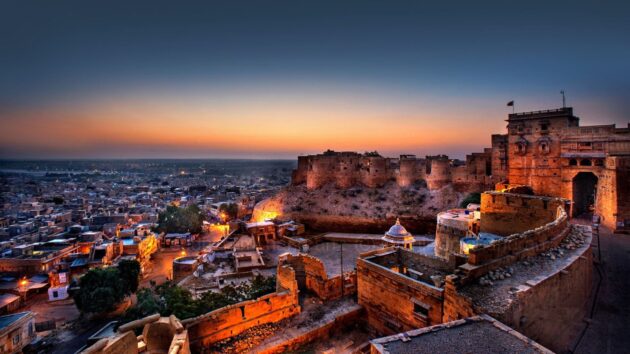
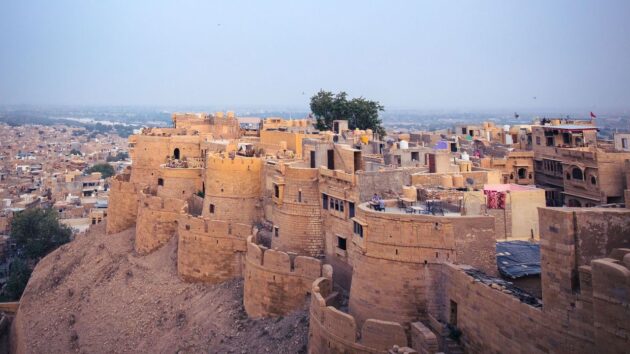
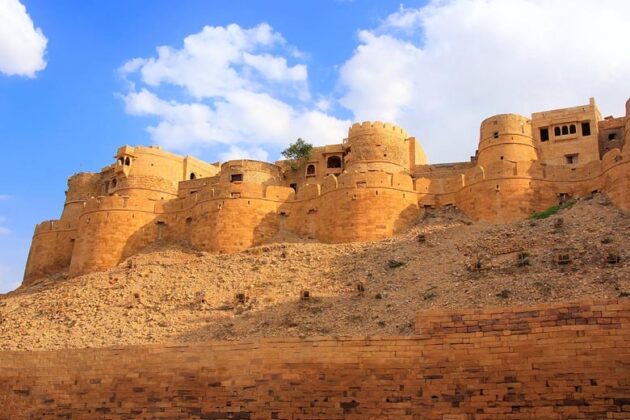
Jaisalmer Fort is one of India’s most iconic landmarks and a UNESCO World Heritage Site. Built in 1156 AD by Rawal Jaisal of the Bhati Rajput clan, this massive sandstone structure rises dramatically from the Thar Desert like a golden mirage. It stands out as one of the few “living forts” in the world — thousands of people still reside inside its walls, alongside palaces, ancient Jain temples, havelis (mansions), shops, hotels, and rooftop cafés.
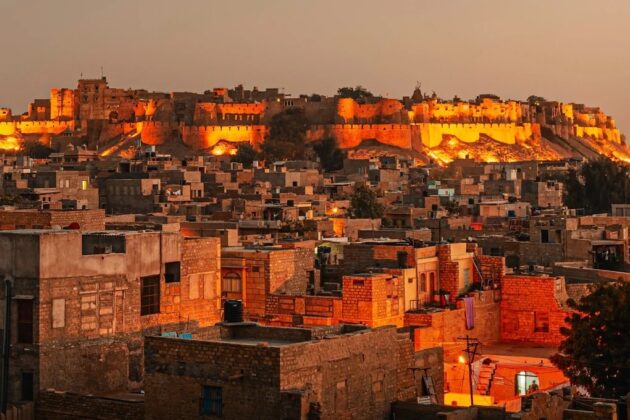
The fort’s honey-colored sandstone glows golden at sunrise and sunset, earning it the nickname “Sonar Quila” (Golden Fort). Exploring its winding lanes feels like stepping back into medieval Rajasthan, blending history, architecture, and living culture.
History at a Glance
Rawal Jaisal chose the strategic Trikuta Hill location for its defensibility and proximity to ancient trade routes (including links to the Silk Road). Over centuries, the fort withstood attacks from Mughals and other rulers. Its 30-foot-high walls and nearly 100 bastions protected a thriving community. Today, it remains a symbol of Rajput valor and desert resilience.
How to Get to Jaisalmer Fort
Jaisalmer is in western Rajasthan, near the Pakistan border. The fort sits at the heart of the old city.
By Air: Fly into Jaisalmer Airport (JSA), which has limited flights (mainly from Delhi and Jaipur). Many travelers fly to Jodhpur Airport (about 5 hours away by road) and drive or take a taxi/bus to Jaisalmer.
By Train: Jaisalmer has a well-connected railway station with trains from Delhi, Jaipur, Jodhpur, and other major cities. It’s a scenic journey.
By Road: Buses and taxis run from Jodhpur (approx. 5 hours), Jaipur, and Delhi. Self-drive or hired car is convenient for exploring the region.
Once in Jaisalmer town, the fort is easily reachable on foot or by auto-rickshaw/taxi from most hotels. The main entrance is via Fort Road near Manak Chowk.
Best Time to Visit
The ideal time is October to March (winter season), when temperatures are pleasant (10–27°C / 50–80°F). This period offers comfortable exploration of the fort and perfect conditions for desert safaris, camel rides, and sunset views.
Avoid April–June (extreme heat up to 45°C+) and the monsoon months (July–September), though the latter brings some greenery.
Peak season (November–February) sees more crowds — book accommodations and tours in advance.
Sunrise or late afternoon visits capture the fort’s golden glow beautifully.
What to See and Do at Jaisalmer Fort
The fort is open for exploration (living areas are accessible 24/7, but main attractions have set hours). Key highlights include:
Raj Mahal (Royal Palace): Now part of the Jaisalmer Fort Palace Museum. Explore royal quarters, artifacts, and stunning views.
Jain Temples: Intricately carved 12th–15th century temples dedicated to Jain Tirthankaras. Marvel at the detailed sculptures and peaceful atmosphere (small entry fee may apply).
Havelis and Palaces: Wander narrow lanes lined with beautiful old mansions.
Rooftop Cafés and Viewpoints: Enjoy panoramic views of the city and desert from rooftop restaurants. Sunset here is magical.
Local Life: Shop for handicrafts, textiles, jewelry, and Rajasthani souvenirs in the bustling bazaars inside the fort.
Entry Fees (approximate, subject to minor changes): Indians: ₹50 per person; Foreigners: ₹250 per person; Camera: ₹50; Video camera: ₹100 (where permitted).
Timings: Generally 9:00 AM to 5:00 PM or 6:00 PM daily for main attractions (the fort itself is a living area with flexible access).
Hiring a local guide (available at the entrance) enhances the experience with stories and hidden details.
Nearby Attractions
Combine your fort visit with:
Patwon Ki Haveli, Salim Singh Ki Haveli, and Nathmal Ki Haveli (ornate merchant mansions).
Gadisar Lake (scenic artificial lake with temples and boat rides).
Sam Sand Dunes (about 40–45 km away) for camel safari, jeep dune bashing, cultural performances, and desert camping under the stars.
Bada Bagh (historic cenotaphs) and Kuldhara abandoned village.
Where to Stay
Inside or near the Fort: Heritage haveli hotels or guesthouses offer authentic vibes and fort views (e.g., options on Fort Road).
Desert Camps: For a unique experience, stay at luxury or budget tent camps near Sam Sand Dunes (many include dinner and cultural shows).
Popular choices range from boutique heritage properties to modern hotels with pools.
What to Eat
Try Rajasthani specialties like dal baati churma, ker sangri, gatte ki sabzi, and laal maas. Rooftop cafés inside the fort serve excellent views with thali meals, Italian/continental options, and fresh juices. Street food (safely chosen) adds local flavor. Many places offer vegetarian options.
Practical Tips
Dress Code: Modest clothing (cover shoulders and knees) is respectful, especially for temples. Wear comfortable shoes for walking on uneven stone paths.
Health & Safety: Stay hydrated, use sunscreen and a hat (desert sun is strong). Bargain politely when shopping.
Photography: The fort looks stunning at golden hour, but respect residents’ privacy and check camera rules.
Sustainability: Support local artisans and avoid single-use plastics. Choose responsible desert safari operators that minimize environmental impact.
Combine with Desert Adventure: Most visitors pair the fort with an overnight camel safari or cultural evening at the dunes.
Duration: Spend at least half a day exploring the fort; 2–4 days total for Jaisalmer including desert experiences.
Final Thoughts
Jaisalmer Fort is a living testament to Rajasthan’s rich heritage — a place where history, architecture, and desert life intertwine. Whether wandering its ancient lanes by day or watching it glow at sunset, it offers an unforgettable journey into India’s golden past.
Safe travels and enjoy the magic of the Golden City! 🏜️