
Why Visit Jim Corbett National Park?
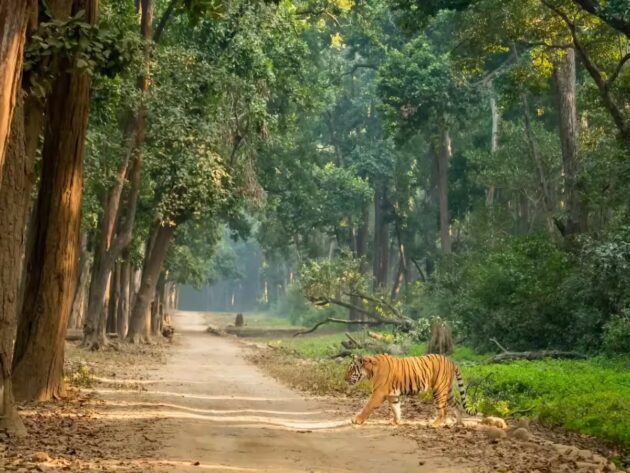
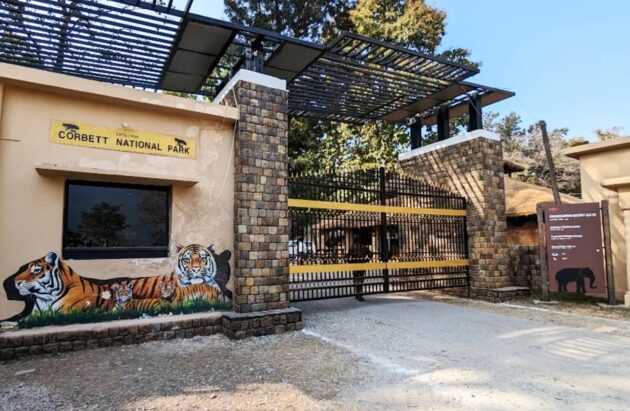
Established in 1936 as Hailey National Park and later renamed after the famous hunter-turned-conservationist Jim Corbett, this park is a cornerstone of Project Tiger. It spans over 1,300 sq km across the Himalayan foothills and Terai region, featuring dense forests, grasslands, rivers, and the Ramganga Reservoir.
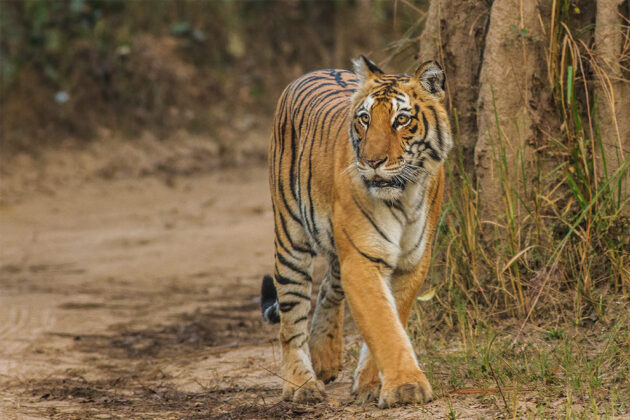
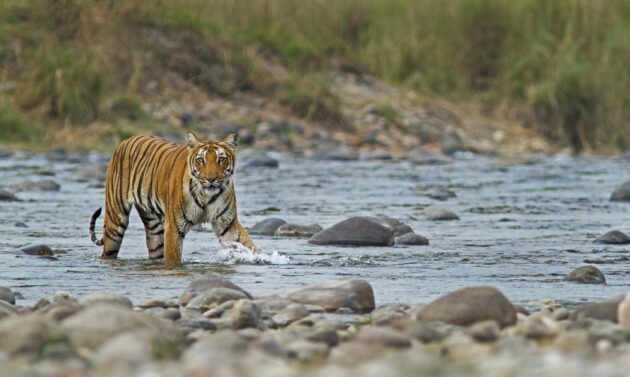
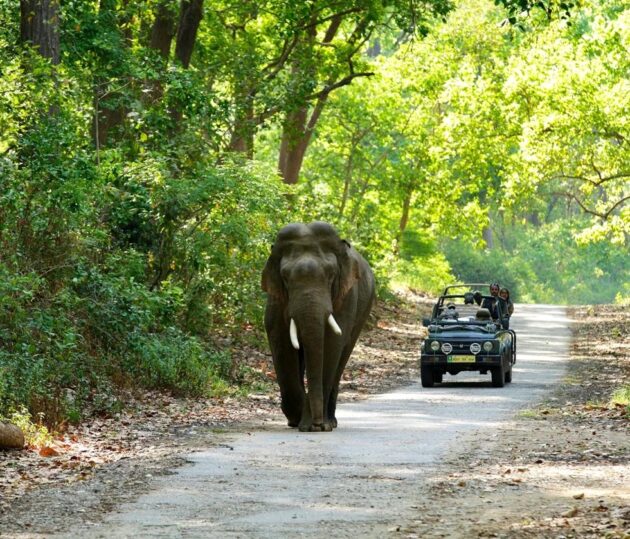
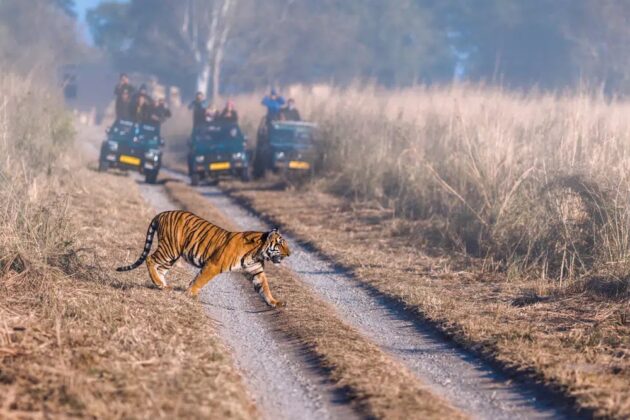
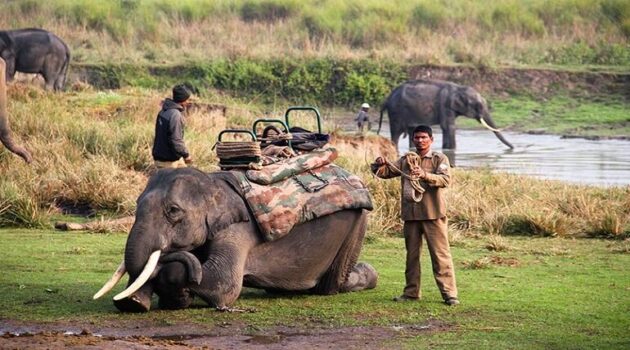
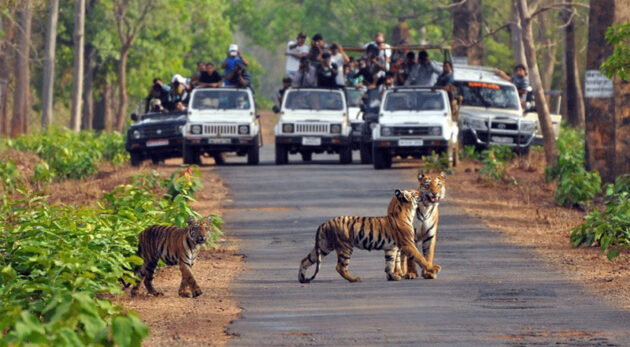
The park is renowned for its population of Royal Bengal Tigers (one of the highest in India), as well as elephants, leopards, sloth bears, deer (spotted, sambar, barking), wild boars, crocodiles, and over 600 species of birds. A safari here offers thrilling wildlife encounters in a scenic, biodiverse landscape that blends jungle adventure with Himalayan views.
How to Get There
Jim Corbett is easily accessible from major cities, with Ramnagar serving as the main gateway town (about 12 km from the park entrances).
From Delhi (approx. 260 km, 5–6 hours by road): The most convenient option. Hire a private taxi, cab, or self-drive. Shared buses or taxis are also available.
By Train: The nearest railway station is Ramnagar (RMR), directly connected to Delhi (e.g., Ranikhet Express). From Ramnagar, take a taxi or pre-arranged resort pickup to your accommodation or safari gate.
By Air: The closest airport is Pantnagar (about 80–100 km, 2–3 hours drive). Delhi’s Indira Gandhi International Airport (DEL) is the main hub for international travelers, followed by a road transfer.
Local Transport: Taxis, jeeps, and resort shuttles are readily available in Ramnagar.
Best Time to Visit
Jim Corbett is open from mid-October/November to mid-June (some zones may vary; monsoon closures are common from July to September due to heavy rains).
Peak Season for Wildlife (March–June, especially April–May): Best for tiger sightings, as animals gather around water sources in the heat. Vegetation is thinner, improving visibility.
Winter (November–February): Pleasant weather, excellent for birdwatching and general wildlife. Mornings can be chilly.
Avoid: Monsoon months (July–September) when most core zones close.
Morning safaris generally offer the best chance for sightings due to cooler temperatures and higher animal activity.
What to Do: Safaris and Activities
The highlight is the jungle safari — primarily by open 4×4 Jeep (private or shared) or Canter (larger vehicle for day visitors in some zones).
Main Safari Zones: Dhikala: Most scenic with grasslands and reservoir views; high chance of elephants and tigers (often requires overnight stay in forest rest houses for jeep access). Bijrani: Excellent for tigers and easy access; popular for day safaris. Jhirna & Dhela: Open year-round in many cases; good for tigers, bears, and birds. Others include Garjia, Durgadevi, and Sonanadi.
Safari Timings (approximate, varies by season): Morning: 5:30/6:00 AM – 9/10 AM; Afternoon/Evening: 2:30/3:00 PM – 5:30/6:00 PM.
Booking Safaris: Book online in advance via the official Corbett Tiger Reserve website (corbettgov.org or similar portals). Permits are released 45 days ahead for Indians and up to 90 days for foreigners. Popular zones book out quickly — reserve early, especially for Dhikala or Bijrani. A mandatory registered guide accompanies every safari.
Costs (approximate, subject to change): Jeep safari permits range from ₹3,000–₹7,000+ per jeep for Indians and higher for foreigners (including vehicle and entry fees). Guide fee is extra (around ₹900). Canter safaris are cheaper per person but less private. Full costs depend on zone and nationality.
Other Activities: Nature walks (in permitted areas), birdwatching, visits to the Corbett Museum in Ramnagar, riverside relaxation, or cultural experiences in nearby villages. Some resorts offer night stays inside the park or canopy walks.
Note: Private vehicles are not allowed inside tourism zones. Swimming or alighting from vehicles during safaris is strictly prohibited.
Where to Stay
Accommodations range from budget guesthouses in Ramnagar to luxury jungle resorts and forest rest houses inside the park.
Luxury: Taj Corbett Resort & Spa, Aahana – The Corbett Wilderness, Namah Resort, Paatlidun Safari Lodge.
Mid-Range: Corbett Riverside Resort, Tarangi Resort, Lemon Tree Premier Corbett.
Budget/Inside Park: Forest rest houses in Dhikala, Bijrani, etc. (book early via official site; basic but immersive).
Many resorts are located near specific gates (e.g., Bijrani or Dhikala) for convenient safari access and offer packages including meals, safaris, and transfers.
What to Bring and Tips for a Great Experience
Essentials: Binoculars, camera with zoom lens, neutral-colored clothing (khaki/green to blend in), comfortable closed shoes, hat, sunscreen, insect repellent, light jacket (for winter mornings), water bottle, and snacks.
Do’s: Stay silent during safaris, follow your guide’s instructions, respect wildlife (no flash photography or loud noises), and carry valid ID for entry.
Don’ts: Do not litter, feed animals, or step out of the vehicle. Avoid bright colors and strong perfumes.
Health & Safety: Carry any personal medications; the terrain can be bumpy. Book reputable operators and confirm all permits.
Final Thoughts
A visit to Jim Corbett National Park combines adrenaline-pumping wildlife safaris with the serenity of nature. Whether you spot the elusive tiger or simply enjoy the sights and sounds of the jungle, the experience is unforgettable. Plan ahead — especially for safari bookings and peak-season stays — to make the most of India’s iconic tiger country.
Safe travels and happy spotting! If you have specific preferences (budget, group size, or focus on tigers/birds), more tailored advice is available.