
Sundarbans National Park Travel Guide (2026)
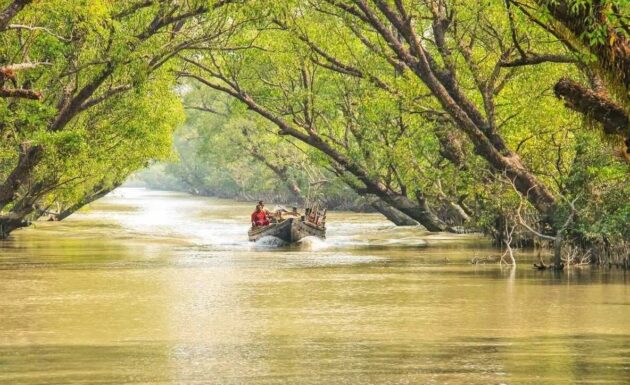
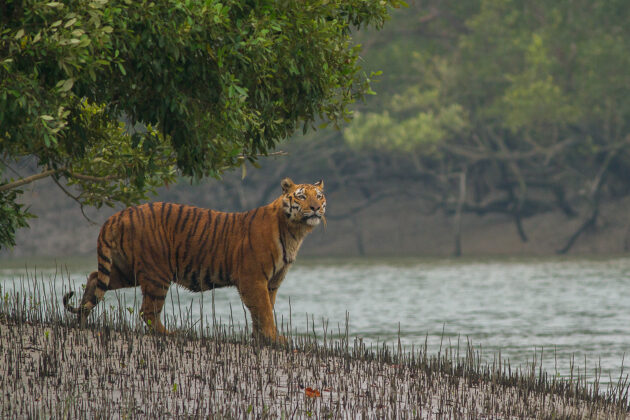
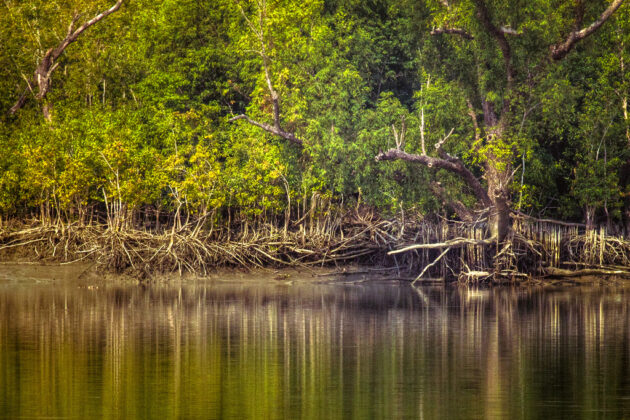
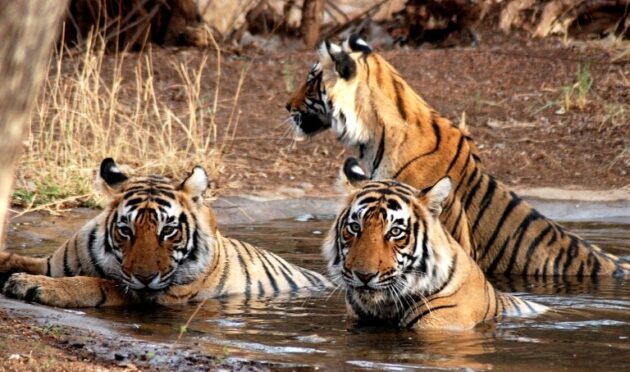
The Sundarbans in Bangladesh form the world’s largest mangrove forest, a vast UNESCO World Heritage Site (shared with India) covering about 6,000 km² of the Bangladeshi portion within the Ganges-Brahmaputra delta. This unique tidal ecosystem features dense mangroves, intricate waterways, and rich biodiversity, including the elusive Royal Bengal Tiger (estimated at around 125 adults in the Bangladesh side as of recent censuses).
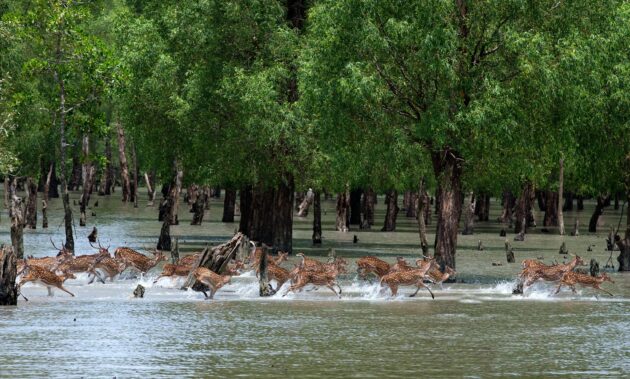
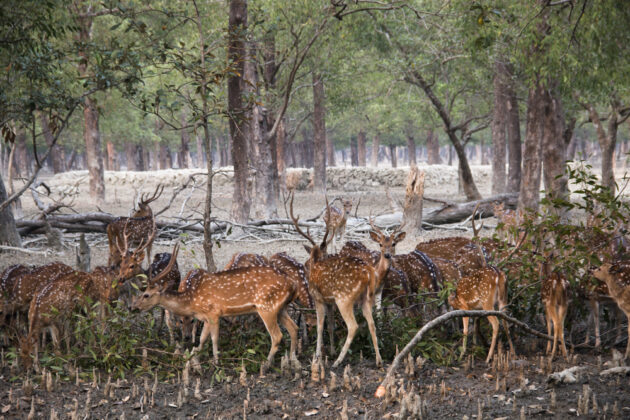
It serves as a critical habitat for spotted deer, saltwater crocodiles, Gangetic river dolphins, monkeys, wild boars, monitor lizards, and over 260 bird species. The forest blends stunning natural beauty with cultural elements, such as local fishing communities and traditions like honey collection (often April-May).
Note: This guide focuses on the Bangladesh side, which offers more remote and adventurous access compared to the Indian side (often visited via Kolkata with different rules and infrastructure).
Best Time to Visit
The optimal period is November to February (dry winter season). Weather stays cool and pleasant, skies clear, and wildlife gathers more visibly near water sources, improving spotting chances. October and March remain viable shoulder months.
Avoid the monsoon (June–September) due to heavy rains, strong winds, and flooding risks, which can cancel boats and limit access. Some operators run limited trips year-round, but conditions are less comfortable and sightings poorer.
How to Get There
Most visitors start from Dhaka or directly at the gateway towns of Khulna or Mongla (the practical entry points for boat safaris).
From Dhaka to Khulna/Mongla:
Bus: 6–8 hours (or overnight); comfortable AC options like Green Line, Shohagh, or Hanif (cost ~700–1,500 BDT).
Train: 8–9 hours from Kamalapur Station (e.g., Sundarban Express).
Air: Fly to Jessore (~1 hour), then bus/taxi to Khulna (~1–2 hours).
From Khulna or Mongla, all exploration happens by boat. Tour operators typically arrange pickup from these points and handle onward transport. Mongla offers a more direct port feel; Khulna provides better hotels and services beforehand.
Direct long-haul boats from Dhaka exist but are less common and extend the trip significantly.
Permits and Entry Requirements
You cannot visit independently for safety and conservation reasons. All tourists must use authorized tour operators with licensed guides and registered vessels.
Permits are mandatory and usually arranged by your operator (issued by the Bangladesh Forest Department, often via the Divisional Forest Office in Khulna).
Foreigners typically need a passport copy; additional fees apply (historically higher for internationals, e.g., around $100–110 USD in some packages, but check current rates).
Day-use spots have separate entry tickets via the official eco-tourism site.
Core sanctuary areas may have extra restrictions or higher fees. Night entry into the forest is prohibited; activities generally run sunrise to sunset.
Book through reputable operators listed on the official Bangladesh Forest Department eco-tourism portal (sundarbantourism.bforest.gov.bd), which features registered operators (168+), vessels (180+), and packages. This helps ensure compliance and supports conservation.
Tours and Activities
The only practical way to explore is by boat safari through the maze of rivers and creeks. Popular durations: 2–3 days / 2 nights — Most common (standard for first-timers). Longer options (up to a week) for deeper exploration.
Typical itinerary includes: Cruising narrow canals and wider rivers. Visiting eco-spots like Katka (tiger/bird watching, watchtowers), Kochikhali, Harbaria, Karamjal (ranger station, wildlife), Hiron Point, Dublar Char (island, fishing), and Kotka.
Short jungle walks (with armed guards/guide in designated areas), country boat rides into smaller creeks, birdwatching, and possible dolphin spotting. Watchtowers for elevated views; occasional night stays on the boat or basic eco-lodges. Cultural glimpses: Local villages, honey collectors’ stories, or Bonbibi folklore.
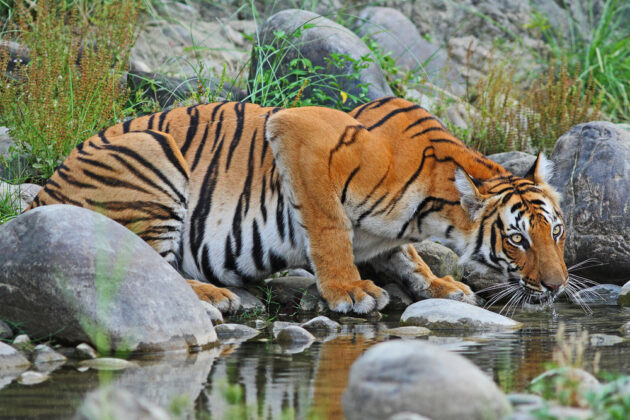
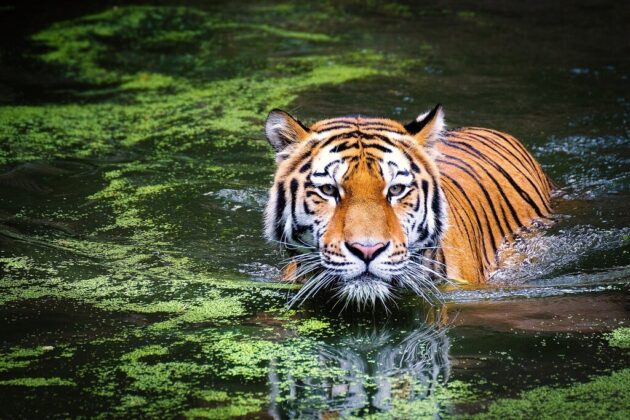
Wildlife viewing: Tigers are highly elusive (sightings are a bonus, not guaranteed—many visitors see pugmarks, deer, monkeys, crocodiles, and birds instead). Early morning/late afternoon on quieter boats improves chances. The thrill lies in the pristine mangrove scenery and the knowledge of tigers nearby.
Official eco-tourism options include one-day sightseeing tickets and overnight packages with boating/night safaris (bookable directly on the government site for select spots). Many private operators offer similar or more flexible liveaboard experiences with cabins, meals, and guides.
Costs (approximate, per person, as of recent info; vary by boat type, group size, AC/non-AC, and inclusions): Budget/standard 2N/3D: $150–450 USD (or 8,000–25,000 BDT). Luxury: Higher (up to $600+). Packages usually cover boat accommodation, meals (Bengali cuisine with fresh seafood), permits, guide, and activities. Transport to/from Khulna/Mongla and tips are often extra.
Choose licensed operators to avoid issues—check reviews and confirm vessel registration.
Where to Stay
Onboard boats — Primary option: Basic to comfortable cabins (shared or private, some with attached baths). Liveaboards provide an immersive experience.
Eco-lodges — Limited sustainable options near Mongla/Khulna or at select forest stations (e.g., basic resorts supporting local communities).
Pre/post-tour: Hotels in Khulna (e.g., City Inn, Grand Placid) or Mongla.
Camping is restricted; no independent backcountry stays.
What to Pack and Practical Tips
Essentials: Binoculars, camera with zoom, insect repellent (mosquitoes can be an issue), sunscreen, hat, light long-sleeved clothing, sturdy shoes for walks, rain gear (even in dry season), reusable water bottle, basic first-aid/medicine, power bank (limited electricity on some boats).
Drink bottled/purified water; eat fresh local seafood and vegetables.
Souvenirs: Wild honey (if in season), bamboo/wood crafts.
Respect rules: No littering, no feeding wildlife, stay with your group/guide, no loud noises.
Safety: The area is generally safe for tourists on organized tours. Tigers and crocodiles pose risks mainly to locals entering illegally; follow guides strictly (armed guards often accompany walks). Mosquito-borne diseases are a bigger concern—use repellent and consult a doctor for malaria precautions. Life jackets are provided on boats.
Responsible Travel
Support conservation by using official/registered operators, minimizing plastic waste, and respecting the fragile ecosystem. Tourism helps local communities but must remain low-impact to protect this vital habitat facing climate change and other pressures.
For the latest details, check the official eco-tourism site (sundarbantourism.bforest.gov.bd) for packages and operators, or contact the Forest Department in Khulna. Book in advance, especially in peak season (Nov–Feb). Enjoy the raw beauty of the mangroves—it’s an unforgettable, serene adventure!
If you have specifics (budget, group size, dates, or focus like photography/birding), I can help refine recommendations.