
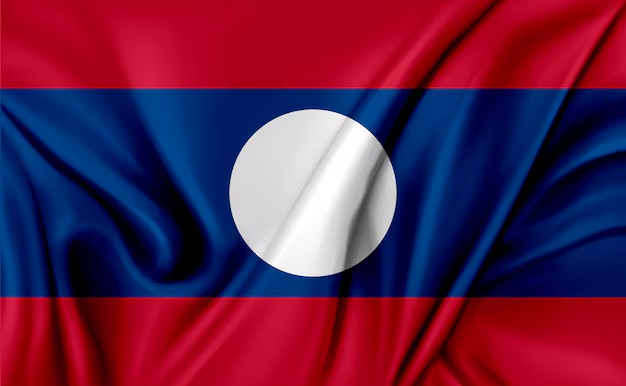
Laos Travel Guide (2026)
Laos, often called Southeast Asia’s hidden gem, offers a laid-back pace, stunning natural landscapes, rich Buddhist culture, and warm hospitality. It’s a landlocked country with dramatic karst mountains, the mighty Mekong River, ancient temples, and vibrant ethnic diversity. Unlike its busier neighbors (Thailand or Vietnam), Laos emphasizes slow travel, outdoor adventures, and authentic experiences.
Best Time to Visit
Dry season (November–April): This is the most popular time, with cooler temperatures (especially November–February) and minimal rain, making it ideal for trekking, river activities, and sightseeing. December–February can feel chilly in the north at night. March–April gets very hot (up to 35°C+).
Wet season (May–October): Heavy rains (especially August–September in the south) turn the countryside lush green, waterfalls flow powerfully, and crowds thin out. Roads can be muddy, but shorter showers are common earlier in the season.
Peak recommendation: November–February for comfortable weather, though expect higher prices and more visitors in spots like Luang Prabang. Shoulder periods (October or March) balance scenery and crowds.
Visa and Entry
Most nationalities need a visa. Options include:
Visa on Arrival (30 days, ~$30–50 USD): Available at major airports (Vientiane, Luang Prabang, Pakse) and some land borders. Bring cash and passport photos if needed.
eVisa (apply online at laoevisa.gov.la, ~$45–50, processed in days): Convenient for planning.
Passport must be valid for at least 6 months with 2 blank pages.
Extensions are possible in Vientiane. Check official sites for updates, as rules can evolve. No specific vaccinations are required, but routine ones (including measles) are advised.
Top Places to Visit
Luang Prabang
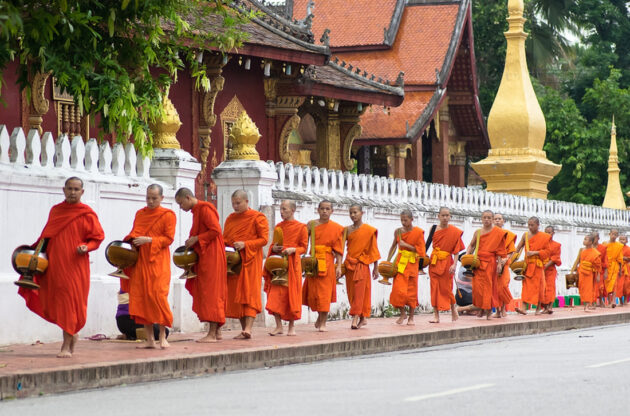
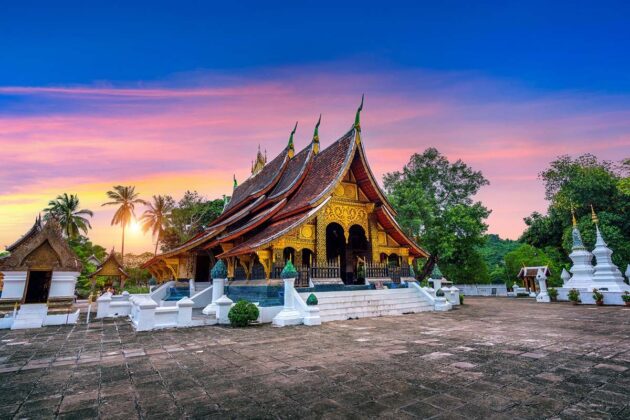
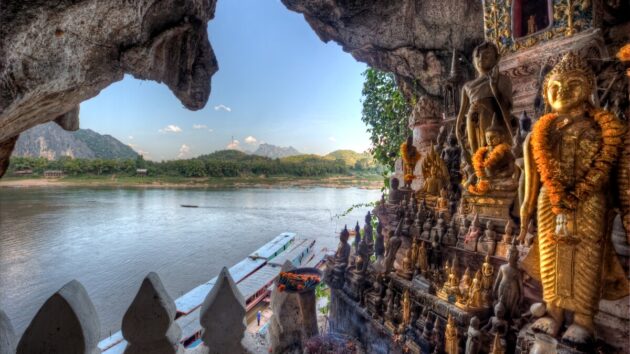
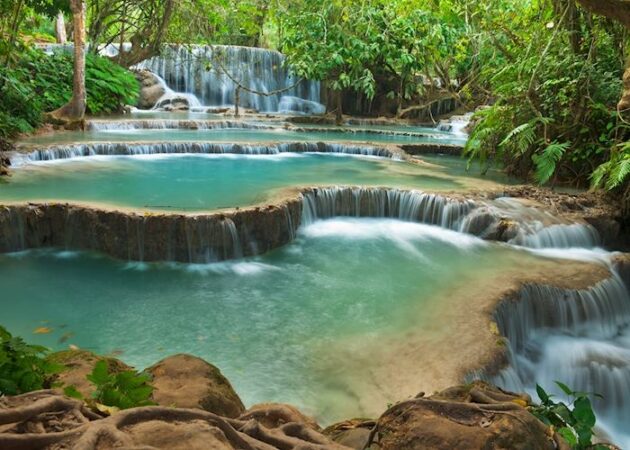
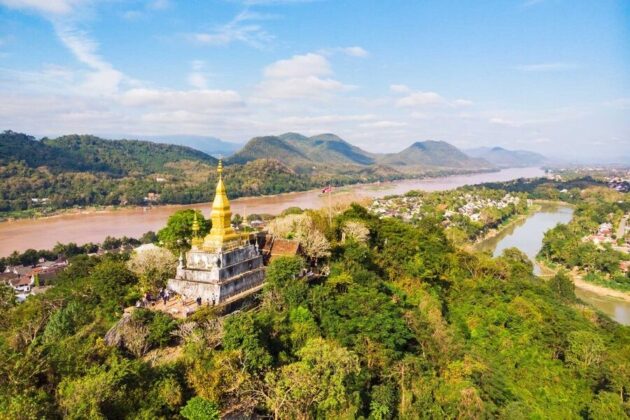
A serene former royal capital with French colonial architecture, golden temples (visit Wat Xieng Thong), morning alms-giving by monks, night markets, and nearby Kuang Si Waterfalls (turquoise pools perfect for swimming). Relaxed vibe with great cafes and Mekong sunsets.
Vang Vieng
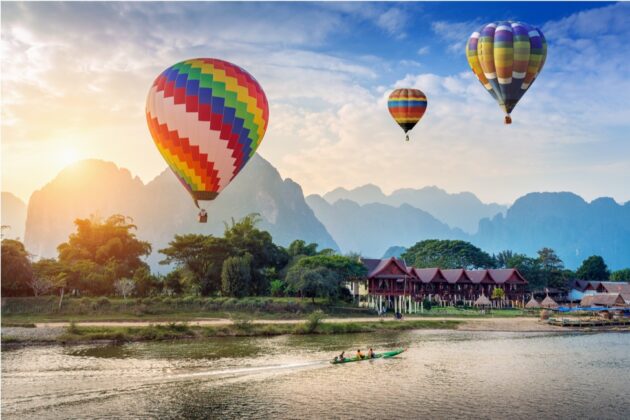
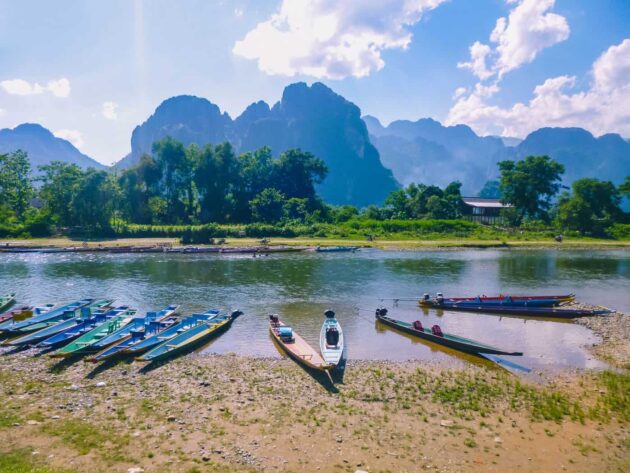
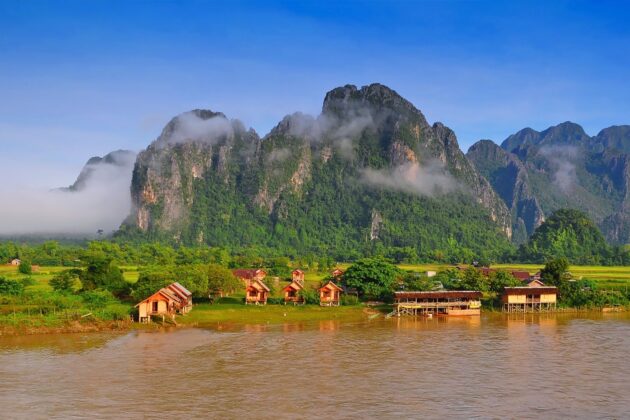
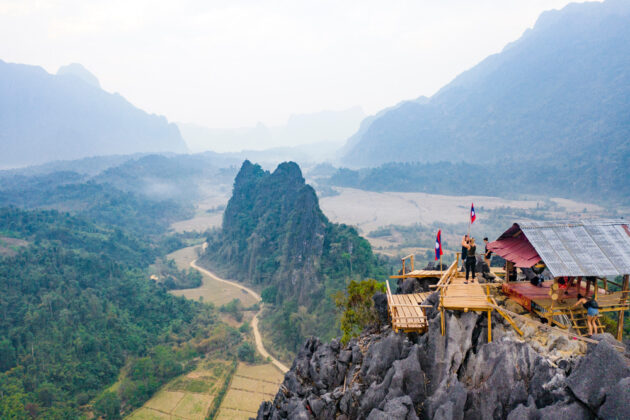
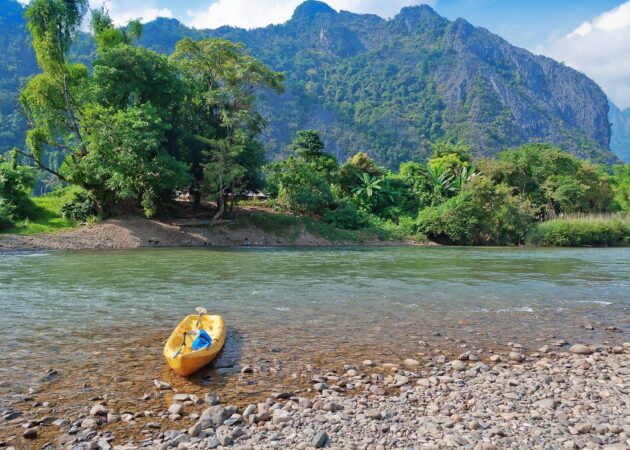
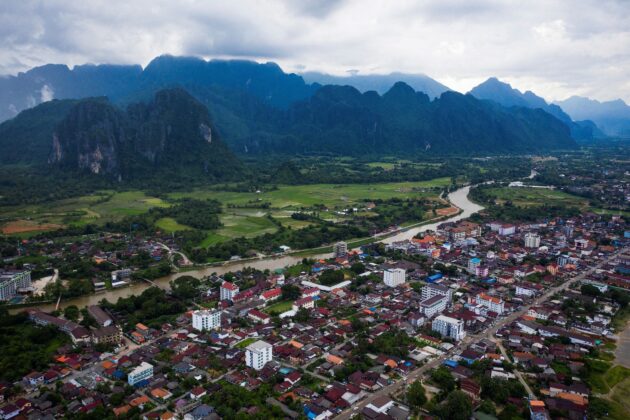
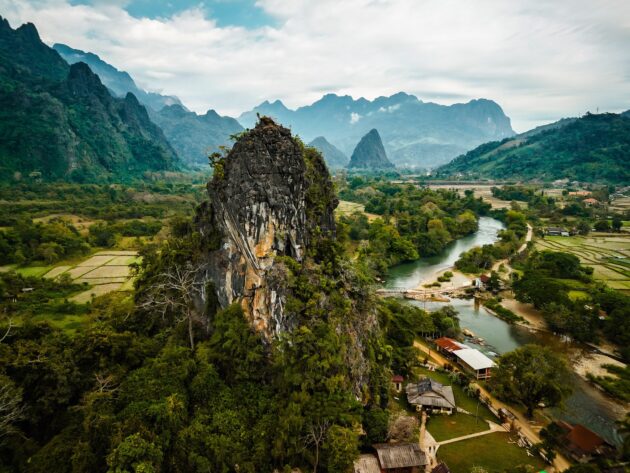
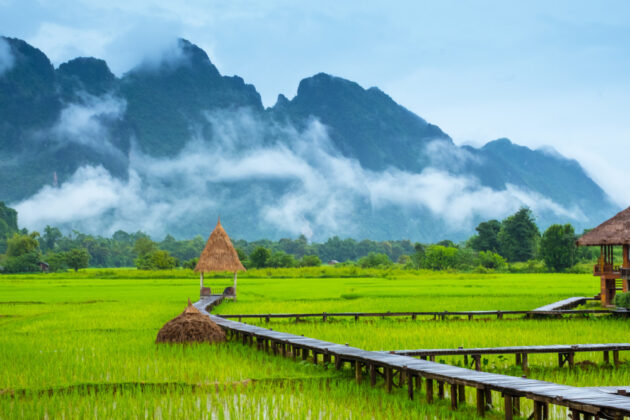
Vang Vieng, Laos, sits along the Nam Song River amid dramatic limestone karst mountains, rice paddies, and caves. Once notorious as a backpacker party hub with river tubing, it has evolved into an eco-adventure destination focused on nature, outdoor activities, and a more relaxed vibe, while retaining some nightlife and budget appeal.
Vientiane
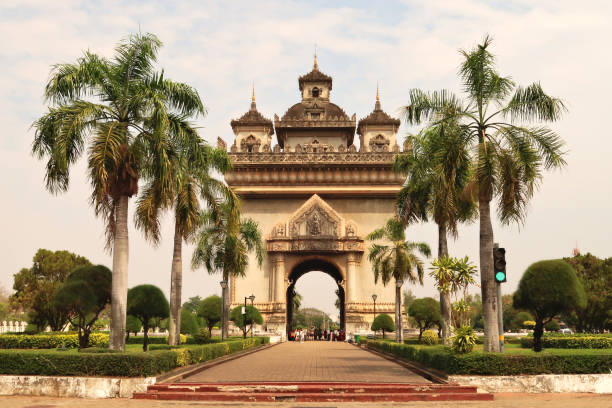
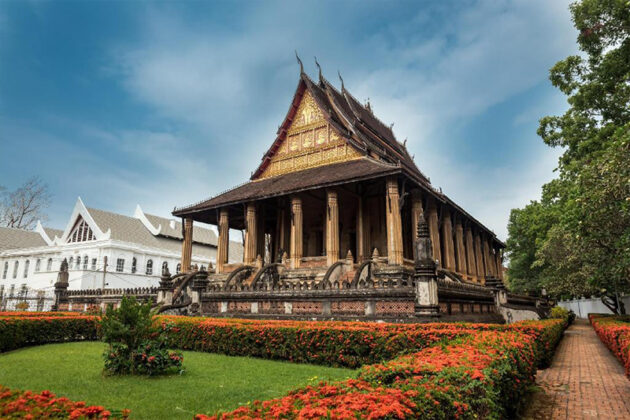
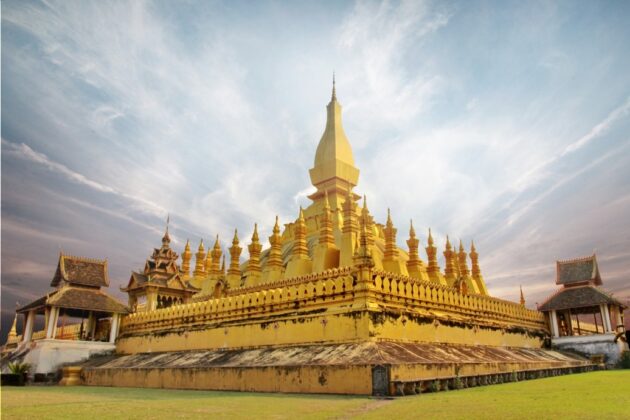
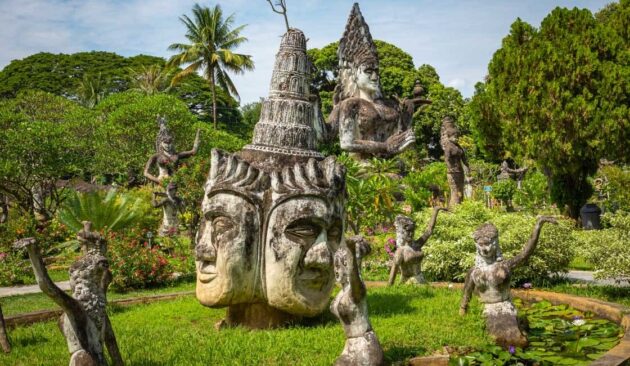
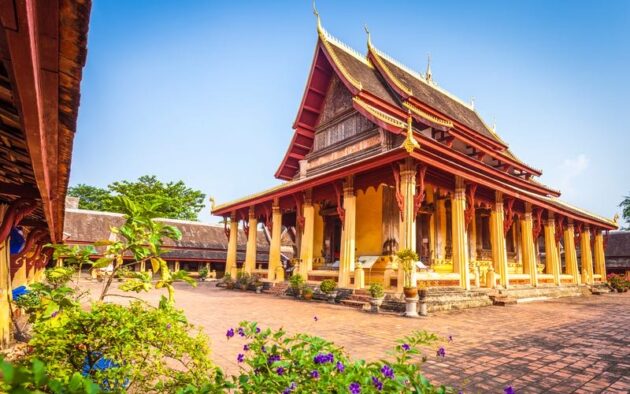
Vientiane (ວຽງຈັນ), the capital of Laos, is one of Southeast Asia’s most relaxed and understated cities. Situated on the banks of the Mekong River, it blends French colonial architecture, golden Buddhist temples, lively markets, and a laid-back riverside vibe. Unlike bustling neighbors like Bangkok or Hanoi, Vientiane feels slow-paced and charmingly low-key—perfect for temple-hopping, Mekong sunsets, and sampling Lao cuisine without the crowds.
Si Phan Don (4,000 Islands)
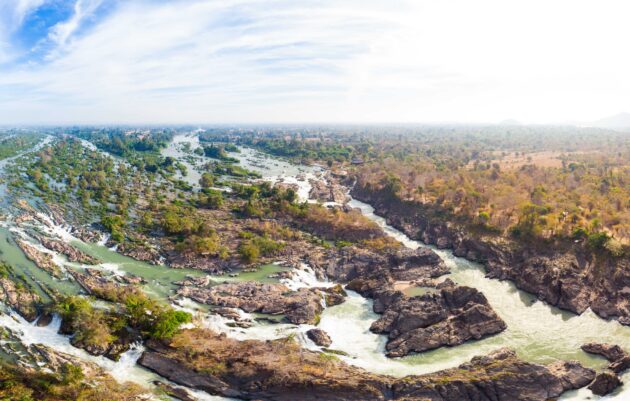
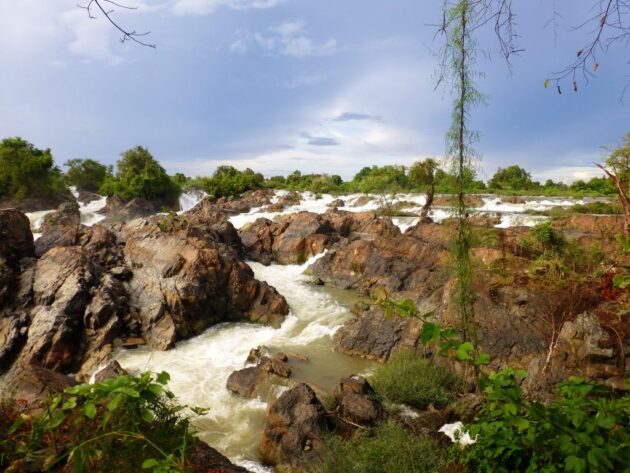
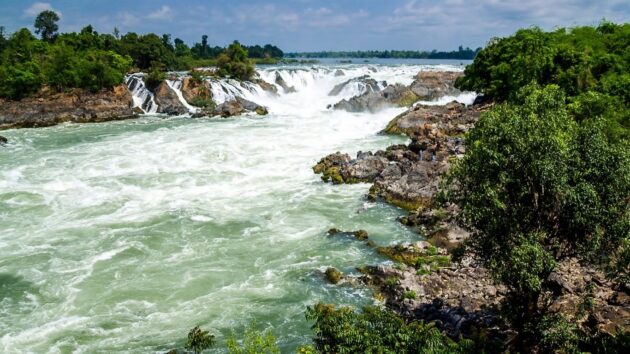
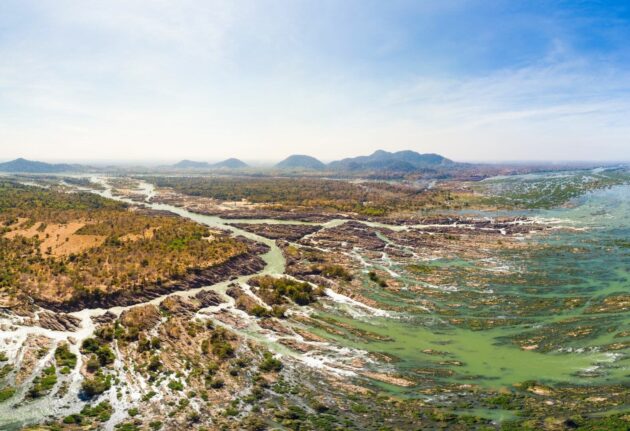
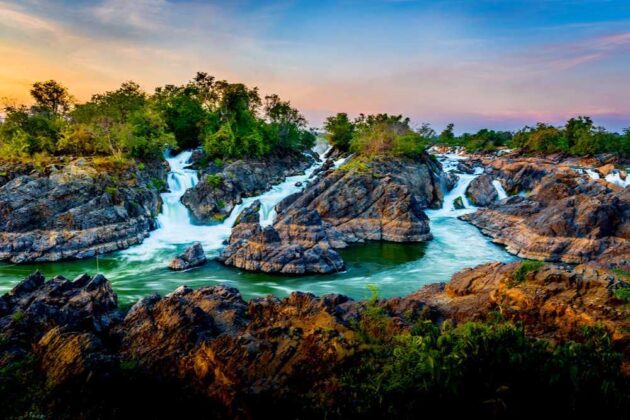
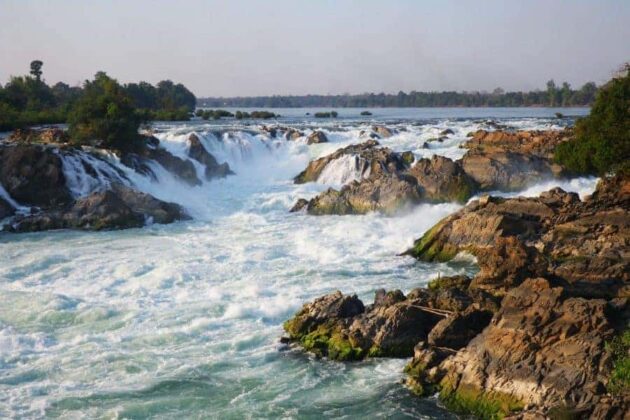
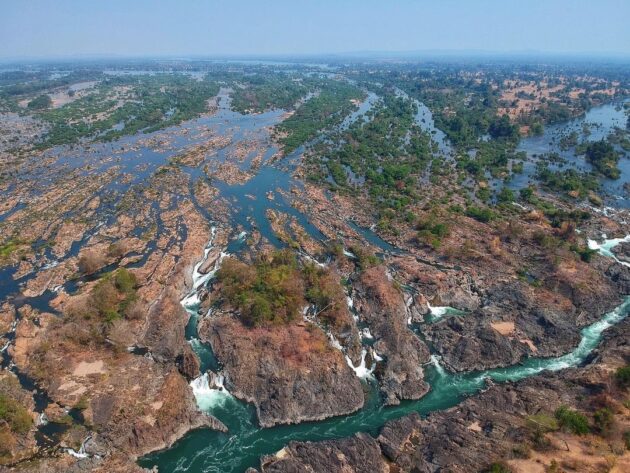
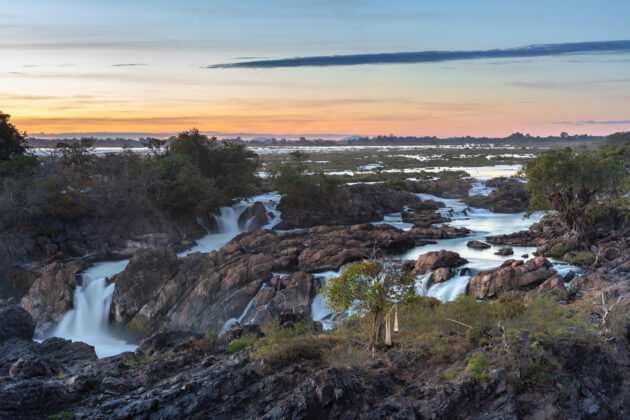
Si Phan Don (also known as the 4,000 Islands) is a serene archipelago in southern Laos where the mighty Mekong River spreads out into thousands of islets, creating a laid-back paradise of rice paddies, fishing villages, waterfalls, and hammock-filled bungalows. It’s one of Laos’ most relaxing destinations, ideal for slowing down, cycling quiet paths, watching spectacular sunsets, and experiencing authentic riverside life.
Getting There and Around
Flights: International arrivals mainly at Vientiane (VTE) or Luang Prabang (LPQ). Domestic flights connect major towns affordably.
Overland: Common from Thailand (via Friendship Bridges), Vietnam, or Cambodia. The China-Laos railway offers a modern, scenic option (Vientiane to Luang Prabang and beyond).
Within Laos: Buses/minivans (book VIP for comfort), tuk-tuks/songthaews in towns, rented scooters/bikes (popular but drive cautiously—roads are winding and conditions vary). River boats on the Mekong add charm but take longer. Domestic flights save time for longer distances.
Practical Tips
Currency: Lao Kip (LAK). US dollars and Thai baht are widely accepted in tourist areas; carry cash as Laos is still largely cash-based (ATMs available in cities). Credit cards work mainly at upscale spots.
Money & Costs: Budget travel is affordable (~$30–60/day for mid-range including food, lodging, transport). Luxury options are emerging.
SIM/Internet: Buy a local SIM (Unitel often recommended for coverage) at airports or shops for data. Wi-Fi is common in hotels/cafes but can be spotty in rural areas.
Food: Try sticky rice (eaten by hand), laap (minced meat salad), tam mak hung (papaya salad), grilled meats, and Mekong fish. Street food and markets are highlights—opt for hot, freshly cooked dishes. Vegetarian options exist.
Health & Safety: Drink bottled/filtered water. Use mosquito repellent (dengue/malaria risk in some rural/southern areas; consult a doctor for prophylaxis if needed). Laos is generally very safe with low crime, but watch for road accidents (main risk), petty theft in tourist spots, and unexploded ordnance (UXO)—stick to paths in former conflict areas like the Plain of Jars. US State Department advises increased caution overall due to civil unrest in limited areas (e.g., reconsider Xaisomboun Province) and UXO risks in certain provinces. Enroll in STEP and get travel insurance.
Etiquette: Dress modestly (cover shoulders/knees at temples). Remove shoes before entering homes/temples. Don’t touch heads or point feet at people/Buddha images. Be respectful during alms-giving (observe quietly). Laos is conservative—avoid public affection.
Final Thoughts
Laos shines for those seeking nature, culture, and tranquility. Pack light layers, comfortable shoes for walking/hiking, and an open mind—things run on “Lao time.” Always verify current advisories, visa rules, and transport schedules before travel, as conditions can change. Safe journeys!