
Luang Prabang Travel Guide (2026)
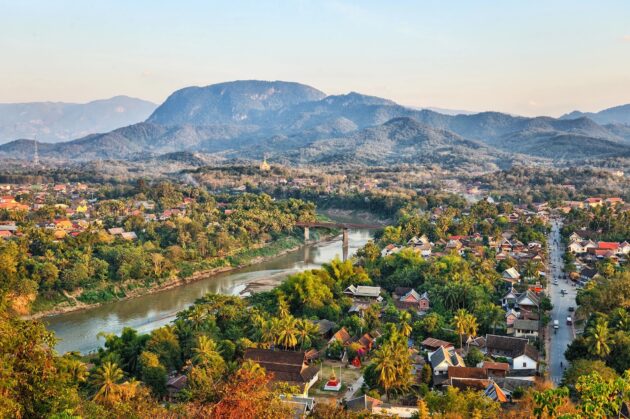
Luang Prabang, a UNESCO World Heritage Site in northern Laos, sits at the confluence of the Mekong and Nam Khan rivers. It blends serene Buddhist temples, French colonial architecture, lush mountains, and a laid-back vibe that makes many travelers extend their stay. The town feels spiritual and charming, with saffron-robed monks, golden stupas, and a mix of cultural immersion and natural beauty.
Best Time to Visit
The ideal period is the cool, dry season from November to February, with comfortable temperatures (around 15–25°C/59–77°F) and clear skies perfect for sightseeing and outdoor activities. This is peak season, so expect more crowds, especially around Christmas/New Year and during Chinese/Vietnamese New Year periods—book accommodations in advance.
Shoulder months (March, October) offer a good balance of milder crowds and decent weather. Avoid the hot season (March–April, very humid) and rainy season (May–October, with afternoon showers that can make roads slippery but keep landscapes green).
How to Get There
By air: Luang Prabang International Airport (LPQ) has direct flights from Bangkok, Hanoi, Ho Chi Minh City, and other regional hubs. It’s a short, convenient flight from many Southeast Asian cities.
By land/train: The high-speed railway connects from Vientiane (and onward to China). Buses or minivans run from Vang Vieng or Vientiane, though roads can be winding and scenic (or bumpy).
By boat: The classic slow boat from Huay Xai (near the Thai border) offers a relaxing multi-day Mekong journey—highly recommended for the views if you have time.
Tuk-tuks or songthaews handle airport transfers cheaply.
Top Things to Do
Witness the Morning Alms-Giving Ceremony (Tak Bat)
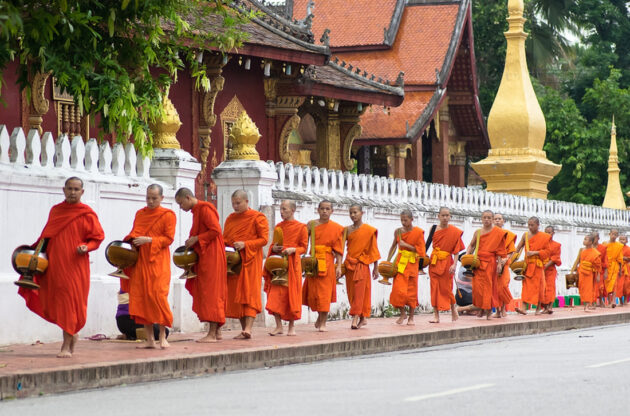
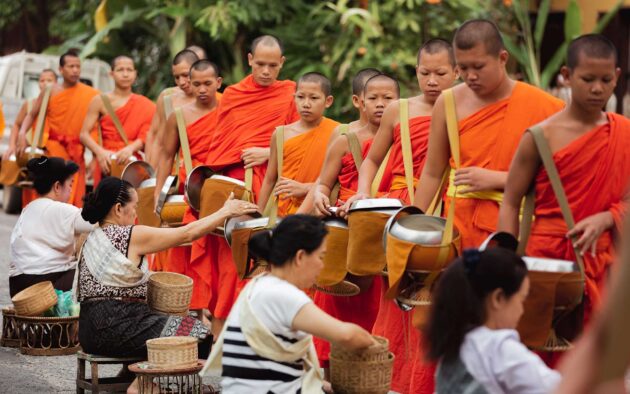
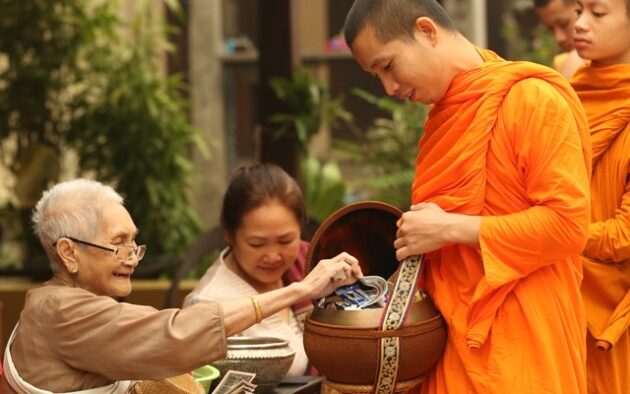
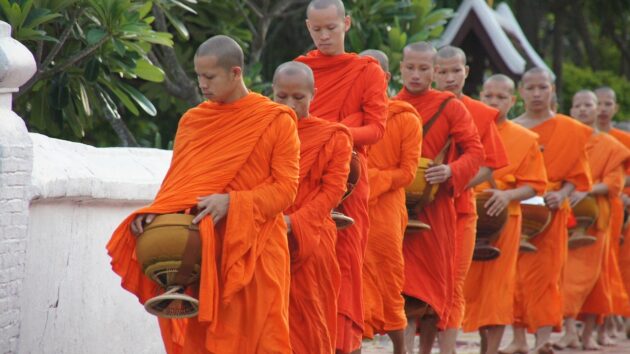
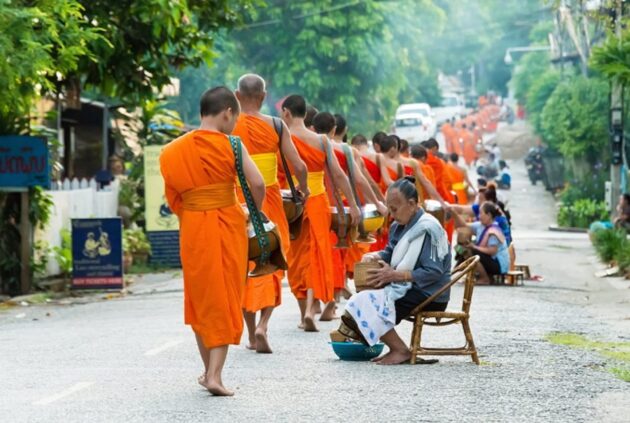
In Luang Prabang, Laos, witnessing the morning alms-giving ceremony, known as Tak Bat, is a deeply spiritual and humbling experience that connects locals and visitors alike to centuries-old Buddhist traditions. Just as dawn begins to cast a golden glow over the Mekong River, rows of saffron-robed monks silently walk through the streets, carrying alms bowls to receive offerings of sticky rice from kneeling villagers.
Wat Xieng Thong
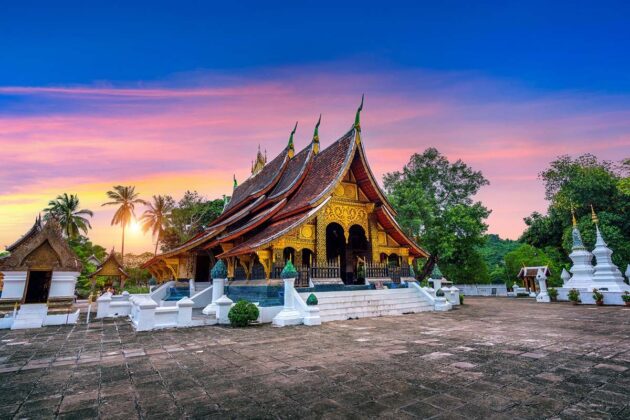
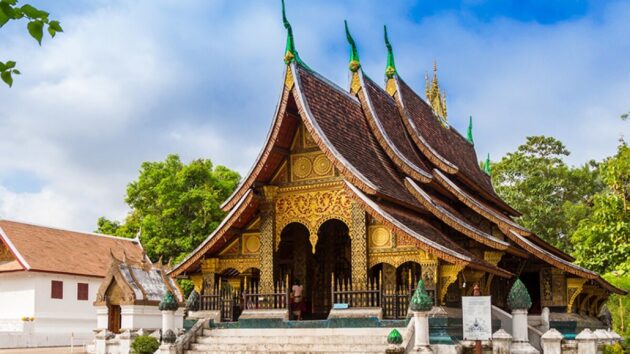
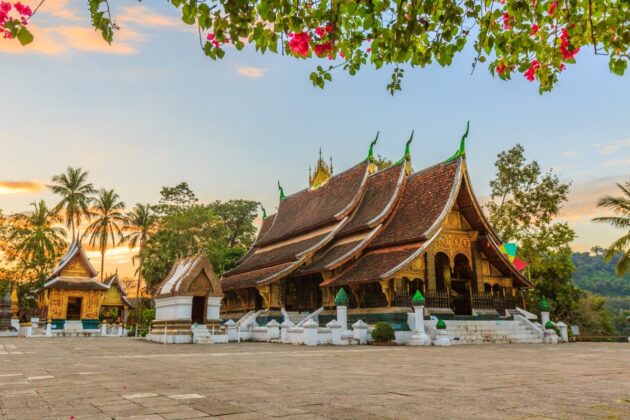
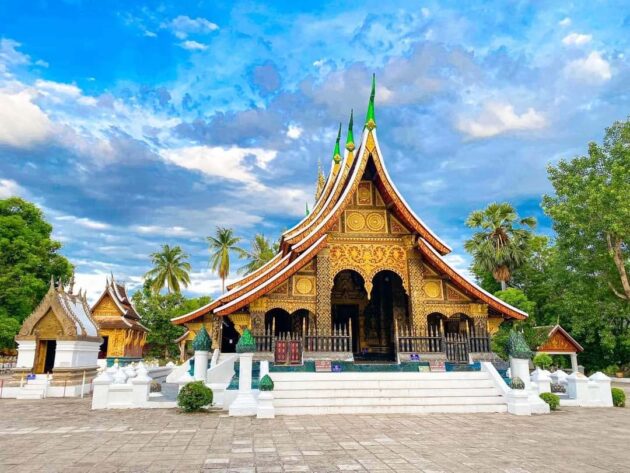
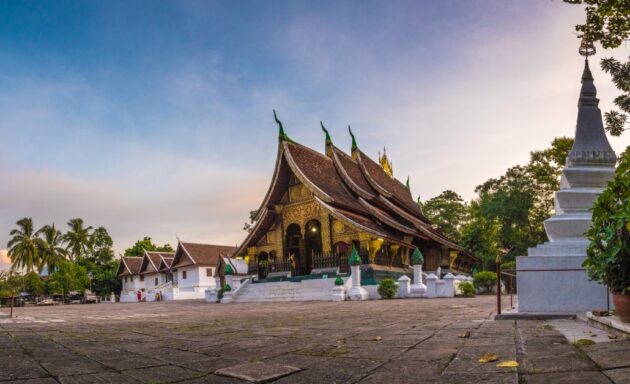
Wat Xieng Thong, located in Luang Prabang, Laos, is one of the most significant and revered Buddhist temples in the country, renowned for its exquisite Lao architecture and serene riverside setting. Built in the 16th century, the temple features sweeping, multi-tiered roofs, intricate mosaics—most notably the stunning “Tree of Life”—and a golden stupa that embodies classical Luang Prabang style.
Phousi Hill
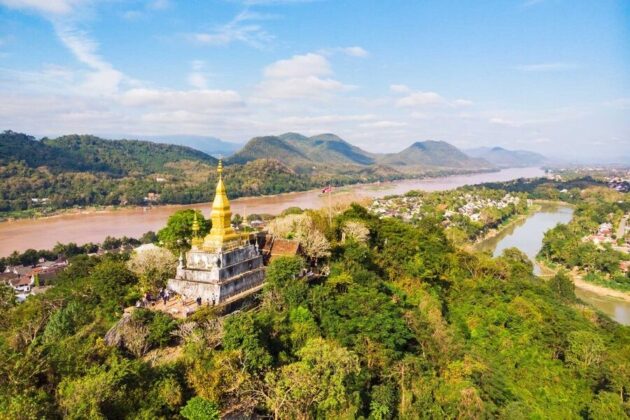
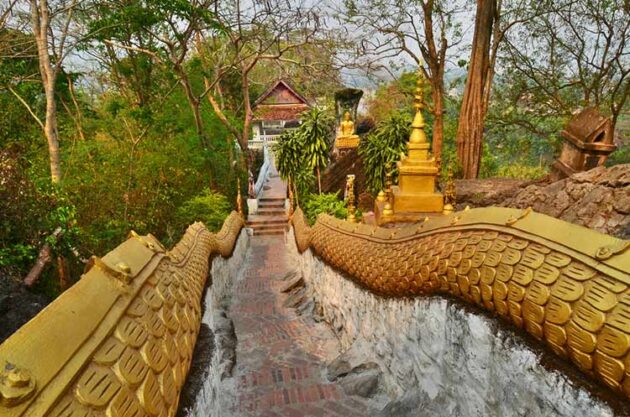
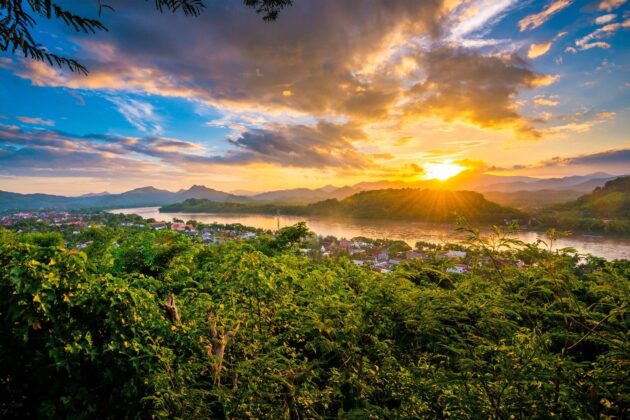
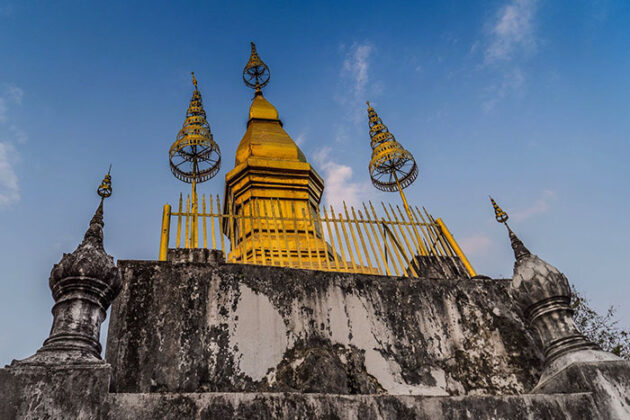
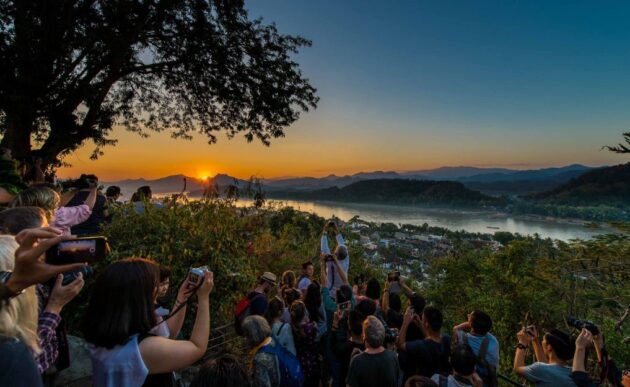
Phousi Hill in Luang Prabang, Laos, is a sacred, temple-topped hill offering breathtaking panoramic views of the town, the Mekong and Nam Khan rivers, and the surrounding lush landscape. A climb up its 355 steps, flanked by fragrant frangipani trees and guarded by mythical nagas, leads visitors past several small shrines and golden Buddhas, culminating at the Wat Chom Si temple.
Kuang Si Waterfalls
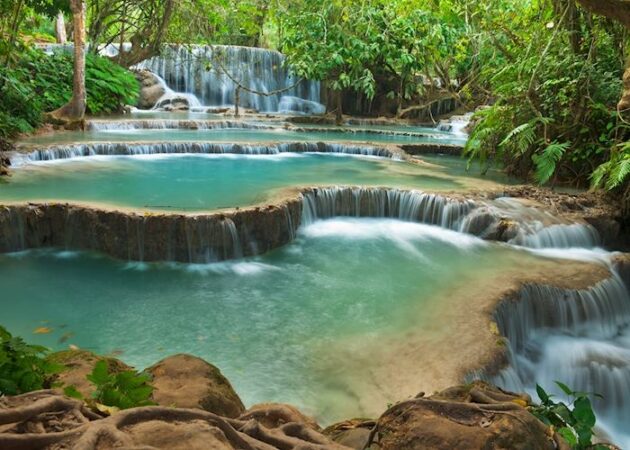
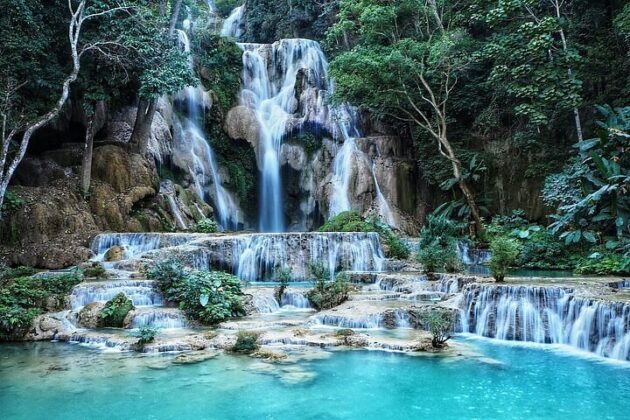
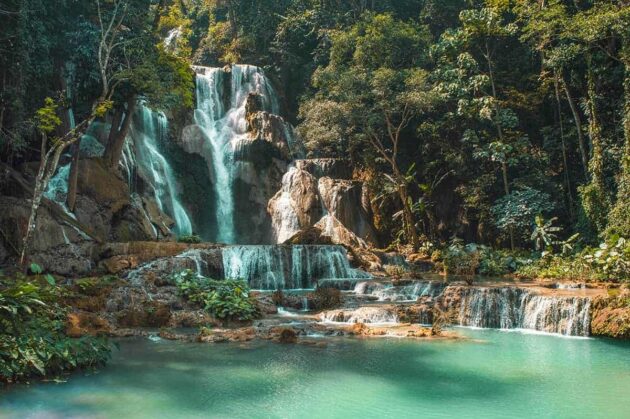
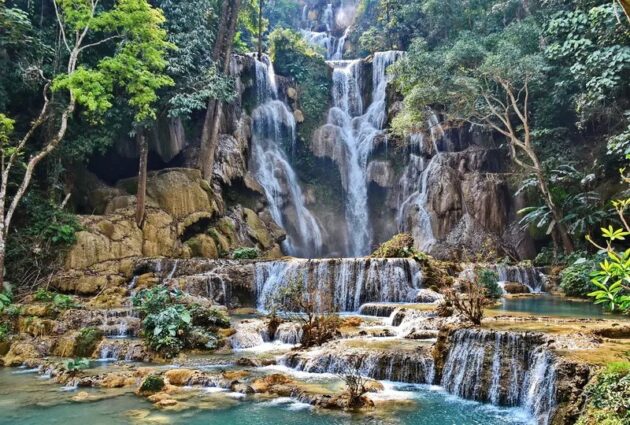
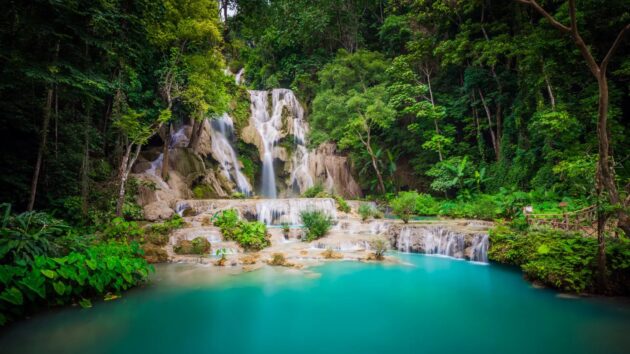
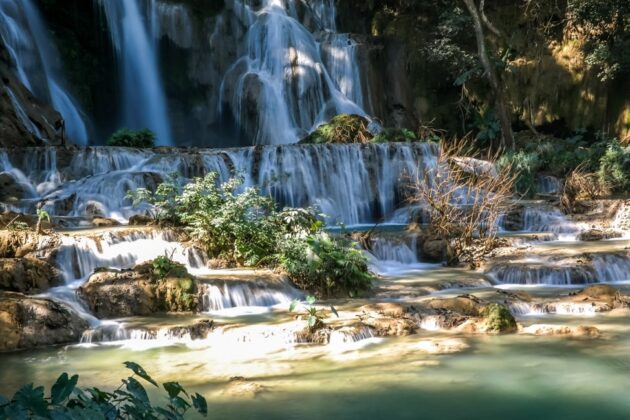
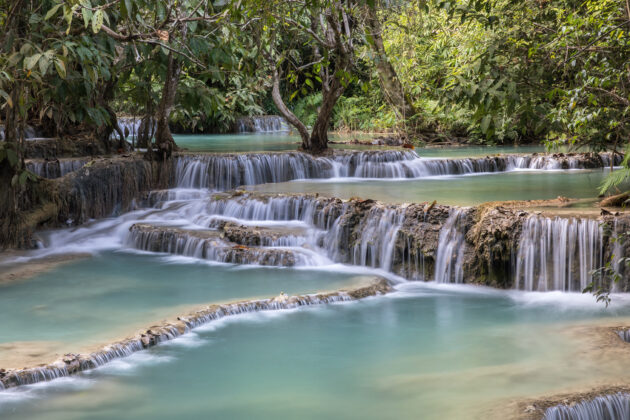
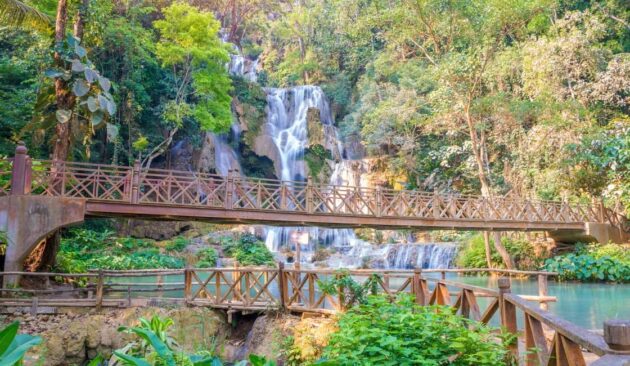
Kuang Si Waterfalls (also known as Tat Kuang Si or Kuang Xi Falls) is one of the most stunning natural attractions near Luang Prabang, Laos. This multi-tiered travertine waterfall cascades about 50–60 meters down limestone formations into a series of vibrant turquoise and emerald pools, surrounded by lush jungle. It’s a perfect day trip for swimming, hiking, photography, and relaxation.
Pak Ou Caves
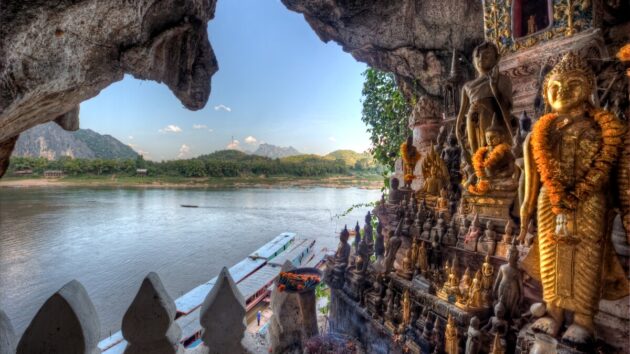
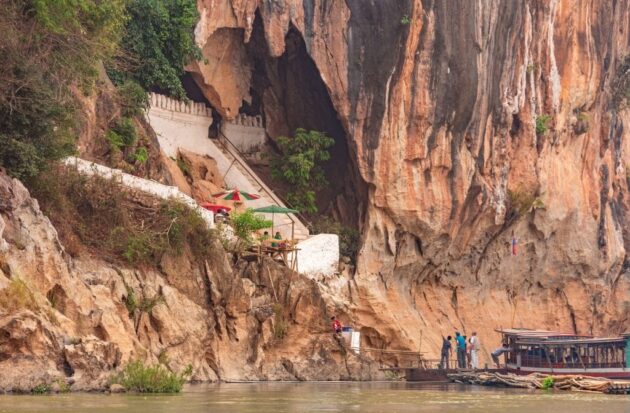
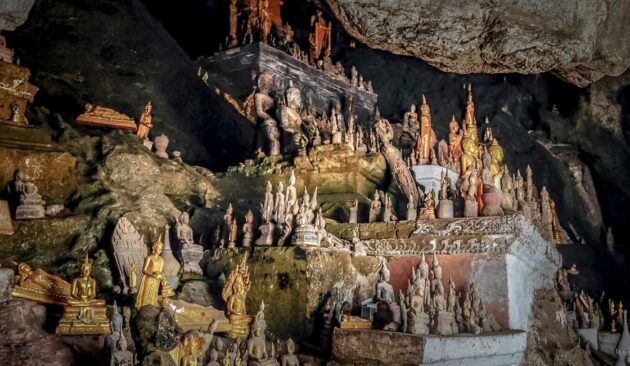
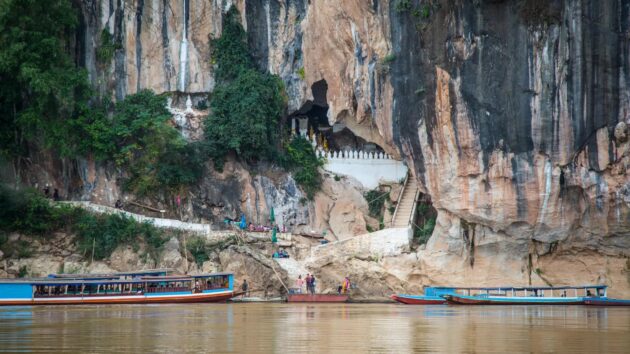
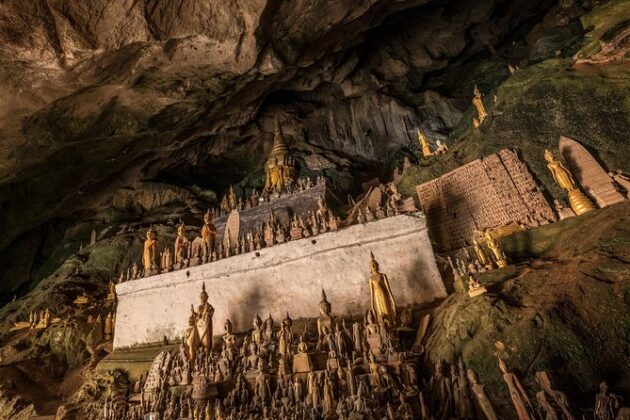
The Pak Ou Caves in Luang Prabang, Laos, are a sacred riverside site nestled at the confluence of the Mekong and Nam Ou rivers, renowned for housing thousands of Buddha figures of various sizes and styles. Accessible by a scenic boat ride, these two main caves—the lower Tham Ting and the upper Tham Theung—have been used for centuries by locals as a place of pilgrimage and by kings as a symbol of their spiritual devotion.
Night Market
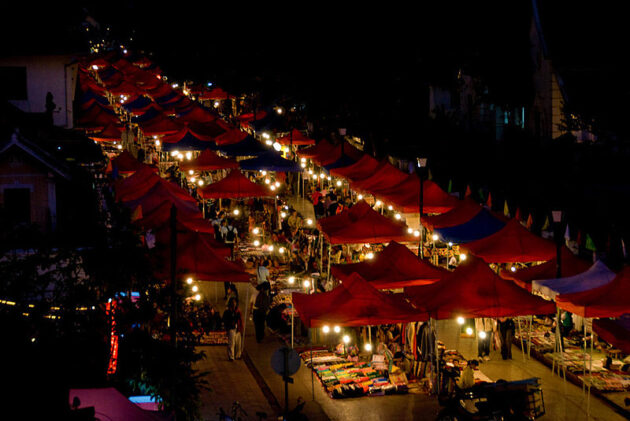
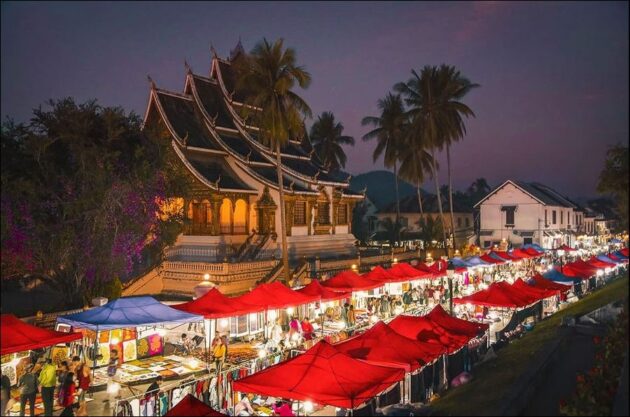
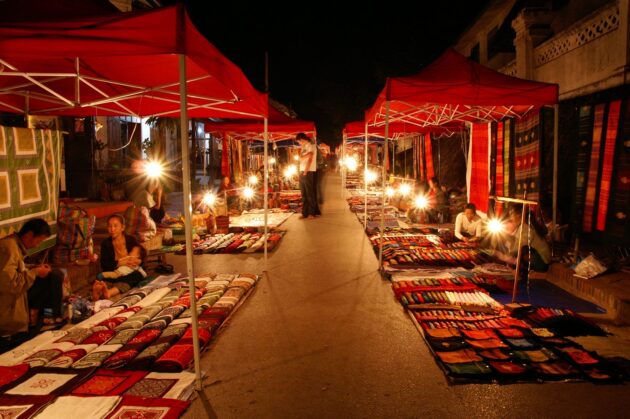
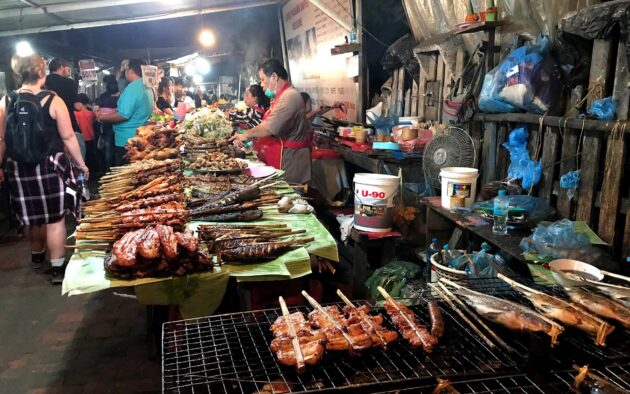
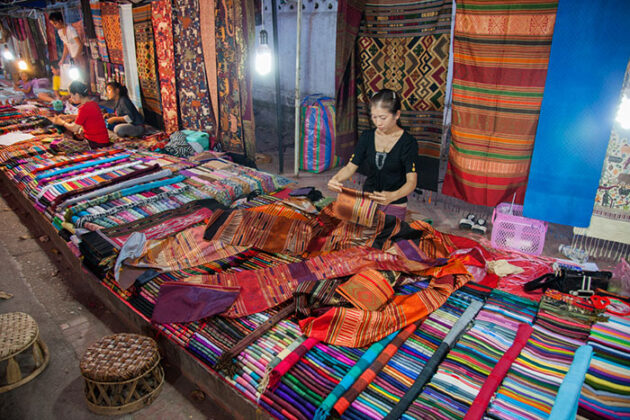
Stroll Sisavangvong Road (closed to traffic) for handicrafts, textiles, lanterns, and souvenirs. Bargain politely. A separate food alley offers Lao street eats.
Food and Markets
Lao cuisine shines here: try sticky rice, laap (minced meat salad), or lam (stew), grilled Mekong fish, and fresh papaya salad. Street food is cheap and flavorful.
Morning Market: Local vibe with fresh produce, noodles, and ingredients—great for authentic breakfast.
Night Market Food Stalls: BBQ, noodle soups, vegetarian buffets, fried insects (for the adventurous), and coconut pancakes. Prices are low (dishes ~20,000–30,000 LAK).
Sit-down spots: Cafes with French-Lao fusion (croissants, coffee), riverside restaurants, or places like Tamarind for cooking classes.
Budget eating keeps daily food costs low.
Where to Stay
Options range from budget guesthouses (~$10–30/night) in the old town to boutique hotels in colonial buildings or riverside resorts (higher end). Central areas near the night market and temples are convenient for walking. Book ahead in peak season.
Getting Around
The old town is very walkable. Use tuk-tuks for longer distances or to waterfalls/caves (negotiate fares). Rent bicycles or scooters for flexibility. Shared tours are efficient for day trips.
Practical Tips
Currency: Lao Kip (LAK); USD accepted in tourist areas, but carry small bills. ATMs available. Credit cards work at some spots.
Safety: Generally very safe for tourists, with low violent crime. Watch for petty theft in crowds (e.g., night market). Be cautious of unexploded ordnance (UXO) if venturing off paths in rural areas—stick to marked trails. Respect temple etiquette: modest dress, remove shoes, no touching statues.
Health: Drink bottled water; mosquito repellent for evenings. No mandatory vaccines, but check routine ones.
Budget: Budget travelers can manage $40–70/day (including food, basic lodging, activities). Mid-range is higher with tours/hotels.
Etiquette: Dress modestly at religious sites. The town has a peaceful, spiritual feel—keep noise down, especially near temples.
Final Thoughts
Luang Prabang rewards slow travel: wander alleys, chat with locals, and soak in the riverside sunsets. Plan 3–5 days minimum, or longer to unwind. It’s a gentle introduction to Laos, combining culture, nature, and relaxation seamlessly. Safe travels!