
Mount Kinabalu Travel Guide (2026)
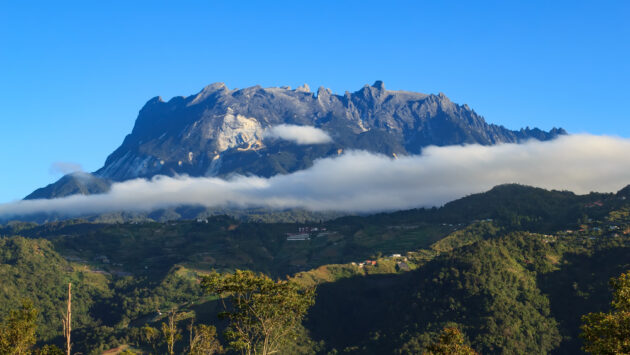
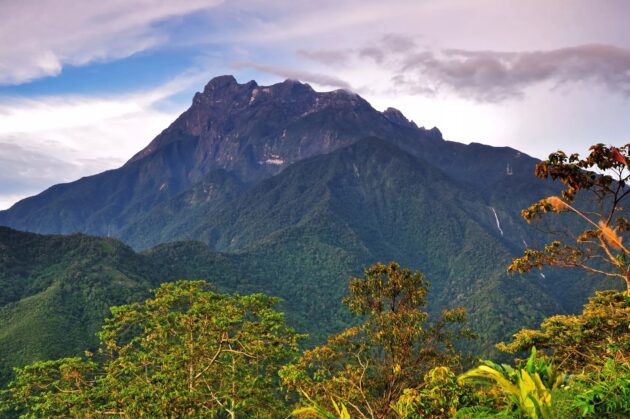
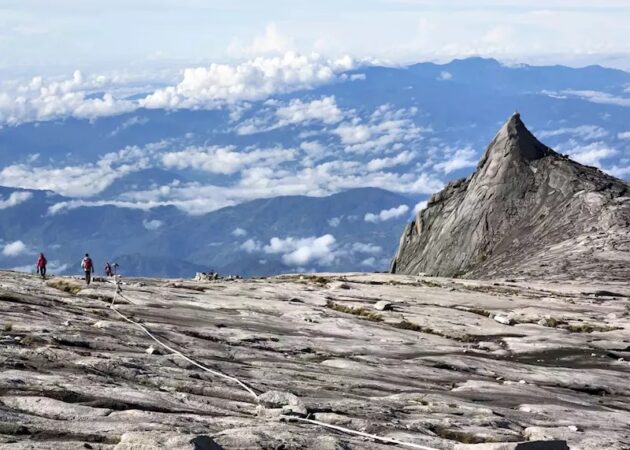
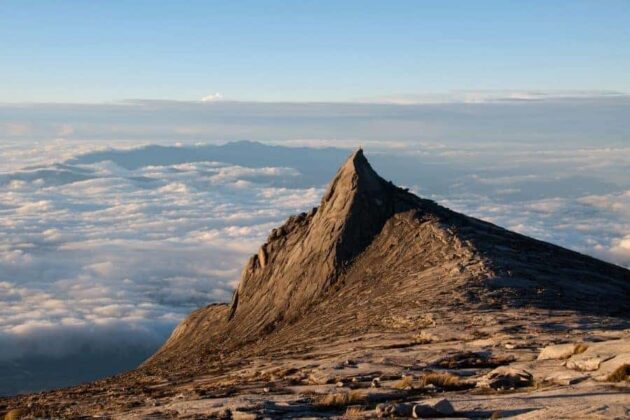
Mount Kinabalu (Gunung Kinabalu) is the highest mountain in Malaysia and Southeast Asia, standing at 4,095 meters (Low’s Peak). Located in Kinabalu National Park (a UNESCO World Heritage Site) in Sabah, Borneo, it offers stunning biodiversity, dramatic granite peaks, and a challenging but non-technical climb suitable for fit beginners.
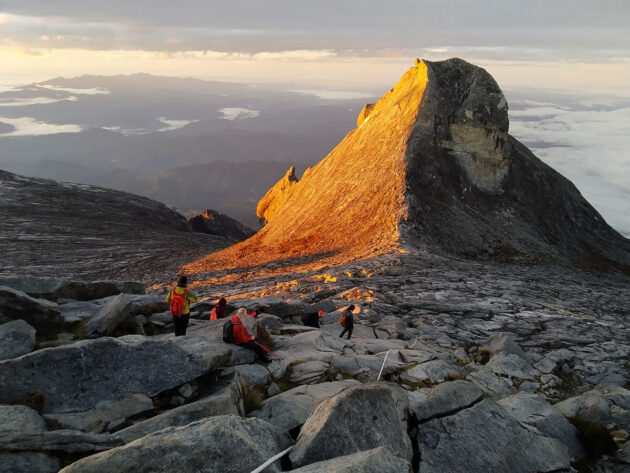
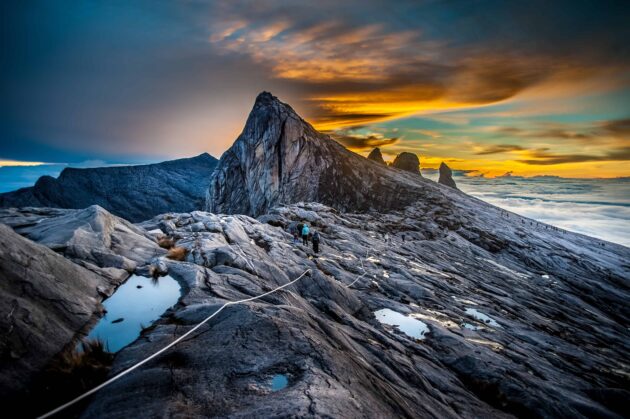
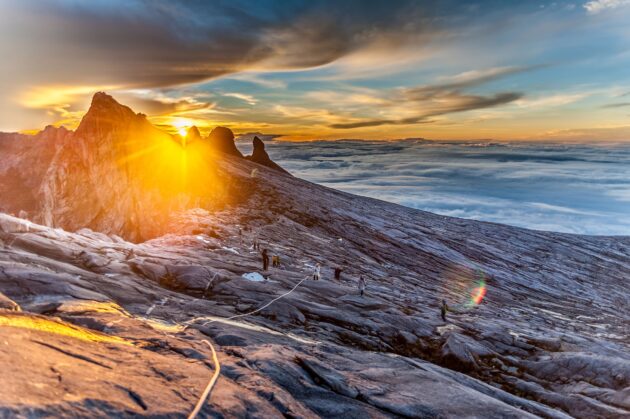
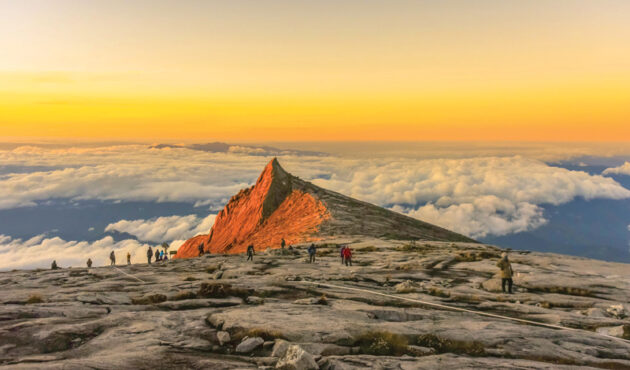
The climb features diverse ecosystems—from tropical rainforest to alpine meadows and rocky summits. Many reach the summit for a spectacular sunrise, though weather can be unpredictable.
Best Time to Visit
The dry season (March to September) is ideal, with lower rainfall and better visibility. March–April often provides the clearest skies but sees crowds. July–September can have some rain but remains feasible.
Avoid the northeast monsoon (October–January/February), when heavy rain makes trails slippery and summits may close due to weather. Shoulder months like February can offer a balance of fewer crowds and decent conditions. Always check forecasts, as the mountain has its own microclimate.
How to Get There
Fly into Kota Kinabalu (KK): The main gateway is Kota Kinabalu International Airport (BKI).
To Kinabalu Park HQ (about 2 hours / ~90–100 km):
Shared minivans/taxis from KK city (around RM15–25 per person, depart when full).
Scheduled shuttles or private transfers (more comfortable, bookable via tour operators).
Buses from KK North Bus Terminal to Ranau/Sandakan routes also pass the park.
Stay a night at or near the park before climbing for better acclimatization.
Permits, Bookings, and Requirements
Mandatory guide: All climbers need a registered mountain guide (1 guide per up to 5 climbers). Book via Sabah Parks or through tour packages.
Daily climber limit: Around 163 permits per day—slots fill up months in advance, especially in peak season. Book early (ideally 6+ months ahead).
Climbing permits (as of recent data; confirm current rates): International adults: RM400; Malaysian adults: RM100; Plus conservation/entrance fees, insurance (~RM10), and guide fees (e.g., RM350 for Timpohon–Low’s Peak for up to 5 people).
Packages are easiest for most travelers. They include permits, guide, accommodation at Panalaban (e.g., Laban Rata Resthouse), meals, and transfers. Prices start ~RM1,200–2,000+ for basic 2D1N climbs (shared or private options); Via Ferrata adds more.
Tip: Use reputable operators like those linked to Sabah Parks or Sutera Sanctuary Lodges. Self-organizing is possible but more complex due to booking constraints.
The Climb: Routes, Itinerary, and Difficulty
The standard route is the Timpohon Trail (most popular):
Day 1: Park HQ → Timpohon Gate → Panalaban Base Camp (~3,272m, 5–7 hours uphill, many stairs). Overnight at huts.
Day 2: Summit push (start ~2–3am, 3–5 hours to Low’s Peak for sunrise) → Descent to base → back to Timpohon Gate (total ~10–14 hours Day 2).
Difficulty: No technical climbing skills needed, but it is strenuous due to thousands of steps, steep sections with ropes, uneven/rocky terrain, and altitude. Moderate fitness is essential (strong legs, endurance for long uphill/downhill). Descent is tough on the knees/quads.
Altitude sickness (AMS) is possible above ~2,500m—symptoms include headache, nausea, dizziness. Acclimatize by staying at the park, hydrate, ascend slowly, and descend if symptoms worsen.
A 3D2N option with extra time at base camp is more comfortable.
Via Ferrata options add secured climbing elements for adventure seekers (extra cost, different hut).
Accommodations
Panalaban Base Camp (3,272m): Laban Rata Resthouse (dorms/private rooms, meals), Pendant Hut (for Via Ferrata), and other basic huts. Book early—basic but functional.
Kinabalu Park HQ area: Sutera Sanctuary Lodges or nearby resorts in Kundasang for pre/post-climb stays (cooler highland climate).
Nearby: Poring Hot Springs or Kundasang for relaxation.
What to Pack (Essentials)
Clothing: Layers—moisture-wicking base layers, fleece/jacket, waterproof windbreaker/rain jacket & pants/poncho, warm hat/beanie, gloves, thick socks, sturdy hiking shoes/boots with good grip.
Gear: Headlamp/torch (critical for early summit start), trekking poles (helpful), daypack (20–30L) with rain cover, reusable water bottle (1.5–2L+), snacks/energy bars.
Other: Sunscreen, lip balm, personal meds (incl. for headache/AMS like Diamox if advised by doctor), toiletries/wet wipes, passport/ID, cash.
Leave extra luggage at park storage.
Temperatures drop significantly at night/summit (can be near or below freezing with windchill).
Costs (Approximate, per person)
Basic package (2D1N with guide/accommodation): RM1,200–2,500+ depending on shared/private and inclusions.
Add-ons: Transfers, Via Ferrata, extra nights, certificate (~RM10).
Budget travelers can aim lower by self-organizing where possible, but packages simplify everything.
Nearby Attractions and Tips
Explore Kinabalu Park trails, botanical garden, or Poring Hot Springs (canopy walkway, baths).
Safety/Preparation: Train with stairs/hills. Hydrate well. Follow guide instructions. No single-use plastics in parks (bring reusable bags).
Respect the mountain—it’s culturally significant to local Dusun people.
Summit success isn’t guaranteed (weather/condition-dependent); focus on the journey.
Final Thoughts
This is a bucket-list adventure with incredible views and unique flora/fauna. Train, prepare, and book ahead—you’ll likely cherish the experience! Safe travels. 🏔️