

A Travel Guide to Virginia
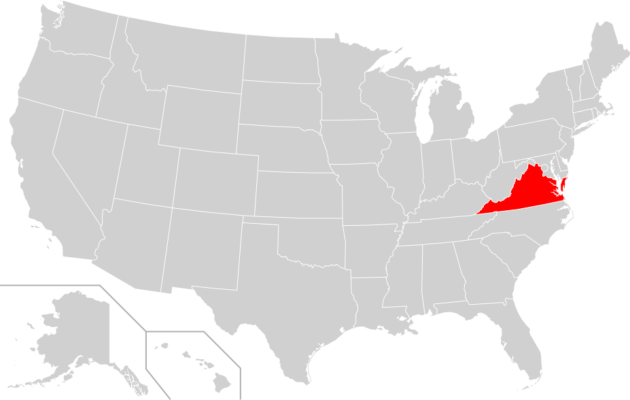
Virginia, known as the “Old Dominion” and the “Mother of Presidents,” is a state rich in history, natural beauty, and diverse attractions. From the historic sites of the Colonial Triangle to the scenic Blue Ridge Mountains and vibrant Virginia Beach, Virginia offers something for history buffs, outdoor enthusiasts, and families alike. This travel guide will help you plan an unforgettable trip to this multifaceted state.
Why Visit Virginia?
Virginia’s appeal lies in its blend of historical significance, stunning landscapes, and modern attractions. As the birthplace of the United States, it’s home to iconic sites like Jamestown, Williamsburg, and Yorktown, which form the Historic Triangle. The state also boasts pristine beaches, world-class wineries, and the breathtaking Shenandoah National Park. Whether you’re exploring Civil War battlefields, hiking the Appalachian Trail, or sipping wine along the Chesapeake Bay Wine Trail, Virginia offers a diverse and enriching experience.
How to Get There
By Air: Major airports include Washington Dulles International Airport (IAD) and Ronald Reagan Washington National Airport (DCA) near Northern Virginia, and Richmond International Airport (RIC) in the state capital. Smaller airports like Norfolk International (ORF) and Charlottesville-Albemarle (CHO) serve regional flights.
From IAD or DCA, you’re just a short drive from Northern Virginia’s historic sites and Washington, D.C. Flights from major U.S. cities to Virginia start at $100–$300 round-trip, depending on the season.
By Train: Amtrak offers routes connecting Virginia to major cities like Washington, D.C., New York, and Boston. The Northeast Regional and Crescent lines stop at stations in Richmond, Fredericksburg, and Alexandria. Fares from D.C. to Richmond start at $20 one-way.
By Car: Virginia is easily accessible via major highways like I-95 (north-south) and I-64 (east-west). The state is a 2-hour drive from Washington, D.C., and a 5-hour drive from New York City. Renting a car is recommended for exploring beyond cities, especially for scenic drives like the Blue Ridge Parkway.
By Bus: Services like Greyhound, Megabus, and Virginia Breeze connect Virginia’s cities. A bus from D.C. to Richmond costs $15–$30 and takes about 2 hours.
Best Time to Visit
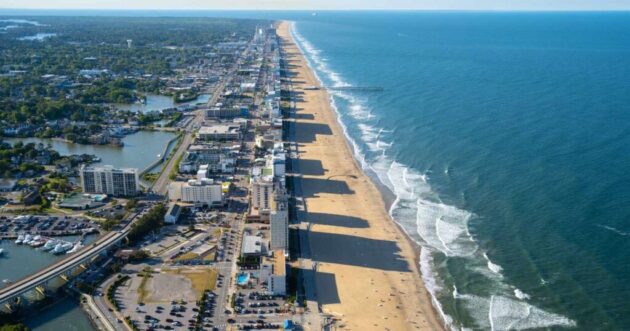
Spring (March–May): Ideal for mild weather and blooming landscapes, especially cherry blossoms in Northern Virginia and wildflowers in Shenandoah National Park. Summer (June–August): Perfect for beach trips to Virginia Beach and outdoor festivals, though it can be hot and humid (up to 32°C/90°F). Book accommodations early for coastal areas.
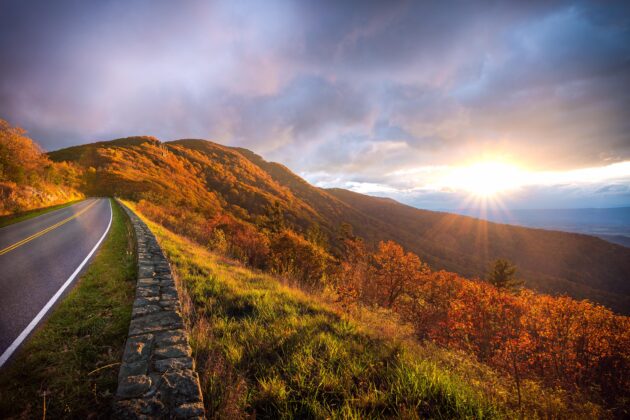
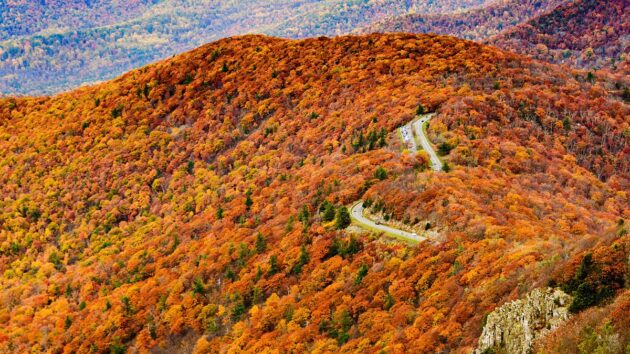
Autumn (September–November): The best time for vibrant fall foliage along the Blue Ridge Parkway and cooler hiking conditions. October is peak season for leaf-peeping. Winter (December–February): Great for budget travelers, with fewer crowds and lower hotel rates. Skiing is possible at resorts like Wintergreen, but coastal areas may be chilly.
Tip: Avoid major holidays like Memorial Day or Independence Day for fewer crowds, especially at historic sites and beaches.
Top Attractions
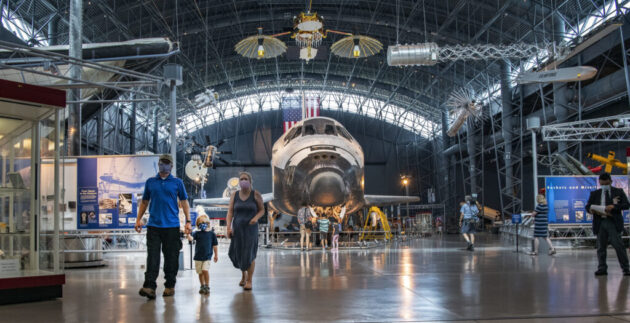
Steven F. Udvar-Hazy Center
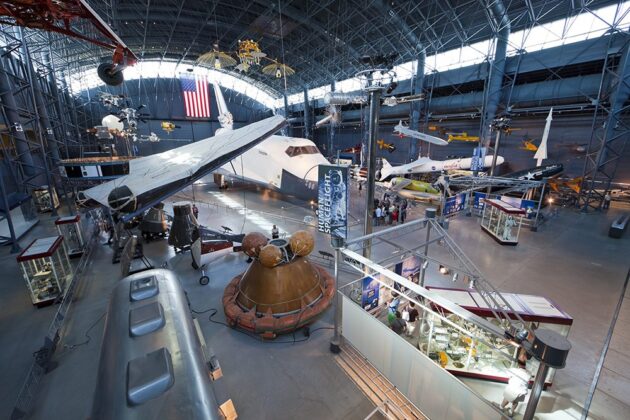
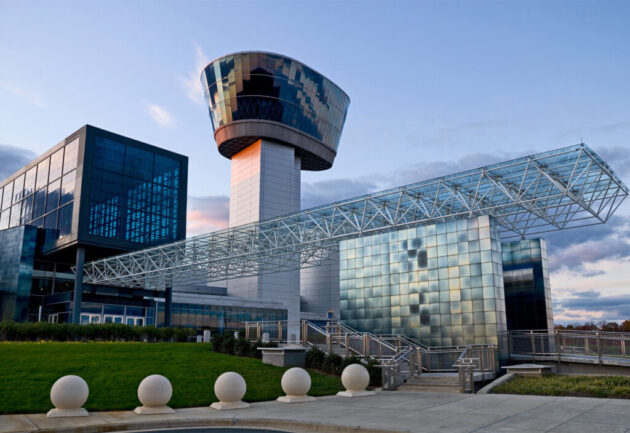
The Steven F. Udvar-Hazy Center, located in Chantilly, Virginia, is a must-visit destination for aviation and space enthusiasts. As an annex of the Smithsonian National Air and Space Museum, this expansive facility near Washington Dulles International Airport houses an extraordinary collection of aircraft, spacecraft, and artifacts too large for the museum’s main location on the National Mall.


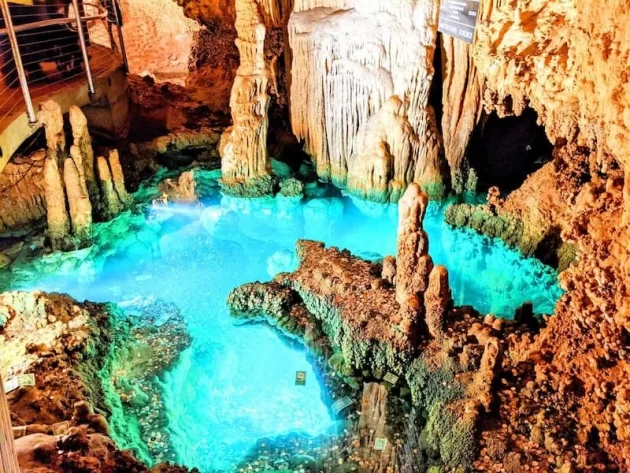
Luray Caverns
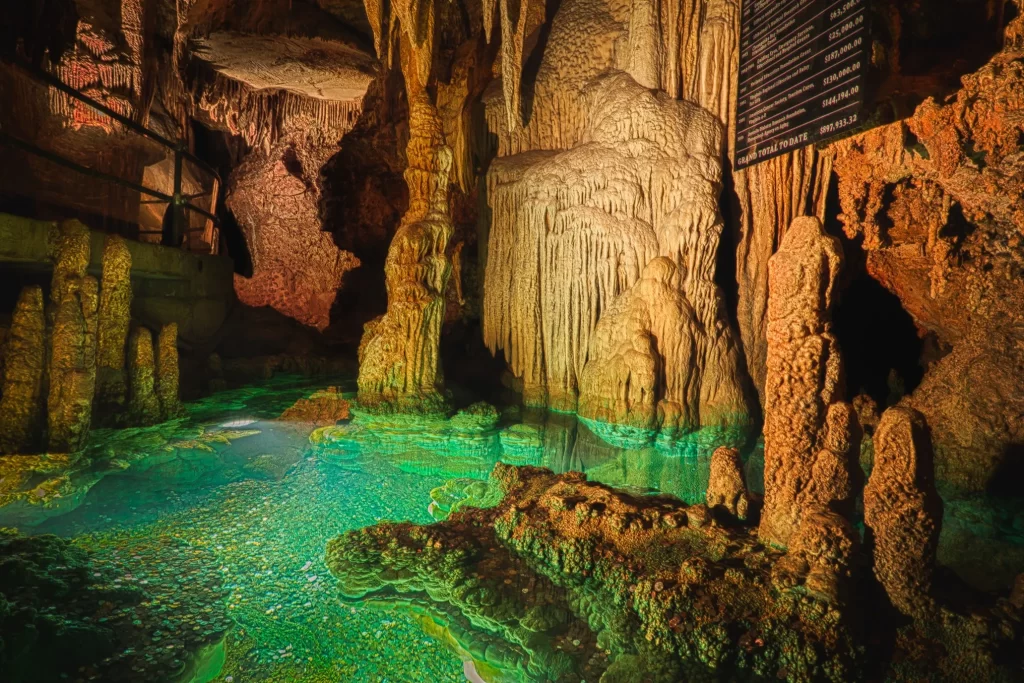
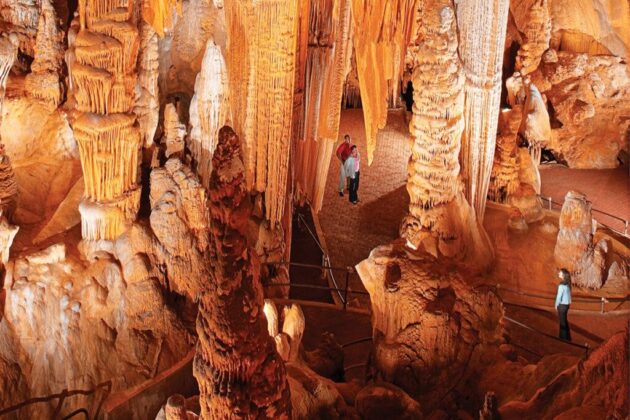
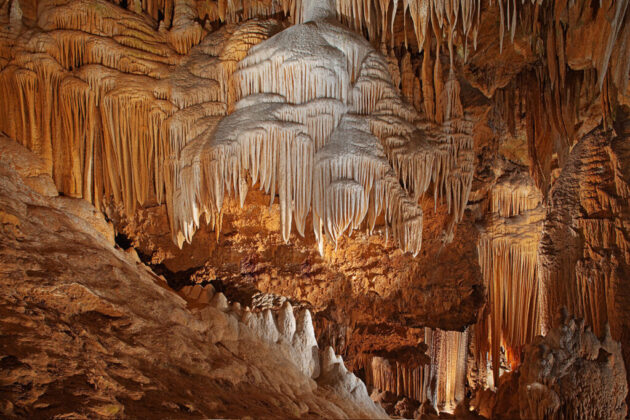
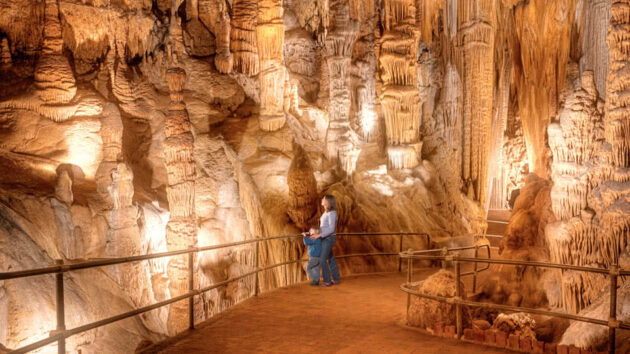
Luray Caverns, located in the heart of Virginia’s Shenandoah Valley, is the largest and most visited cavern system in the eastern United States. Discovered in 1878, this U.S. Natural Landmark captivates visitors with its cathedral-sized chambers, towering stalactites, stalagmites, and the world’s only Great Stalacpipe Organ, a unique instrument that uses stalactites to produce symphonic tones.
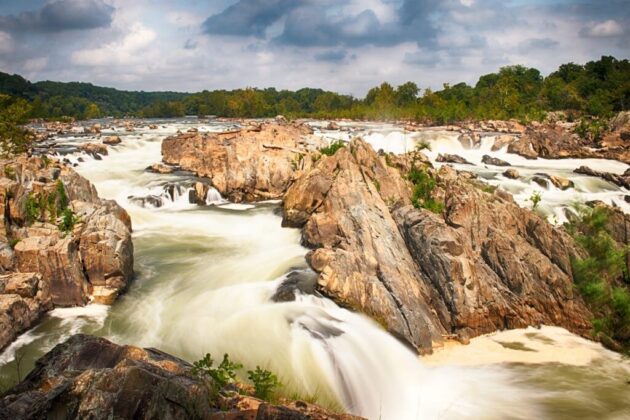
Great Falls Park
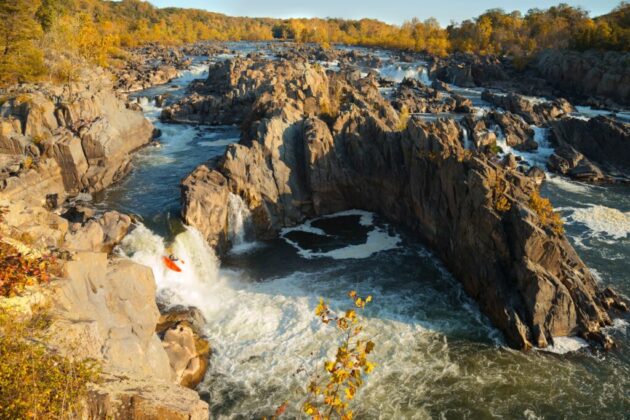
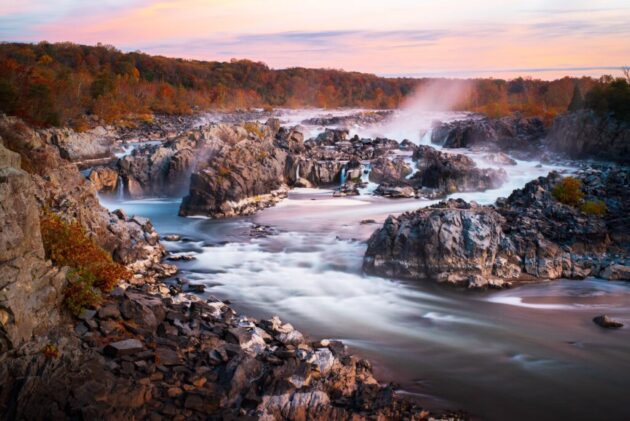
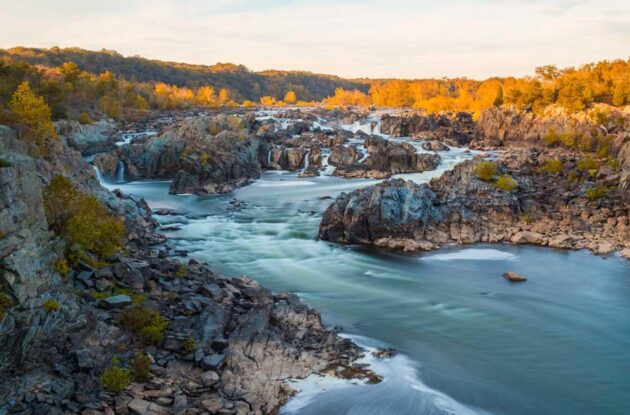
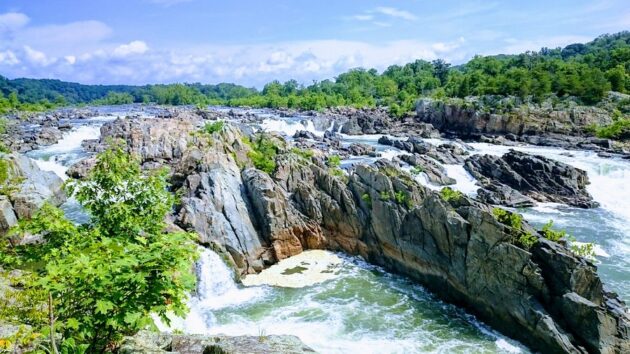
Great Falls Park, located just 15 miles from Washington, D.C., is a stunning 800-acre natural gem managed by the U.S. National Park Service. Situated along the Potomac River in northern Fairfax County, Virginia, the park is renowned for its dramatic waterfalls, where the river cascades over steep, jagged rocks into the narrow Mather Gorge. With its blend of breathtaking scenery, historical significance, and diverse recreational activities, Great Falls Park is a must-visit destination for nature lovers, history buffs, and outdoor adventurers.
Shenandoah National Park
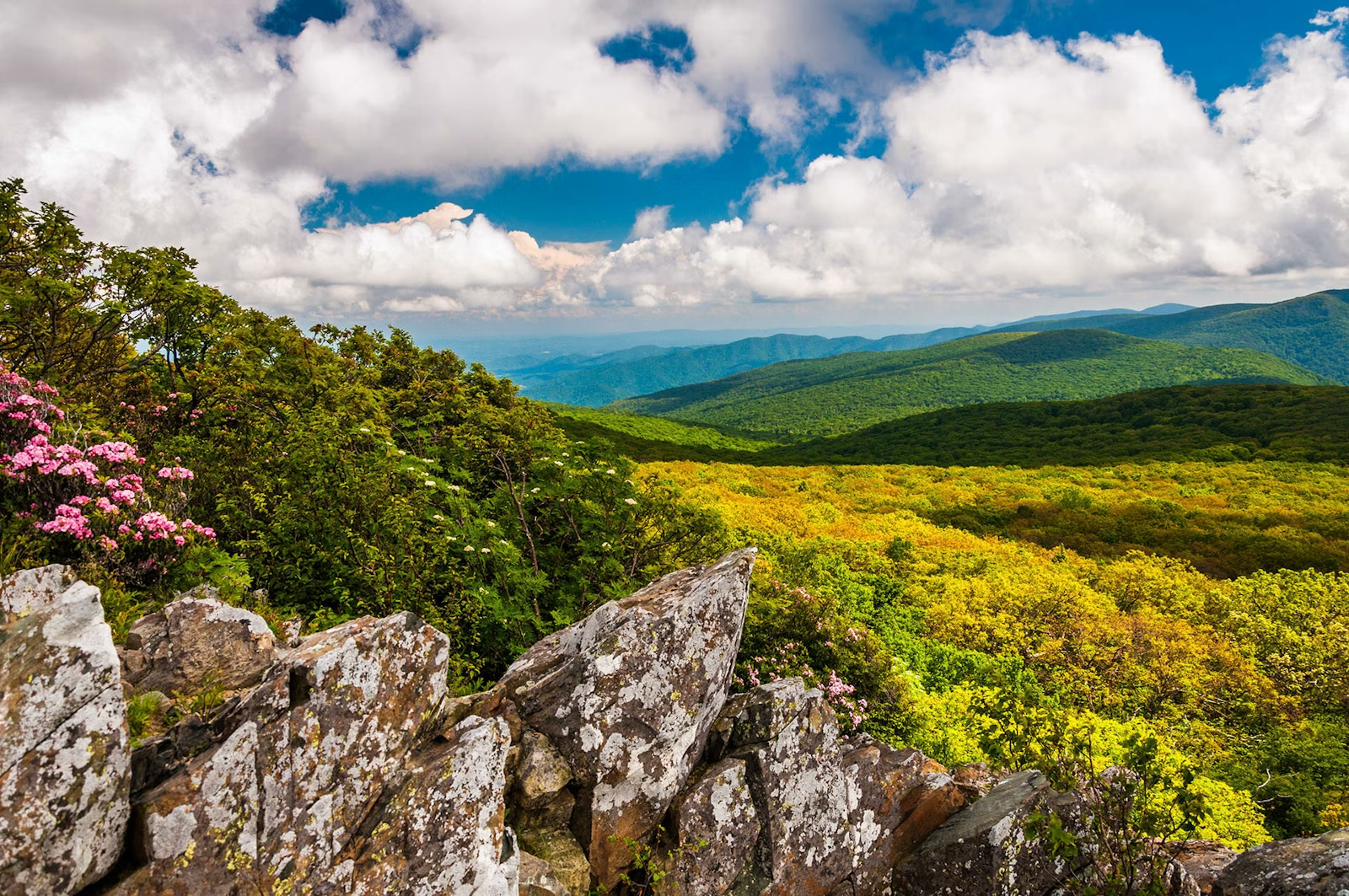
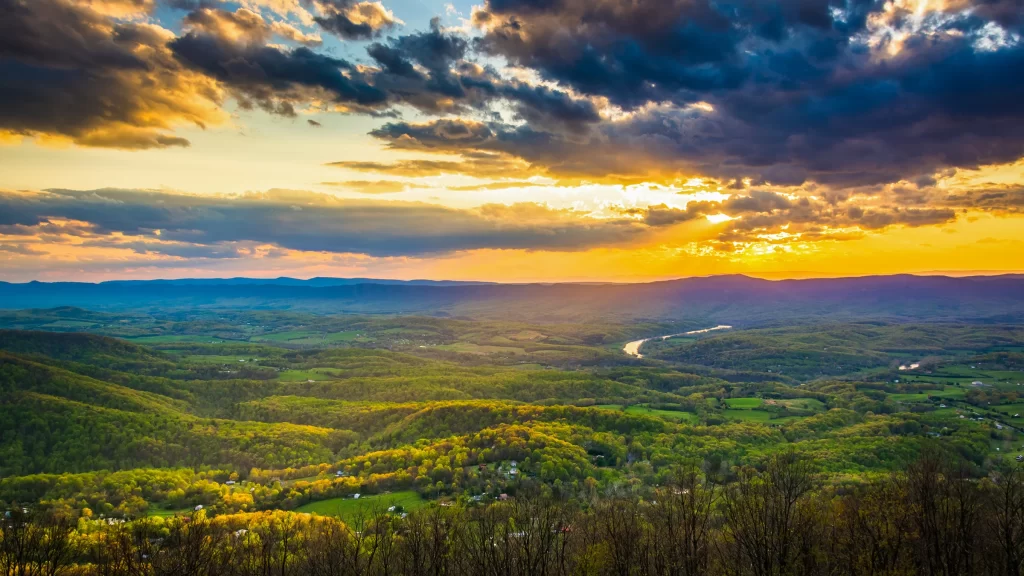
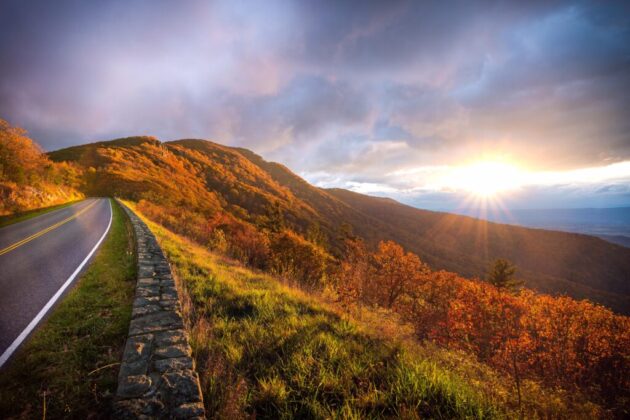
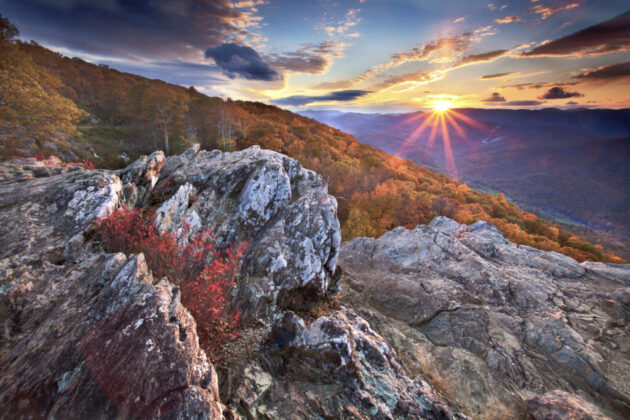
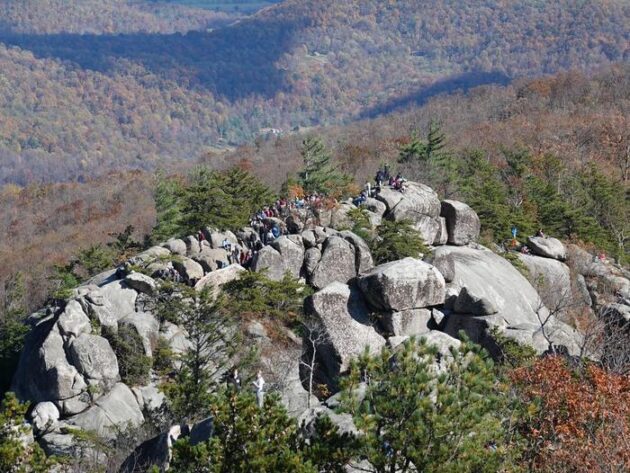
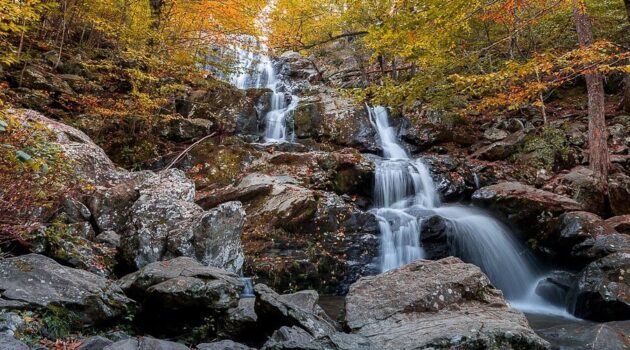
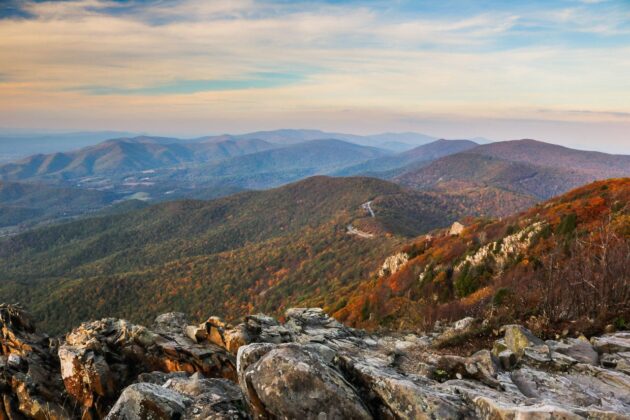
Nestled in the heart of Virginia’s Blue Ridge Mountains, Shenandoah National Park is a breathtaking destination that spans over 200,000 acres of pristine wilderness. Renowned for its scenic Skyline Drive, cascading waterfalls, diverse wildlife, and over 500 miles of hiking trails, this park is a haven for outdoor enthusiasts, history buffs, and anyone seeking a serene escape. Just 75 miles from Washington, D.C., Shenandoah offers a perfect blend of natural beauty and accessibility.
First Landing State Park
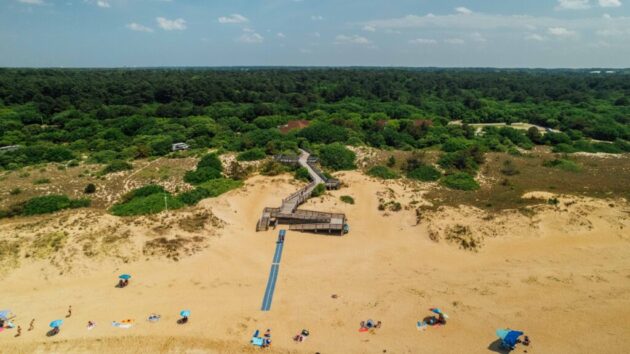
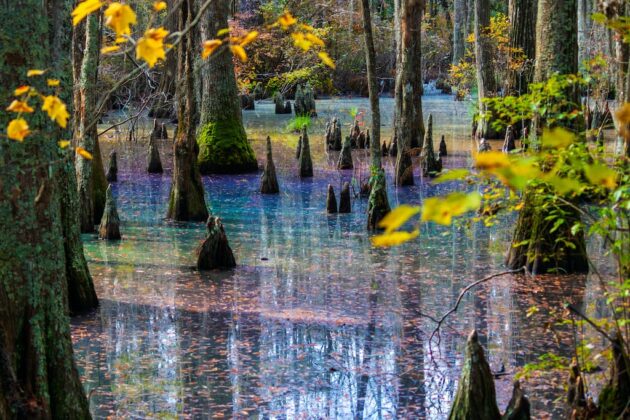
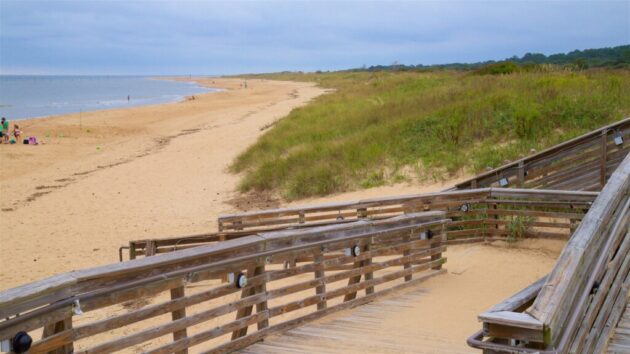
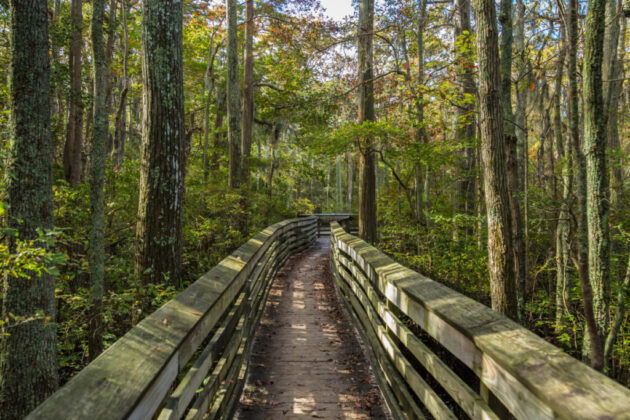
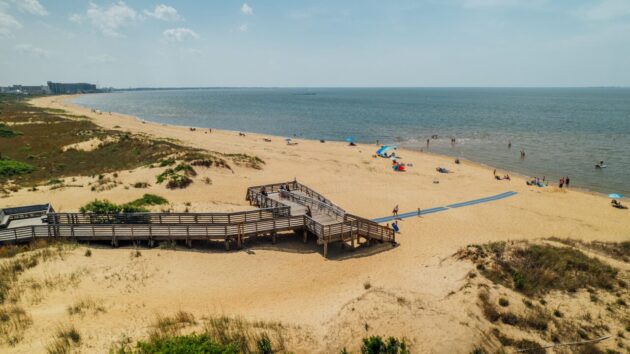
First Landing State Park, located in Virginia Beach, Virginia, is a historic and natural treasure. As the site where English colonists first landed in 1607, this park offers visitors a unique blend of history, natural beauty, and outdoor recreation. With its diverse ecosystems, scenic trails, and pristine beaches, First Landing State Park is a must-visit destination for nature lovers and history buffs alike.
Natural Bridge State Park
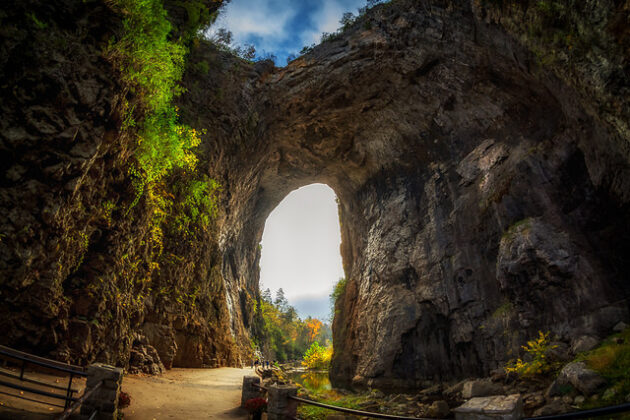
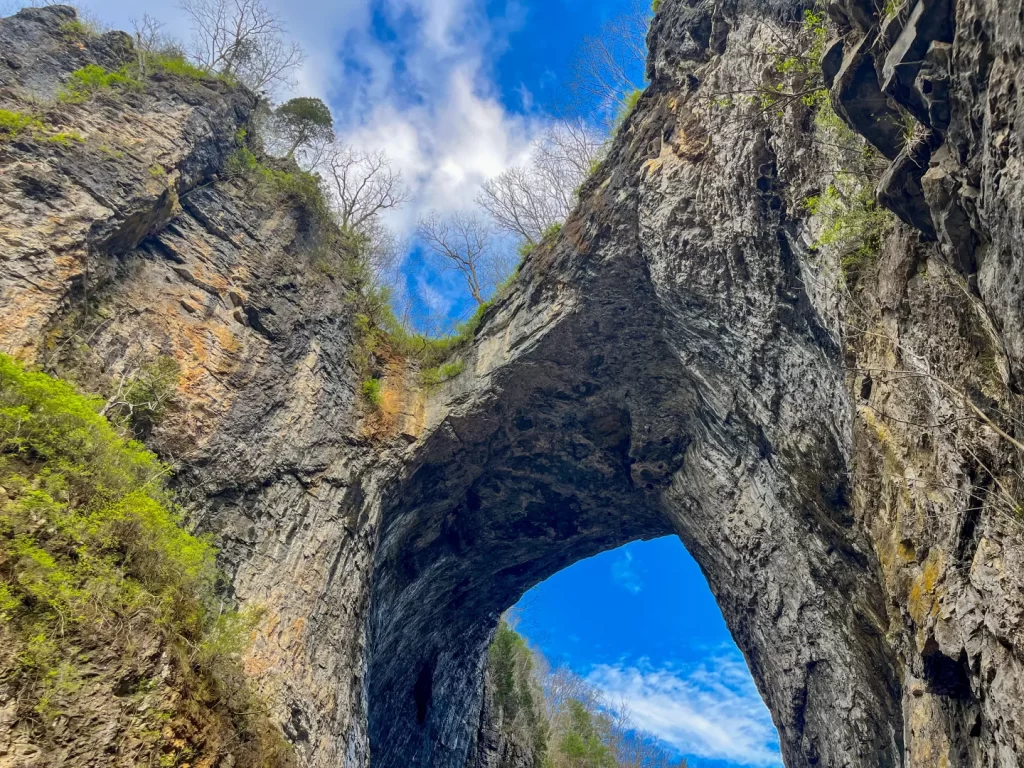
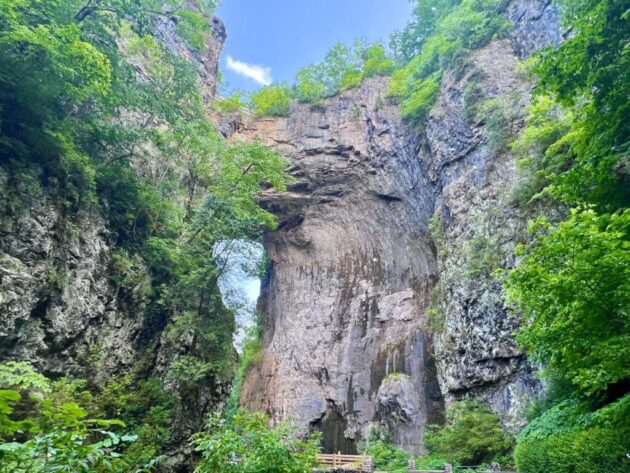
Natural Bridge State Park in Virginia, United States, is a renowned geological park centered around a massive 215-foot-high natural limestone arch with a span of 90 feet, carved over millions of years by Cedar Creek. Once owned by Thomas Jefferson, the park is designated a National Historic Landmark and offers visitors scenic hiking trails, including the accessible Cedar Creek Trail which leads to a Monacan Indian Village and the 30-foot Lace Falls. The park protects diverse ecosystems and provides insights into the area’s natural and cultural history.
Monticello
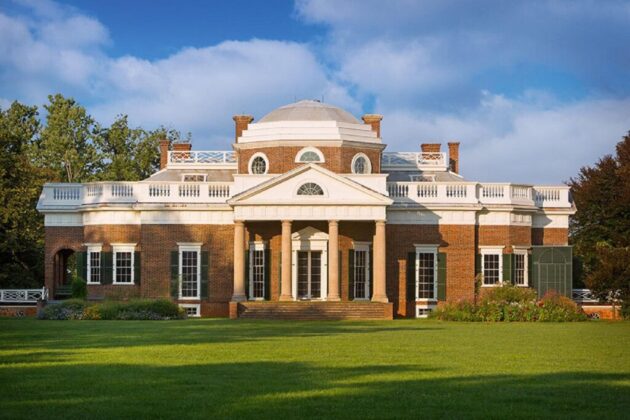
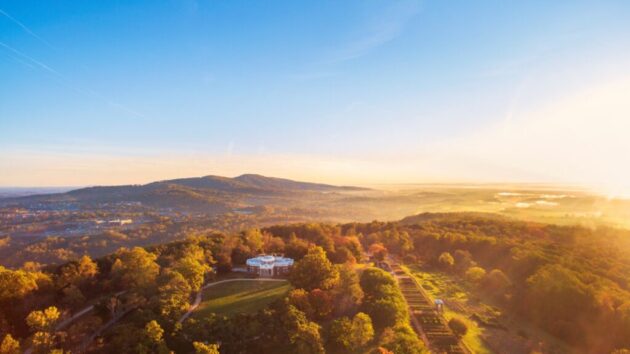
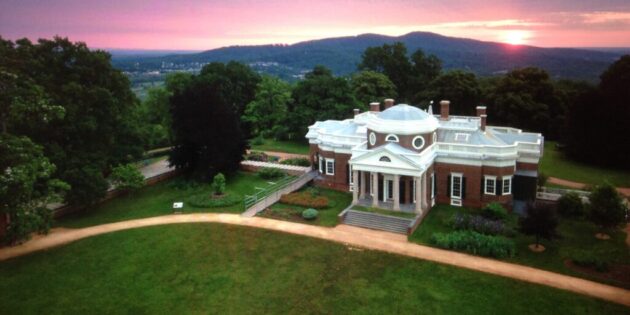
Monticello, located near Charlottesville, Virginia, was the primary plantation and architectural masterpiece of Thomas Jefferson, the third President of the United States and principal author of the Declaration of Independence. Designed by Jefferson himself in the Neoclassical style, the house is renowned for its unique dome, innovative designs, and meticulous details. Designated a UNESCO World Heritage Site, Monticello now operates as a museum and educational institution, offering insights into Jefferson’s intellectual breadth, the complexities of his life, including the contradiction of his advocacy for liberty while enslaving over 600 people, and his diverse pursuits as a statesman, architect, and philosopher.
National Museum of the Marine Corps
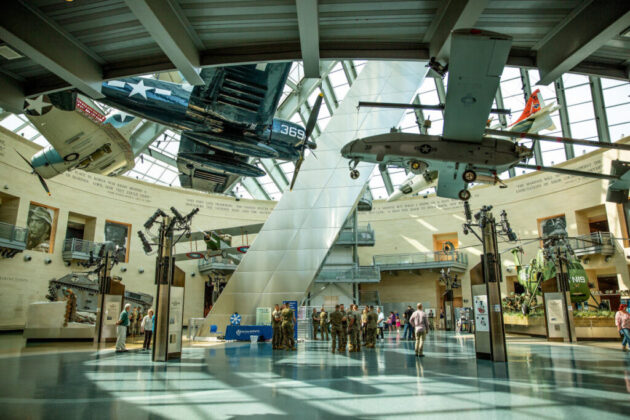
The National Museum of the Marine Corps, located in Quantico, Virginia, is an inspiring tribute to the United States Marine Corps. This architectural marvel not only showcases the rich history and heritage of the Marine Corps but also offers a deeply moving experience for visitors. Whether you’re a history buff, a military enthusiast, or just curious about American military heritage, this museum provides an engaging and educational experience.


Where to Eat
Richmond: Visit The Boathouse for seafood with river views ($20–$40/plate) or ZZQ for authentic Virginia barbecue ($10–$20). Williamsburg: Try The Cheese Shop in Merchants Square for sandwiches and local specialties ($8–$15).
Virginia Beach: Waterman’s Surfside Grille offers fresh oysters and coastal dishes ($15–$30). For budget options, grab food from boardwalk vendors. Charlottesville: Near Monticello, The Local serves farm-to-table cuisine ($15–$35).
Tip: Pack a picnic for Shenandoah National Park or state parks to save on dining costs.
Where to Stay
Williamsburg: Williamsburg Inn (5-star, historic luxury): $300–$500/night. Comfort Inn Williamsburg Gateway (3-star, budget-friendly): $80–$150/night. Virginia Beach: Hilton Virginia Beach Oceanfront (4-star, beachfront): $200–$350/night. The Atrium Resort (3-star, family-friendly): $100–$200/night.
Richmond: The Jefferson Hotel (5-star, historic): $250–$400/night. Linden Row Inn (3-star, boutique): $100–$180/night. Shenandoah Area: Skyland Resort (inside Shenandoah National Park): $150–$250/night. Luray Caverns Motels (budget, near park): $70–$120/night.
Tip: Book through platforms like Booking.com or Expedia for deals, especially in winter. For a unique experience, try a cabin rental near the Blue Ridge Mountains ($100–$200/night).
Tips for a Great Visit
Plan for History: Purchase a Historic Triangle pass to save on Williamsburg, Jamestown, and Yorktown tickets. Arrive early to avoid crowds at popular sites. Pack for Outdoors: Bring hiking boots, sunscreen, and bug spray for Shenandoah or state parks. Check trail conditions in advance.
Drive Smart: Avoid I-95 on Sunday afternoons or weekday rush hours (3–7 PM) to bypass traffic, especially near D.C. Eco-Friendly Travel: Respect park rules (e.g., don’t feed wildlife at Chincoteague) and stick to marked trails to preserve ecosystems. Combine Destinations: Pair a Northern Virginia visit with a day in Washington, D.C., or combine Shenandoah with nearby Luray Caverns for a fuller itinerary.
Final Thoughts
Virginia is a destination where history comes alive, nature inspires, and modern attractions entertain. From walking the cobblestone streets of Colonial Williamsburg to hiking the trails of Shenandoah National Park or relaxing on Virginia Beach’s shores, the state offers endless possibilities. Plan your visit around your interests—whether it’s history, adventure, or relaxation—and embrace the diversity of the Old Dominion. For more inspiration, order a free travel guide from Virginia’s official tourism website (www.virginia.org).
Happy travels!