
A Travel Guide to Badlands National Park
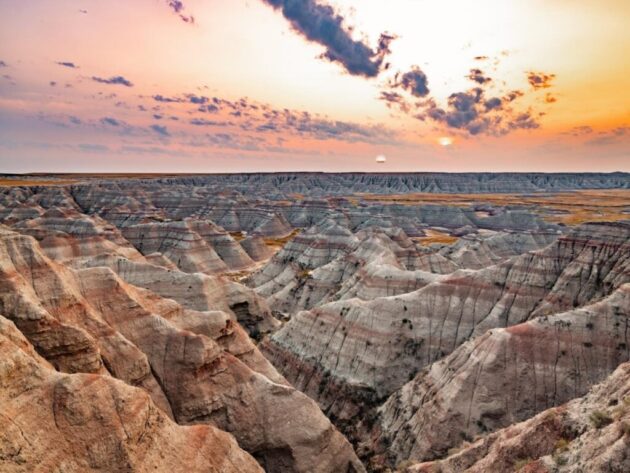
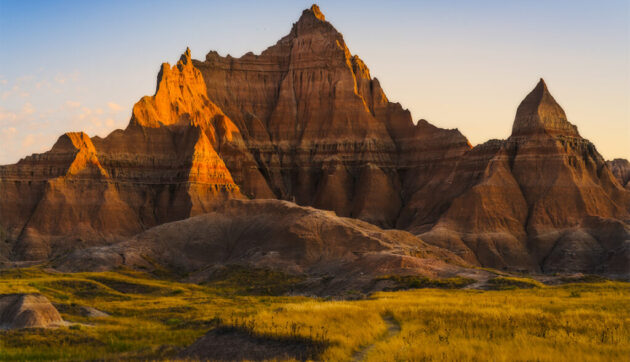
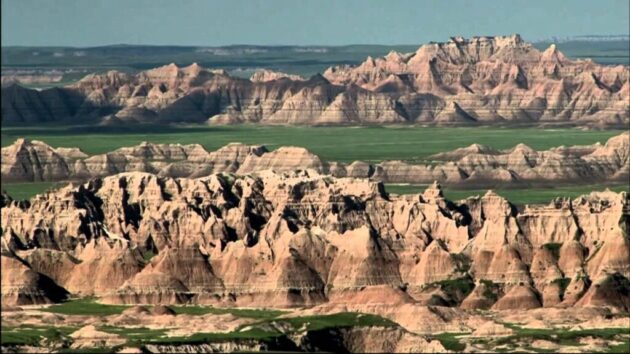
Badlands National Park, located in southwestern South Dakota, is a geological wonderland of jagged buttes, colorful spires, and vast prairies. Spanning 244,000 acres, it’s renowned for its otherworldly landscapes, rich fossil beds, and abundant wildlife, including bison, bighorn sheep, and prairie dogs.
Named “Mako Sica” (bad lands) by the Lakota people due to its harsh terrain and extreme weather, this park offers breathtaking scenery, hiking, and a glimpse into millions of years of history. Whether you’re a nature lover, photographer, or history enthusiast, this guide will help you plan an unforgettable visit.
Why Visit Badlands National Park?
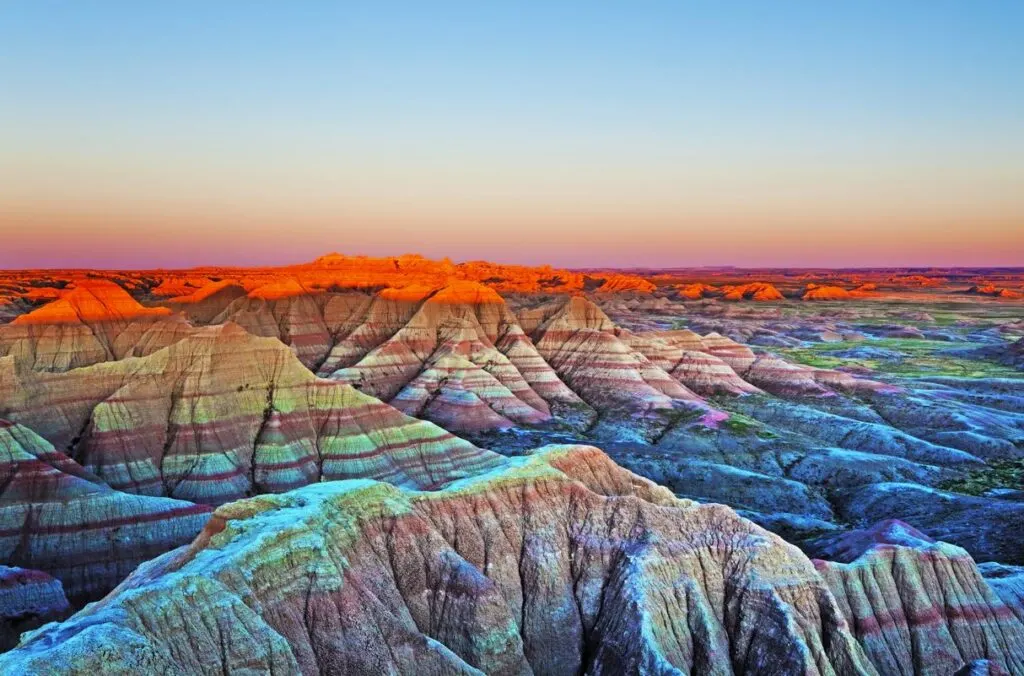
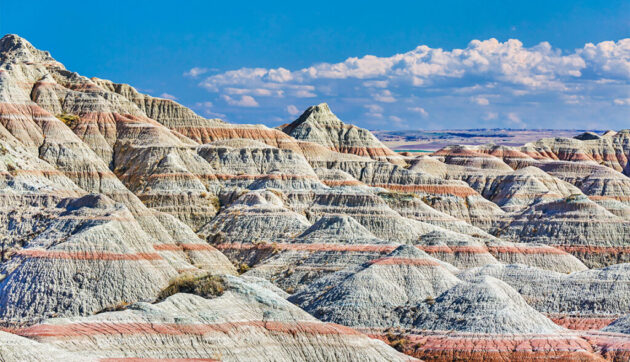
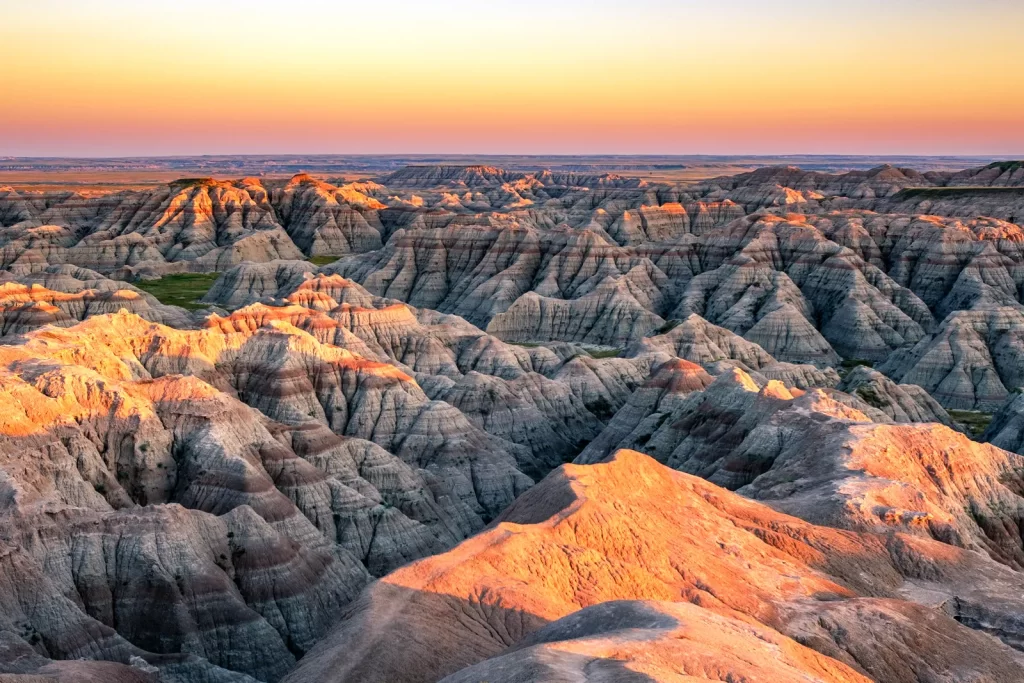
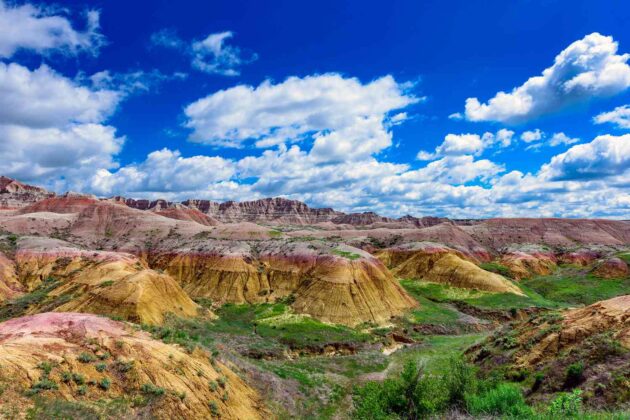
Badlands National Park is a must-see for its dramatic landscapes, shaped by millions of years of erosion, revealing vibrant rock layers of yellow, orange, and red. It’s home to one of the world’s richest fossil beds, with remains of ancient horses, rhinos, and saber-toothed cats.
The park’s mixed-grass prairie supports diverse wildlife, including the endangered black-footed ferret. Its cultural significance, tied to Lakota history and the 1890s Ghost Dance at the Stronghold Unit, adds depth to the experience. With scenic drives, hiking trails, and stargazing opportunities under pristine night skies, Badlands is perfect for adventurers and families alike.
How to Get There
Badlands National Park is easily accessible from major highways and nearby cities. The park has three entrances: Pinnacles Entrance (west), Interior Entrance (south), and Northeast Entrance (east). Here are the main travel options:
By Air: The closest airport is Rapid City Regional Airport (RAP), 62 miles (1-hour drive) from the park’s Pinnacles Entrance. Airlines like American, Delta, United, and Allegiant serve Rapid City. For budget travelers, consider flying into Denver International Airport (DEN), a 6-hour drive (370 miles) from the park, which offers more flight options.
By Car: From Rapid City: Take I-90 east to Exit 110 (Wall, SD) and follow SD-240 south for 8 miles to the Pinnacles Entrance. From Sioux Falls: Drive 276 miles west on I-90 to Exit 131 (Cactus Flat, SD), then south on SD-240 to the Northeast Entrance. From Denver: Drive 370 miles north via I-25 and US-18. From Omaha: Drive 452 miles north via I-29 and I-90.
Note: There’s no public transportation within the park, so a personal vehicle is essential. Cell service is spotty, so download maps or bring paper copies.
By Bus or Tour: Guided tours from Rapid City or Wall are available through operators like Discover North America, offering tailored experiences with transportation.
Best Time to Visit
Spring (April–May): Cool temperatures (50–70°F), blooming wildflowers, and fewer crowds make spring ideal. However, rain and hailstorms are possible. Fall (September–October): Mild weather (60–80°F) and vibrant prairie colors offer excellent conditions for hiking and photography. The Badlands Astronomy Festival in late summer or early fall is a highlight for stargazers.
Summer (June–August): Busiest season with warm weather (80–100°F), but hot and humid conditions can be challenging. Early mornings or late evenings are best. Winter (December–February): Cold (0–30°F) and snowy, but the park is quiet, and snow-dusted landscapes are striking. Some roads may close, so check conditions.
Tip: Visit during a new moon for optimal stargazing, as Badlands has some of the clearest night skies in the U.S.
Tickets and Opening Hours
Opening Hours: The park is open 24/7, year-round, but visitor centers and facilities have specific hours: Ben Reifel Visitor Center (North Unit): 8:00 AM–5:00 PM (summer), 9:00 AM–4:00 PM (winter). Fossil Preparation Lab: Open summer only, typically 9:00 AM–4:30 PM.
Entrance Fees: Private vehicle: $30 (valid for 7 days). Motorcycle: $20. Individual (on foot/bike): $15. America the Beautiful Pass: $80 annually, covers all U.S. national parks. Highly recommended for frequent park visitors.
Booking: No reservations are needed for entry, but book camping or lodging early, especially in summer. Purchase passes at the entrance or online via nps.gov.
What to See and Do
Badlands National Park offers a variety of activities across its North Unit and South Unit (Stronghold District, co-managed with the Oglala Lakota tribe). Most visitors focus on the North Unit due to its accessibility.
Scenic Drives:
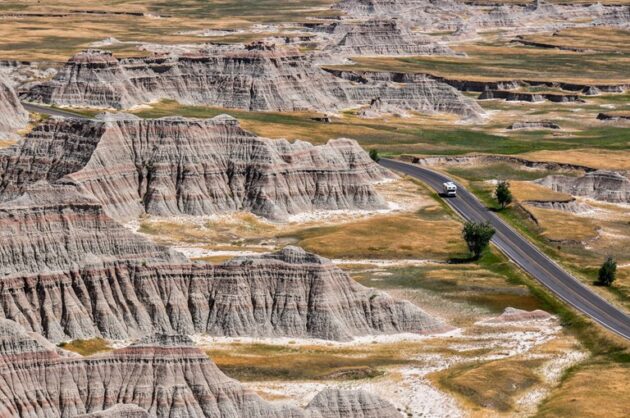
Badlands Loop State Scenic Byway (SD-240): This 39-mile loop from Cactus Flat to Wall features 12 wheelchair-accessible overlooks with stunning views of buttes and prairies. Sunrise and sunset are prime times for photography. Allow 1–2 hours with stops.
Sage Creek Rim Road: A gravel spur off the west end of the Loop Road, ideal for spotting bison and prairie dogs at Roberts Prairie Dog Town.
Hiking Trails:
Fossil Exhibit Trail (0.25 miles, easy): A wheelchair-accessible boardwalk with fossil replicas and educational signs about ancient creatures.
Notch Trail (1.5 miles, moderate): A scenic hike through a canyon with a log ladder climb, offering views of the White River Valley. Watch for rattlesnakes.
Castle Trail (10 miles round-trip, strenuous): The park’s longest trail, weaving through prairies and rock formations. Ideal for experienced hikers.
Note: Stay on trails to avoid rattlesnakes and cacti. Bring sturdy shoes and plenty of water, as none is available on trails.
Wildlife Viewing: Spot bison, bighorn sheep, pronghorn antelope, mule deer, and prairie dogs. The endangered black-footed ferret is harder to see but present. Roberts Prairie Dog Town is a must-visit for animal lovers. Tip: Keep a safe distance from wildlife and drive cautiously, as animals often cross roads.
Stargazing: Badlands’ dark skies are perfect for stargazing. Join ranger-led night sky programs (May–September, 9:15–9:45 PM) at the Cedar Pass Campground amphitheater, featuring telescopes and constellation tours. The annual Badlands Astronomy Festival offers daytime sunspot viewing and nighttime Milky Way observation.
Cultural and Historical Sites:
Ben Reifel Visitor Center: Explore exhibits on fossils, Lakota history, and geology. Watch the park film and visit the Fossil Preparation Lab (summer only).
South Unit (Stronghold District): Learn about the 1890s Ghost Dance at Stronghold Table, a significant Lakota cultural site. Access is limited, so check with rangers for guided tours.
Minuteman Missile National Historic Site: Just off I-90 near the Northeast Entrance, this site offers insights into Cold War history with a visitor center and limited silo tours (reservations required).
Photography: Capture the park’s vibrant rock layers at overlooks like Yellow Mounds and Pinnacles Outlook. Sunrise and sunset provide the best lighting.
Where to Eat
Inside the Park: Cedar Pass Lodge Restaurant: The only dining option in the park, offering American fare like burgers, salads, and Native-inspired dishes (e.g., bison tacos). Open April–October, 8:00 AM–8:00 PM. Prices range from $10–20. Bring snacks and water, as no other food or water is available on trails or remote areas.
Nearby: Wall: Home to Wall Drug, a famous roadside attraction with restaurants, gift shops, and 5-cent coffee. Try the homemade donuts or buffalo burgers ($8–15). Rapid City: Offers diverse dining, from steakhouses to breweries, 60 minutes away. Popular spots include Firehouse Brewing Company.
Where to Stay
Inside the Park: Cedar Pass Lodge: The only lodging in the park, offering cabins with modern amenities. Rates: $100–150/night. Book early for summer.
Camping: Cedar Pass Campground: Developed sites with flush toilets, $23–38/night. Sage Creek Campground: Free, primitive camping with pit toilets. Ideal for backcountry enthusiasts but no water available. Reservations recommended for Cedar Pass; Sage Creek is first-come, first-served.
Nearby: Wall (15-minute drive): Budget-friendly motels like Best Western Plains Motel ($80–120/night) or Super 8 ($60–100/night). Rapid City (60-minute drive): Offers a range of hotels, from luxury (Hilton Garden Inn, $120–200/night) to budget (Howard Johnson, $50–90/night). Interior (near South Unit): Small motels like Badlands Inn ($70–110/night).
RV Camping: RV sites are available at Cedar Pass Campground ($38/night with hookups). For a unique experience, try the KOA Campground near Custer, 90 minutes away.
Tips for a Great Visit
Pack Smart: Bring layers for fluctuating temperatures, sturdy hiking shoes, sunscreen, and plenty of water. Summer can hit 100°F, and winter can drop below 0°F. Stay Safe: Watch for rattlesnakes and loose rocks on trails. Keep a safe distance from wildlife, especially bison.
Plan for Limited Services: Gas is only reliable in Rapid City, Wall, and Interior. Cell service is spotty, so plan routes in advance. Combine Your Trip: Pair Badlands with nearby attractions like Mount Rushmore (90-minute drive), Custer State Park (home to 1,300 bison), or Wind Cave National Park.
Respect Indigenous Land: The South Unit is on the Pine Ridge Indian Reservation. Follow ranger guidance and respect cultural sites. Photography Tip: Use a polarizing filter for vibrant rock colors, especially at sunrise or sunset.
Final Thoughts
Badlands National Park is a captivating destination that feels like stepping onto another planet. Its rugged beauty, from eroded buttes to sprawling prairies, paired with its rich fossil history and vibrant wildlife, makes it a bucket-list stop for any traveler.
Whether you’re driving the scenic Badlands Loop, hiking the Notch Trail, or stargazing under a pristine sky, the park promises unforgettable moments. Plan ahead, embrace the adventure, and let the “bad lands” inspire wonder.
Happy travels!