








A Travel Guide to the United States of America
The United States of America is a vast and diverse country, spanning over 9.8 million square kilometers with 50 states, each offering unique landscapes, cultures, and experiences. From iconic cities to breathtaking national parks, vibrant coastlines to historic landmarks, the U.S. caters to every type of traveler—whether you’re seeking adventure, history, food, or relaxation. This guide provides an overview of key destinations, travel tips, and practical advice to plan an unforgettable trip across the U.S.
Why Visit the United States?
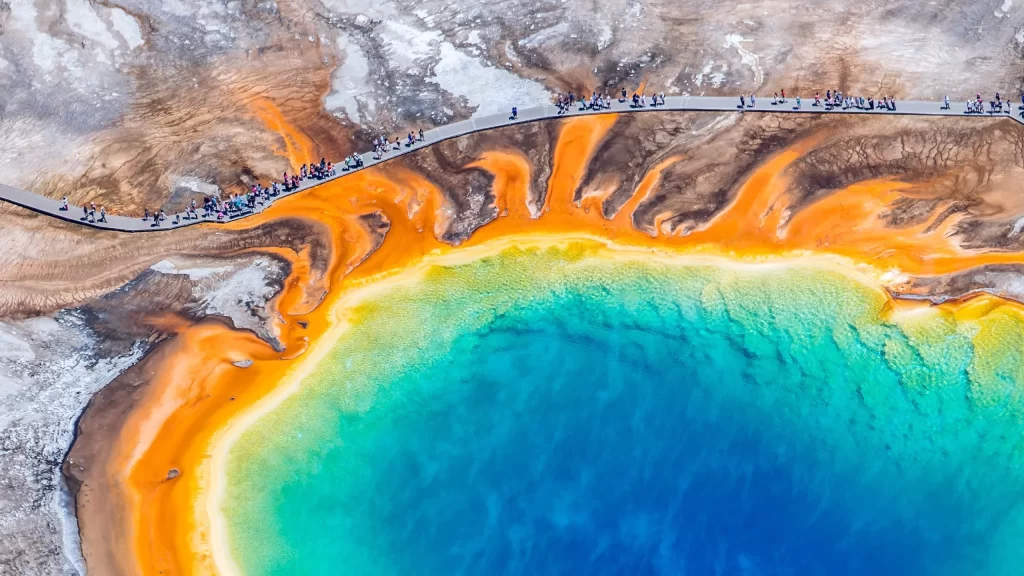
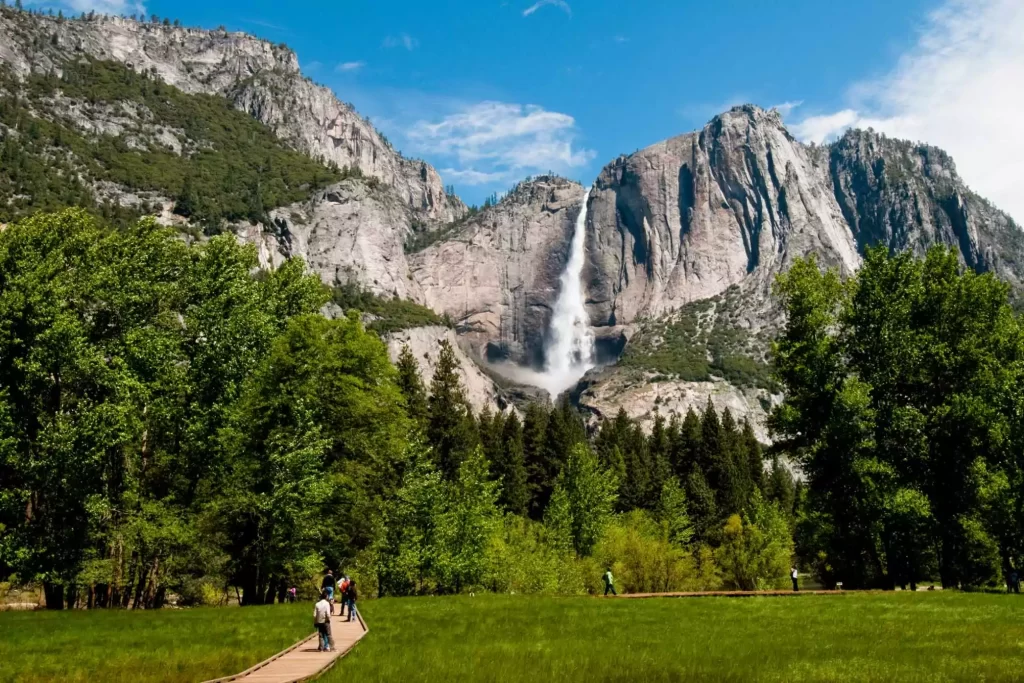
The U.S. is a mosaic of experiences, blending urban sophistication with natural wonders. Explore the skyscrapers of New York City, hike the rugged trails of Yosemite, savor Southern cuisine in New Orleans, or relax on the beaches of Hawaii. With 63 national parks, world-class museums, diverse culinary scenes, and cultural festivals, the U.S. offers something for everyone. Its size and variety make it ideal for road trips, city breaks, or extended adventures.
How to Get There
By Air: The U.S. has numerous international airports, with major hubs in New York (JFK), Los Angeles (LAX), Chicago (ORD), and Atlanta (ATL). Direct flights from major global cities are available, with economy fares from Europe or Asia ranging from $500–$1,500 round-trip.
By Land: Canada and Mexico share borders with the U.S. Cross-border buses (e.g., Greyhound) and trains (Amtrak) are options, but a valid visa or ESTA is required for entry.
Within the U.S.: Flights: Domestic flights are efficient for long distances (e.g., New York to Los Angeles: ~$100–$300 one-way). Trains: Amtrak offers scenic routes like the Coast Starlight (Seattle to Los Angeles) but is slower and often pricier than flights. Buses: Greyhound and Megabus provide budget-friendly intercity travel ($20–$80). Car Rentals: Ideal for road trips, with rentals starting at $30/day. A valid driver’s license and credit card are required.
Visa Requirements: Most international visitors need a visa or an ESTA (Electronic System for Travel Authorization, $21, valid for 90 days) for visa-waiver countries. Apply at least 72 hours before travel.
Best Time to Visit
Spring (March–May): Ideal for most regions, with mild weather and blooming landscapes (e.g., cherry blossoms in D.C.). Summer (June–August): Peak season for national parks and beaches, but hot in the South and Southwest (up to 40°C). Book accommodations early.
Fall (September–November): Cooler temperatures and vibrant foliage, especially in New England and the Rockies. Winter (December–February): Great for skiing in Colorado or Utah, or warm escapes to Florida and Hawaii. Avoid northern states if sensitive to cold (below 0°C).
Tip: Avoid major holidays like Thanksgiving (late November) and July 4th for lower prices and fewer crowds.
Major Cities












Practical Information
Currency: U.S. Dollar (USD). Credit cards are widely accepted; carry cash for small vendors. Language: English is the primary language, but Spanish is common in the Southwest and Florida.
Tipping: Expected in restaurants (15–20%), bars, and for services like taxis (10–15%). Safety: Most tourist areas are safe, but exercise caution in urban areas at night. Check travel advisories for specific regions. Electricity: 120V, Type A/B plugs. Bring a universal adapter if needed.
Where to Stay
Hotels: Range from budget chains (Motel 6, $50–$100/night) to luxury (Four Seasons, $300+/night). Book via Expedia or Booking.com for deals. Airbnb: Popular for apartments and unique stays, especially in cities and rural areas ($80–$200/night).
Camping: Available in national parks and private campgrounds ($20–$50/night). Reserve early for popular sites. Hostels: Budget-friendly in major cities ($30–$60/night), ideal for solo travelers.
Where to Eat
New York City: Try pizza at Joe’s Pizza or bagels at Ess-a-Bagel. New Orleans: Enjoy gumbo or jambalaya at Dooky Chase’s. California: Savor farm-to-table dishes in San Francisco or food truck tacos in L.A. Budget Options: Fast-casual chains like Chipotle or In-N-Out Burger offer affordable meals ($8–$15). Tip: Food trucks and local diners often provide authentic, budget-friendly experiences.
Tips for a Great Trip
Plan Ahead: The U.S. is vast; focus on one or two regions (e.g., East Coast, West Coast) unless you have weeks to travel. Pack for Variety: Weather varies greatly—light layers for cities, sturdy gear for outdoor adventures.
Public Transport: Limited outside major cities. Rent a car for flexibility in rural areas or national parks. Connectivity: Buy a prepaid SIM card (T-Mobile, AT&T, ~$30 for 30 days) for data and navigation. Respect Local Customs: Tipping is standard, and personal space is valued in public settings.
Final Thoughts
The United States is a destination of endless possibilities, offering a mix of urban excitement, natural beauty, and cultural richness. Whether you’re marveling at the Grand Canyon, dancing to jazz in New Orleans, or exploring the history of D.C., the U.S. promises unforgettable memories. Plan strategically, embrace the diversity, and enjoy the journey across this vast and vibrant nation.
Happy travels!