
Zion National Park Travel Guide (2026)
Zion National Park, located in southwestern Utah, is a breathtaking showcase of dramatic red and white sandstone cliffs, deep canyons, and diverse ecosystems. As one of Utah’s “Mighty Five” national parks, it draws over 4.6 million visitors annually with its iconic hikes like Angels Landing and The Narrows, stunning vistas, and rich history.
Why Visit Zion National Park?
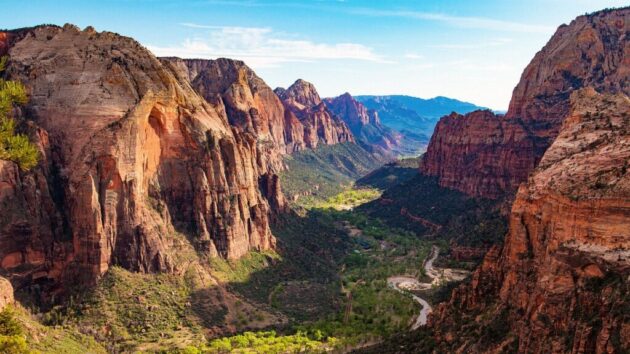
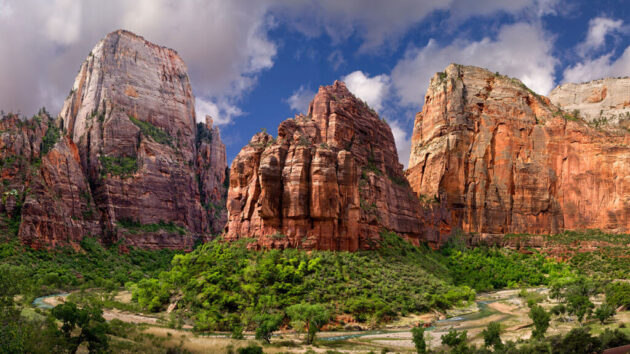
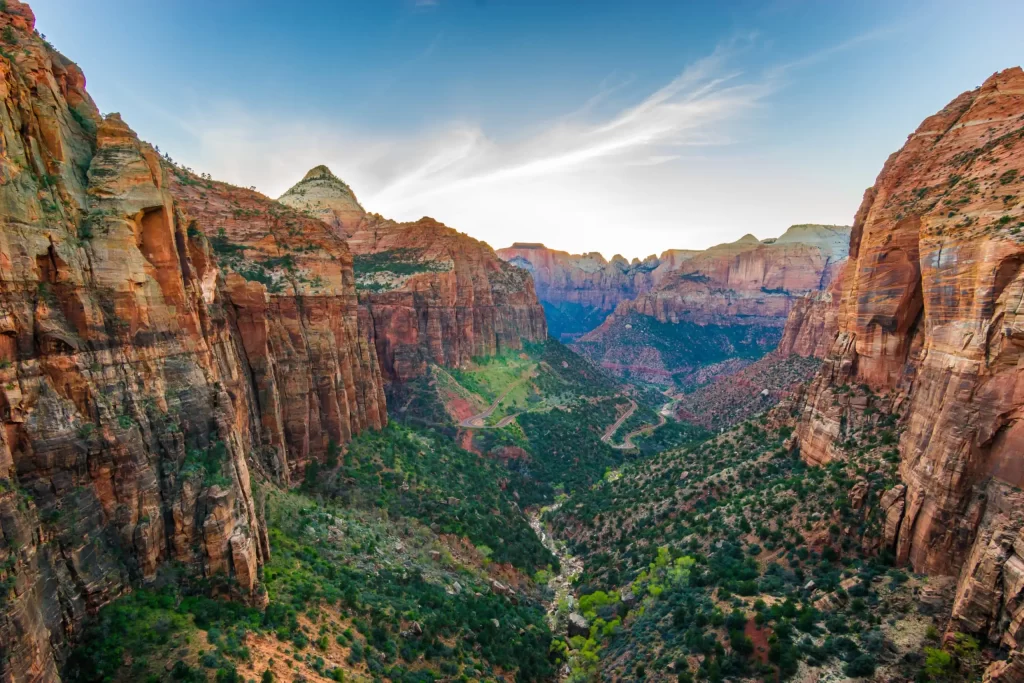
Zion’s unique geography, at the junction of the Colorado Plateau, Great Basin, and Mojave Desert, creates a striking landscape of towering cliffs, slot canyons, and lush river valleys. The park’s centerpiece, Zion Canyon, stretches 15 miles long and up to 2,640 feet deep, offering awe-inspiring views and trails for all skill levels.
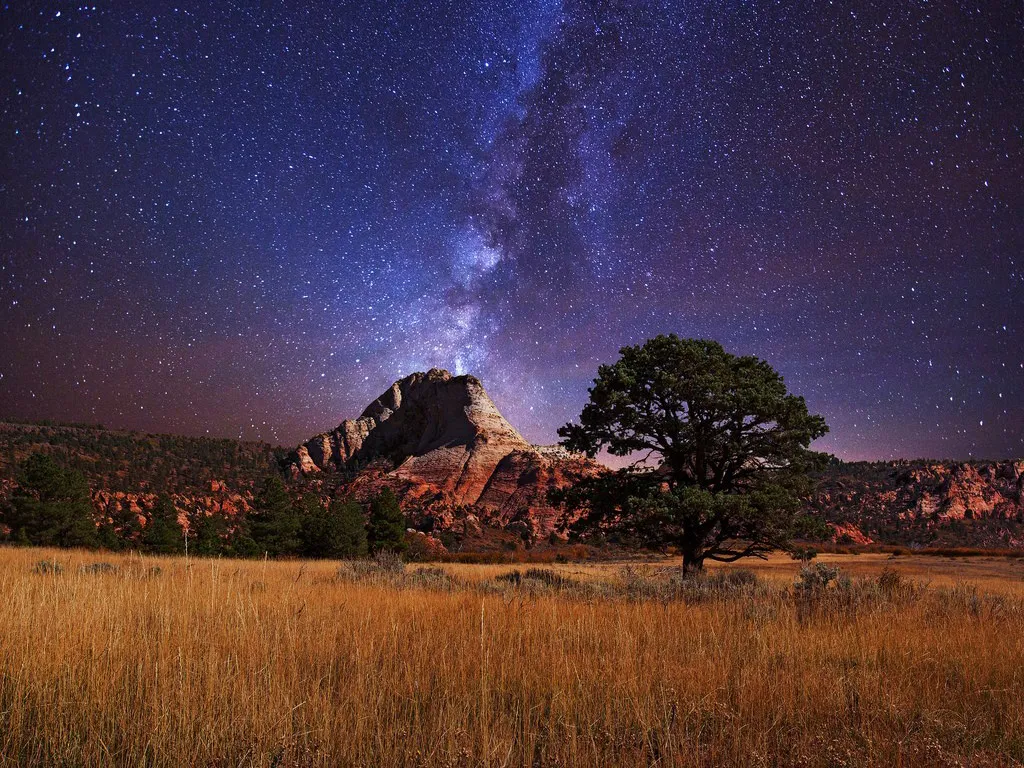
From the adrenaline-pumping ascent of Angels Landing to the serene beauty of the Virgin River, Zion combines adventure with natural splendor. Its Dark Sky certification also makes it a prime spot for stargazing.
How to Get There
Zion National Park is located near Springdale, Utah, and is accessible from major cities in the region:
By Air:
Harry Reid International Airport (Las Vegas, NV): The closest major airport, 160 miles (2.5–3 hours’ drive) from Zion. Offers numerous domestic and international flights.
St. George Regional Airport (SGU): 46 miles (1-hour drive) from Zion, with limited flights from hubs like Salt Lake City, Dallas, or Denver. Ideal for quicker access but pricier.
Salt Lake City International Airport (SLC): 308 miles (4.5–5 hours’ drive) away, a good option for those combining Zion with other Utah parks.
By Car: From Las Vegas, take I-15 north to Exit 16, then follow UT-9 to Springdale. The drive is scenic, passing through the Virgin River Gorge. From Salt Lake City, take I-15 south to UT-9. Renting a car is recommended for flexibility. The Zion-Mount Carmel Highway (UT-9) offers stunning views and access to the park’s east side, including the 1.1-mile Zion-Mount Carmel Tunnel.
By Shuttle or Bus: The Zion Canyon Shuttle is free and operates from March to November, connecting Springdale to key park stops. Private vehicles are restricted on Zion Canyon Scenic Drive during this period. The Springdale Shuttle links the town to the park’s south entrance, ideal for avoiding parking hassles.
Tip: Parking inside Zion fills by 9 AM during peak seasons. Park in Springdale (paid lots, ~$20/day) and use the free shuttle to the Zion Canyon Visitor Center.
Best Time to Visit
Spring (March–May) and Fall (September–November): Ideal for mild weather (50–80°F), vibrant wildflowers in spring, and golden cottonwoods in fall. Avoid mid-October’s Utah school break for fewer crowds.
Summer (June–August): Hot (90–100°F+), with afternoon thunderstorms that can cause flash floods in narrow canyons. Early morning hikes are best. Winter (December–February): Cold (30–50°F) but serene, with fewer crowds and occasional snow dusting the cliffs. Some trails may be icy, so check conditions.
Crowds: Zion is one of the most visited U.S. national parks, with peak crowds from February to November. Visit early in the day or during shoulder seasons (early spring or late fall) to avoid congestion.
Tickets and Permits
Entrance Fees: $35 per vehicle, $30 per motorcycle, or $20 per person (on foot/bike), valid for 7 days. The America the Beautiful Pass ($80) covers all U.S. national parks for a year, ideal for multi-park trips.
Permits: Angels Landing: A lottery-based permit is required for this iconic hike due to its popularity and narrow trail. Apply via Recreation.gov (seasonal lotteries: $6 entry, $3/person if approved). The Narrows (beyond Riverside Walk): A wilderness permit ($15–25) is needed for top-down hikes.
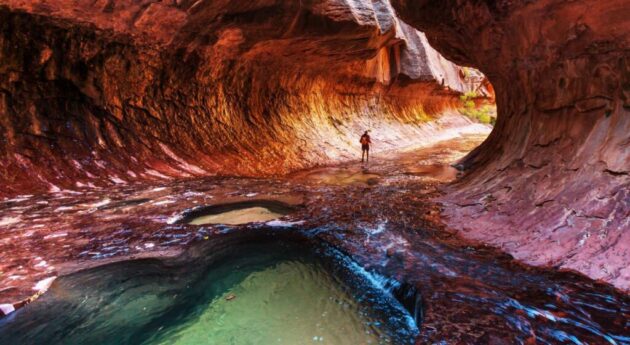
Canyoneering and Backpacking: Permits are required for routes like The Subway and overnight trips. Book early on Recreation.gov. Hours: The park is open 24/7, but visitor centers and facilities operate from 8 AM to 5–6 PM, varying by season.
What to See and Do
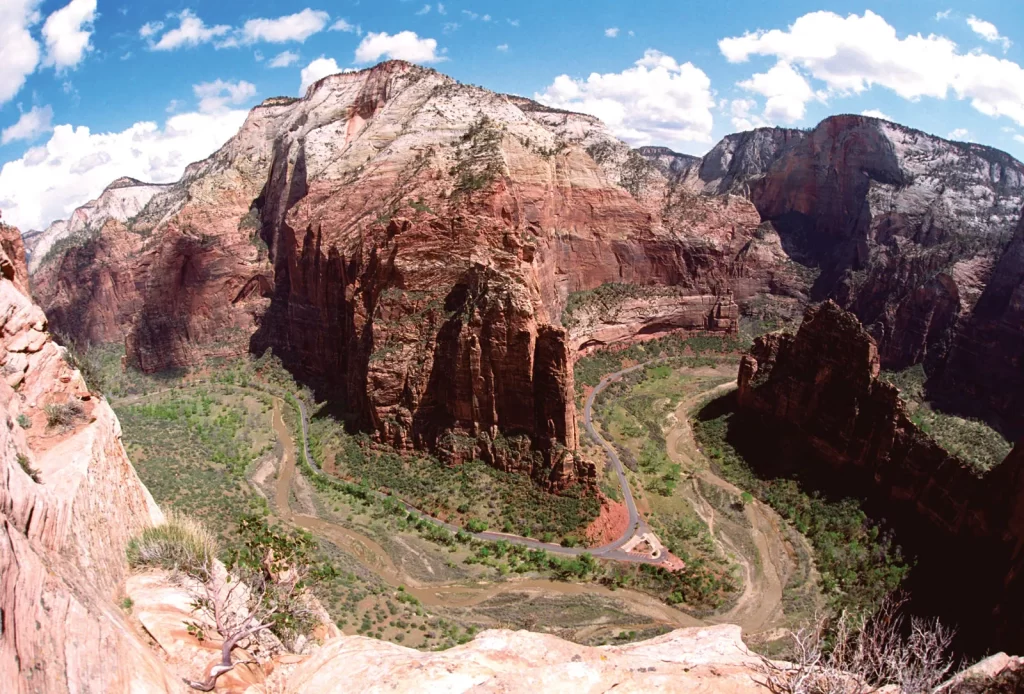
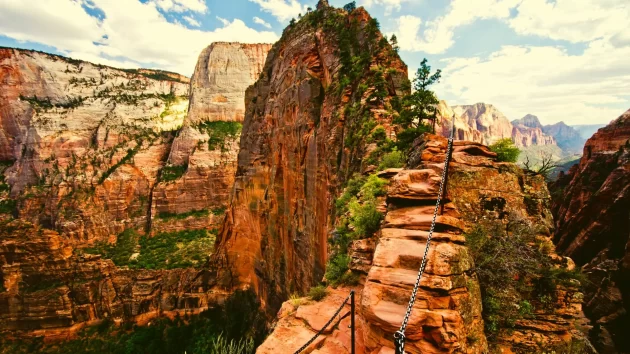
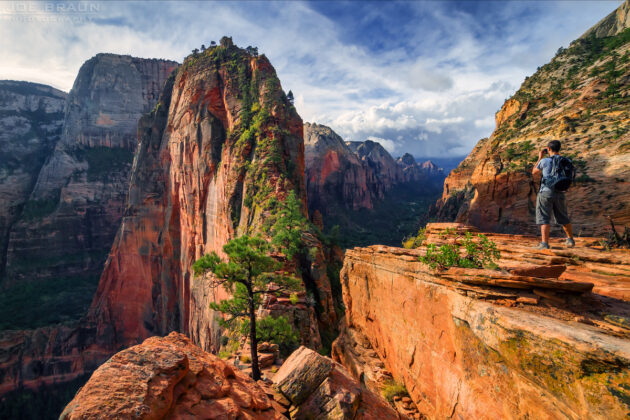
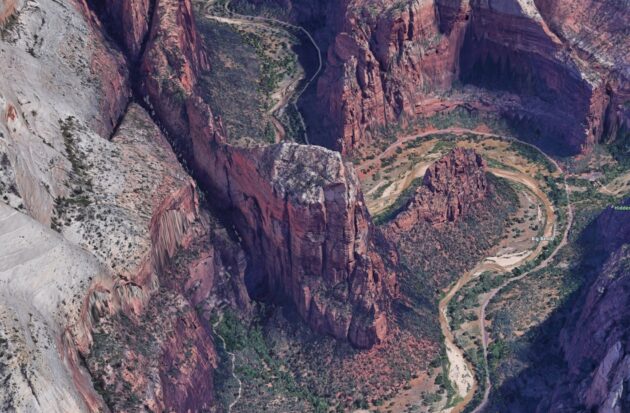
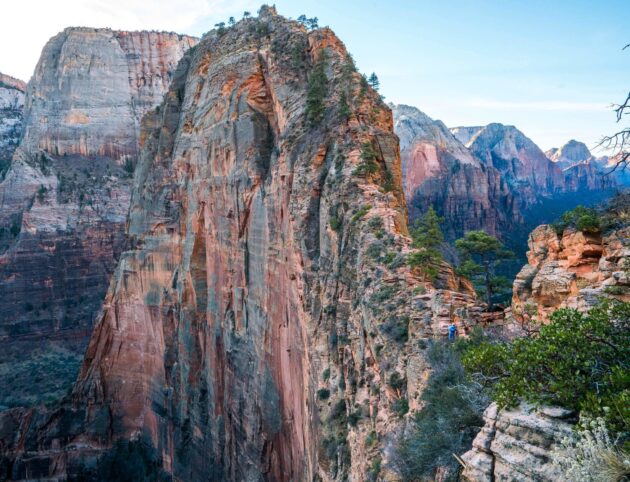
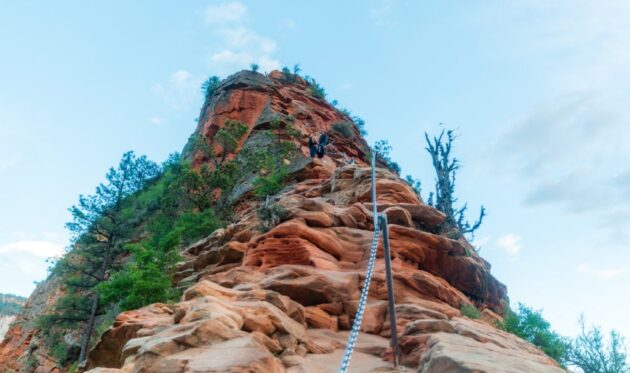
Iconic Hikes: Angels Landing (5.4 miles, strenuous): A thrilling climb with 1,500 feet of elevation gain, featuring chain-assisted sections and panoramic canyon views. Permit required.
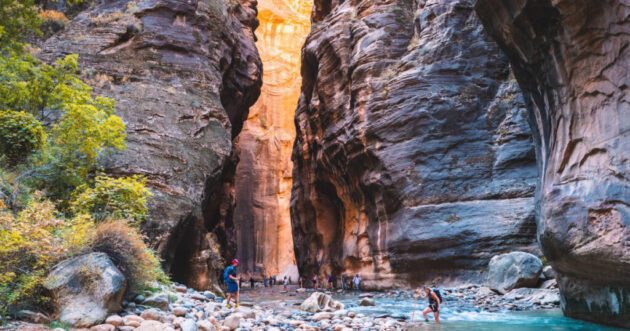
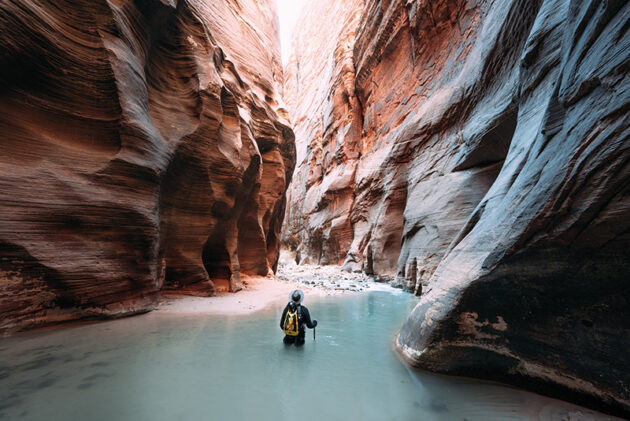
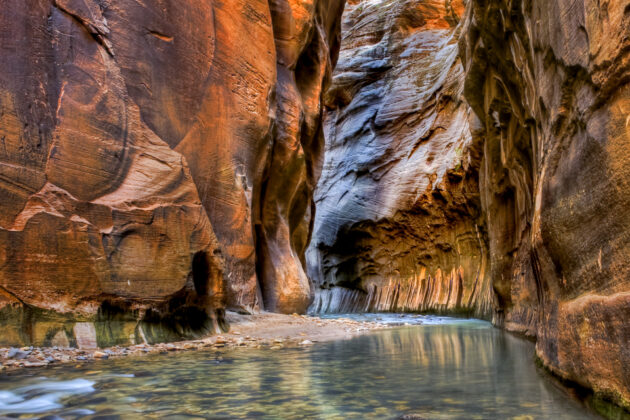
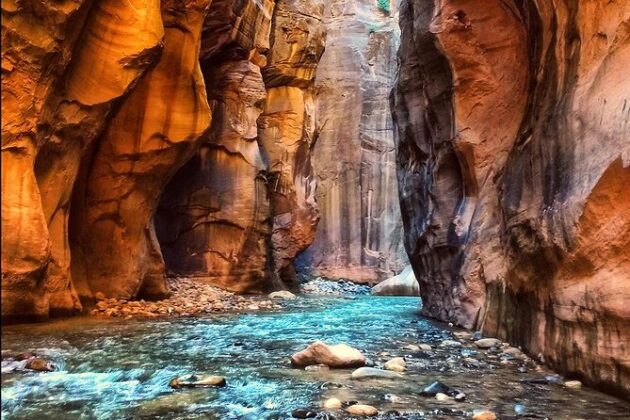
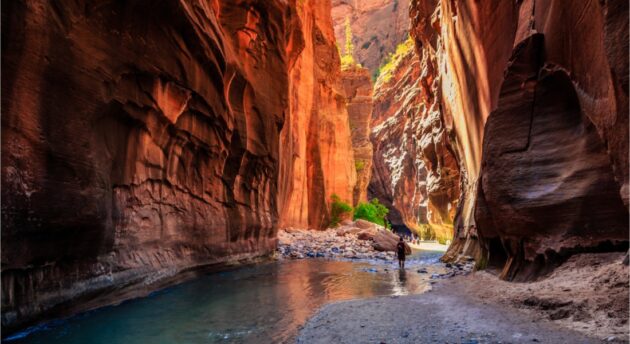
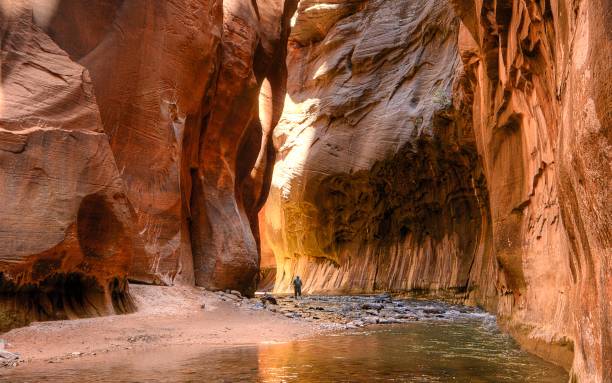
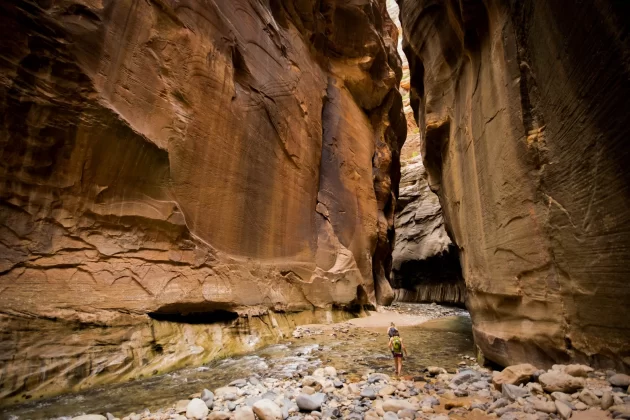
The Narrows (up to 9.4 miles, strenuous): Wade through the Virgin River between towering slot canyon walls. Rent gear (dry suits, boots) from outfitters like Zion Outfitter for cold seasons.
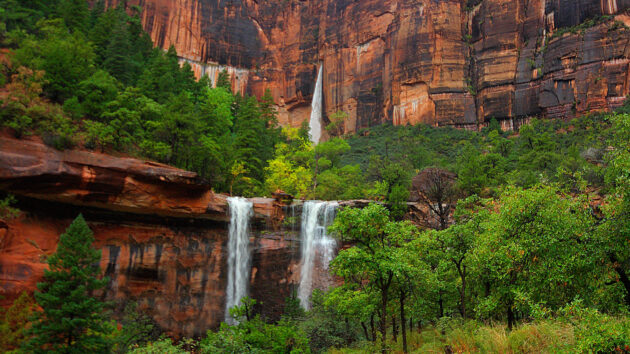
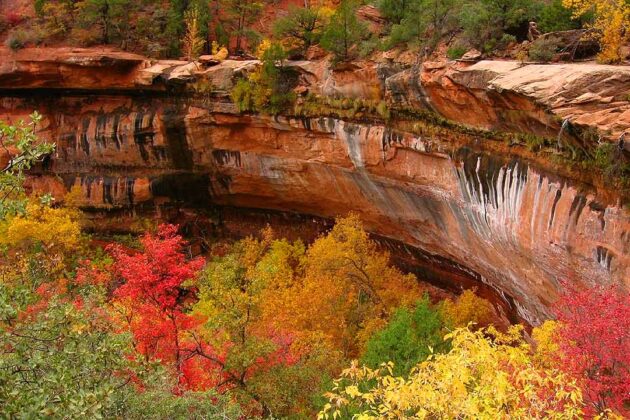
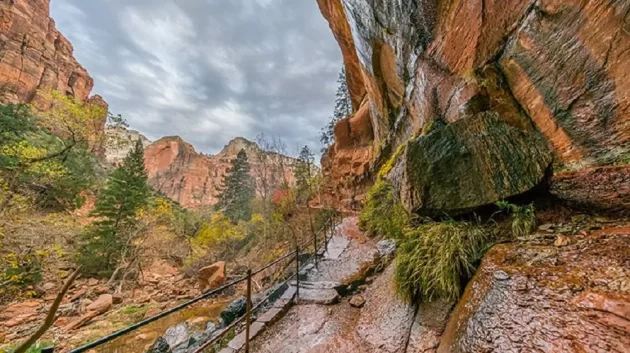
Emerald Pools Trail (1.2–3 miles, easy–moderate): A family-friendly hike to scenic pools and waterfalls.
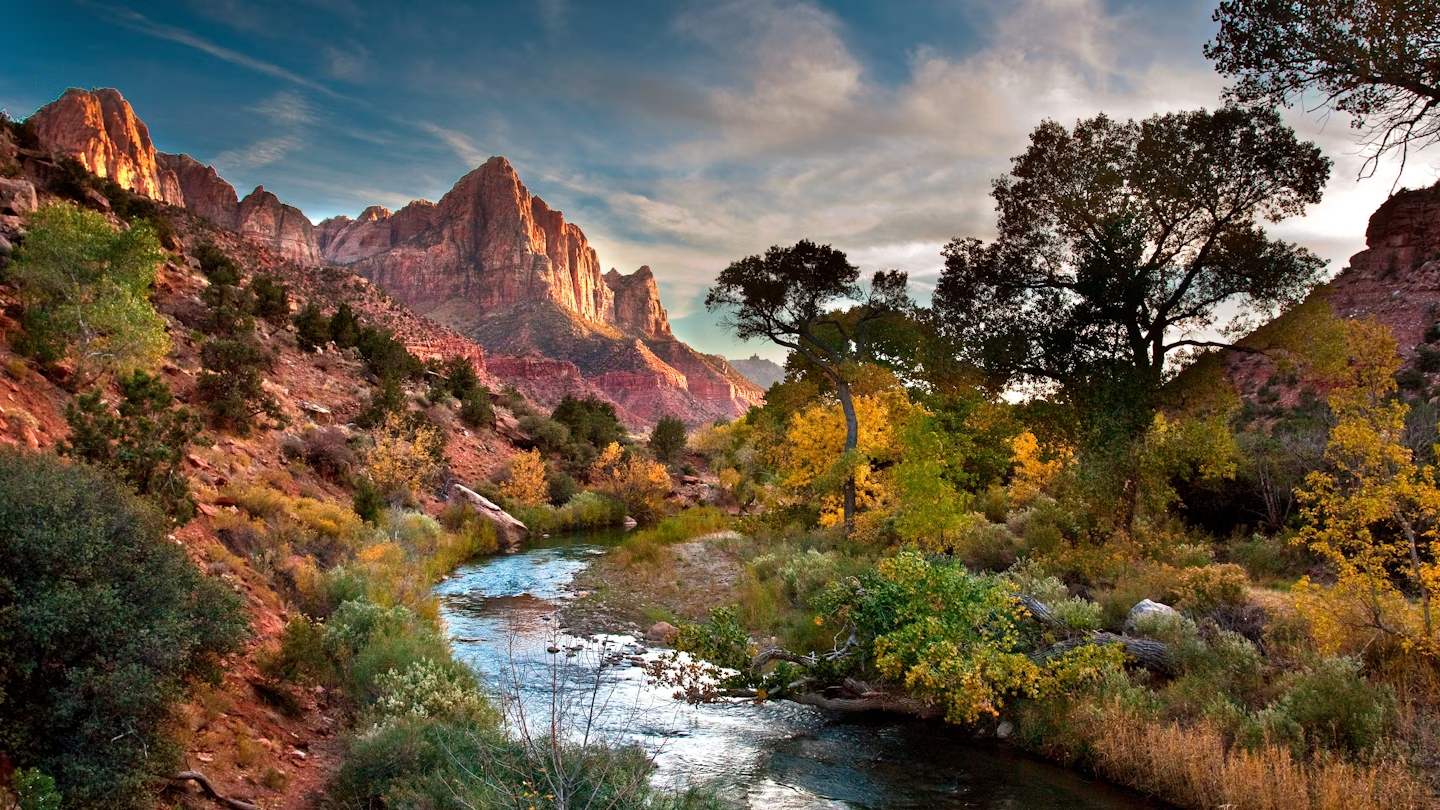
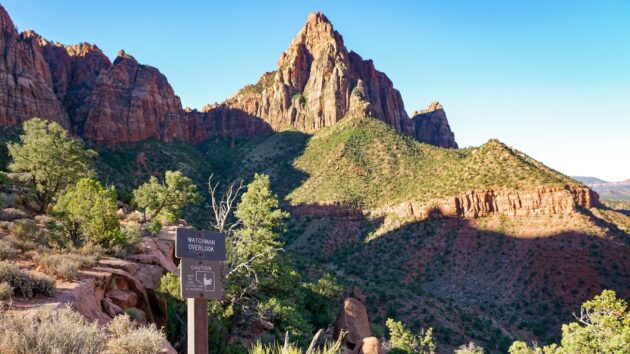
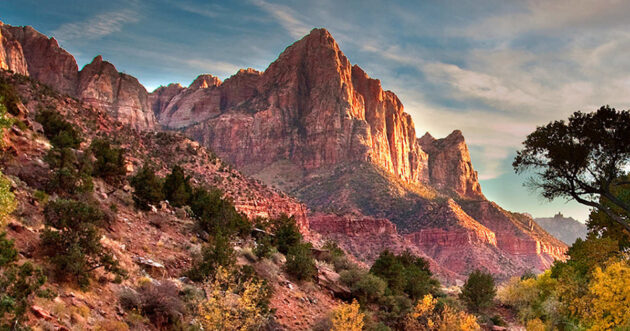
Watchman Trail (3.3 miles, easy): A gentle hike near the south entrance with great views of Springdale. No shuttle needed.
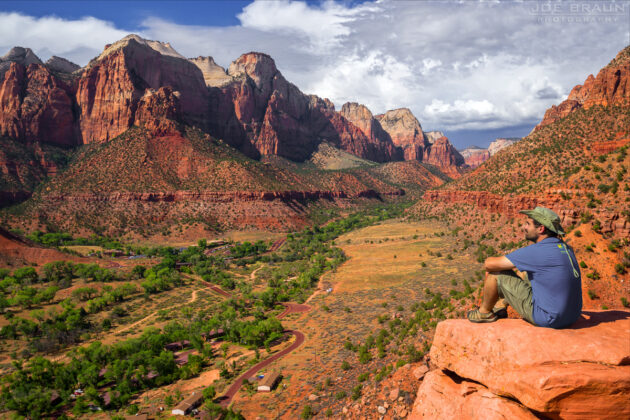
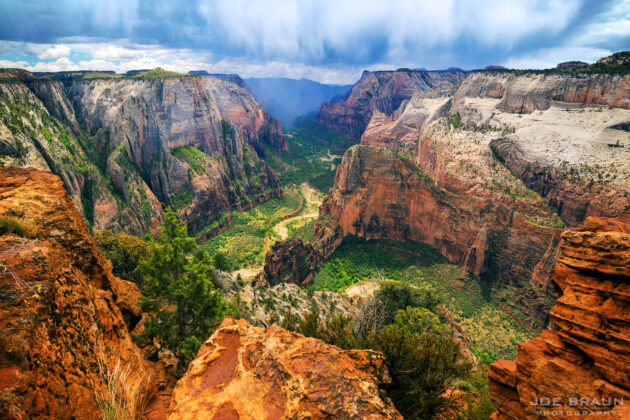
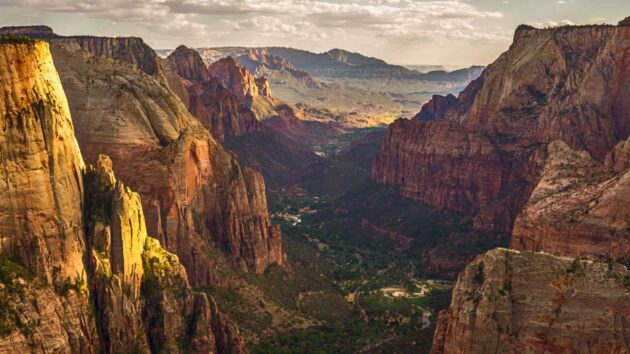
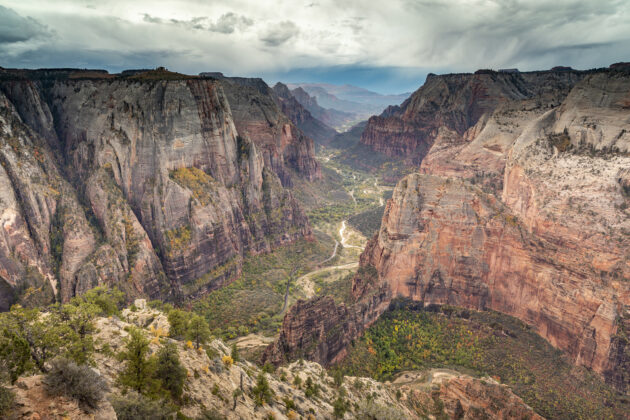
Observation Point (8 miles, strenuous): Offers the best overlook of Zion Canyon, accessible via the East Rim Trail.
Scenic Drives: Zion-Mount Carmel Highway: A 12-mile route with stunning vistas, including Checkerboard Mesa and the tunnel’s giant windows.
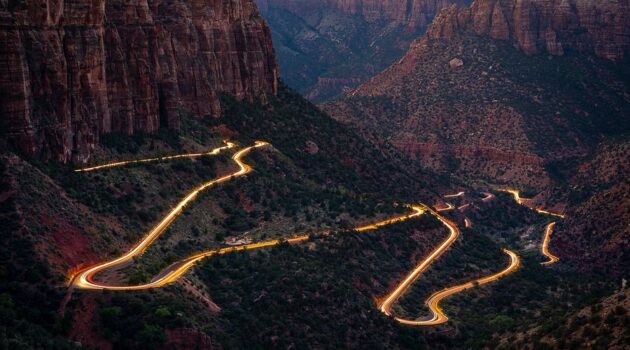
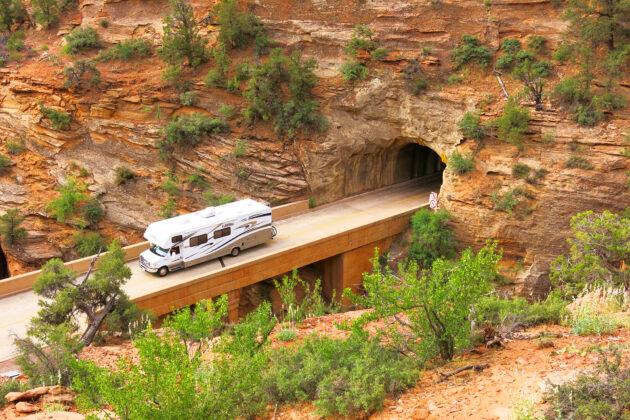
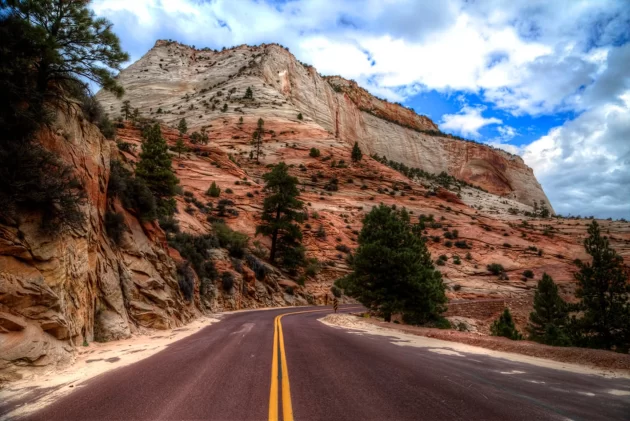
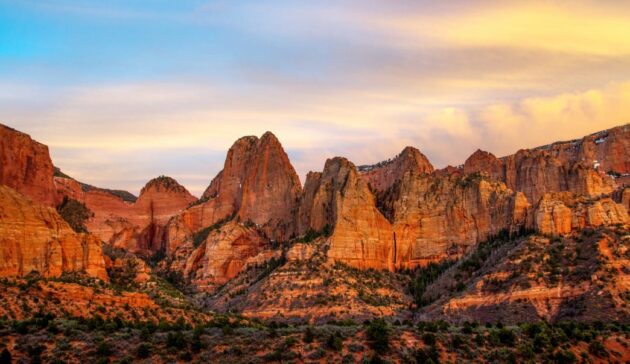
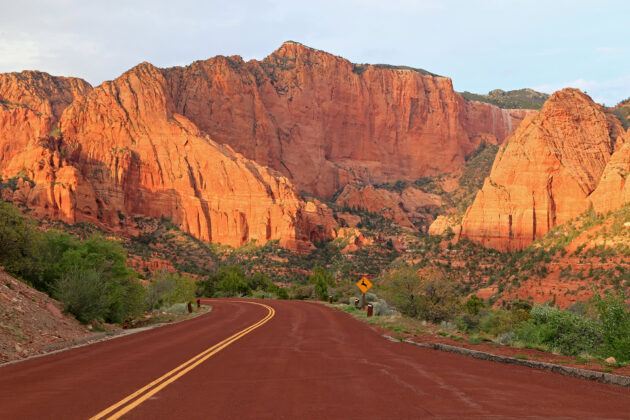
Kolob Canyons: A quieter northern section (1-hour drive from Springdale) with dramatic red rock formations and fewer crowds.
Other Activities: Canyoneering: Tackle routes like The Subway with a permit and guide. Horseback Riding: Guided rides through pine forests and red rock views, available year-round. Stargazing: Zion’s Dark Sky certification ensures spectacular night skies. Join ranger-led programs or visit viewpoints like Kolob Terrace.
Zion Human History Museum: Learn about Native American and Mormon pioneer history with exhibits and a 23-minute film.
Tip: Check trail conditions at the Visitor Center, as flash floods or ice can close routes like The Narrows.
Where to Eat
Inside the Park: Red Rock Grill (Zion Lodge): Serves breakfast, lunch, and dinner with American classics and canyon views. Entrees: $15–30. Castle Dome Café (Zion Lodge): Grab-and-go coffee, snacks, and light meals. Open seasonally.
Springdale: Deep Creek Coffee Co.: Popular for breakfast and lunch, offering coffee, sandwiches, and pastries. Café Soleil Zion: A favorite for quick, healthy meals like wraps and smoothies. Spotted Dog Café: Casual dining with hearty breakfast and dinner options.
Tip: Stock up on snacks in Las Vegas or St. George, as Springdale’s Sol Foods market has limited options and higher prices.
Where to Stay
Inside the Park: Zion Lodge: The only in-park lodging, offering historic cabins, suites, and hotel rooms ($200–350/night). Book 6–13 months in advance. Features Red Rock Grill and Castle Dome Café.
Campgrounds: Watchman Campground: Near the south entrance, with tent ($35/night) and electric sites ($45/night). Book 6 months ahead. South Campground: Temporarily closed for renovations. Lava Point Campground: Remote, tent-only ($25/night), open May–September. Backcountry Camping: Requires a permit for wilderness sites.
Springdale: Cable Mountain Lodge: Closest to the park entrance, with suites and kitchens. Ideal for families. ~$150–300/night. Cliffrose Springdale: A 10-minute walk to the park, offering upscale rooms and river views. ~$200–400/night. La Quinta Inn & Suites: Budget-friendly with shuttle access. ~$100–200/night. Airbnb: Numerous rentals with mountain views, some within walking distance of the park. ~$100–250/night.
Nearby Towns: St. George (1-hour drive): Affordable hotels like Best Western or Holiday Inn (~$80–150/night). Hurricane or Kanab: Budget options and quieter settings, 30–45 minutes away.
Tip: Book accommodations early, especially for spring and fall, as Zion’s popularity fills hotels and campgrounds quickly.
Tips for a Great Visit
Use the Shuttle: The Zion Canyon Shuttle is efficient but crowded at peak times. Board early (7–8 AM) to avoid long waits. Prepare for Weather: Temperatures vary by 30°F daily. Wear layers and check for flash flood warnings in summer.
Gear for The Narrows: Rent waterproof pants, boots, and walking sticks from Zion Outfitter ($25–50) for cold-weather hikes. Permits and Reservations: Secure Angels Landing permits and campground bookings months in advance via Recreation.gov.
Stay Safe: Avoid feeding wildlife, stay on trails, and carry plenty of water (1 liter/hour of hiking). Combine Your Trip: Pair Zion with nearby Bryce Canyon (2-hour drive) or Grand Canyon’s North Rim (2.5-hour drive) for a “Grand Circle” adventure.
Final Thoughts
Zion National Park is a bucket-list destination where towering cliffs, lush canyons, and thrilling trails create a sense of wonder. Whether you’re scaling Angels Landing, wading through The Narrows, or simply soaking in the views from the shuttle, Zion’s beauty is unforgettable. Plan ahead, pack for adventure, and let this natural masterpiece inspire you.
Happy travels!