
A Travel Guide to Canyonlands National Park
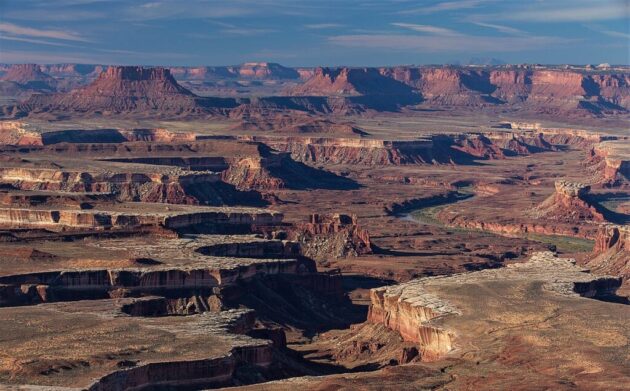
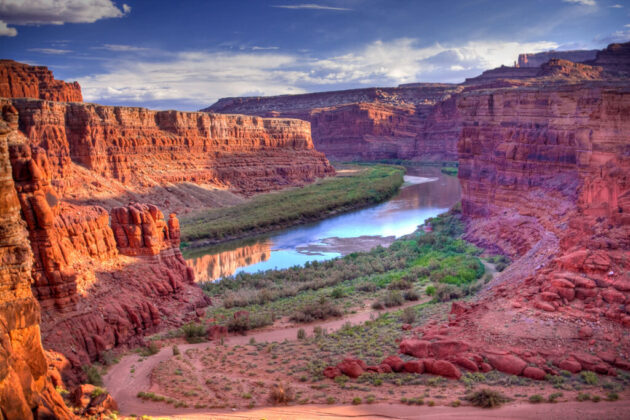
Canyonlands National Park, located in southeastern Utah near the town of Moab, is a breathtaking expanse of rugged desert landscapes carved by the Colorado and Green Rivers. Covering 337,598 acres, it’s Utah’s largest national park and a haven for adventurers, photographers, and nature lovers. Divided into four distinct districts—Island in the Sky, The Needles, The Maze, and the rivers themselves—this park offers diverse experiences, from scenic drives to challenging backcountry treks. This guide will help you plan an unforgettable visit to this geological wonderland, often described by author Edward Abbey as “the most weird, wonderful, magical place on earth.”
Why Visit Canyonlands National Park?
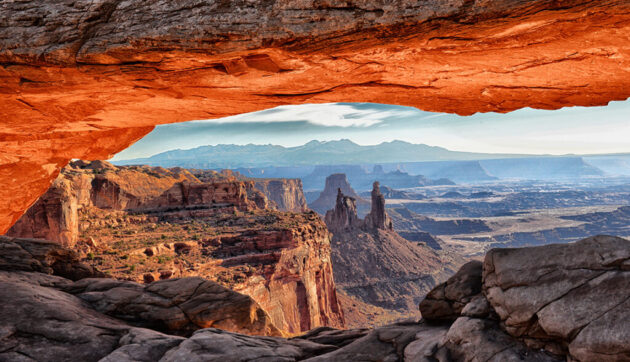
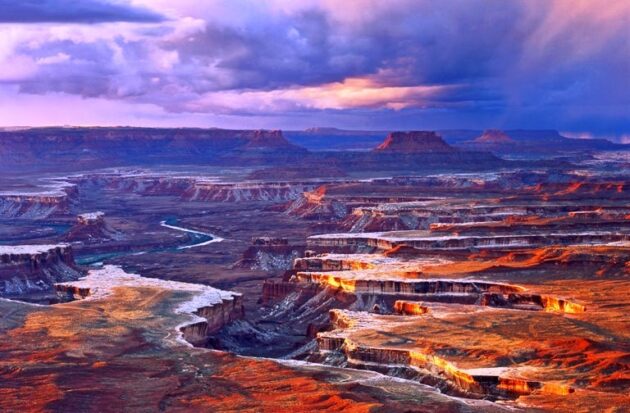
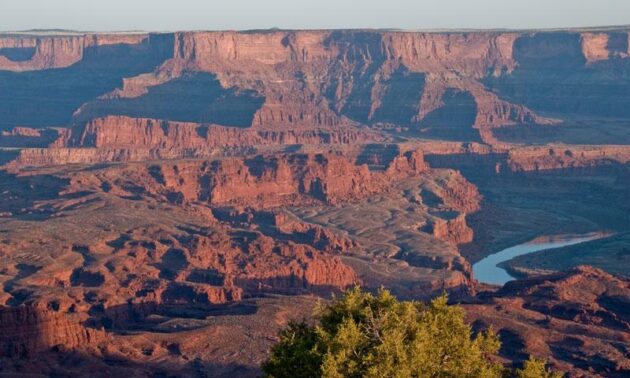
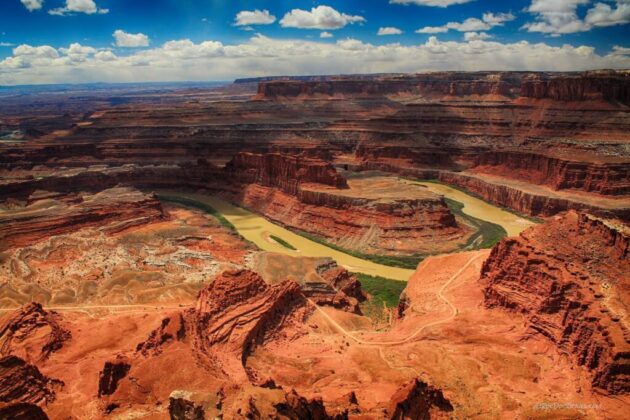
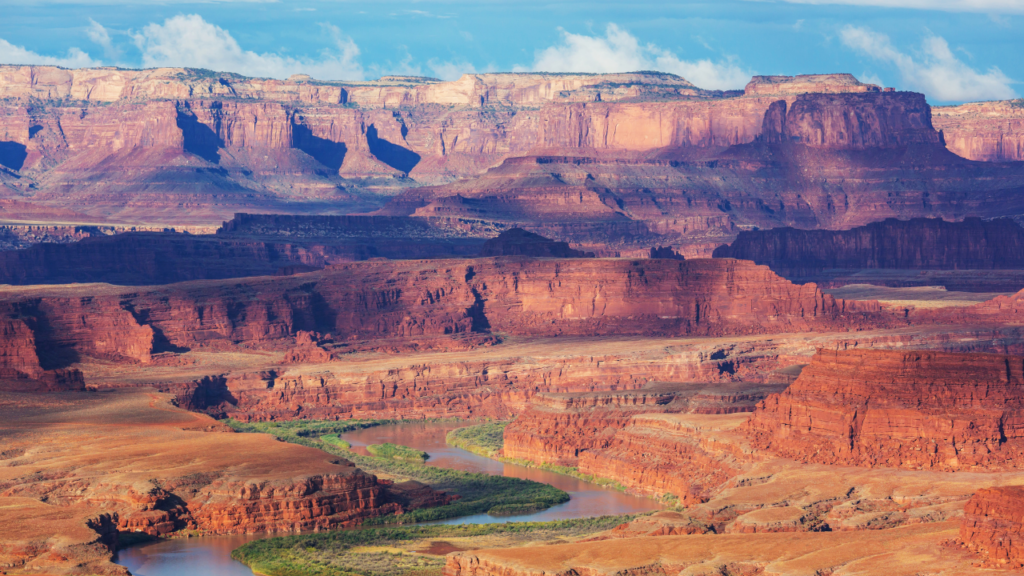
Canyonlands is a masterpiece of erosion, showcasing dramatic canyons, mesas, buttes, and arches sculpted by millions of years of water and wind. Its remote and untamed nature makes it less crowded than nearby Arches National Park, offering a more intimate connection with the desert. Highlights include the iconic Mesa Arch sunrise, ancient Native American rock art, and vast panoramic views that stretch over 100 miles. Whether you’re seeking short hikes, four-wheel-drive adventures, or stargazing in a certified dark-sky park, Canyonlands delivers an unparalleled outdoor experience.
How to Get There
Canyonlands is accessible primarily by car, with Moab as the closest hub (32 miles from Island in the Sky). The park’s four districts are not connected by roads within the park, so plan to focus on one or two per visit.
By Air: Grand Junction Regional Airport (GJT): 122 miles from Island in the Sky, with flights from Denver, Phoenix, and Dallas. Canyonlands Regional Airport (CNY): In Moab, served by SkyWest (Delta/United), ideal for shorter transfers (40 minutes to Island in the Sky). Salt Lake City International Airport (SLC): 247 miles away, about a 4-hour drive, is the nearest major hub.
By Car: Island in the Sky: From Moab, take US-191 north for 12 miles, then UT-313 west for 23 miles to the visitor center (35 miles total). The Needles: From Moab, drive US-191 south to UT-211 west for 34 miles (75 miles total). The Maze: From Green River, take I-70 west to UT-24 south, then a 46-mile dirt road to Hans Flat Ranger Station. High-clearance 4WD vehicles are required. Horseshoe Canyon: From UT-24 near Goblin Valley State Park, take a 31-mile unpaved road (Robbers Roost Road).
Shuttles and Tours: Ground shuttles operate from Salt Lake City or Grand Junction. Guided tours (e.g., jeep, rafting) are available from Moab outfitters like Adventure Bounds USA.
Tip: Rent a high-clearance 4WD vehicle in Moab for backcountry exploration, especially for The Maze or White Rim Road. No public transportation serves the park.
Best Time to Visit
Spring (March–May) and Fall (September–November): Ideal with mild temperatures (60–85°F) and fewer crowds. Perfect for hiking, biking, and scenic drives.
Summer (June–August): Hot (up to 100°F+), but low humidity. Early mornings or evenings are best. Monsoon storms in late summer can cause flash floods, so check weather forecasts.
Winter (December–February): Cold (down to -25°F) with occasional snow, but fewer visitors and stunning desert vistas. Some roads may close due to weather.
Note: The park is open 24/7 year-round, but visitor centers have seasonal hours (e.g., Island in the Sky: 9 AM–4 PM, spring/fall). Check the National Park Service website for updates.
Tickets and Passes
Entrance Fees (valid for 7 days): Private vehicle (≤15 passengers): $30; Motorcycle: $25; Pedestrian/Cyclist: $15. Southeast Utah Parks Annual Pass: $55 (includes Canyonlands, Arches, Hovenweep, and Natural Bridges).
America the Beautiful Pass: $80 annually, covers all U.S. national parks. Free passes available for military, 4th graders, seniors (lifetime: $80; annual: $20), or those with permanent disabilities.
Backcountry Permits: Required for overnight trips, White Rim Road, and certain 4WD routes (e.g., Elephant Hill). Book up to 4 months in advance via recreation.gov, as permits are competitive.
Tip: Purchase passes at visitor centers or online to save time. No entrance fee is required for Horseshoe Canyon.
What to See and Do
Canyonlands’ four districts offer distinct experiences. Most visitors focus on Island in the Sky or The Needles due to accessibility.
Island in the Sky
The most visited district, located on a 6,000-foot mesa with paved roads and stunning overlooks. Ideal for short visits (1–2 hours) or a full day.
Mesa Arch: A 0.7-mile easy hike to a cliff-edge arch, famous for sunrise views (arrive 45 minutes early to avoid crowds). Perfect for photographers.
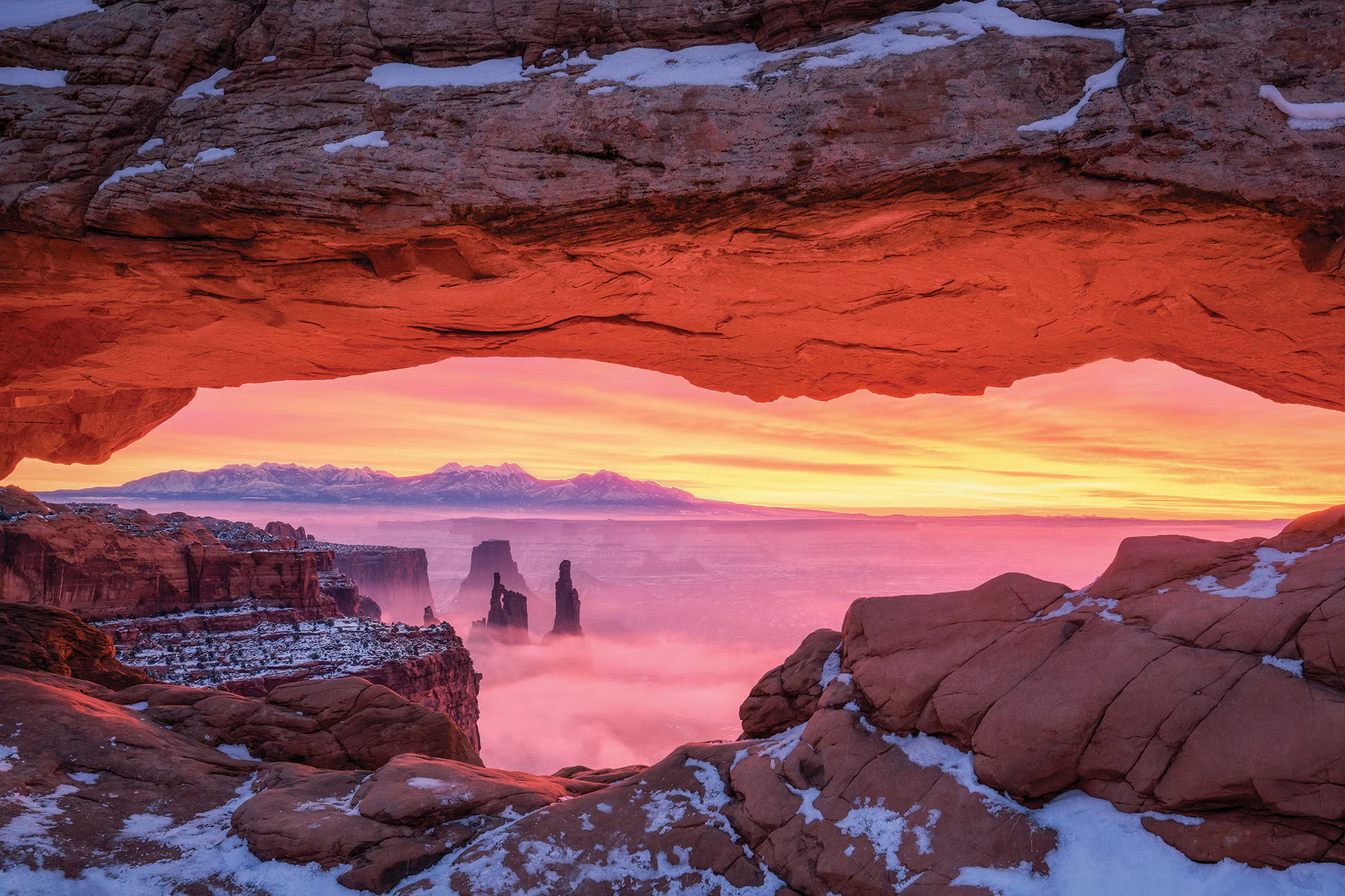
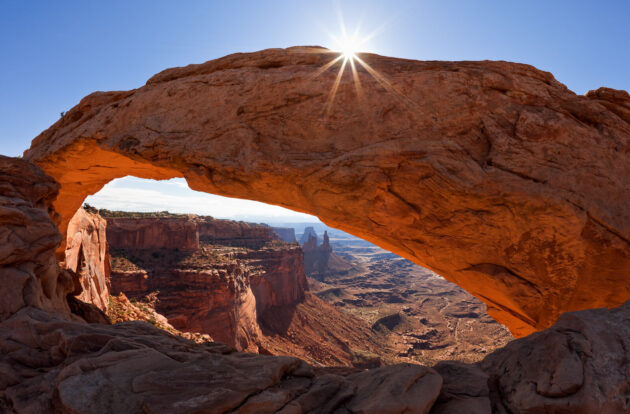
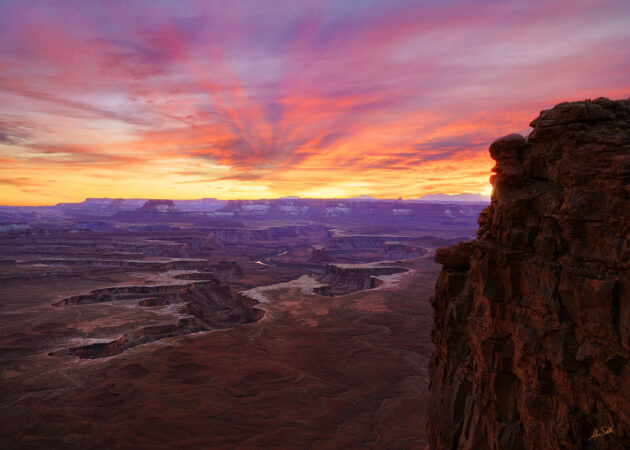
Grand View Point Overlook: A 2-mile round-trip trail with 360° views of canyons and buttes.
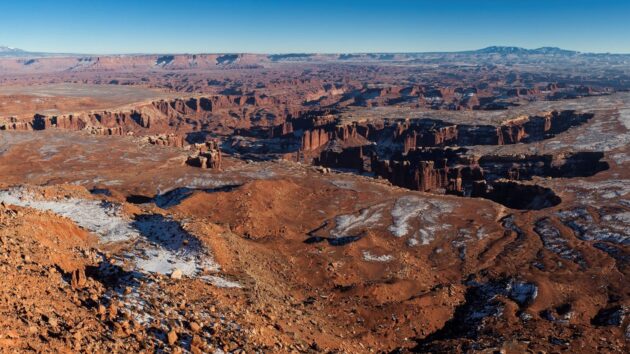
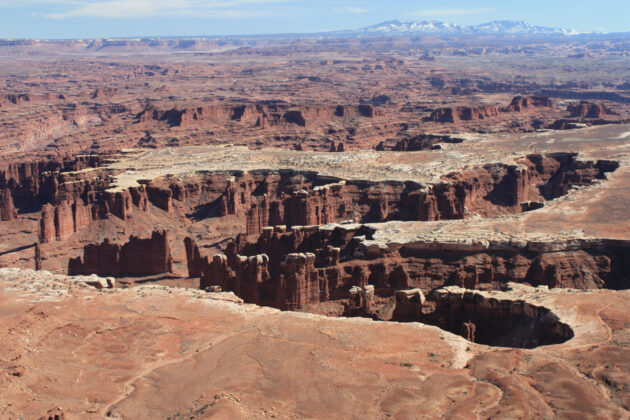
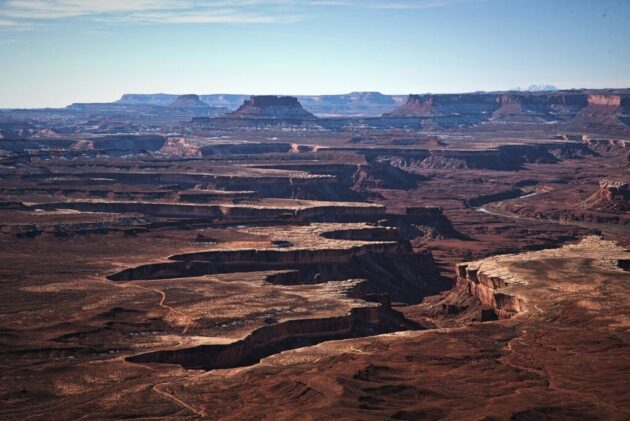
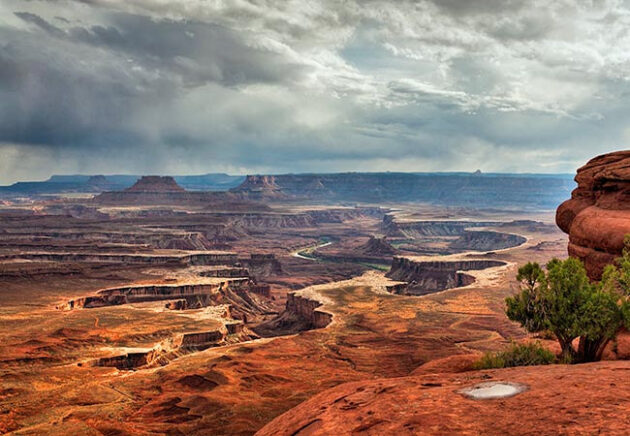
Green River Overlook: A short, paved walkway with views of the Green River carving the landscape. Family-friendly.
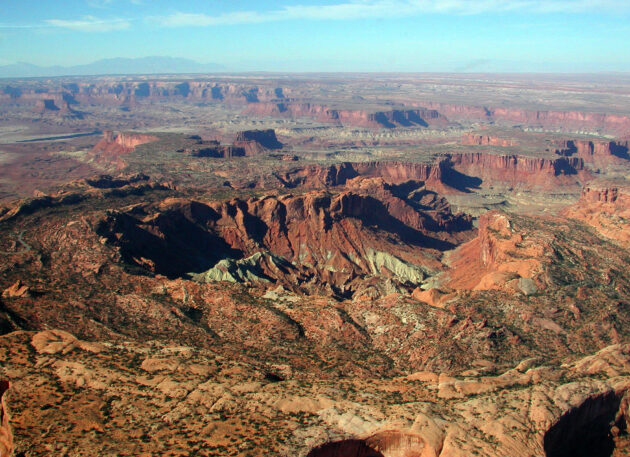
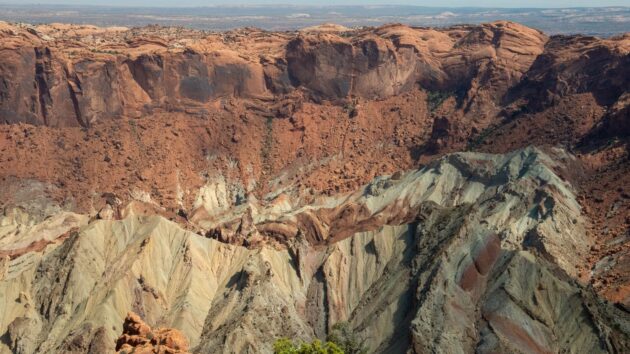
Upheaval Dome: A 1.6-mile round-trip hike to a mysterious crater, possibly caused by a meteorite or salt dome.
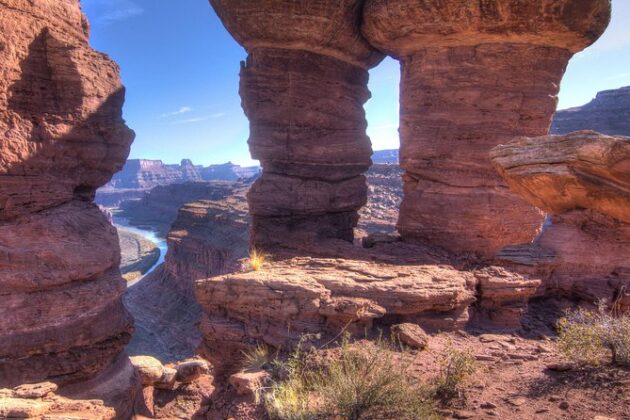
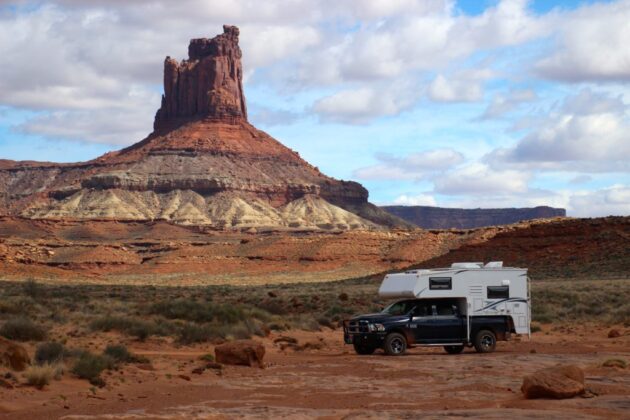
White Rim Road: A 97.2-mile 4WD loop (2–3 days) with views of Monument Basin and the rivers. Requires a permit.
The Needles
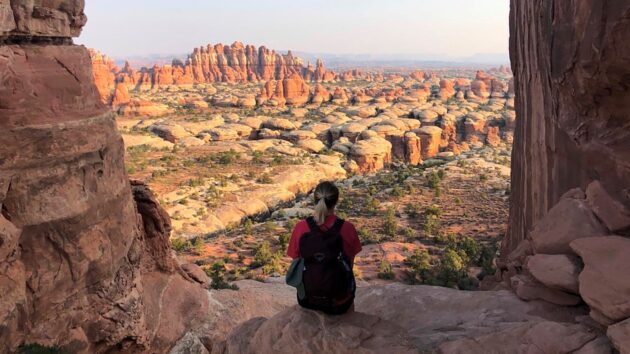
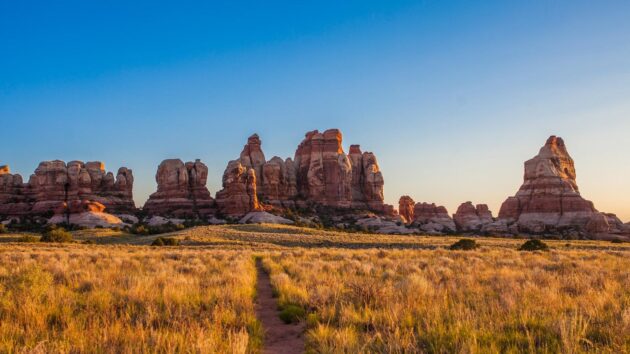
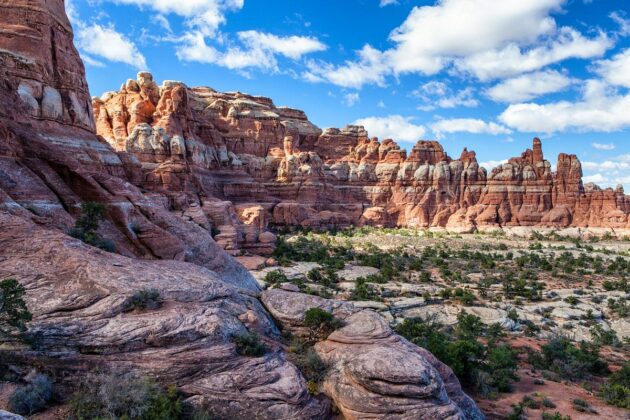
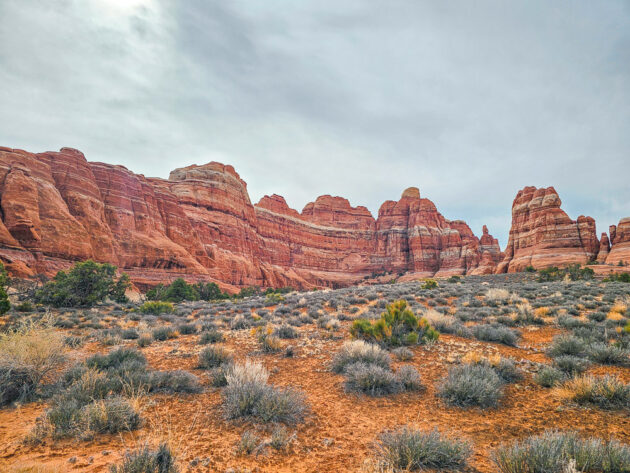
Known for its red-and-white sandstone spires, this district offers over 50 miles of trails and 4WD roads. Best for hikers and adventurers with a full day.
Chesler Park Loop: An 11-mile strenuous hike through narrows and spires, with views of Druid Arch, a striking rock formation.
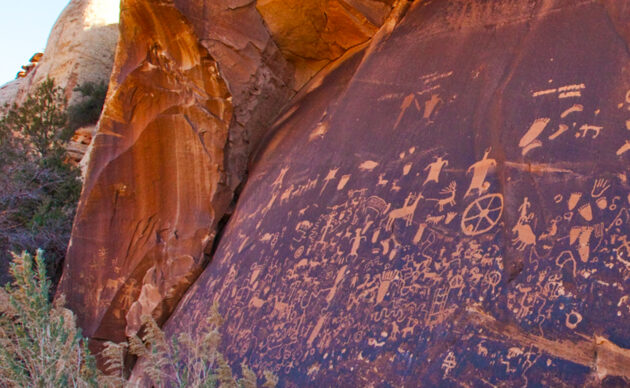
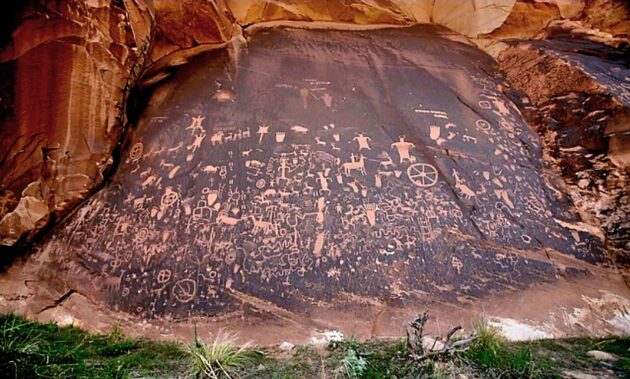
Newspaper Rock: En route to The Needles (on UT-211), this state historic site features ancient petroglyphs.
Elephant Hill: A challenging 4WD route requiring a permit and high-clearance vehicle.
The Maze
The most remote district, accessible only by 4WD via a 46-mile dirt road from UT-24. For expert wilderness travelers only, with no services and multi-day trips common.
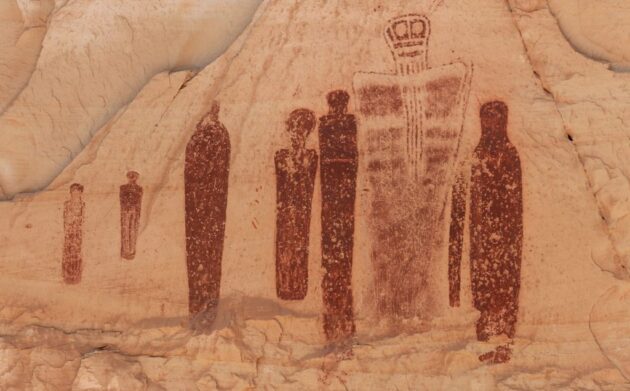
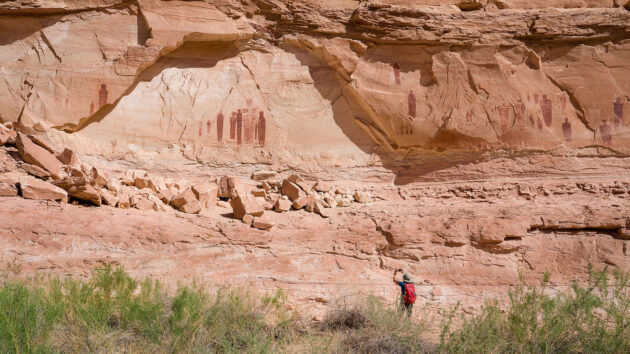
Great Gallery: In Horseshoe Canyon (a separate unit), a 7-mile round-trip hike to 2,000-year-old Native American pictographs. No water or camping in the canyon.
Rivers
The Colorado and Green Rivers offer whitewater rafting (e.g., Cataract Canyon) and calm-water paddling. Guided trips from Moab outfitters like Adventure Bounds USA are recommended. Permits required for self-guided trips.
Other Activities
Stargazing: Canyonlands is a certified dark-sky park, ideal for night sky viewing. Mountain Biking: The White Rim Trail is popular for multi-day trips (permit required). E-bikes are allowed on designated roads.
Ranger Programs: Available March–October, including talks and guided hikes. Check schedules at visitor centers. Junior Ranger Program: Free booklets at visitor centers or online for kids.
Accessibility: Island in the Sky and The Needles visitor centers are mobility equipment/stroller accessible with wheelchair-friendly bathrooms. Some trails (e.g., Green River Overlook) are paved.
Where to Eat
Inside the Park: No food services are available. Pack a picnic lunch, water, and snacks. Pack out all waste, including food scraps and human waste (required in backcountry).
Moab: After exploring, dine at Milt’s Stop and Eat for burgers and shakes or try Moab Brewery for craft beer and pub fare.
Monticello: For The Needles visitors, restaurants like Granary Bar & Grill are about an hour away.
Tip: Bring ample water (at least 1 gallon per person/day) due to the arid climate and lack of water sources.
Where to Stay
Camping in the Park: Island in the Sky Campground: 12 year-round sites with grills, picnic tables, and vault toilets. First-come, first-served. The Needles Campground: 26 sites with bathrooms and RV pads. Reservations required for groups (March–October). Backcountry Camping: Permits required for White Rim Road and other sites. Book early via recreation.gov.
Moab: Upscale: Hoodoo Moab (from $200/night) offers luxury with pool access. Mid-Range: Holiday Inn Express & Suites Moab ($100–150/night). Budget: Moab Valley RV Resort or hostels like Lazy Lizard Hostel ($30–80/night).
Monticello/Blanding: For The Needles, try Monticello Inn ($80–120/night) or Needles Outpost (camping, $20–40/night).
Nearby: Dead Horse Point State Park offers camping with stunning views, 20 minutes from Island in the Sky.
Tip: Book accommodations early, especially in spring/fall. Moab is the best base for Island in the Sky; Monticello for The Needles.
Tips for a Great Visit
Plan for Your Time: One day is enough for Island in the Sky’s highlights (Mesa Arch, Grand View Point). Add a second day for The Needles or a multi-day trip for The Maze or White Rim Road. Safety: Carry maps/compass (no cell service in most areas), sun protection, and extra water. Stay on trails to avoid damaging cryptobiotic soil.
Permits: Required for backcountry camping, 4WD routes, and river trips. Book early for spring/fall. Photography: Mesa Arch at sunrise is a must but gets crowded. Arrive 45 minutes early.
Family-Friendly: Choose easy trails like Mesa Arch or Green River Overlook. Avoid trails with steep drop-offs if traveling with children. Combine Your Trip: Visit nearby Arches National Park (30 minutes from Island in the Sky) or Dead Horse Point State Park for a fuller Utah experience.
Final Thoughts
Canyonlands National Park is a rugged, awe-inspiring destination that rewards those who venture into its vast canyons and mesas. From the accessible overlooks of Island in the Sky to the remote wilderness of The Maze, it offers something for every adventurer. Plan ahead, respect the fragile desert ecosystem, and prepare to be captivated by one of America’s most dramatic landscapes. Whether you’re chasing a Mesa Arch sunrise or exploring ancient rock art, Canyonlands will leave you with memories of a lifetime.
Happy travels!