
Antelope Canyon Travel Guide (2026)
Antelope Canyon, located near Page, Arizona, is one of the most photographed natural wonders in the world, renowned for its surreal, wave-like sandstone formations and vibrant light beams. Situated on Navajo Nation land, this slot canyon offers a breathtaking experience for photographers, nature lovers, and adventure seekers. However, visiting requires careful planning due to its protected status and limited access.
Why Visit Antelope Canyon?
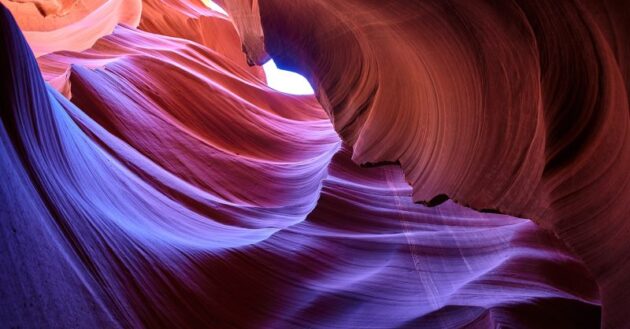
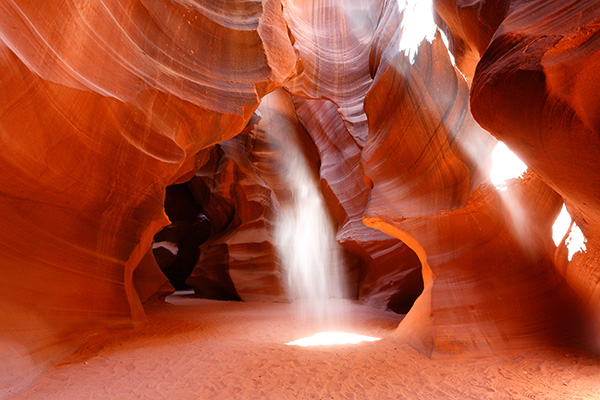
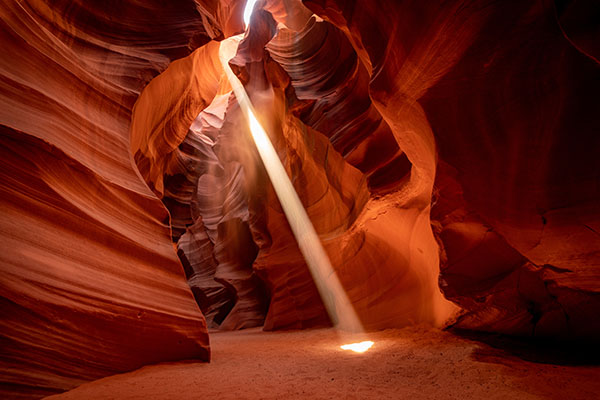
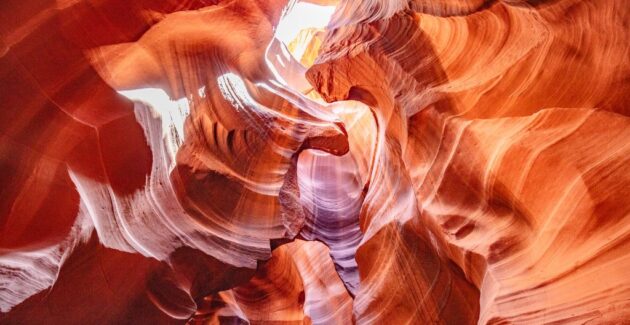
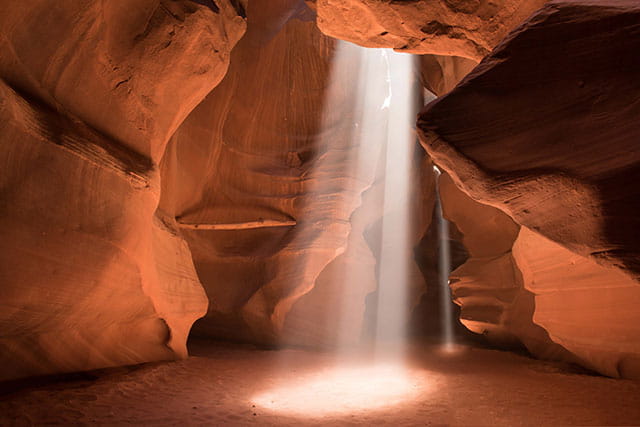
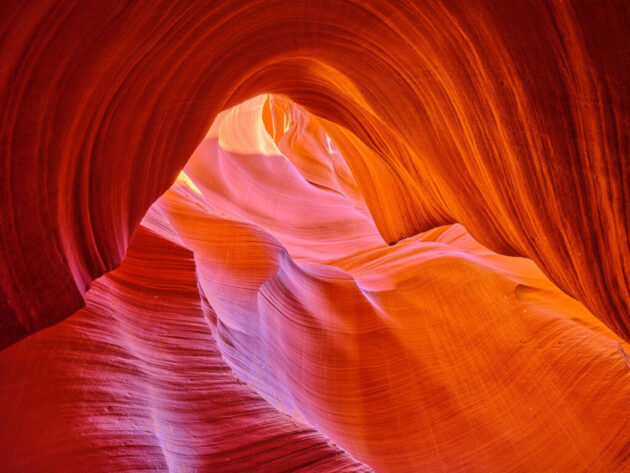
Antelope Canyon is a geological masterpiece, carved over millennia by water and wind into smooth, flowing sandstone walls that glow in shades of red, orange, and gold under sunlight. The canyon’s iconic light beams, visible from late March to October, create a kaleidoscope of colors, making it a bucket-list destination for photographers and travelers.
As part of the Lake Powell Navajo Tribal Park, it holds cultural significance for the Navajo people, adding a layer of spiritual depth to the experience. Its proximity to other stunning attractions like Horseshoe Bend and Lake Powell makes it an ideal stop on a Southwest road trip.
How to Get There
Antelope Canyon is located just 10 minutes east of Page, Arizona, near the Arizona-Utah border. Here are the main ways to reach it:
By Car:
From Phoenix: The drive is about 4.5 hours (280 miles) via I-17 N and US-89 N.
From Las Vegas: Approximately 4.5 hours (280 miles) via I-15 N and US-89 S.
From Grand Canyon South Rim: About 2.5 hours (140 miles) via AZ-64 N and US-89 N. Page is the closest town, and most tours depart from there or the canyon’s entrance off Highway 98. Renting a car is recommended for flexibility, as public transport options are limited.
By Guided Tour from Nearby Cities: Tours from Las Vegas or Flagstaff often include Antelope Canyon and Horseshoe Bend, with transportation provided. For example, Grand Canyon Adventures offers a day trip from Flagstaff that includes both sites, lunch, and entrance fees. Book these tours in advance, as they sell out quickly during peak seasons.
By Air: The closest airport is Page Municipal Airport (PGA), but it primarily serves private and charter flights. The nearest major airports are in Phoenix or Las Vegas, followed by a drive or tour.
Tip: Use Page as your base for exploring Antelope Canyon and nearby attractions like Horseshoe Bend (10 minutes away) or Lake Powell.
Best Time to Visit
Peak Season (March–October): The best time for photography is mid-March to mid-October, when the sun is high enough to create the famous light beams, visible from 11:00 AM to 1:30 PM. June to August is ideal for the most vivid beams, but it’s also the busiest and hottest time (up to 35°C/95°F).
Off-Season (November–February): Fewer crowds, lower rates, and cooler temperatures (as low as 6°C/43°F) make this a great time for a quieter visit. The colors are more muted, but the canyon remains stunning.
Weather Considerations: Antelope Canyon may close during heavy rain or snow due to flash flood risks, especially during Arizona’s monsoon season (June–September). Check weather forecasts and tour availability before traveling.
Crowds: Weekends and peak season are extremely busy, so book tours 6–12 months in advance for the best time slots.
Tickets and Tours
Antelope Canyon is accessible only through guided tours operated by Navajo guides, as it’s on protected Navajo Nation land. Independent exploration is not allowed.
Tour Types: Upper Antelope Canyon (The Crack): The most popular option, with flat terrain and iconic light beams. Ideal for photographers and casual visitors. Tours last about 1–1.5 hours, including a 20-minute drive and a 20-minute sandy hike back to the parking lot. Cost: ~$90–$120, plus an $8 Navajo Park fee.
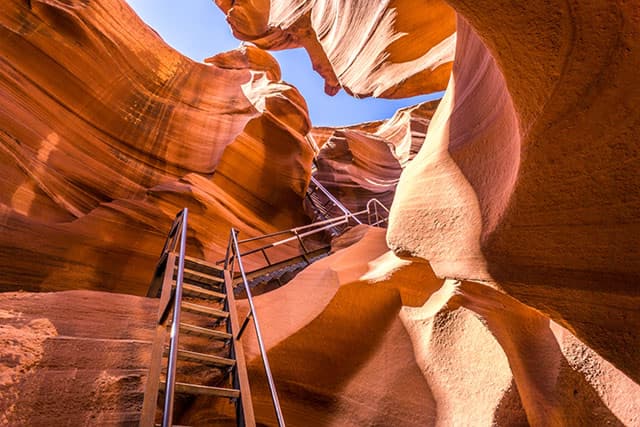
Lower Antelope Canyon (The Corkscrew): Less crowded but more physically demanding, requiring climbing five flights of stairs and navigating narrower passages. Great for adventurous visitors and photographers seeking unique angles like the “Heart” or “Pirouette” formations. Tours last ~1.5 hours and cover 1.1 miles. Cost: ~$69–$90.
Photography Tours: Offered for both Upper and Lower canyons, these provide extra time for setting up shots and allow tripods (prohibited on regular tours). Book early, as spots are limited. Cost: ~$150–$200.
Booking: Reserve online through operators like Antelope Canyon Tours, Inc. (Upper), Dixie Ellis (Lower), or Navajo Tours. Tours sell out months in advance, especially for midday slots when light beams are visible. Book 6–12 months ahead for peak season. Check cancellation policies, as refunds are typically available up to 48 hours before the tour (minus fees).
Entry Requirements: A Navajo Nation permit ($8 per person, usually included in tour fees).
No bags, backpacks, tripods, or selfie sticks are allowed (except on photography tours). Cameras and water bottles are permitted. Use a clear plastic bag if needed.
What to Expect
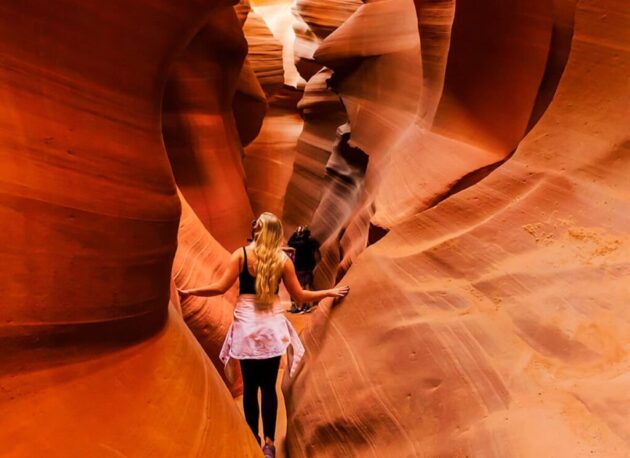
Upper Antelope Canyon: Flat, accessible terrain with no climbing, making it family-friendly. Narrow passages (sometimes only wide enough for two people) and guided groups of 10–20 people. Stunning light beams and vibrant colors, especially at midday. Photography can be challenging due to crowds and time constraints, but guides often help with shots.
Lower Antelope Canyon: More physically demanding, with steep stairs and uneven surfaces. Not recommended for those with mobility issues. Offers unique formations and softer lighting, ideal for creative photography. Less crowded than Upper, but still busy during peak season.
Safety and Etiquette: Follow your Navajo guide’s instructions, as the canyon is sacred to the Navajo people. Respect cultural stories and avoid interrupting. Be prepared for sandy, dusty conditions and potential heat. Wear sturdy shoes, sunscreen, and bring water (at least 2 bottles). Flash floods are a risk during monsoon season, and tours may be canceled for safety.
Photography Tips: Use a DSLR with low ISO settings and no flash for best results. Cover cameras when not in use to protect from sand. Regular tours don’t allow tripods or video recording. Book a photography tour for more flexibility.
Where to Stay
Page, Arizona, is the best base for visiting Antelope Canyon. Options include:
Hampton Inn & Suites Page – Lake Powell: Modern, with clean rooms, free breakfast, and parking for RVs/boats. ~$100–$200/night. The Bear’s Den B&B: Cozy, ADA-compliant with three rooms, pillowtop mattresses, and private bathrooms. ~$80–$150/night. Antelope Point Marina: RV camping with full hookups and scenic views of Lake Powell. ~$50–$100/night.
Budget Options: Motels like Days Inn Page or Super 8 by Wyndham Page offer affordable stays (~$60–$120/night).
Tip: Book accommodations early, as Page fills up quickly during peak season. Consider staying 1–2 nights to explore nearby attractions.
Where to Eat
In Page: Big John’s Texas BBQ: Popular for hearty meals like brisket and ribs. ~$15–$25 per person. El Patio Mexican Restaurant: Offers authentic tacos and burritos. ~$10–$20. Starlite Restaurant: Casual diner with American and Chinese options. ~$10–$15. Navajo-Run Eateries: Support local businesses by dining at places like Red Heritage, a Native American dinner theater.
On-Site: No food is available at the canyon, so bring snacks or eat in Page before/after your tour.
Nearby Attractions
Horseshoe Bend (10 minutes away): A stunning 980-foot-deep viewpoint of the Colorado River’s horseshoe-shaped curve. Free entry, short hike. Lake Powell: Offers boating, kayaking, and scenic views. Antelope Point Marina is a great starting point.
Glen Canyon Dam: A quick stop for views of the Colorado River and Lake Powell. Often included in combo tours. Vermilion Cliffs & White Pocket: Unique geological formations for hiking and photography. Guided tours available. Zion National Park (2 hours away): Iconic red rock landscapes and hiking trails.
Tips for a Great Visit
Book Early: Secure tour tickets 6–12 months in advance, especially for midday slots in peak season. Dress Appropriately: Wear light, breathable clothing in summer, layers in winter, and sturdy shoes for sandy terrain.
Respect the Environment: Follow Leave No Trace principles and avoid touching canyon walls to preserve the delicate ecosystem. Photography Prep: Bring lens cloths for dust, and avoid changing lenses in the sandy environment.
Combine Your Trip: Plan a day trip to include Horseshoe Bend and Glen Canyon Dam for a full experience. Support Navajo Culture: Purchase authentic crafts or dine at Navajo-run businesses to contribute to the local community.
Final Thoughts
Antelope Canyon is a once-in-a-lifetime destination that blends natural beauty, cultural significance, and photographic splendor. Its narrow, sculpted passages and radiant light beams create an unforgettable experience, but careful planning is essential due to limited access and high demand.
Book your tour well in advance, respect the Navajo Nation’s sacred land, and pair your visit with nearby attractions for a complete Southwest adventure. Whether you choose Upper or Lower Antelope Canyon, this magical place will leave you in awe of nature’s artistry.
Happy travels!