

A Travel Guide to Chicago
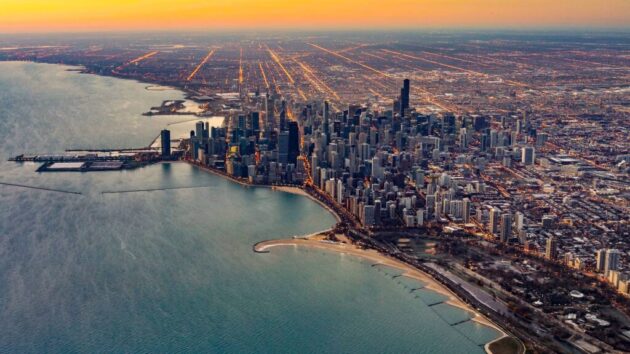
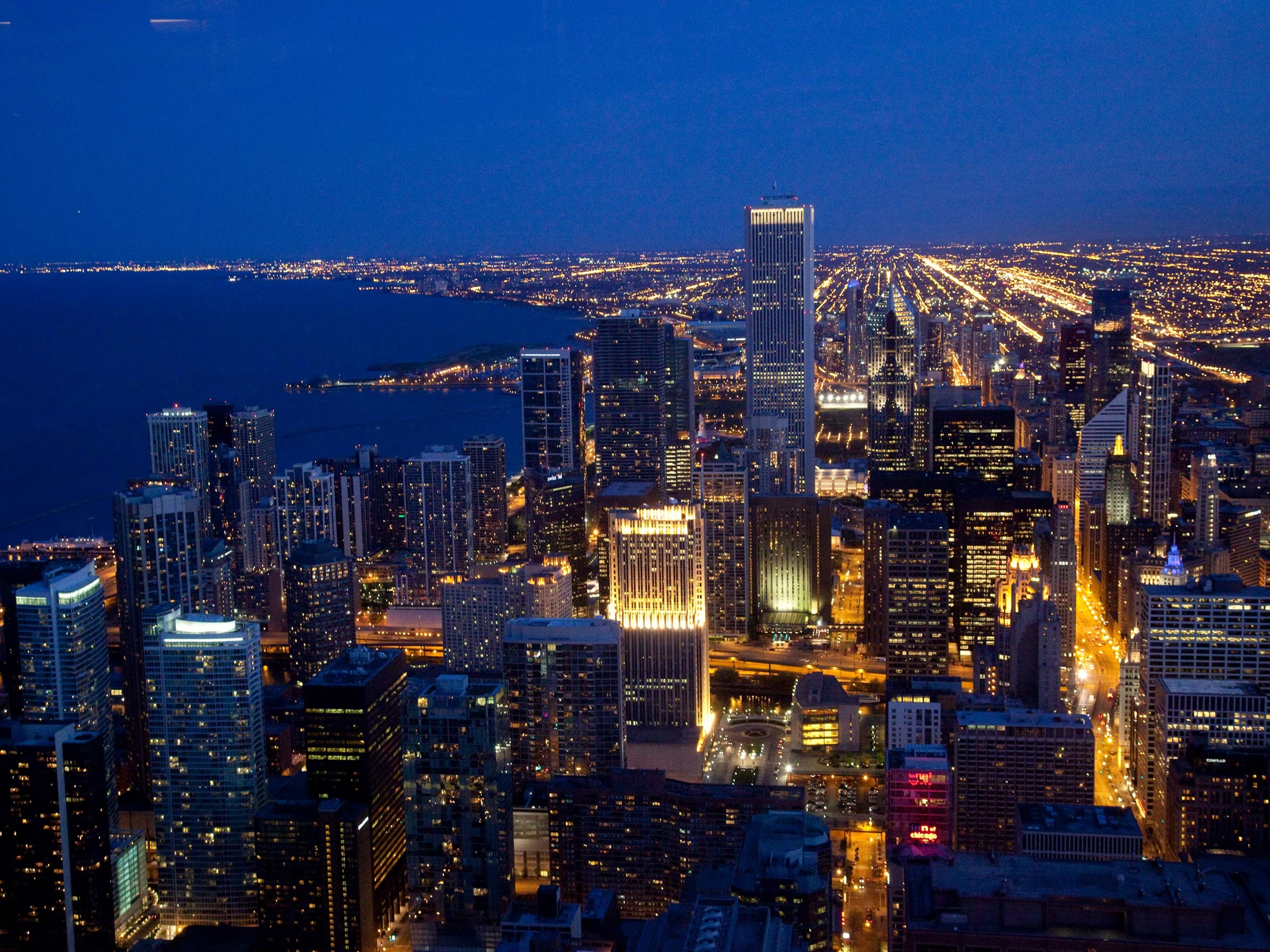
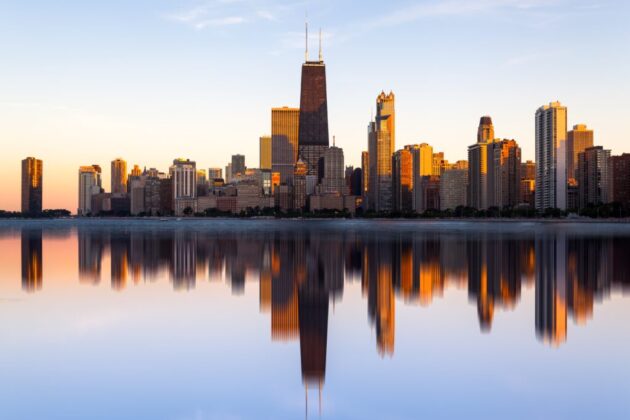
Chicago, known as the “Windy City,” is the third-largest city in the United States and a vibrant hub of culture, architecture, and cuisine. Located on the shores of Lake Michigan in Illinois, Chicago offers a dynamic mix of iconic skyscrapers, world-class museums, diverse neighborhoods, and a legendary food scene. Whether you’re a first-time visitor or a seasoned traveler, this guide will help you plan an unforgettable trip to Chicago.
Why Visit Chicago?
Chicago captivates with its stunning skyline, rich history, and welcoming vibe. It’s home to architectural masterpieces, 26 miles of lakefront, and over 200 neighborhoods, each with its own unique character. From the dazzling Millennium Park to the culinary delights of deep-dish pizza and Chicago-style hot dogs, the city offers something for everyone—art lovers, sports fans, foodies, and history buffs alike. Its walkable layout, excellent public transit, and year-round events make it an accessible and exciting destination.
How to Get There
By Air: O’Hare International Airport (ORD): One of the world’s busiest airports, 17 miles northwest of downtown. It’s a hub for United Airlines and serves numerous domestic and international flights. From O’Hare, take the CTA Blue Line to downtown (45 minutes, ~$5) or a taxi/rideshare (~30–45 minutes, $30–50).
Midway International Airport (MDW): Smaller and primarily for domestic flights, located 10 miles southwest of downtown. Take the CTA Orange Line to the Loop (30 minutes, ~$3) or a taxi/rideshare (~20–30 minutes, $20–35).
By Train: Amtrak: Chicago’s Union Station is a major hub with connections to cities across the U.S., like New York, Los Angeles, and Seattle. The trip from New York takes about 19 hours (~$100–200). Book early for deals.
By Car: Chicago is at the intersection of major highways (I-90, I-94, I-290). Driving from nearby cities like Milwaukee (1.5 hours) or Indianapolis (3 hours) is straightforward. Parking downtown can be expensive ($20–40/day), so consider public transit once in the city.
By Bus: Greyhound and Megabus offer affordable routes to Chicago from cities like Detroit or Minneapolis. Fares start at $15–30, with stops at Union Station or near downtown.
Getting Around
Chicago is highly walkable, especially downtown, and has an excellent public transit system:
CTA (Chicago Transit Authority): The L Train (elevated/subway) is the backbone of Chicago’s transit, with eight color-coded lines (e.g., Red, Blue). A single ride costs $2.50; a 1-day pass is $10. The Blue Line connects O’Hare to downtown, and the Orange Line serves Midway. CTA buses cover areas not reached by trains. Use the Ventra app for tickets and real-time schedules.
Rideshare/Taxi: Uber and Lyft are widely available, often cheaper than taxis. A ride within downtown typically costs $8–15. Biking: Chicago’s Divvy bike-share program offers rentals ($3.30/ride or $16.50/day). Bike lanes make cycling safe, especially along the Lakefront Trail.
Walking: The Loop, Riverwalk, and Magnificent Mile are pedestrian-friendly, perfect for exploring on foot.
Best Time to Visit
Spring (March–May): Mild weather (50–70°F) and blooming parks make this a great time. The Chicago Riverwalk opens for the season, and events like St. Patrick’s Day (with the green-dyed river) draw crowds. Summer (June–August): Warm and sunny (70–85°F), ideal for festivals like Lollapalooza (August) and the Chicago Air and Water Show. Urban beaches along Lake Michigan are at their best.
Fall (September–November): Crisp temperatures (50–70°F) and stunning foliage in parks like Millennium Park. The Chicago Marathon (October) is a highlight. Winter (December–February): Cold (20–35°F) with snow, but festive events like Christkindlmarket and ice skating at Maggie Daley Park create a magical vibe. Indoor attractions like museums shine.
Tip: Summer and fall are peak seasons, so book accommodations early. Winter offers fewer crowds and lower hotel rates.
Top Attractions
The Art Institute of Chicago
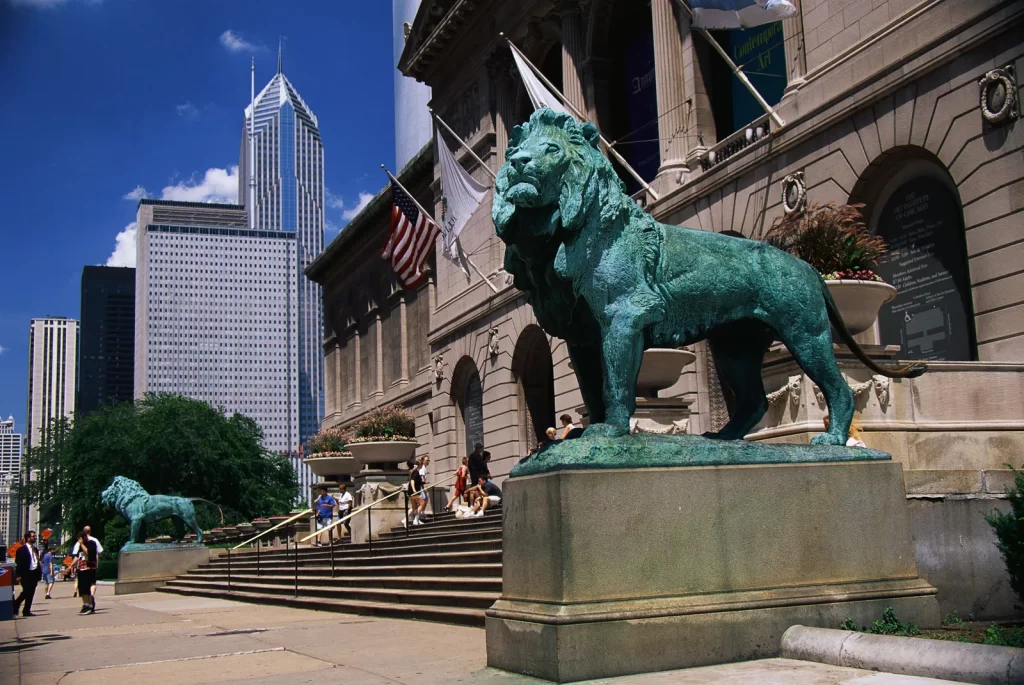
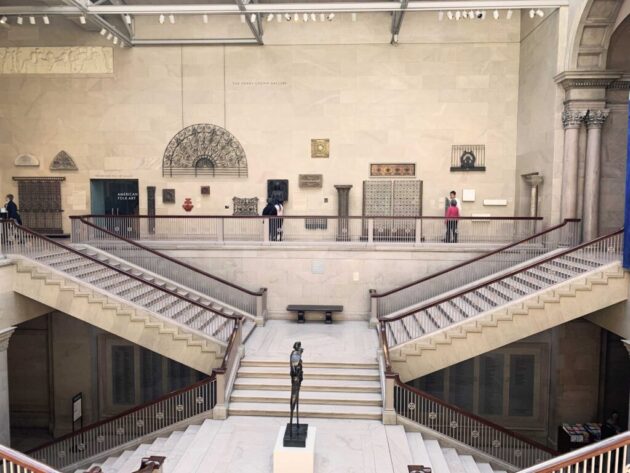
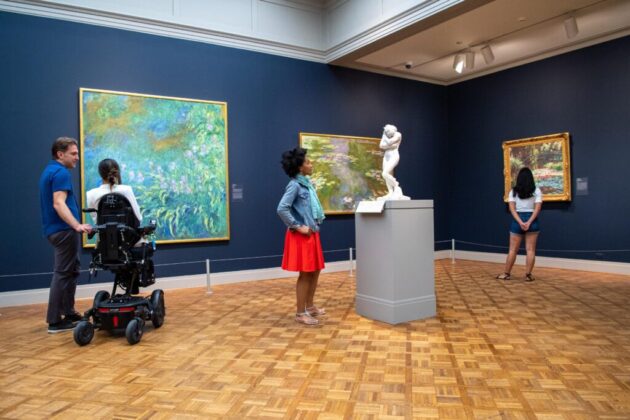
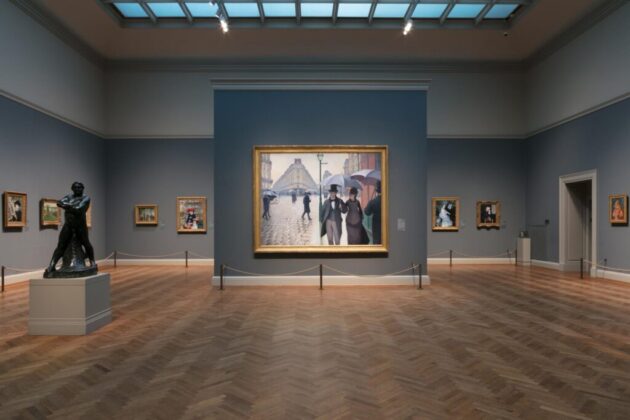
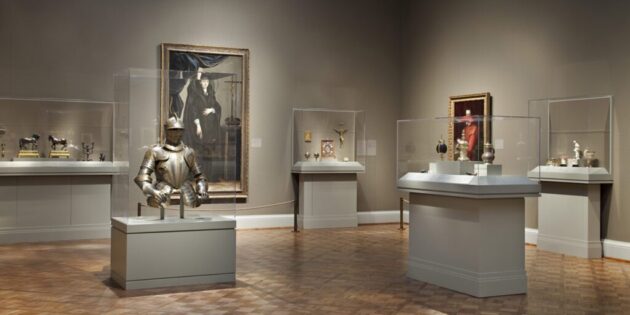
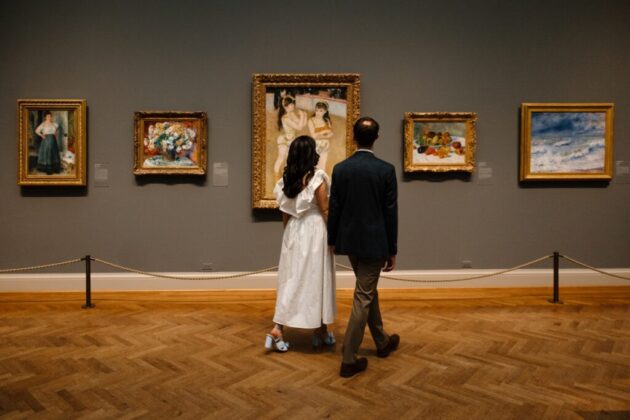
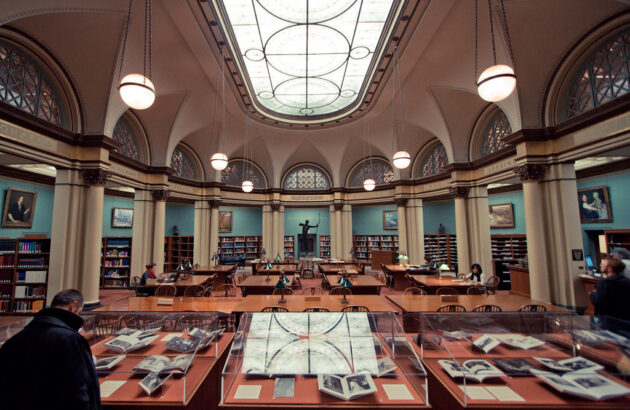
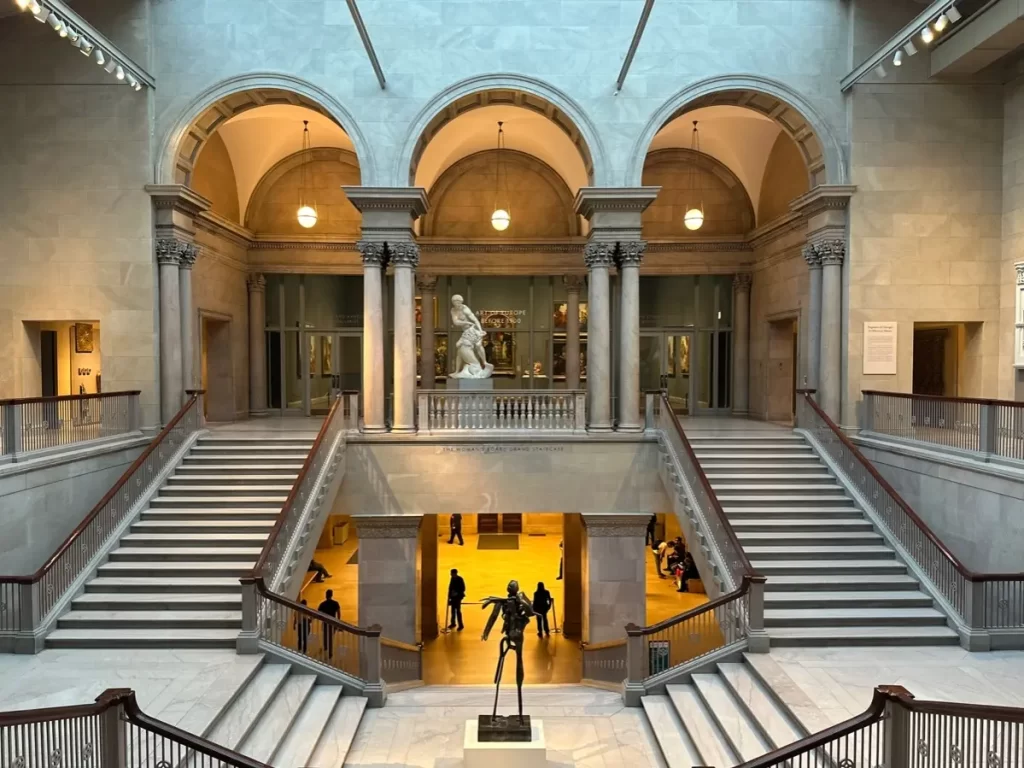
The Art Institute of Chicago, located in the heart of downtown Chicago, is one of the world’s premier art museums, renowned for its extensive collection spanning 5,000 years of human creativity. Situated in Grant Park along Michigan Avenue, this cultural gem houses over 300,000 works of art, including iconic masterpieces like A Sunday on La Grande Jatte by Georges Seurat and American Gothic by Grant Wood.
Shedd Aquarium
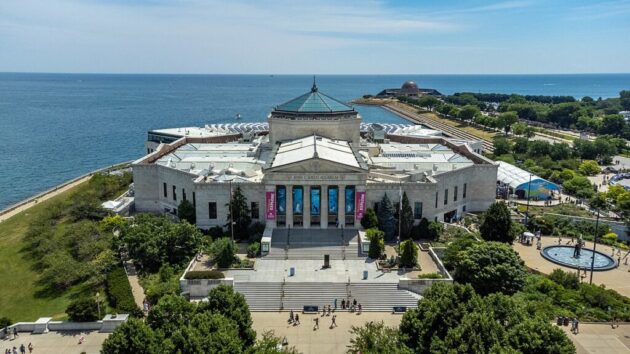
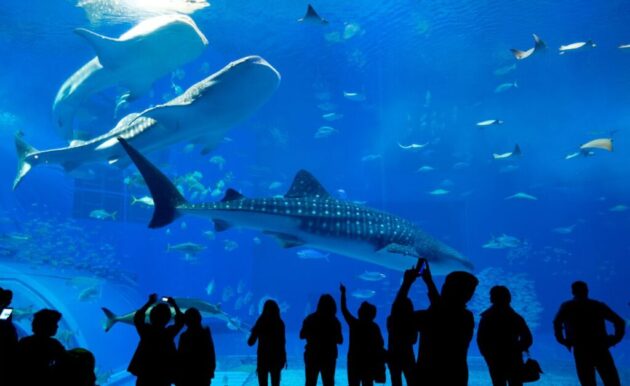
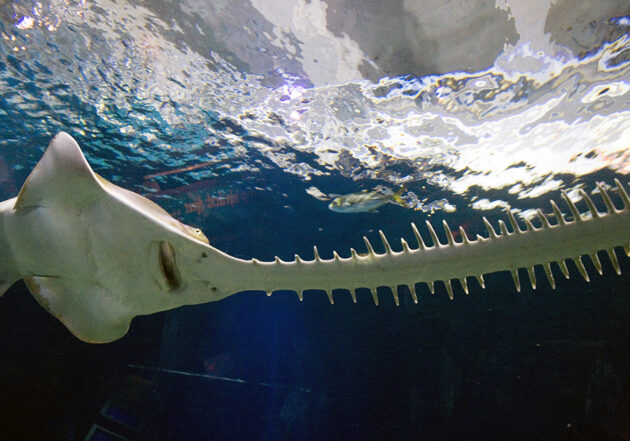
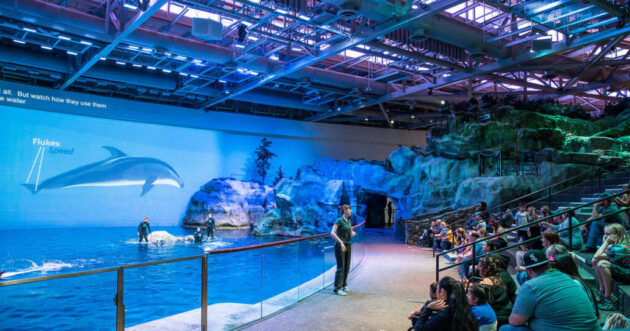
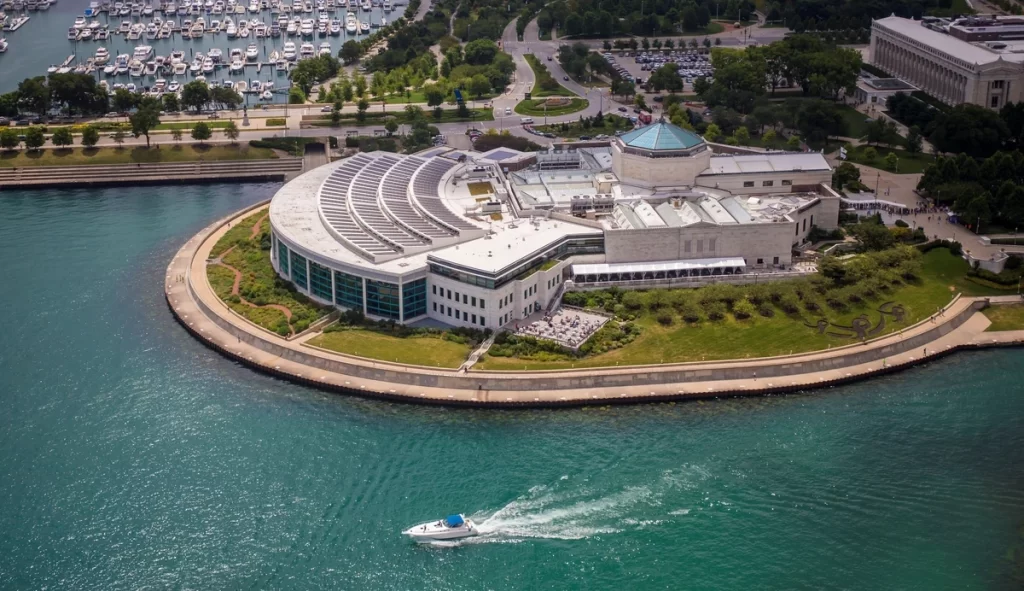
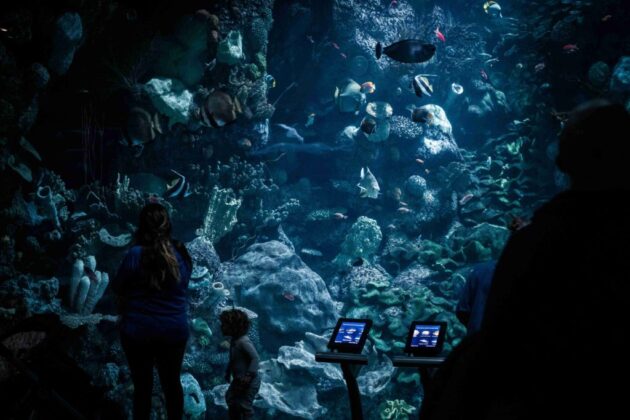
Shedd Aquarium, located on the shores of Lake Michigan in Chicago, Illinois, is one of the largest indoor aquariums in the world. It houses over 32,000 aquatic creatures from around the globe, offering visitors a fascinating glimpse into marine life. Opened in 1930, Shedd Aquarium is not only an iconic Chicago destination but also a leader in conservation and education.

Museum of Science and Industry, Chicago
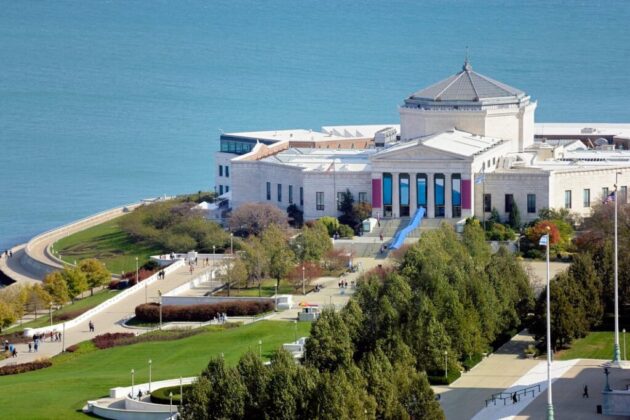
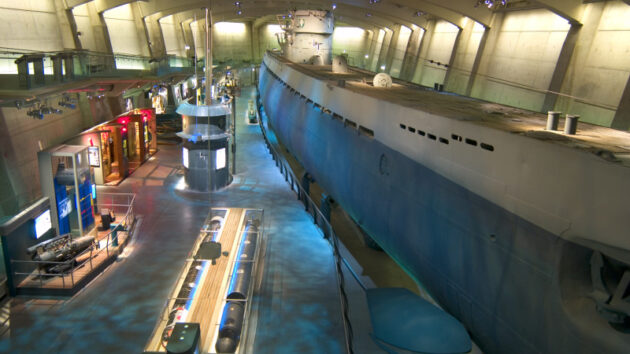
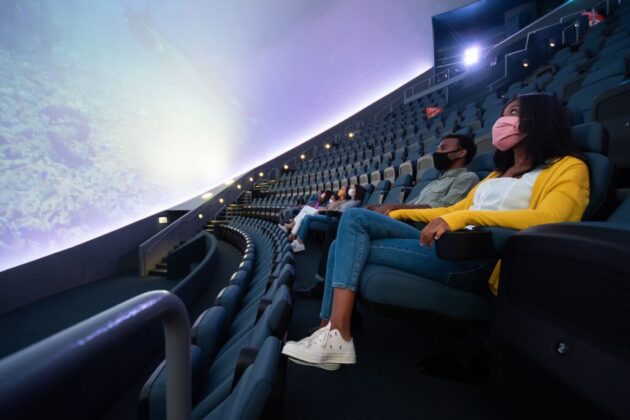
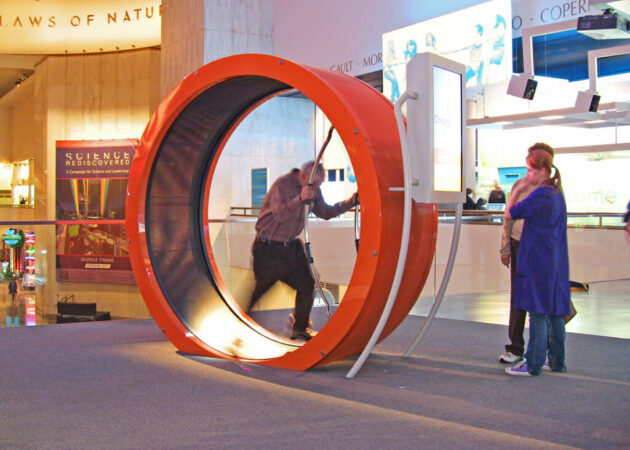
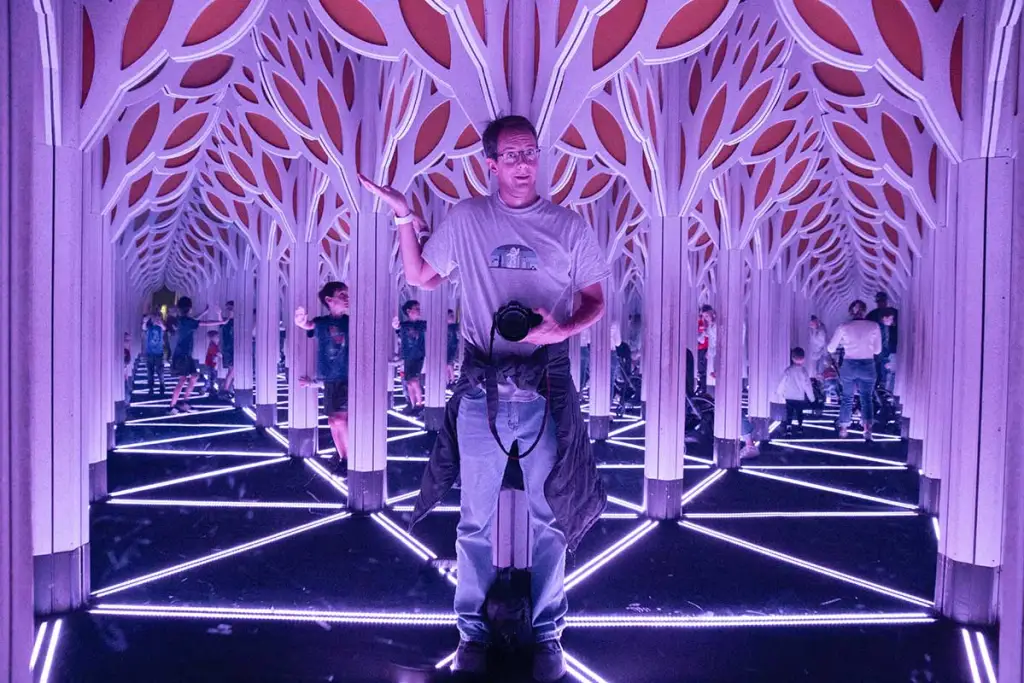
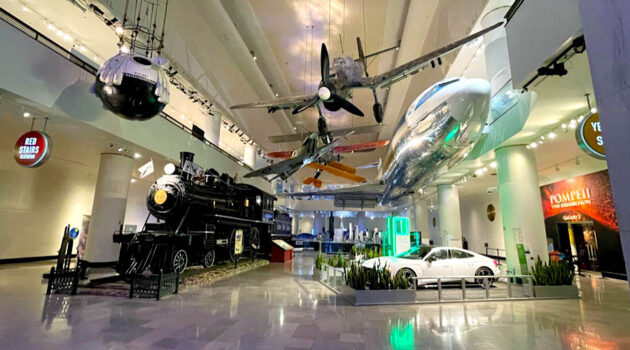
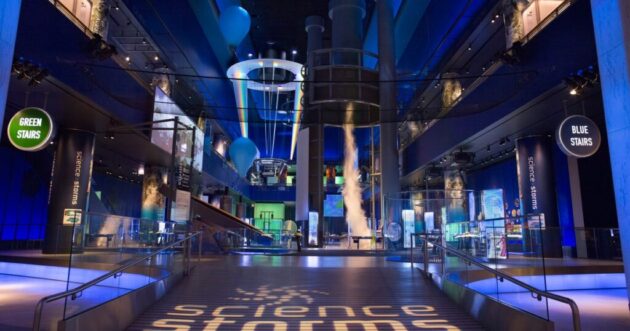
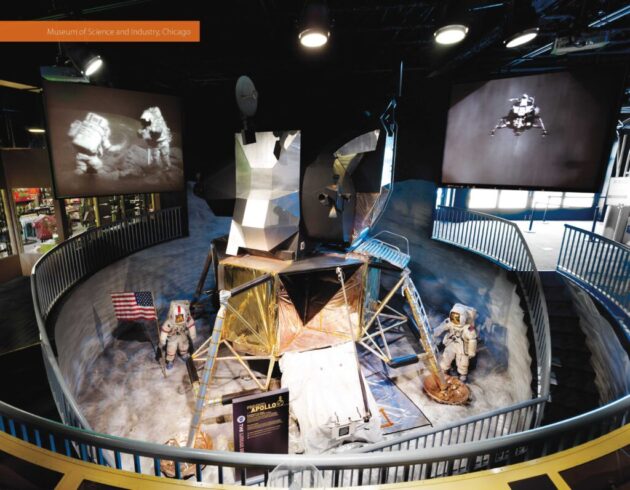
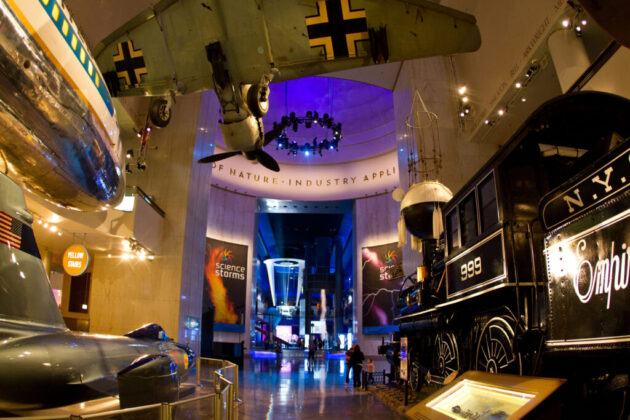
The Museum of Science and Industry (MSI) in Chicago is one of the largest science museums in the world, offering a mix of interactive exhibits and immersive experiences that cover a wide range of topics, from space exploration to natural phenomena. Located in Jackson Park, this museum is housed in the former Palace of Fine Arts from the 1893 World’s Columbian Exposition, making it a historic landmark as well as a top attraction for visitors of all ages.
The Field Museum
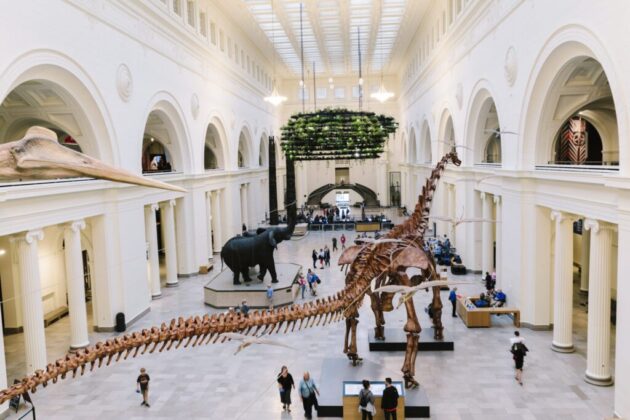
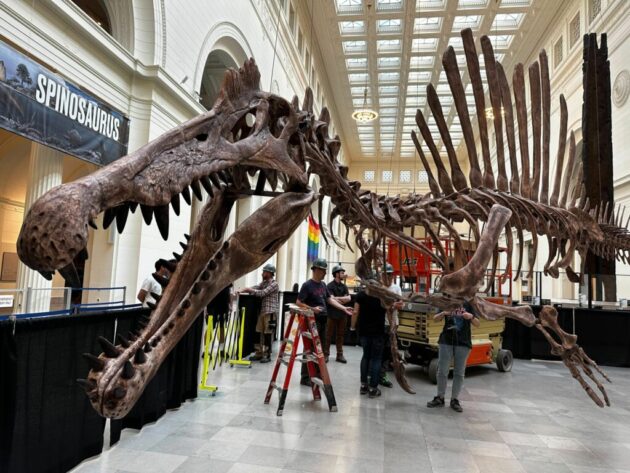
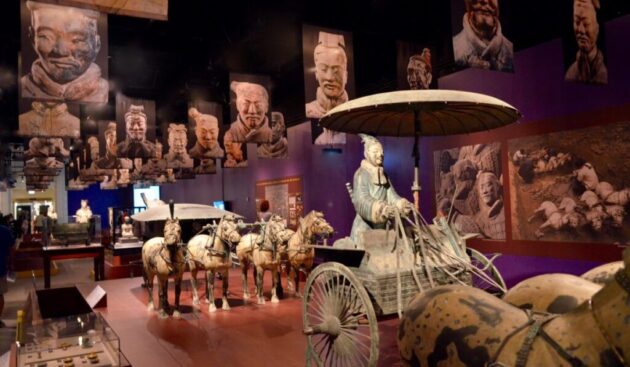
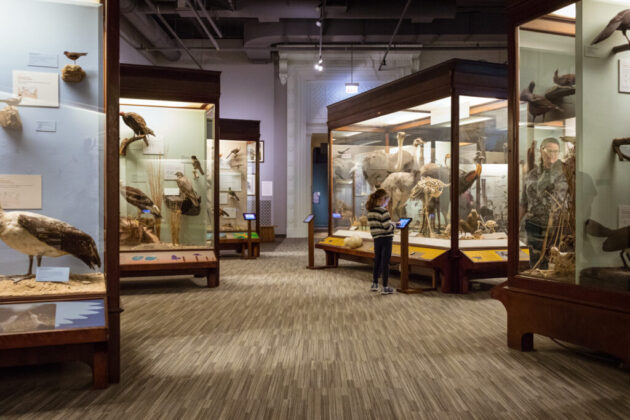
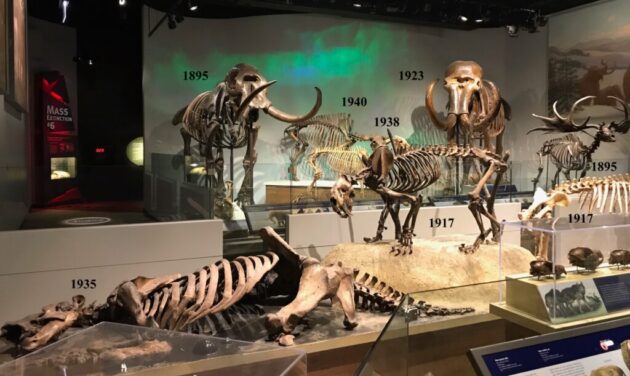
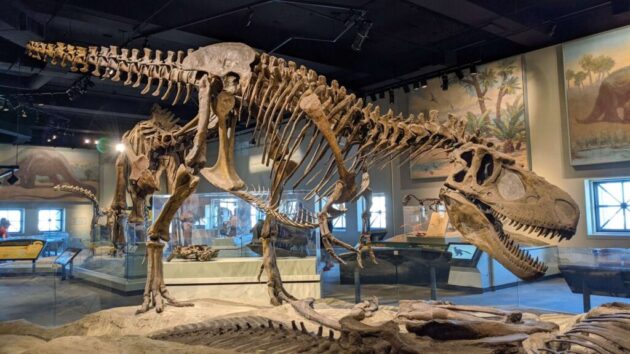
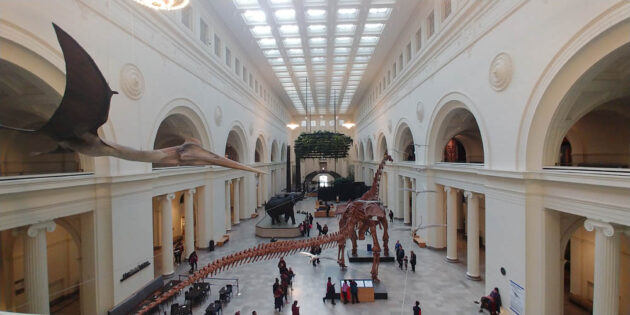
The Field Museum of Natural History in Chicago, United States, is one of the world’s largest natural history museums, established in 1893 following the World’s Columbian Exposition. Named after its first major benefactor, Marshall Field, it houses over 40 million specimens and artifacts, including the famous SUE the T. rex—the most complete Tyrannosaurus fossil ever discovered—and exhibits ranging from ancient Egyptian mummies to cultural artifacts from China and the Pacific.

Chicago Riverwalk
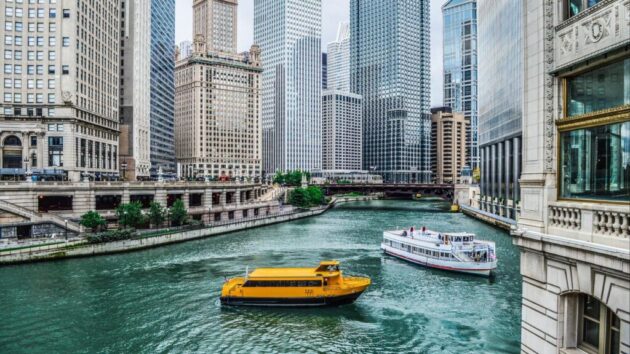
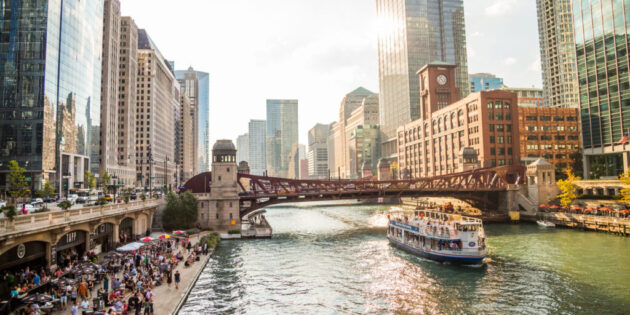
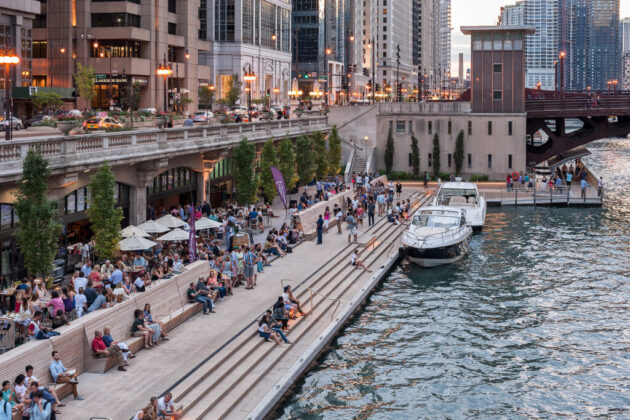
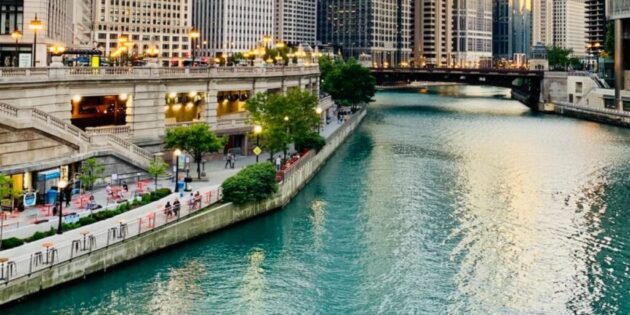
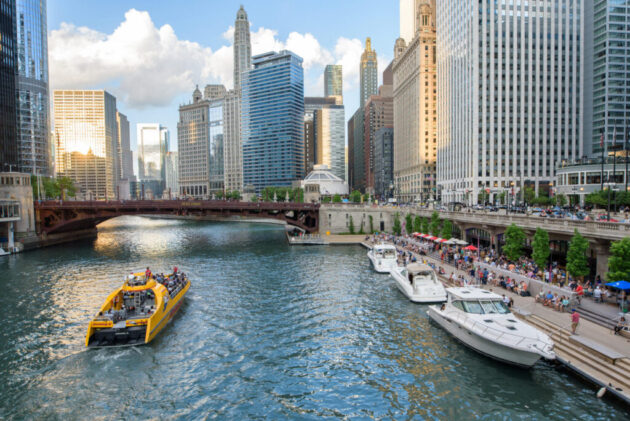
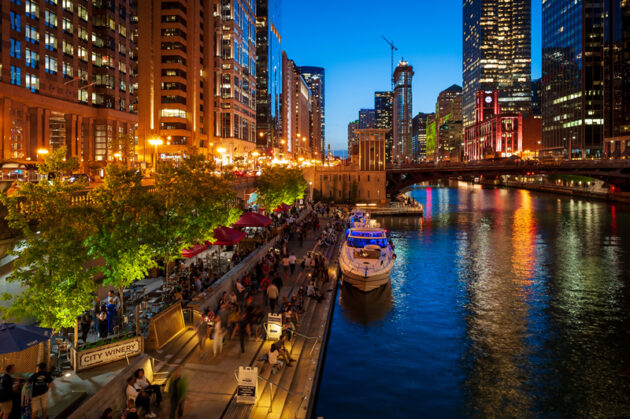
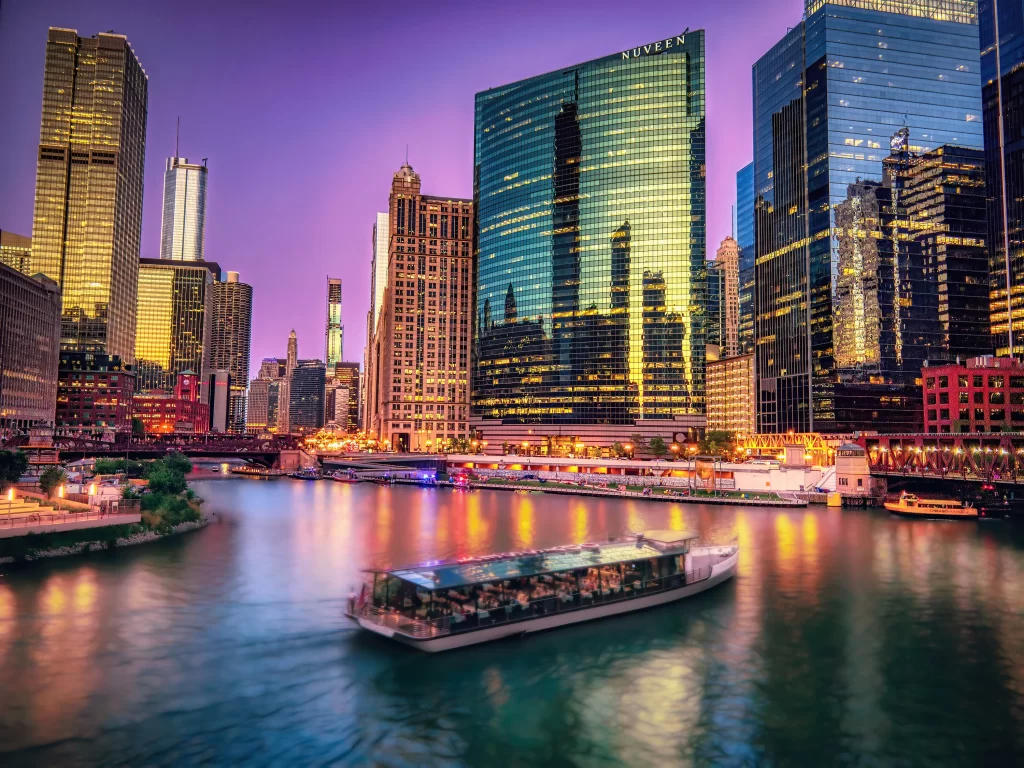
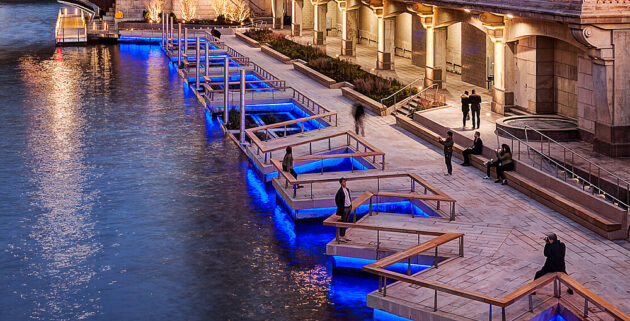
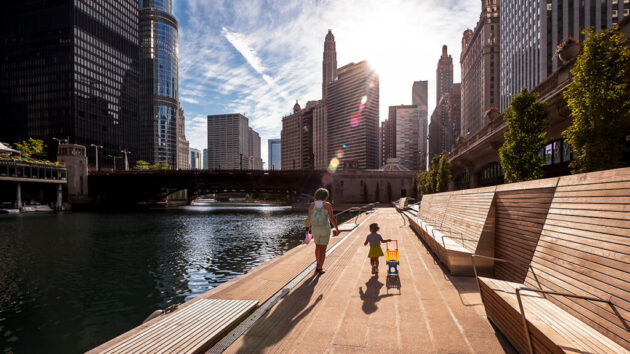
The Chicago Riverwalk is a vibrant 1.25-mile public promenade along the south bank of the Chicago River, stretching from Lake Michigan to Lake Street. It features dining, bars, kayak rentals, public art, and scenic views of the city’s iconic architecture. Divided into distinct districts like The Marina Plaza, The Cove, and The River Theater, it offers recreational spaces, ecological learning areas, and cultural attractions such as the Vietnam Veterans Memorial Plaza.
Millennium Park
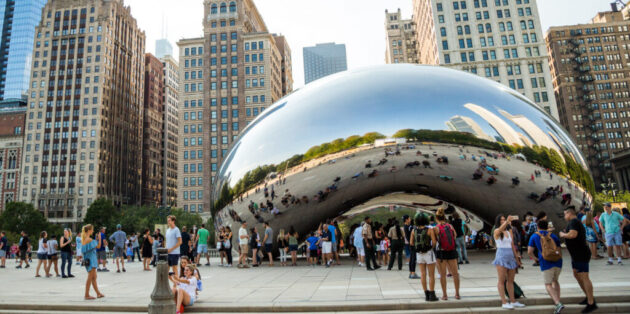
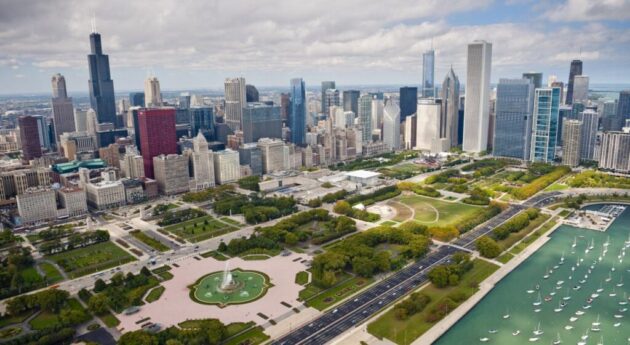
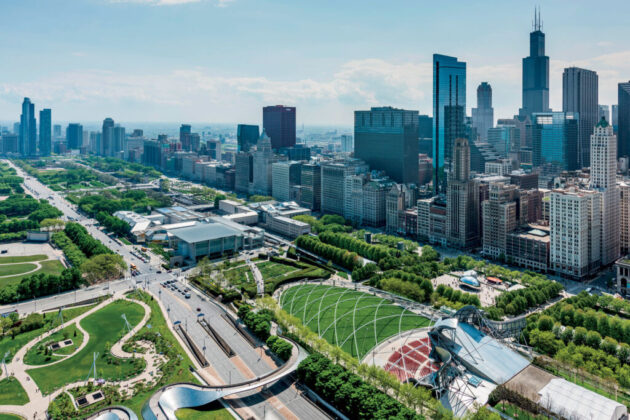
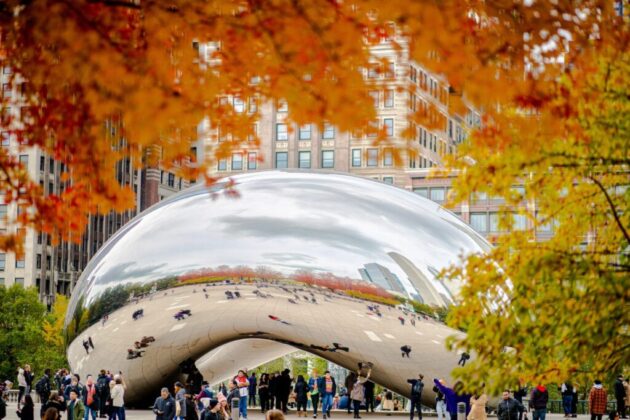
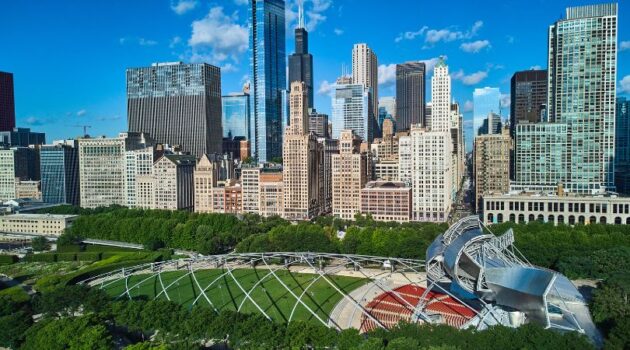
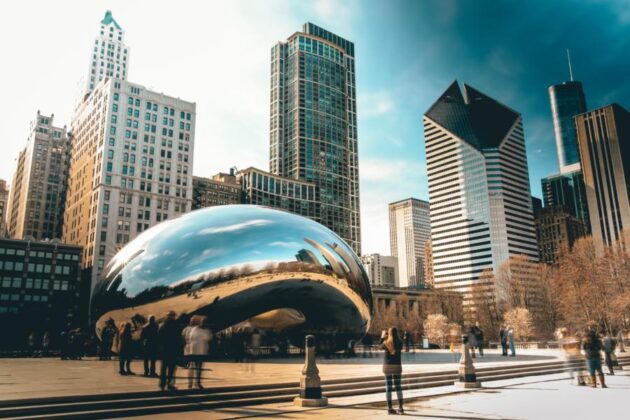
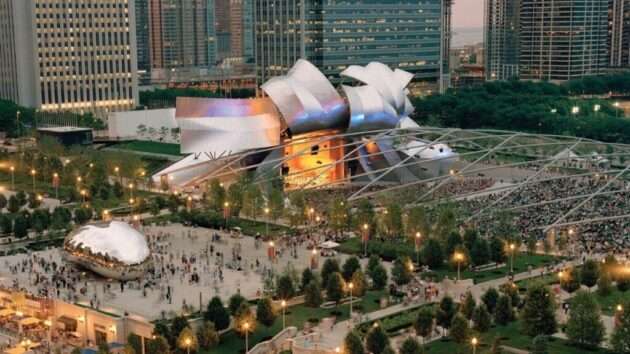
Millennium Park is a renowned urban park located in downtown Chicago, Illinois, spanning 24.5 acres in the northwestern section of Grant Park. Opened in 2004, it features iconic attractions such as the stainless-steel Cloud Gate sculpture (nicknamed “The Bean”), the interactive Crown Fountain, the Frank Gehry-designed Jay Pritzker Pavilion, and the serene Lurie Garden. The park serves as a cultural hub, hosting free concerts, festivals, and art exhibitions year-round.
Skydeck Chicago
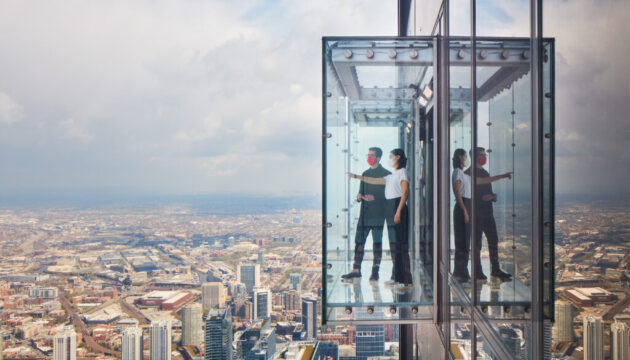
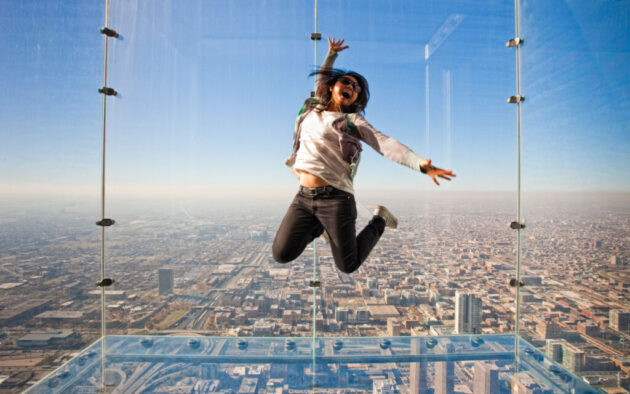
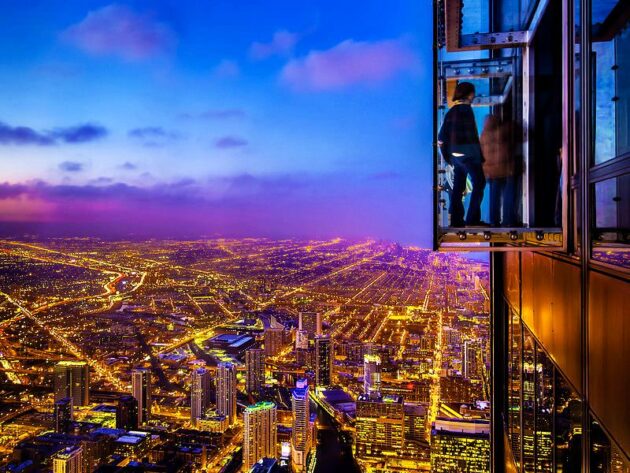
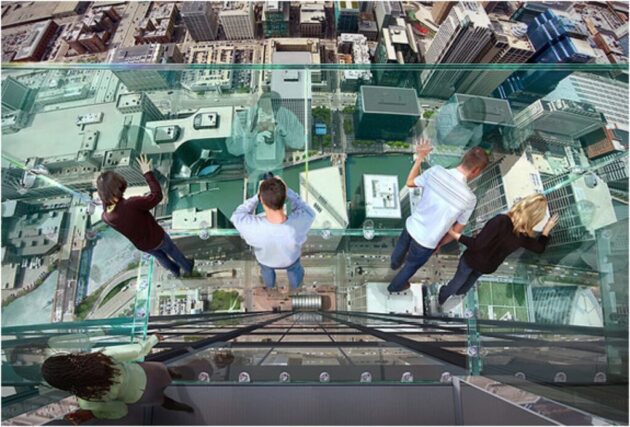
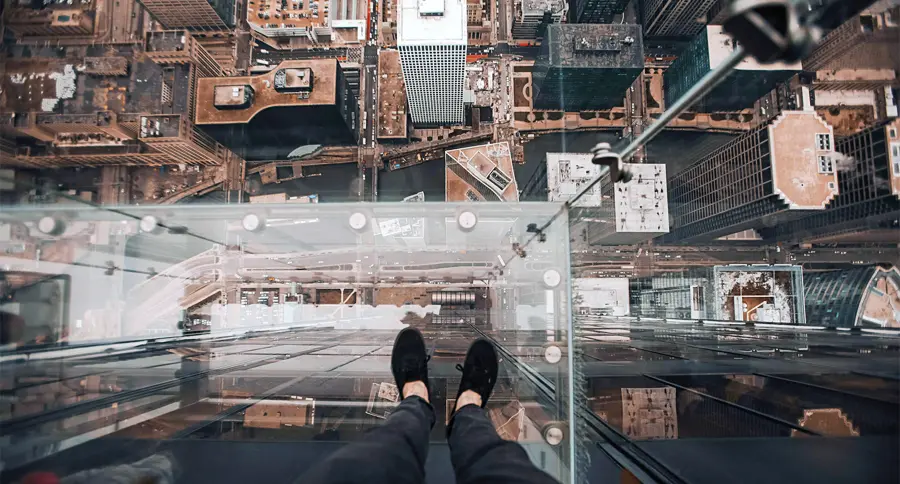
Skydeck Chicago, located on the 103rd floor of the iconic Willis Tower (formerly Sears Tower), offers breathtaking 360-degree views of Chicago’s skyline and beyond. Visitors can step onto The Ledge, a glass balcony extending 4.3 feet (1.3 meters) from the building, for a thrilling perspective 1,353 feet (412 meters) above the ground. On clear days, visibility stretches up to 50 miles (80.5 km), encompassing four states: Illinois, Indiana, Michigan, and Wisconsin.
Navy Pier
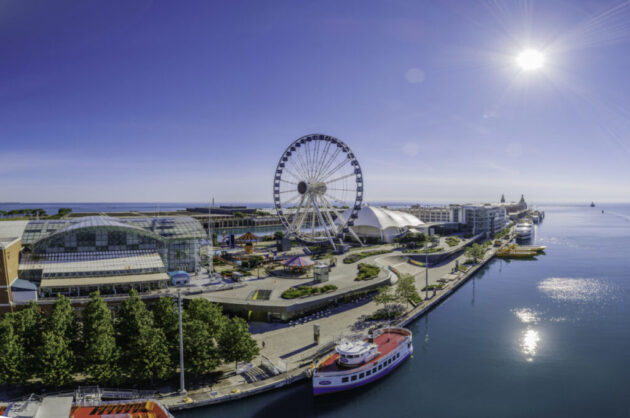
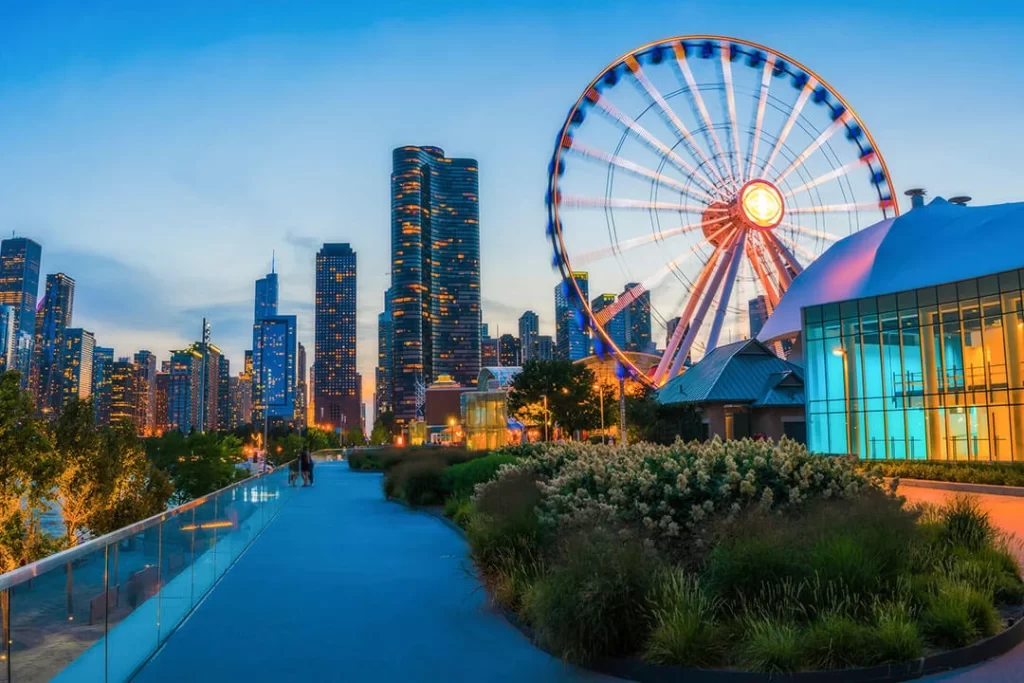
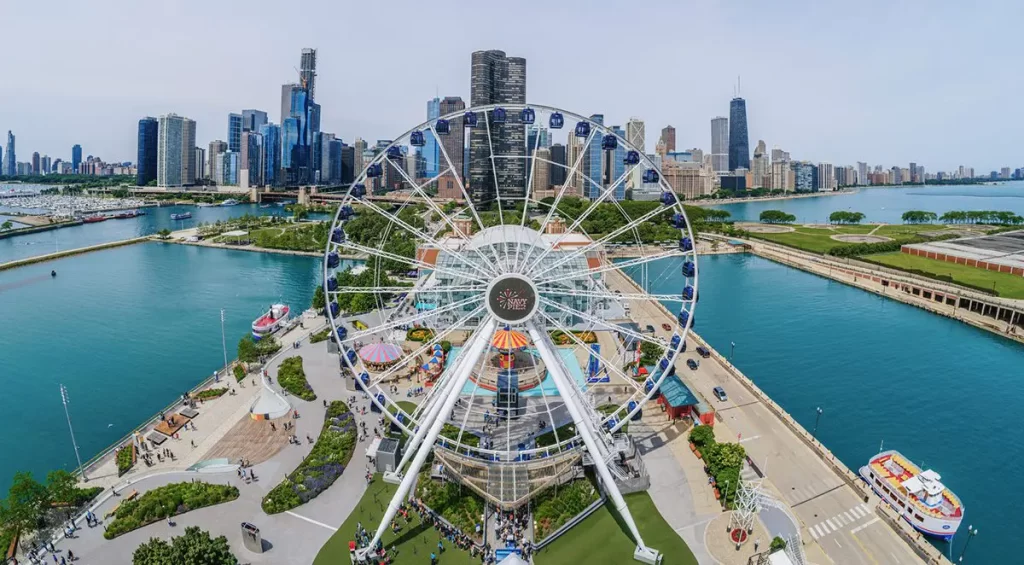
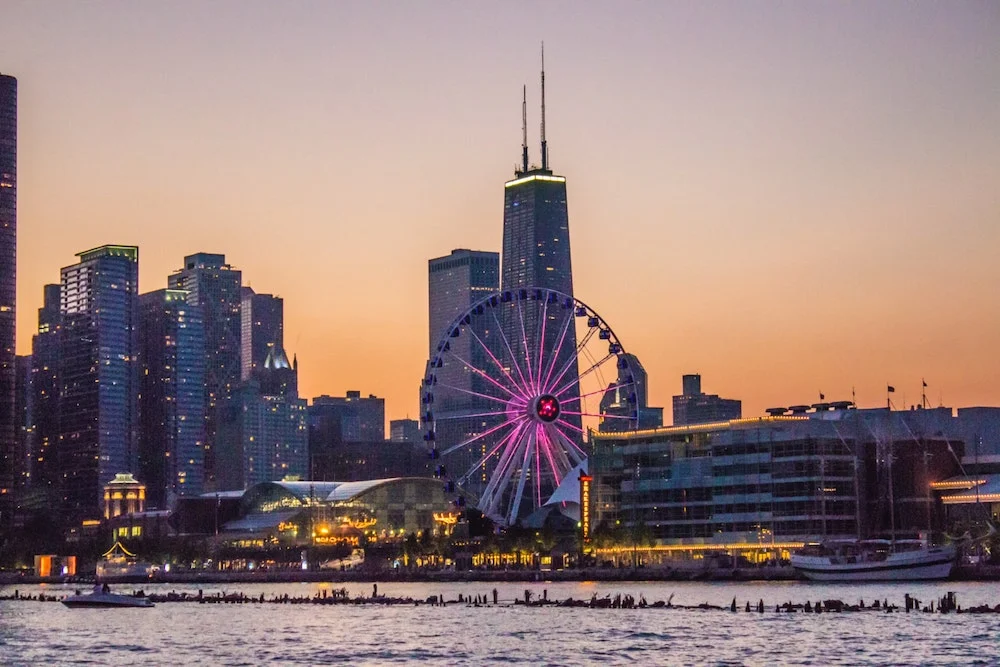
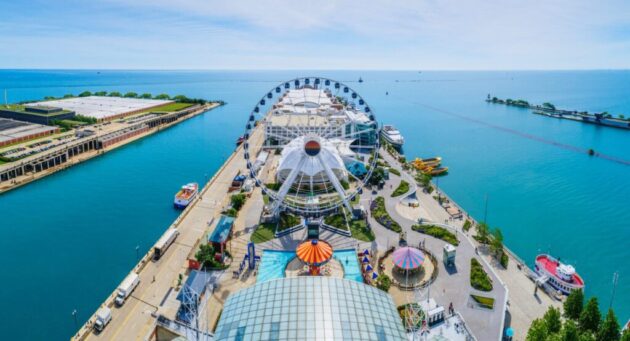
Navy Pier is a historic 3,300-foot-long pier on Lake Michigan in Chicago, Illinois, and one of the Midwest’s top tourist destinations, attracting over nine million visitors annually. Originally opened in 1916 as Municipal Pier for shipping and recreation, it has served various roles, including a naval training center and a university campus, before becoming a vibrant entertainment hub. Today, it features attractions like the 200-foot Centennial Wheel, Pier Park rides, the Chicago Children’s Museum, and the Chicago Shakespeare Theater, alongside dining, shopping, and seasonal events such as fireworks and free cultural programs.
360 CHICAGO
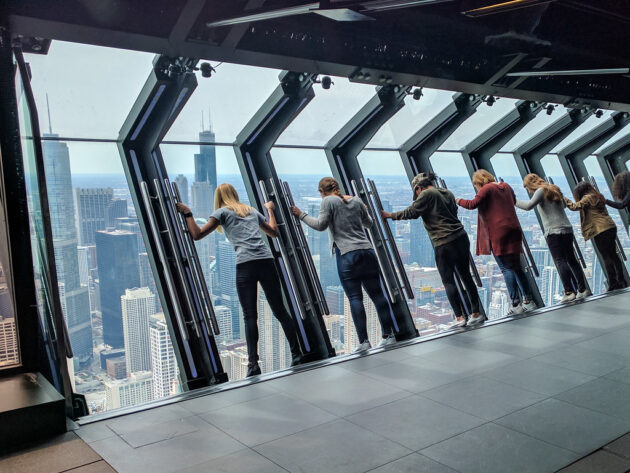
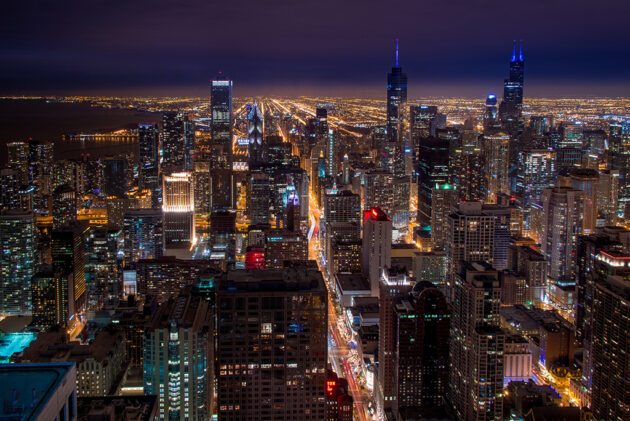
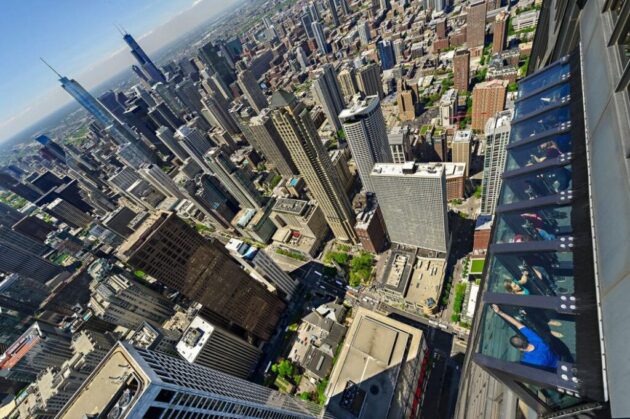
Located on the 94th floor of the John Hancock Center, 360 CHICAGO offers one of the most breathtaking panoramic views of Chicago. This observation deck provides visitors with a 360-degree view of the city skyline, Lake Michigan, and neighboring states on a clear day. With interactive exhibits, a thrilling tilt experience, and a relaxing bar, it’s a must-see attraction for those looking to get a unique perspective of the Windy City.
North Avenue Beach
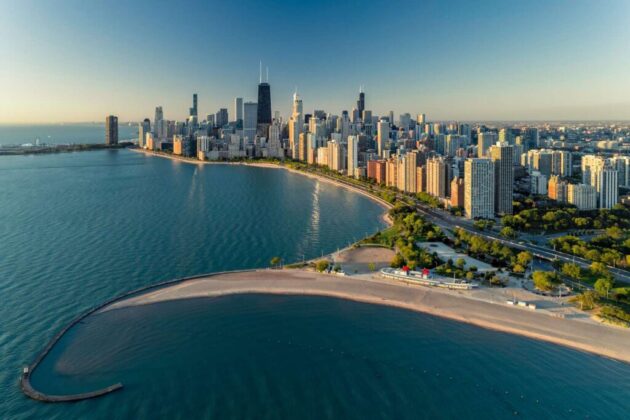
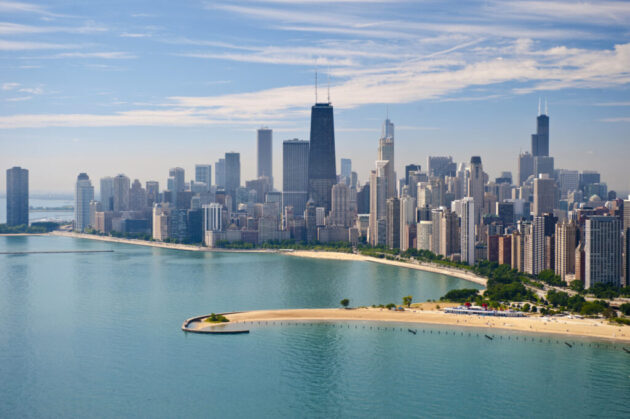
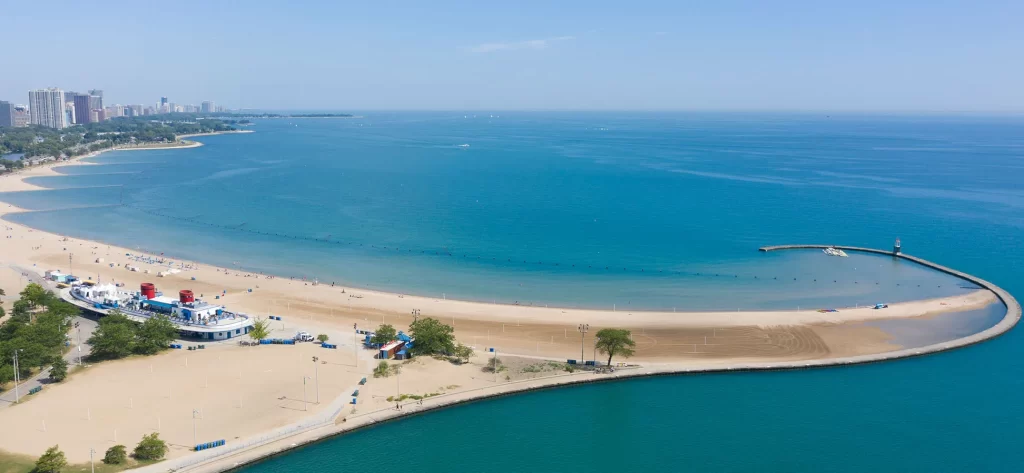
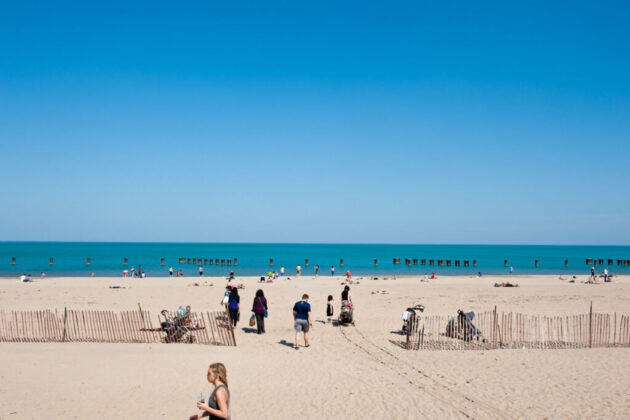
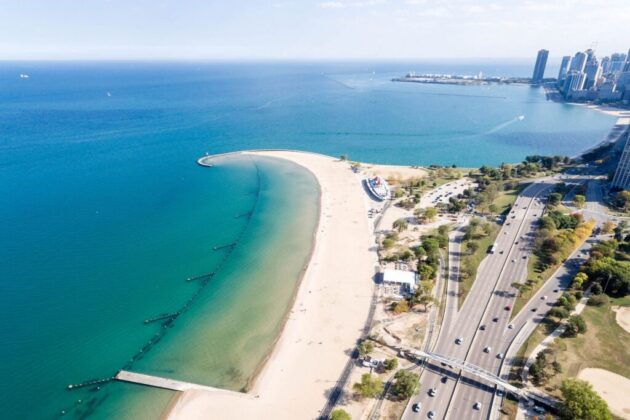
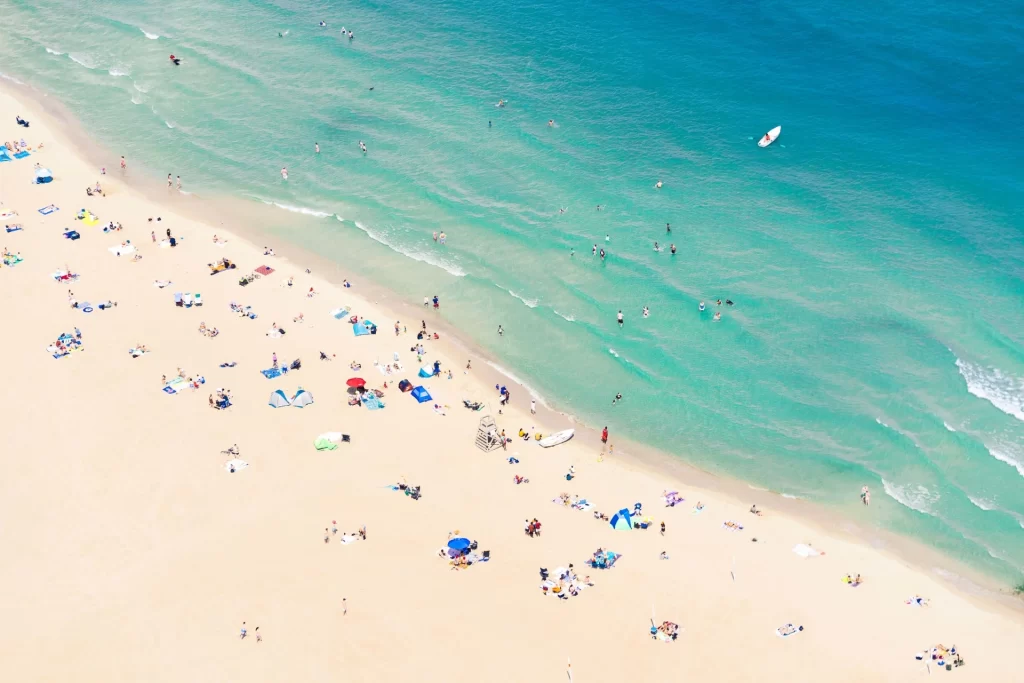
North Avenue Beach is one of the most popular beaches in Chicago, located along the city’s famous Lake Michigan shoreline. With its stunning views of the downtown skyline, sandy shores, and extensive amenities, this beach is a favorite destination for both locals and tourists. It offers a variety of recreational activities, including volleyball, swimming, sunbathing, and even dining at its iconic beach house.
Lincoln Park Zoo
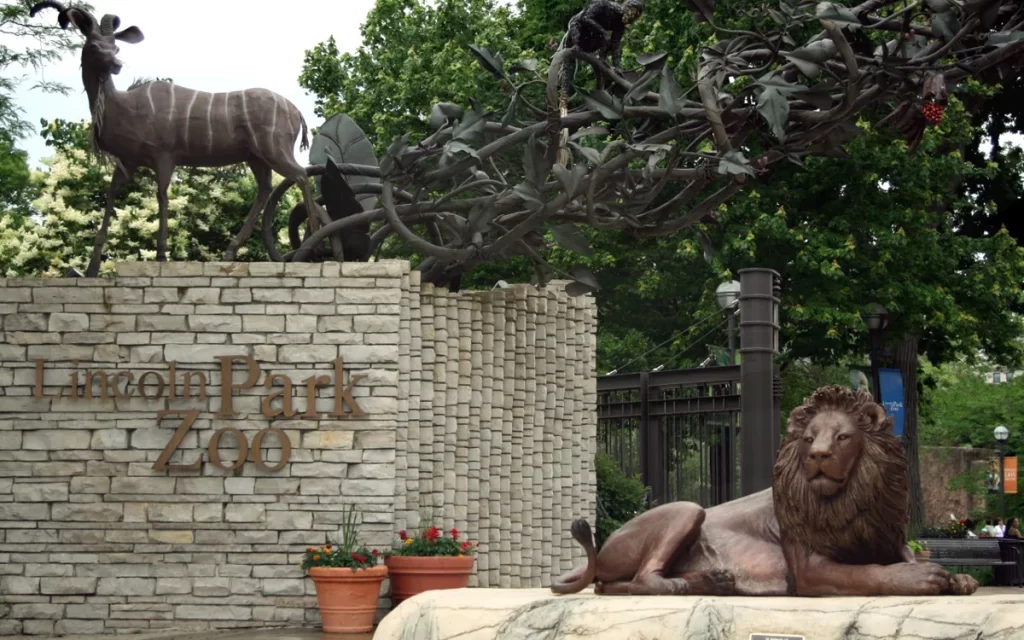
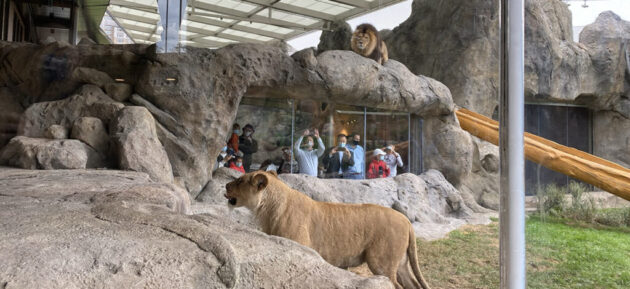
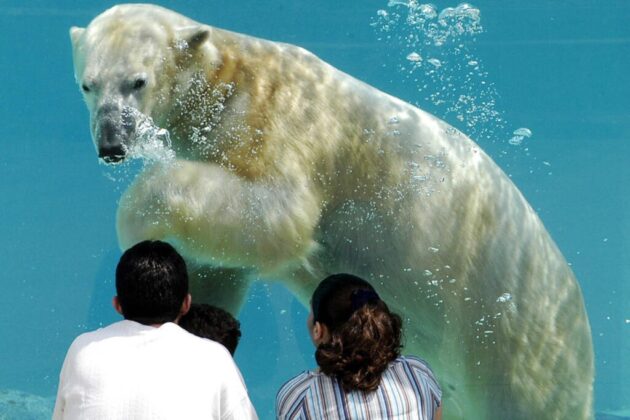
Lincoln Park Zoo, located in the heart of Chicago, is one of the oldest and most beloved zoos in the United States. Opened in 1868, it offers free admission year-round and houses a diverse range of animals. The zoo is part of the larger Lincoln Park, offering visitors a tranquil escape within the bustling city while still being close to iconic Chicago attractions.


Magnificent Mile
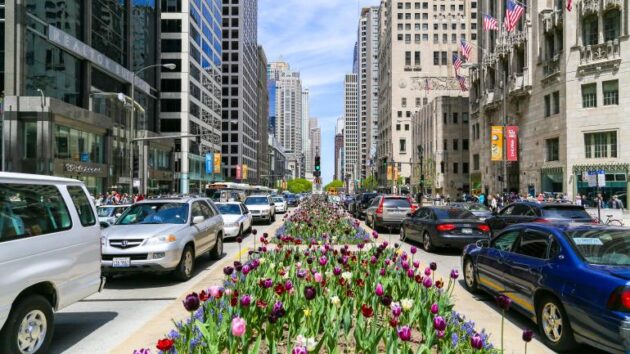
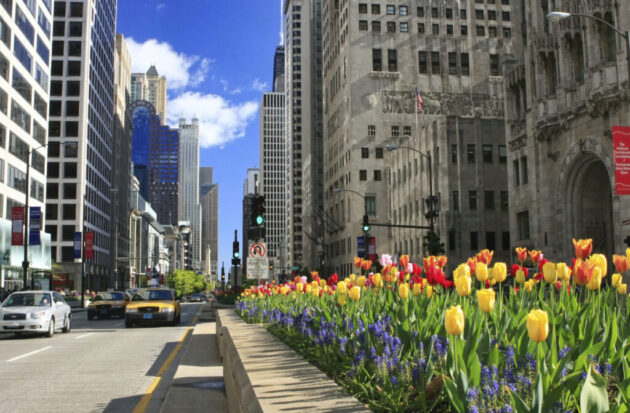
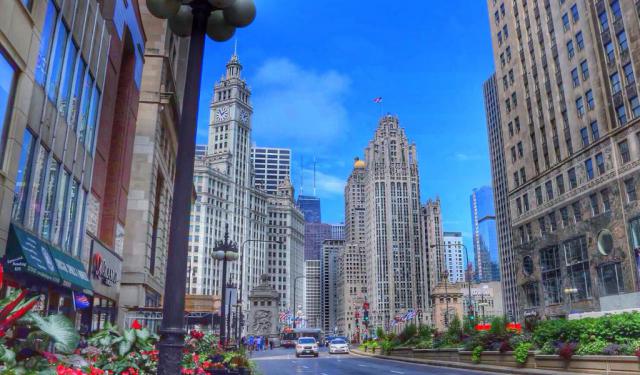
The Magnificent Mile, located in Chicago, Illinois, is a renowned stretch of Michigan Avenue spanning approximately one mile from the Chicago River to Oak Street. It is a premier destination for upscale shopping, dining, and entertainment, featuring over 460 stores, 275 restaurants, and 51 hotels, including luxury brands like Bloomingdale’s, Neiman Marcus, and Louis Vuitton. The area is also home to iconic landmarks such as the John Hancock Center, Wrigley Building, and Tribune Tower, blending historic architecture with modern attractions.
Adler Planetarium
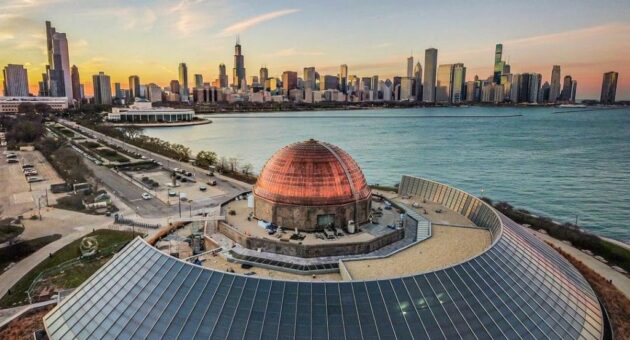
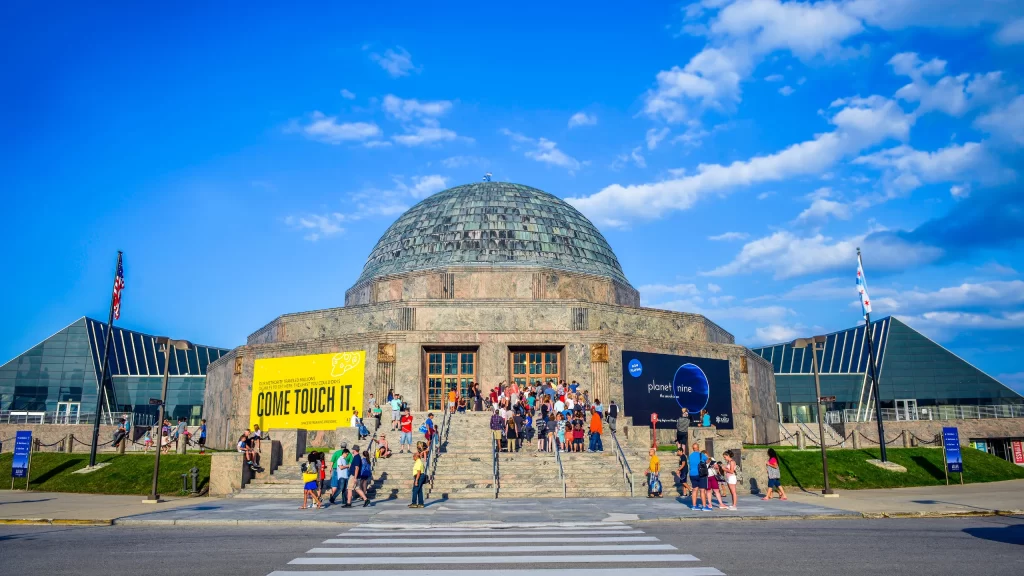
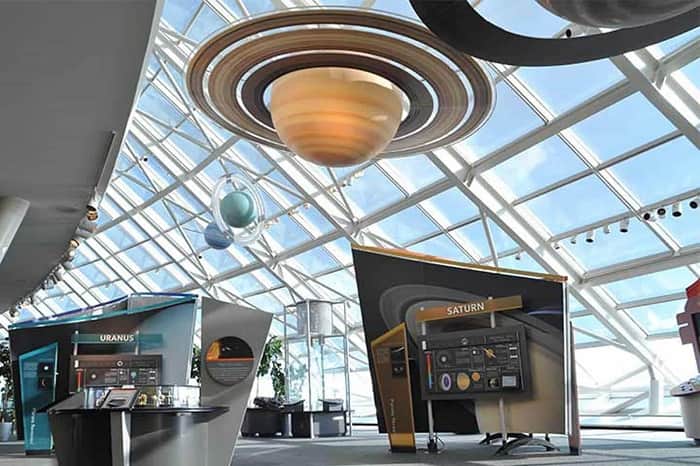
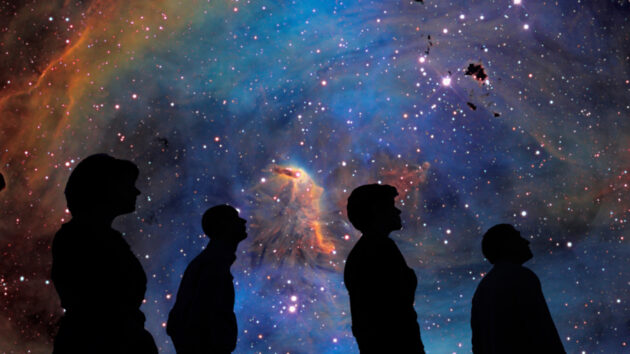
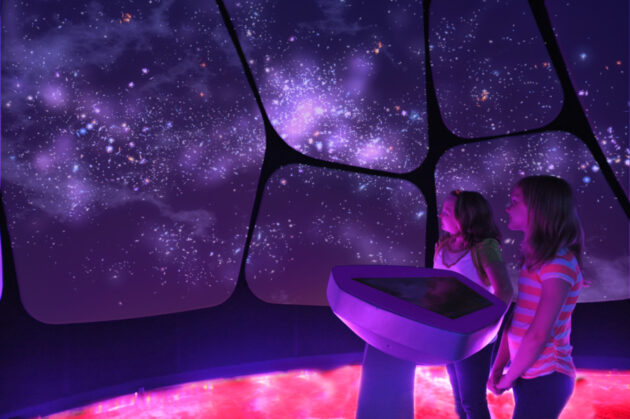
Adler Planetarium, located in Chicago, Illinois, is the first planetarium in the United States, founded in 1930. As one of the key attractions along the city’s beautiful Museum Campus on the shores of Lake Michigan, it offers a combination of historical exhibits, cutting-edge technology, and hands-on experiences to explore the wonders of space. It’s an excellent destination for visitors of all ages interested in astronomy, space exploration, and science.
Clarence F. Buckingham Memorial Fountain
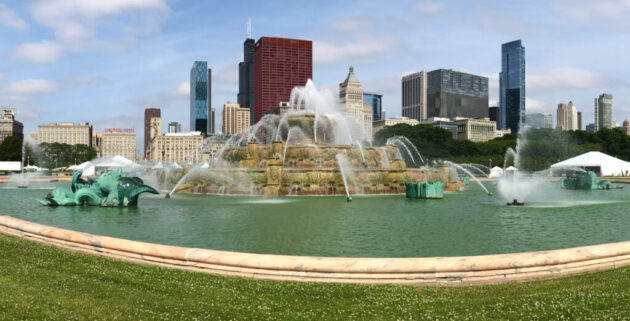
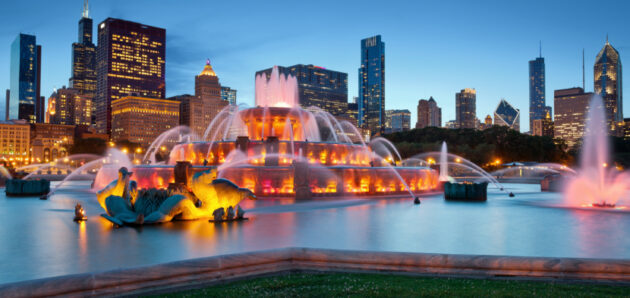
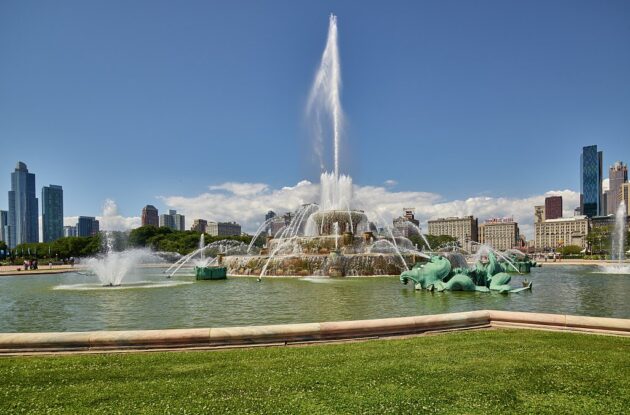
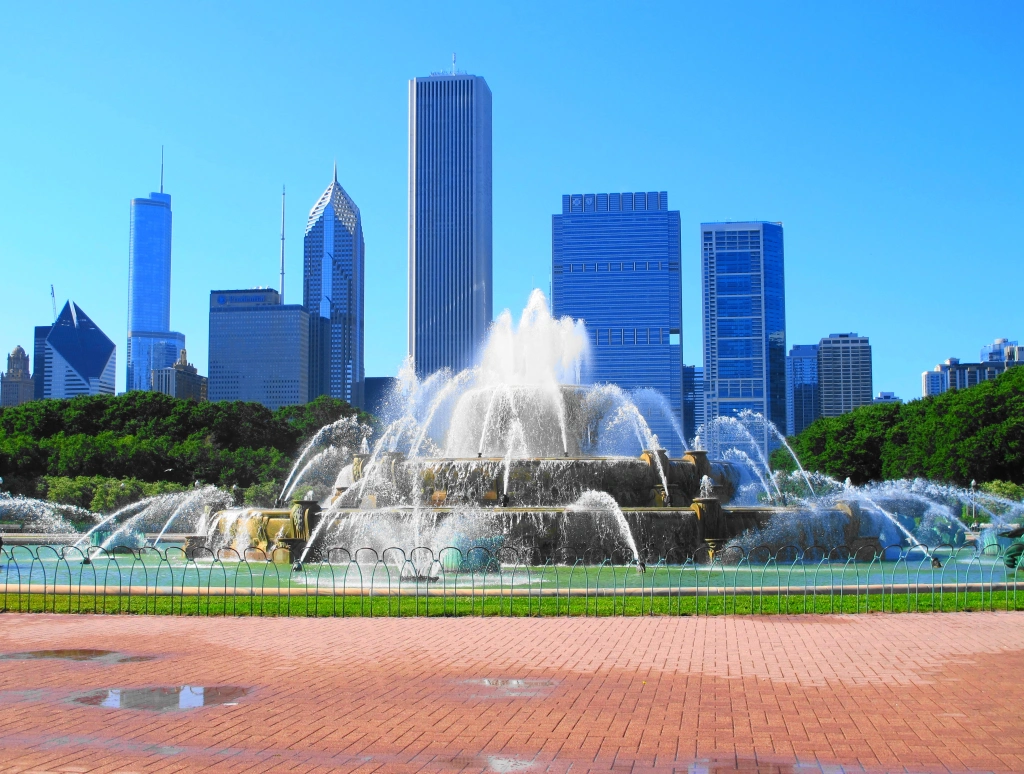
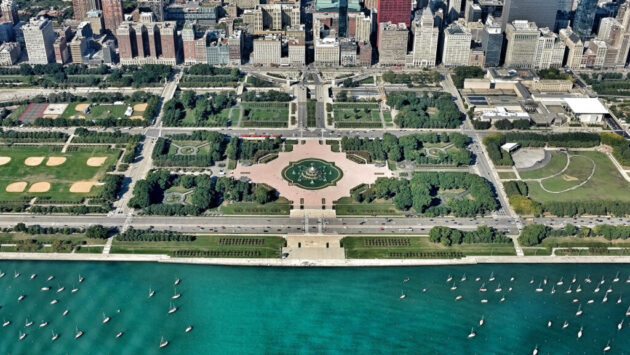
The Clarence F. Buckingham Memorial Fountain, located in Grant Park, Chicago, is one of the largest and most iconic fountains in the world. Designed by architect Edward H. Bennett and dedicated in 1927, this beautiful Beaux-Arts style fountain was a gift to the city from philanthropist Kate Sturges Buckingham in memory of her brother, Clarence. The fountain is inspired by the Latona Basin at the Palace of Versailles in France, and it serves as a stunning centerpiece of Grant Park.
Where to Eat
Chicago’s food scene is legendary, from casual eats to Michelin-starred dining:
Deep-Dish Pizza: Try Pequod’s Pizza for its caramelized cheese crust ($15–25). Lou Malnati’s and Gino’s East are also classics. Chicago-Style Hot Dog: Head to Portillo’s for a hot dog topped with mustard, relish, onions, tomatoes, peppers, and celery salt—no ketchup! ($5–8). Italian Beef: Johnnie’s Beef in Elmwood Park serves thinly shaved beef with spicy giardiniera ($6–10). Cash only.
Fine Dining: Girl & the Goat offers Mediterranean-inspired dishes by Top Chef winner Stephanie Izard ($50–100/person). Alinea, a Michelin three-star restaurant, is a bucket-list experience for molecular gastronomy ($300+/person). Ethnic Cuisine: Explore Pilsen for Mexican at Mi Tocaya Antojeria or Bronzeville for soul food at Pearl’s Place.
Where to Stay
Luxury: The Peninsula Chicago (Magnificent Mile): Elegant rooms and a Michelin-starred rooftop restaurant ($400+/night). The Langham Chicago (River North): Stunning river views and afternoon tea ($350+/night).
Mid-Range: Chicago Athletic Association Hotel (Loop): Historic charm with rooftop views ($200–300/night). Thompson Chicago (Gold Coast): Modern comfort near Lake Michigan ($180–250/night).
Budget: Freehand Chicago (River North): Stylish hostel with dorms ($30–50/night) and private rooms ($100–150/night). Airbnb: Options in neighborhoods like Wicker Park or Logan Square start at $80/night.
Sports Fans: The Chicago Hotel Collection – Wrigleyville is a baseball-themed boutique hotel near Wrigley Field ($150–250/night). Tip: Stay near the Loop or River North for easy access to transit and attractions. Book early for summer and festival seasons.
Tips for a Great Visit
Plan Ahead: Book tickets for museums, tours, and restaurants in advance, especially during peak seasons. Use CityPASS for savings. Dress Smart: Chicago’s weather varies—pack layers for spring/fall, warm coats for winter, and comfortable shoes for walking.
Explore Neighborhoods: Venture beyond downtown to areas like Wicker Park (hip bars, nightlife), Pilsen (Mexican culture, street art), or Ukrainian Village (cultural museums). Avoid Tourist Traps: Navy Pier can be pricey and crowded; prioritize local gems like the Riverwalk or Garfield Park Conservatory.
Public Transit Pass: A 3-day CTA pass ($20) is ideal for multi-day visits. Chicago Hot Dog Rule: Never ask for ketchup on a hot dog—it’s a local faux pas
Final Thoughts
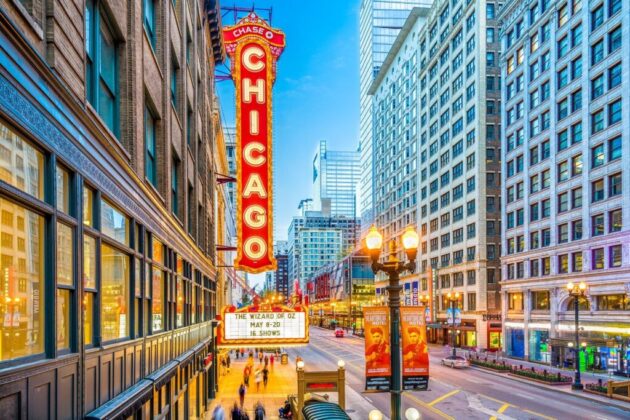
Chicago is a city of contrasts—towering skyscrapers meet sandy beaches, historic landmarks blend with modern innovation, and global cuisines thrive alongside local classics. Whether you’re gazing at the skyline from the Willis Tower, savoring deep-dish pizza, or catching a comedy show at Second City, Chicago’s energy and diversity will leave a lasting impression. Plan your itinerary, embrace the city’s vibrant neighborhoods, and enjoy an unforgettable adventure in the heart of the Midwest.
Happy travels!