

A Travel Guide to The Art Institute of Chicago
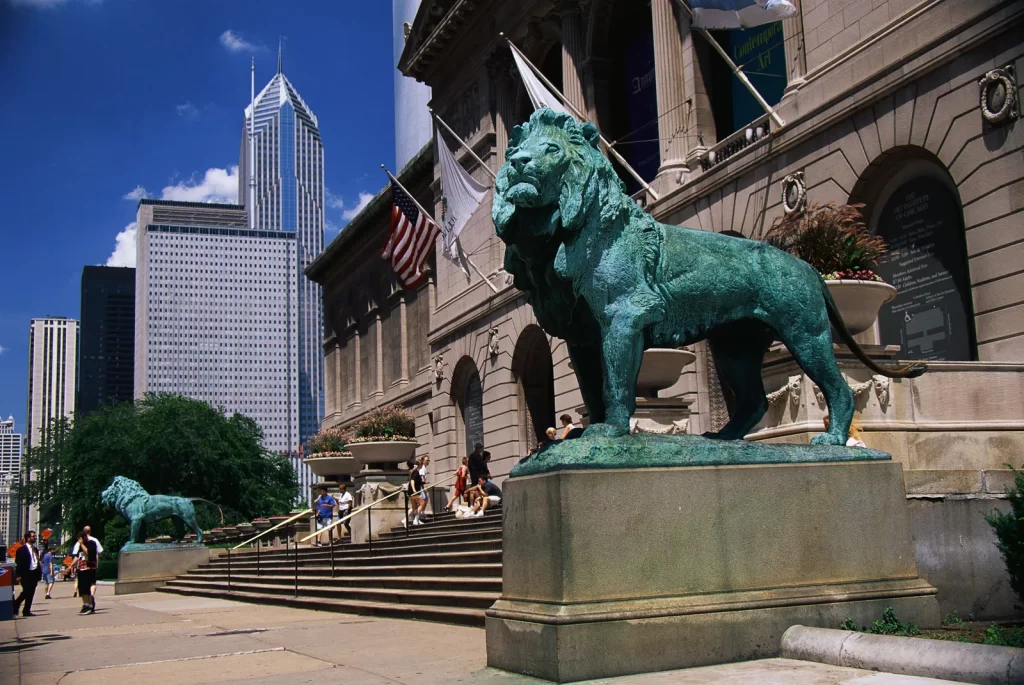
The Art Institute of Chicago, located in the heart of downtown Chicago, is one of the world’s premier art museums, renowned for its extensive collection spanning 5,000 years of human creativity. Situated in Grant Park along Michigan Avenue, this cultural gem houses over 300,000 works of art, including iconic masterpieces like A Sunday on La Grande Jatte by Georges Seurat and American Gothic by Grant Wood. Whether you’re an art aficionado, a history buff, or a casual visitor, this guide will help you plan an enriching visit to this Chicago landmark.
Why Visit the Art Institute of Chicago?
The Art Institute is celebrated for its diverse collection, ranging from ancient artifacts to modern masterpieces. Its highlights include one of the world’s finest collections of Impressionist and Post-Impressionist paintings, extensive American art, and global works from Asia, Africa, and beyond. The museum’s stunning architecture, engaging exhibitions, and prime location near Millennium Park make it a must-visit for anyone exploring Chicago. With family-friendly programs, world-class dining, and a vibrant museum shop, it offers something for everyone.
How to Get There
The Art Institute of Chicago is centrally located at 111 S Michigan Ave, Chicago, IL 60603, making it easily accessible by various modes of transportation:
By Public Transit (CTA): Subway (L Train): Red Line: Exit at Monroe or Jackson stations (5–7-minute walk). Blue Line: Exit at Monroe (7-minute walk). Green, Brown, Orange, Purple, Pink Lines: Exit at Adams/Wabash (3–5-minute walk).
Bus: Routes like 3, 4, 6, 7, 126, or 147 stop near Michigan Avenue and Adams Street. CTA fares are ~$2.50 (train) or $2.25 (bus) with a Ventra card. Use the CTA website or apps like Transit for real-time schedules.
By Car: Parking is available at nearby lots, such as Grant Park North Garage (25 N Michigan Ave) or Millennium Park Garage (5 S Columbus Dr). Rates are typically $20–$35 for 3–4 hours. Metered street parking is limited and expensive; garages are more reliable.
By Bike or Walking: Chicago’s Divvy bike-share program has stations near the museum. Rent a bike for ~$3.50/ride or $15/day. From Millennium Park or the Loop, the museum is a 5–10-minute walk, perfect for combining with other nearby attractions.
By Taxi/Rideshare: A ride from downtown (e.g., Magnificent Mile) costs ~$10–15 via Uber, Lyft, or taxi. Drop-off is directly at the Michigan Avenue entrance.
Tip: The museum’s main entrance is on Michigan Avenue, but the Modern Wing entrance (159 E Monroe St) is often less crowded and offers direct access to contemporary galleries.
Best Time to Visit
Year-Round Appeal: The Art Institute is open daily, with indoor galleries making it a great destination regardless of weather. Temporary exhibitions change regularly, so check the museum’s website for current shows.
Optimal Timing: Weekdays (especially Tuesday–Wednesday): Less crowded, ideal for a relaxed visit. Early Morning (10:00 AM–11:00 AM): Beat the crowds by arriving shortly after opening. Evening (Thursday–Friday, 5:00 PM–9:00 PM): Extended hours offer a quieter experience, with fewer families and school groups.
Seasonal Considerations: Spring/Fall: Mild weather makes it pleasant to combine your visit with nearby outdoor attractions like Millennium Park or the Lakefront Trail. Summer: Busy with tourists; book tickets in advance. Winter: Fewer crowds, but dress warmly for the walk to the museum.
Special Events: Avoid peak times like major holidays or free admission days for Illinois residents (Mondays, 5:00 PM–8:00 PM) unless you’re eligible, as lines can be long.
Tickets and Opening Hours
Opening Hours: Monday, Thursday, Friday: 11:00 AM–5:00 PM (extended to 8:00 PM on Thursdays/Fridays); Saturday–Sunday: 10:00 AM–5:00 PM; Closed: Thanksgiving, Christmas, and New Year’s Day; Last entry to galleries is 30 minutes before closing.
Ticket Prices (as of 2025): General Admission: $32 (adults), $26 (seniors 65+, students, teens 14–17); Free: Children under 14, Chicago residents under 18, and active-duty military. Illinois Resident Free Evenings: Mondays, Thursdays, Fridays (5:00 PM–8:00 PM, for IL residents only).
Fast Pass: $42, includes skip-the-line access and audio guide. Special exhibitions may require an additional fee (~$7–10). Members: Free entry with membership ($125/year for individuals, includes perks like guest passes).
Booking: Purchase tickets online via the Art Institute’s website or at the ticket counter. Advance tickets are recommended during peak seasons (summer, holidays) to avoid long lines.
Tip: Chicago residents and students (with ID) should check for discounts. The CityPASS ($134) or Go City Chicago Pass includes the Art Institute and other attractions, saving ~40% if visiting multiple sites.
What to See and Do
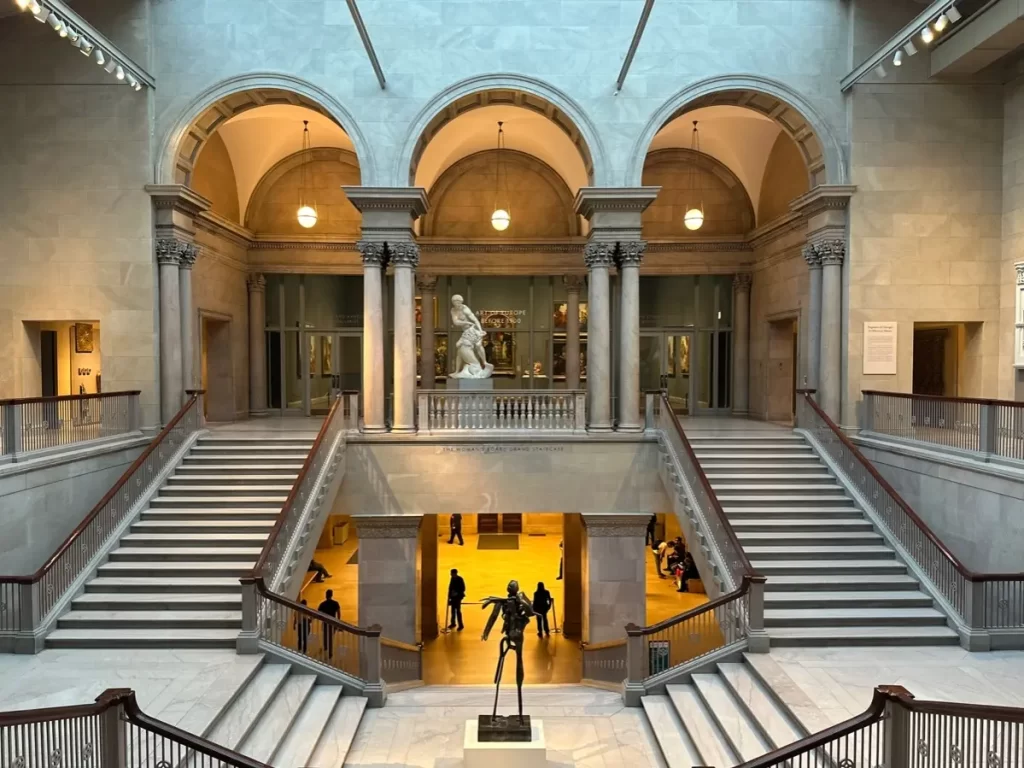
The Art Institute spans two main buildings—the historic Main Building and the sleek Modern Wing—with 11 curatorial departments. Here are the must-see highlights:
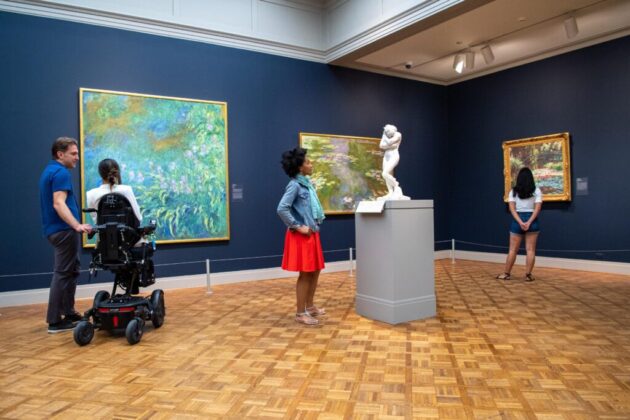
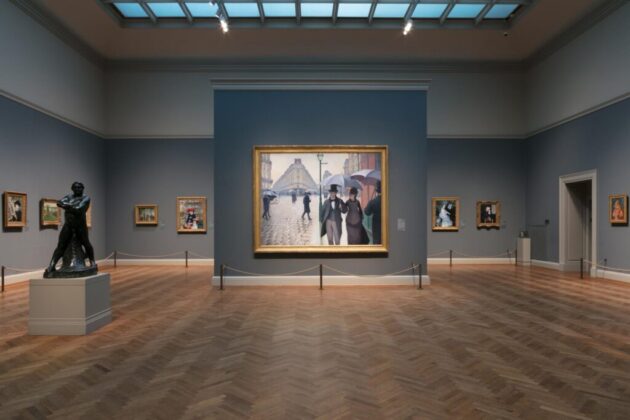
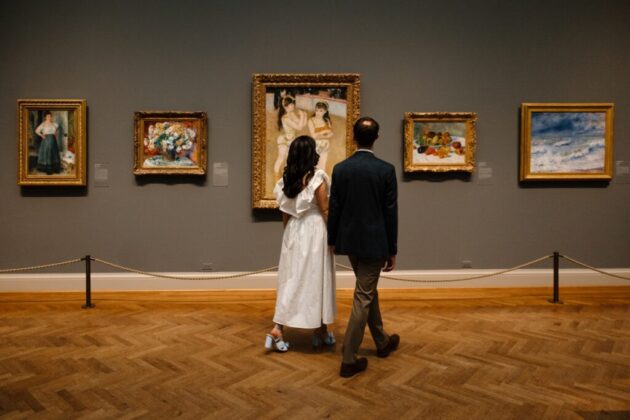
Iconic Masterpieces: Impressionism and Post-Impressionism (Galleries 240–243): Home to Georges Seurat’s A Sunday on La Grande Jatte (1884), Vincent van Gogh’s The Bedroom (1889), and Claude Monet’s Water Lilies series.
American Art (Galleries 161–179): Features Grant Wood’s American Gothic (1930) and Edward Hopper’s Nighthawks (1942). Modern and Contemporary Art (Modern Wing, Galleries 288–399): Includes Pablo Picasso’s The Old Guitarist (1903) and works by Andy Warhol and Jackson Pollock.
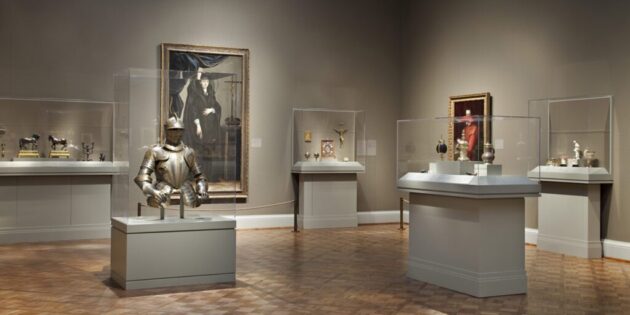
Global Collections: Asian Art (Galleries 101–109): Stunning Chinese ceramics, Japanese ukiyo-e prints, and Indian sculptures. Ancient and Medieval Art (Galleries 150–155): Egyptian mummies, Greek vases, and Byzantine mosaics. African and Native American Art (Galleries 136–137): Vibrant masks, textiles, and pottery.
Special Exhibitions: Rotating exhibits showcase everything from photography to contemporary installations. Check the museum’s website for current and upcoming shows (e.g., 2025 may feature retrospectives or themed displays).
Thorne Miniature Rooms (Lower Level, Gallery A12): A unique collection of 68 intricately detailed miniature rooms depicting European and American interiors from the 13th to 20th centuries. A favorite for all ages.
Interactive Experiences: Audio Guides: Available in English, Spanish, Mandarin, and more ($7, or included with Fast Pass). Covers 50+ highlights with expert commentary. Free Guided Tours: Daily tours (check schedule at information desk) offer insights into specific collections or themes. Family Programs: Free art-making workshops and scavenger hunts for kids, available weekends and during school holidays.
Where to Eat
On-Site Dining: Terzo Piano (Modern Wing, 3rd Floor): Upscale Italian-inspired cuisine with views of Millennium Park. Lunch mains: $18–$30. Reservations recommended (available via OpenTable). Museum Café (Main Building, Lower Level): Casual fare like sandwiches, salads, and coffee ($10–15). No reservations needed. Coffee Carts: Quick grab-and-go options near entrances ($5–10).
Nearby Options (5–10-minute walk): The Gage (24 S Michigan Ave): Gastropub with hearty American dishes ($15–$25). Shake Shack (12 S Michigan Ave): Budget-friendly burgers and shakes ($8–$12). Millennium Park Food Trucks: Seasonal options like tacos or pizza, just across the street.
Tip: Outside food is not allowed in galleries, but you can enjoy a picnic in nearby Grant Park or Millennium Park.
Where to Stay
Luxury: The Langham, Chicago (330 N Wabash Ave, 15-minute walk): 5-star elegance, ~$400–$600/night. The Peninsula Chicago (108 E Superior St, 20-minute walk): World-class service, ~$500/night.
Mid-Range: Hilton Chicago (720 S Michigan Ave, 5-minute walk): Reliable comfort, ~$150–$250/night. Congress Plaza Hotel (520 S Michigan Ave, 5-minute walk): Historic charm, ~$100–$200/night.
Budget: HI Chicago Hostel (24 E Ida B. Wells Dr, 10-minute walk): Dorm beds from $30–$50, private rooms ~$80–$120. Booking Tip: Use platforms like Expedia or Booking.com for deals. Book early for summer or holiday weekends.
Tips for a Great Visit
Plan Your Route: The museum is vast, so prioritize key collections (e.g., Impressionism, American Art) if you have limited time. Download the museum’s free app for a map and highlights. Check Bags: Large bags and backpacks must be checked at the coatroom (free). Small bags are allowed but may be inspected.
Photography: Non-flash photography is permitted for personal use, but tripods and selfie sticks are not allowed. Comfort: Wear comfortable shoes for walking the expansive galleries. Rest areas are available near major exhibits.
Combine Your Trip: Pair your visit with nearby attractions like Millennium Park (home to Cloud Gate, aka “The Bean”), the Field Museum, or a stroll along the Magnificent Mile, all within 10–20 minutes’ walk.
Accessibility: The museum is fully accessible, with wheelchairs available for free (reserve in advance) and elevators throughout.
Final Thoughts
The Art Institute of Chicago is a cultural treasure that offers an unparalleled journey through art and history. From Impressionist masterpieces to ancient artifacts, its galleries inspire awe and curiosity. Whether you spend a few hours or a full day, the museum’s beauty, coupled with its prime location in vibrant Chicago, ensures a memorable experience. Plan ahead, immerse yourself in the art, and enjoy the Windy City’s creative heart.
Happy exploring!